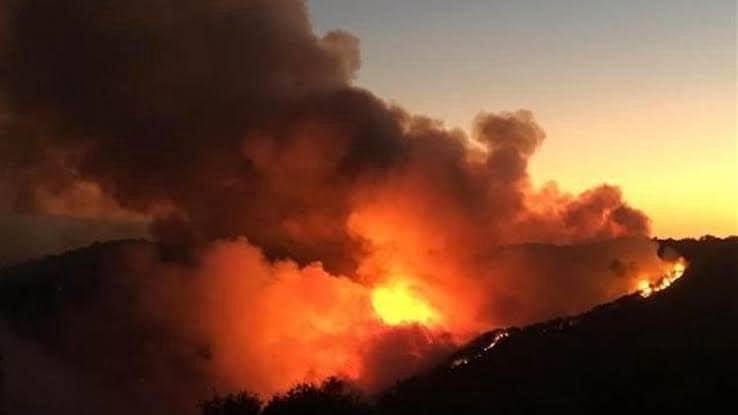
As the disaster season re-emerges, we are once again faced with the devastating reality of wildfires in Türkiye.
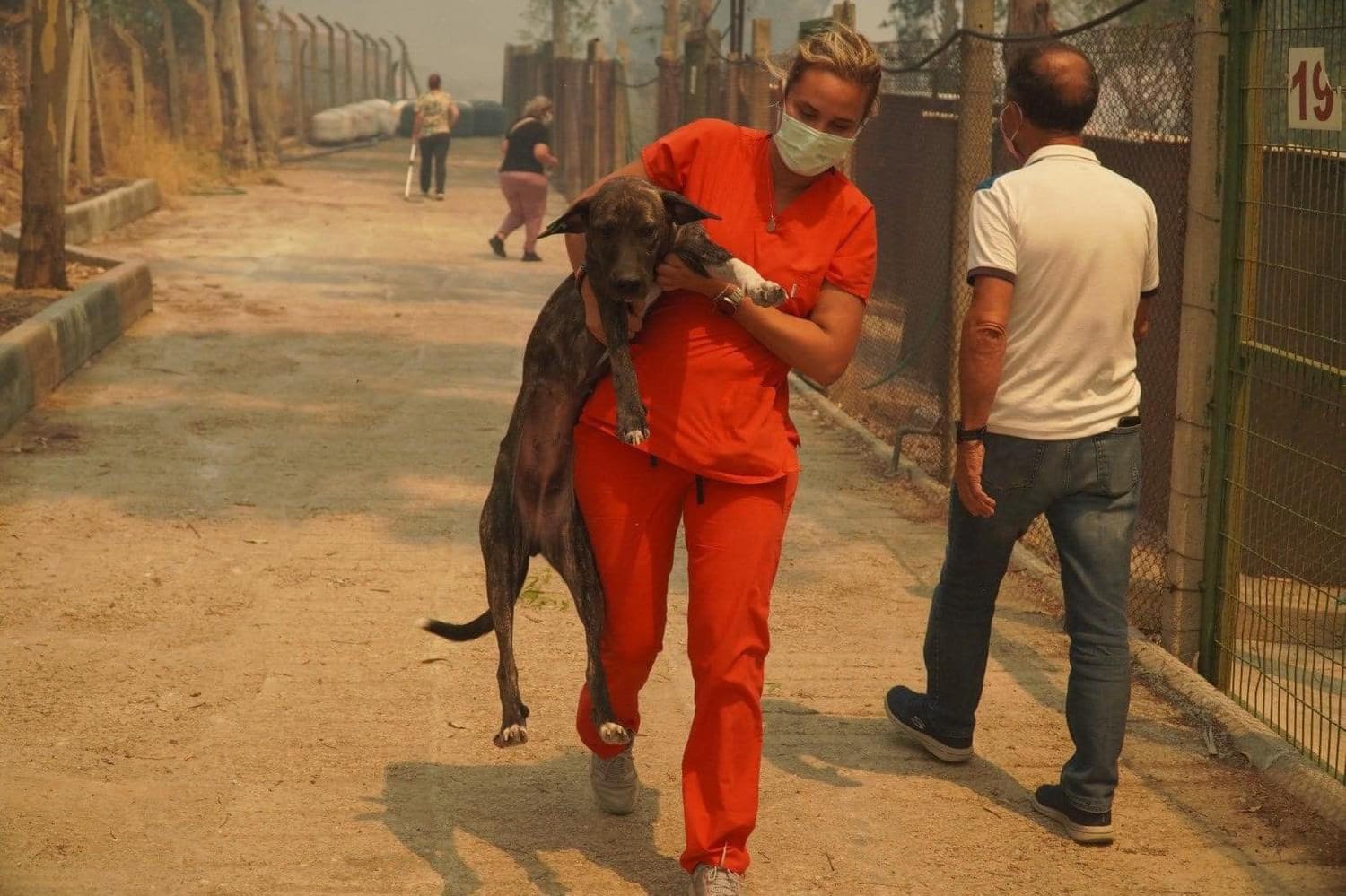
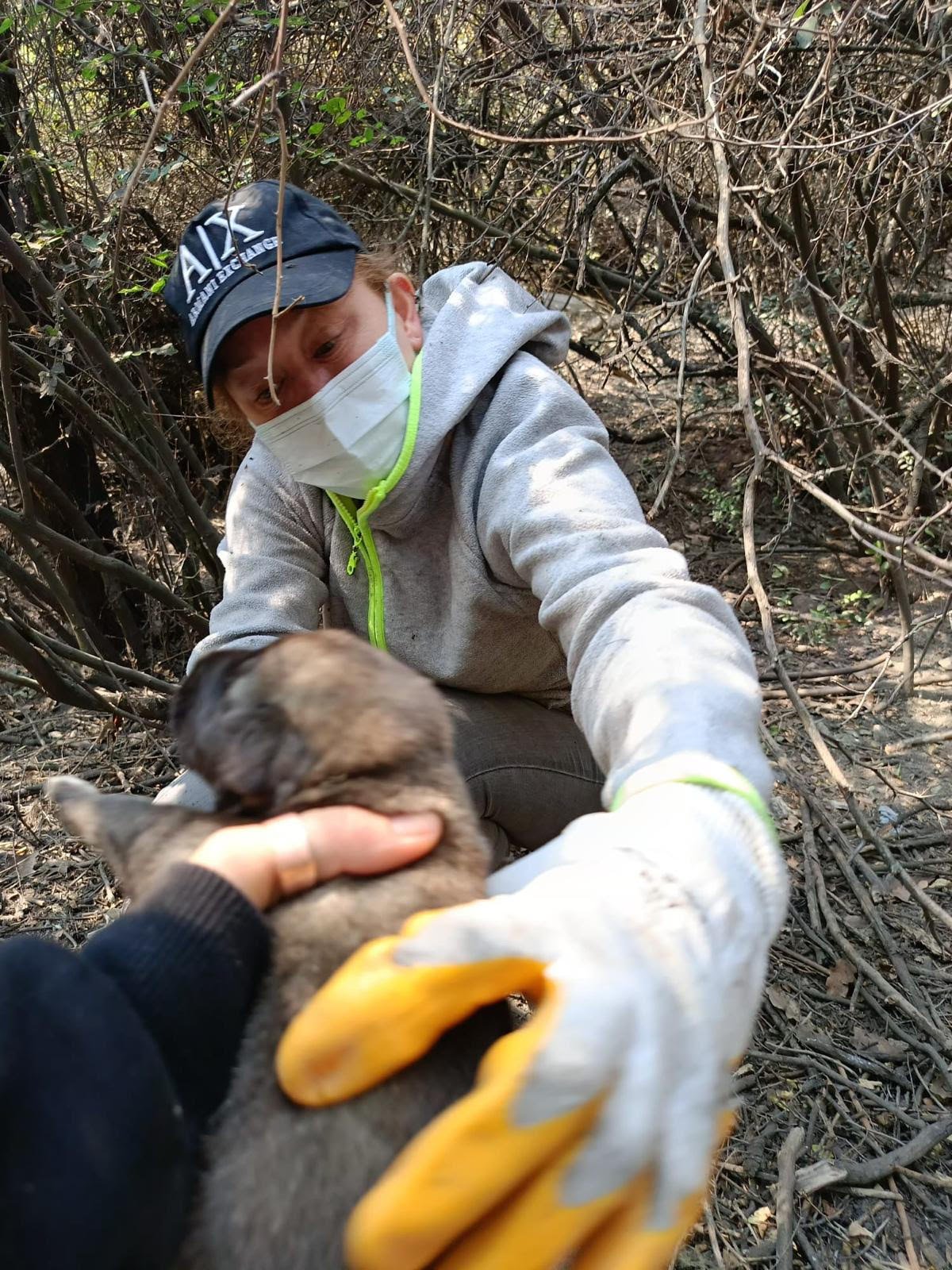
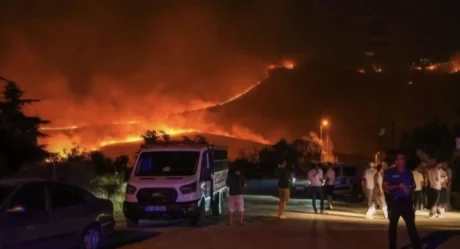
The situation has become critical, with two major wildfires erupting on the West Coast just a few days ago. Our volunteer teams are on the ground, tirelessly assisting in the rescue efforts, focusing on saving survivors—whether they are farm animals, wildlife, or strays. We are deeply concerned as two dog sanctuaries are now dangerously close to the flames, though, thankfully, there have been no human victims reported yet.
Due to the escalating crisis, we sent two additional vehicles equipped with veterinary teams and essential supplies. Unfortunately, the latest reports from our local teams on the wildfire frontlines are not encouraging. The fires have spread rapidly, and there are now a staggering 70 wildfires raging across the region.
While we focus on addressing the immediate needs, we also want to emphasize the importance of our ongoing efforts to warn authorities in high-risk areas. Most of these fires are tragically avoidable, often caused by human negligence—whether through careless barbecuing, improper waste disposal, or unattended farm equipment. Despite the best efforts to contain these fires, bad post-fire management, such as failure to properly cool the affected areas, often leads to re-ignition. This pattern has been observed once again.
Forests, especially during seasons of rising temperatures, should be closed off as they are ticking time bombs, waiting to be ignited by the smallest spark. As always, we are ready to help, as we have done so many times before.
In addition to our immediate response efforts, we have also prepared visual guides on how to assist animals that have been burned and are in need of care. The importance of such knowledge cannot be pointed out enough, as wildlife often suffers the most during these disasters.
It is important to recognize that with the growing threat of climate change and the lack of preventive measures, wildfires are becoming an annual catastrophe. The impact on biodiversity is severe and entire ecosystems are at risk of being wiped out, species lose their habitats, and the delicate balance of our natural world is disrupted. The urgency to address these fires goes beyond human safety; it is about preserving the rich biodiversity that is already under immense pressure due to climate change.
Without proactive efforts and extensive preventive measures, we will have to face these disasters year after year. The time for action is now. We must work together to protect not only our communities but also the irreplaceable biodiversity that is the true victim of these fires.
Help us increasing social commitment in saving endangered wild species. Express your support by sharing this article in your favorite social media channel.
We are mourning the loss of precious lives. On 24th September at 11 am, a devastating accident took the lives of two beautiful, dedicated women from the UK and almost all the dogs they were transporting from Türkiye to France,
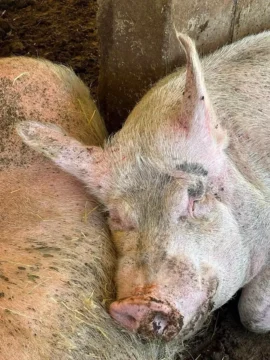
Some of you may remember the nine pigs we rescued from terrible conditions. They arrived needing safety, care, and time to heal. We are so grateful that they now have the chance to live the lives they deserve.
A Devastating Loss: Our Shelter and Everything We Built What happened to us in Ankara is something we are still struggling to put into words. A huge area of green land in Ankara was deliberately set on fire. We saw
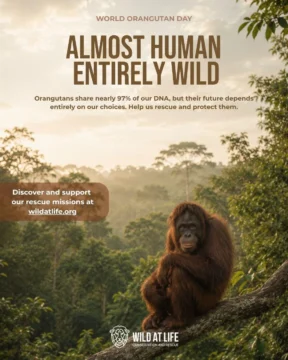
This World Orangutan Day, we stand with one of our closest and most vulnerable relatives. Orangutans are losing their forest homes to deforestation, habitat destruction, and the illegal wildlife trade, pushing these remarkable great apes closer to the brink. Wild
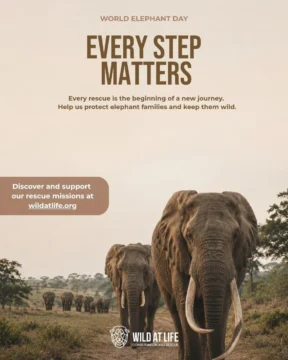
On World Elephant Day, we celebrate these magnificent and intelligent giants while shining a light on the urgent threats they face. Wild at Life is on the front lines, conducting vital elephant rescue missions and providing a safe haven through
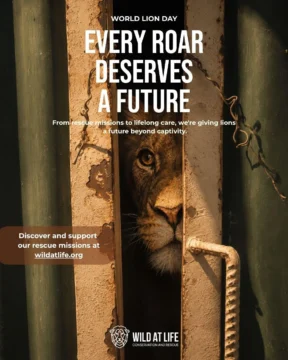
On World Lion Day, we celebrate the strength, beauty and spirit of one of the world’s most iconic animals. For more than a decade, Wild at Life has stood beside lions in some of the world’s most difficult places, working