News from the wild

Help Us Protect Türkiye´s Strays

Published on: March 12, 2025
Categories:
Tagged: # #

This week, Turkey implemented a new law imposing severe restrictions on pet ownership, making it nearly impossible for citizens to adopt stray animals. Under this regulation, individuals living in older buildings (with 5 to 15 apartments) can only adopt if every neighbor provides written consent. In larger housing complexes with more than 15 apartments, which are common in Turkey’s major cities, adoption is outright forbidden. Additionally, the law limits the number of pets per household to three, with all animals being microchipped and registered in an official database. While these rules may suggest that adoption is still possible in theory, the reality is different: for most people, adopting a stray is now legally impossible.

The situation became even more dire when, last night, a new regulation was published in the Official Gazette, going into effect immediately. This regulation completely bans adoptions of stray animals, not just for individuals but also for private sanctuaries. From now on, all stray dogs—and even cats if deemed necessary—will be rounded up and confined indefinitely in public shelters, where overcrowding and lack of resources make survival nearly impossible. Unlike before, there is no longer an option for adoption from these shelters.

Additionally, the new regulation forces the shutdown of unregistered private sanctuaries, which had been crucial in rescuing animals after the February law took effect. Most of these sanctuaries were established as emergency efforts to save strays, but now, with no legal permit, they will be closed, and their animals will be forcibly taken. Even legally registered shelters are not spared: if they exceed government-imposed capacity limits, their animals will also be confiscated.

These new measures have triggered outrage among animal rights groups, which have described the situation as a disaster for Turkey’s strays. The result is clear: with adoption banned and shelters overcrowded, thousands of animals face a grim fate.

Now, more than ever, we need help. As one of the last remaining sanctuaries, we are doing everything we can to protect the animals in our care. But we cannot do this alone. Donations are critical to keeping our shelter running—providing food, medical care, and safety for those we can still save. Every contribution matters, whether through financial support, supplies, or spreading awareness of this tragedy.
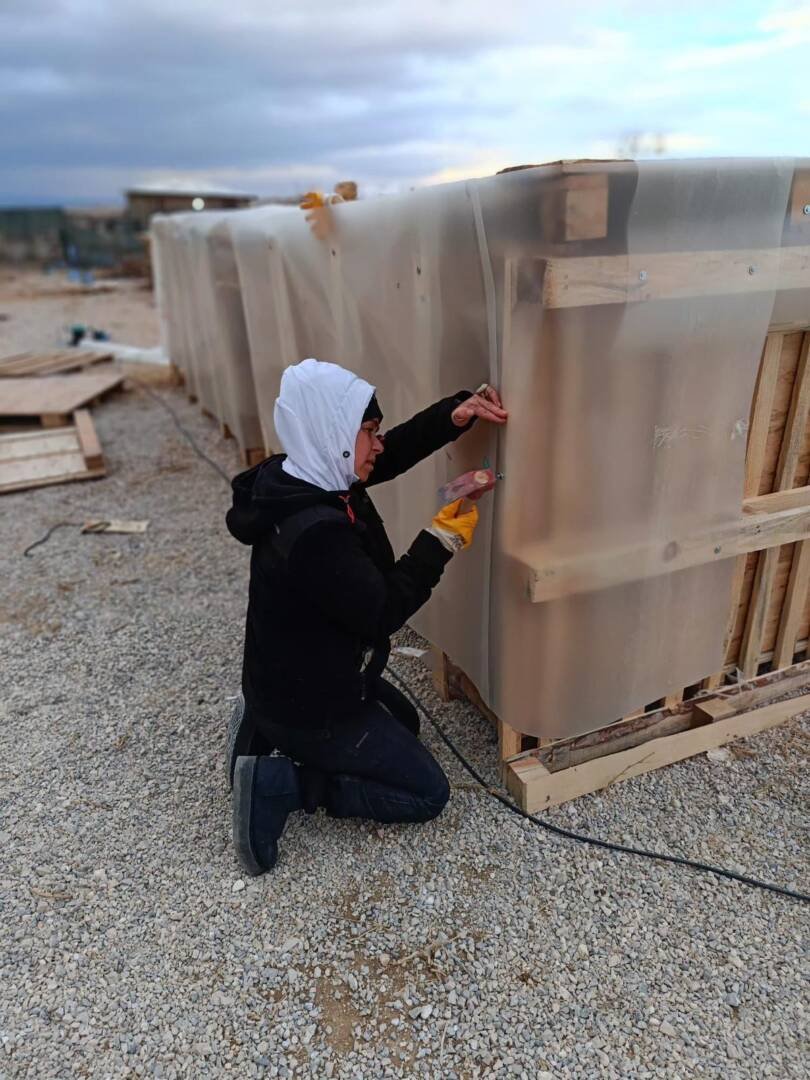
Our Efforts

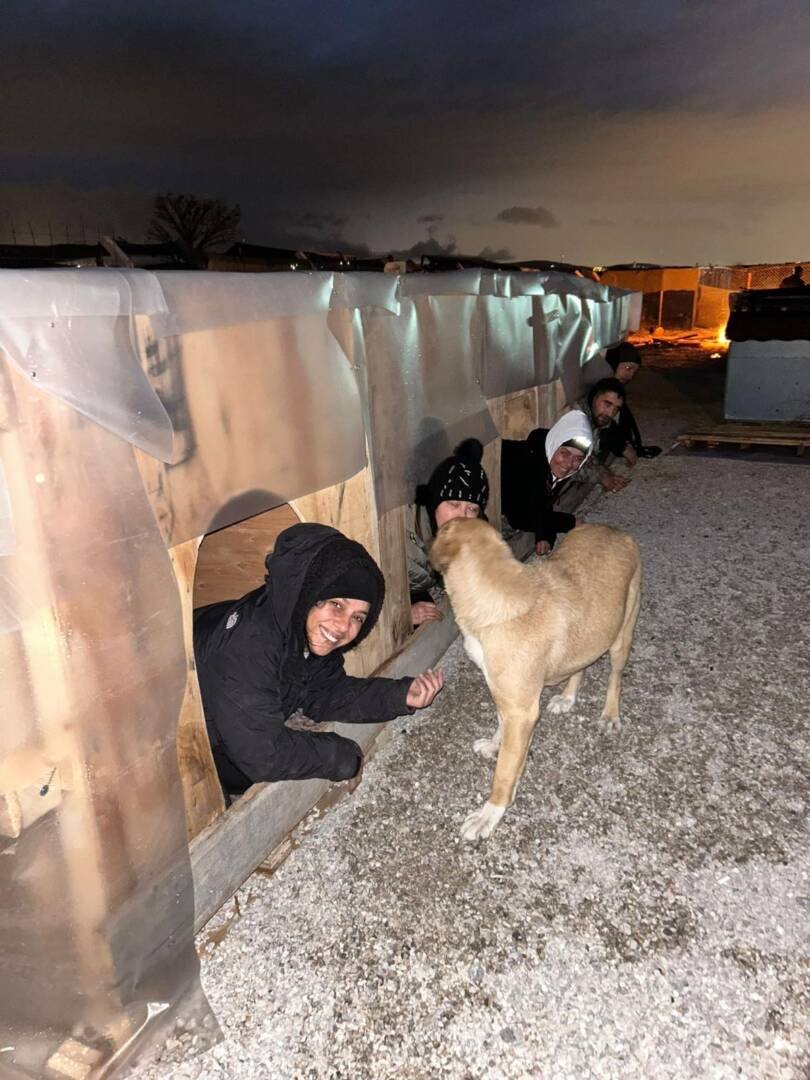
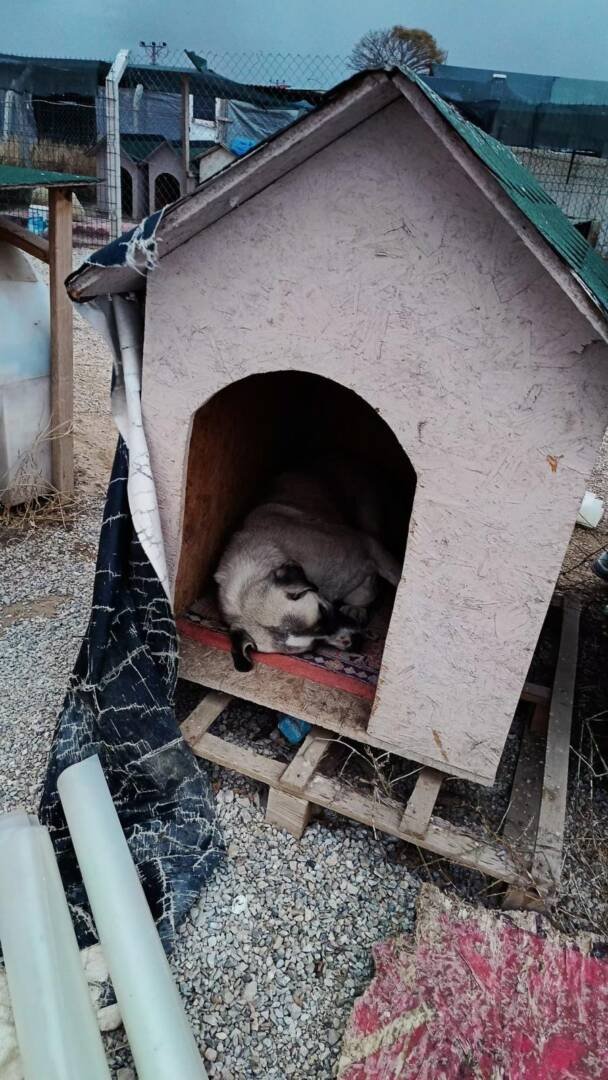
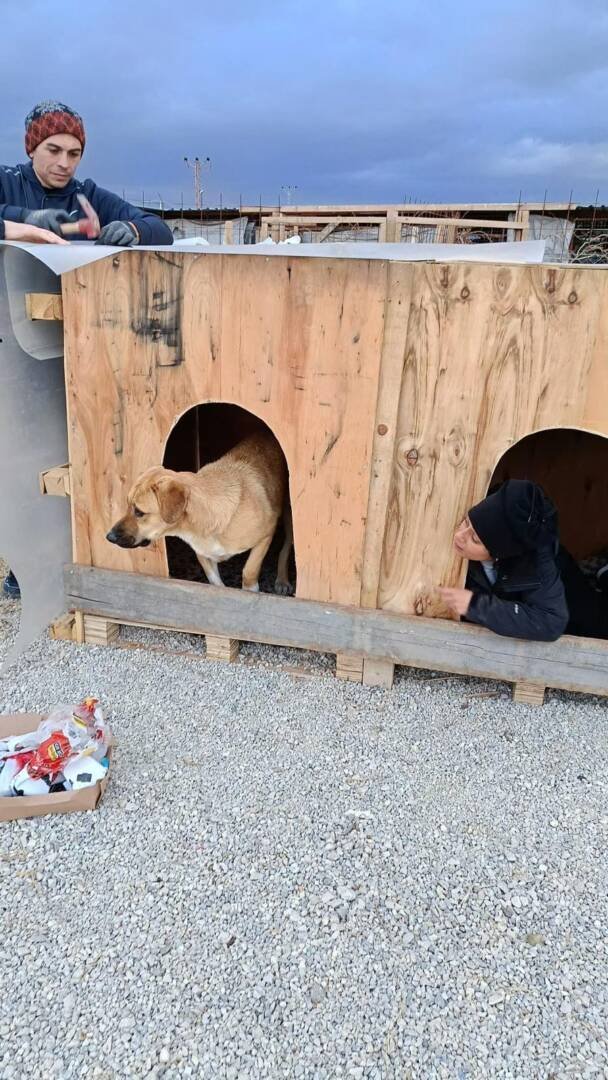
With this new law, the need for shelters like ours has increased, showing how important it is for communities to come together and help animals in need. Our shelter is not just a safe space, but a symbol of what can be achieved when people work together. Because of this, we’ve built several more shelters to care for even more stray animals.

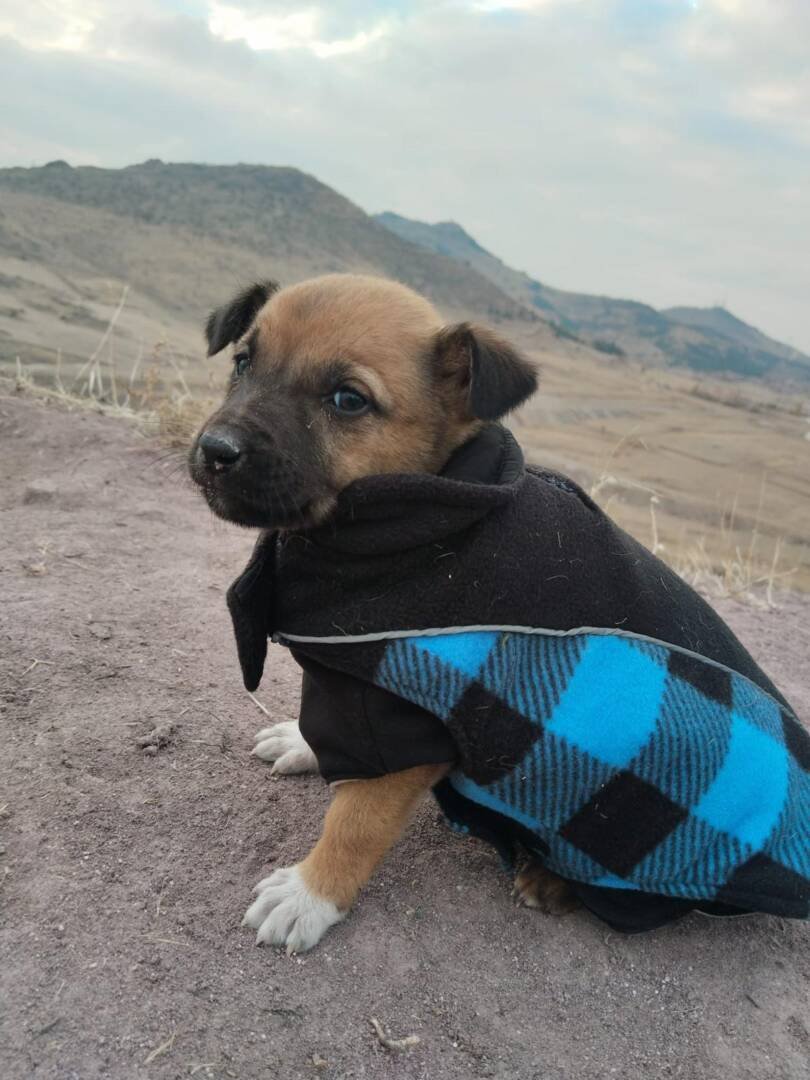
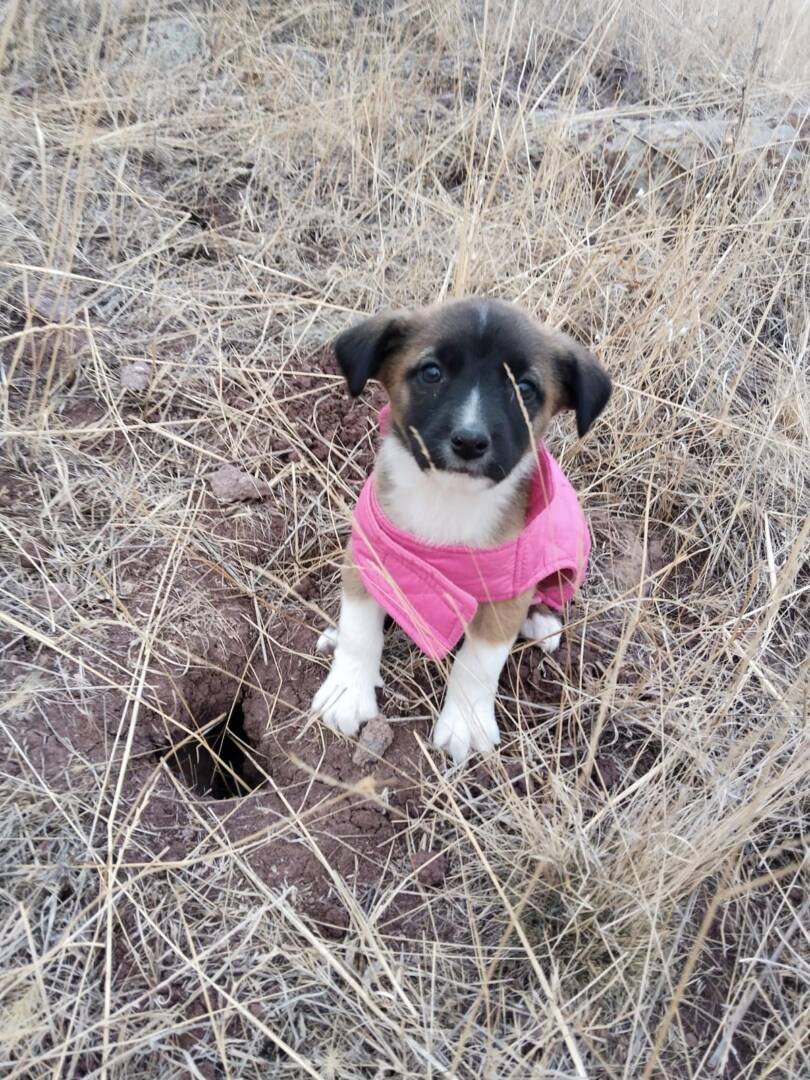
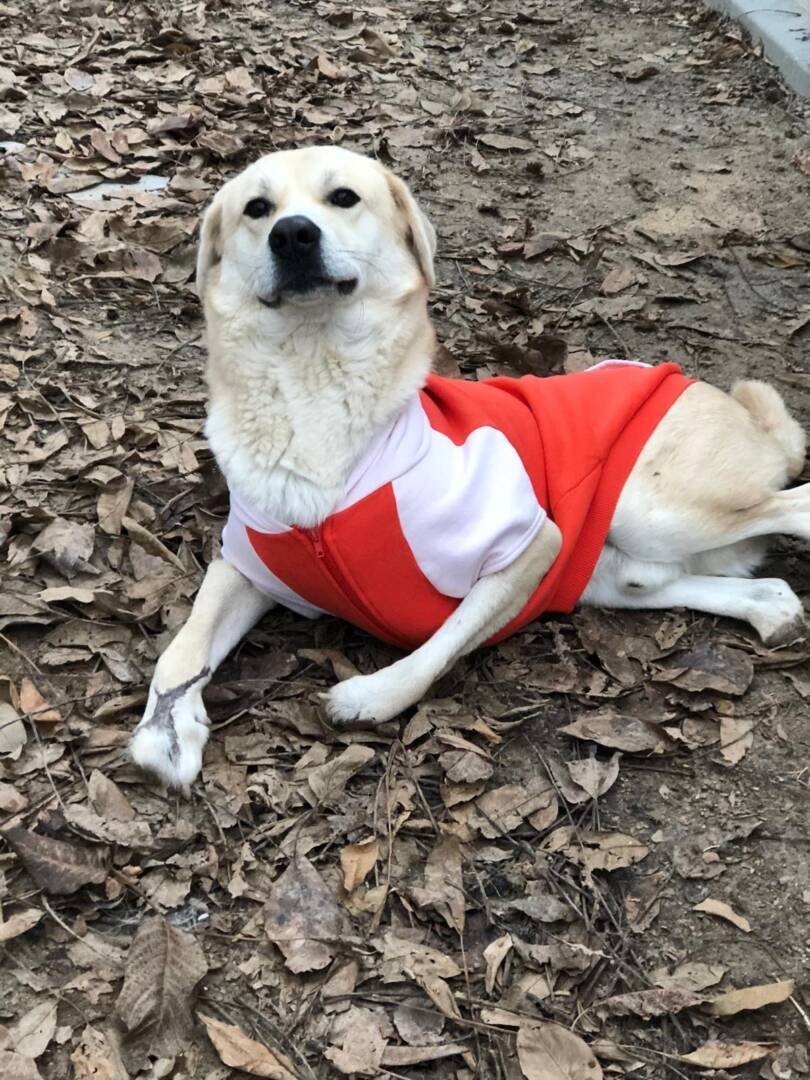
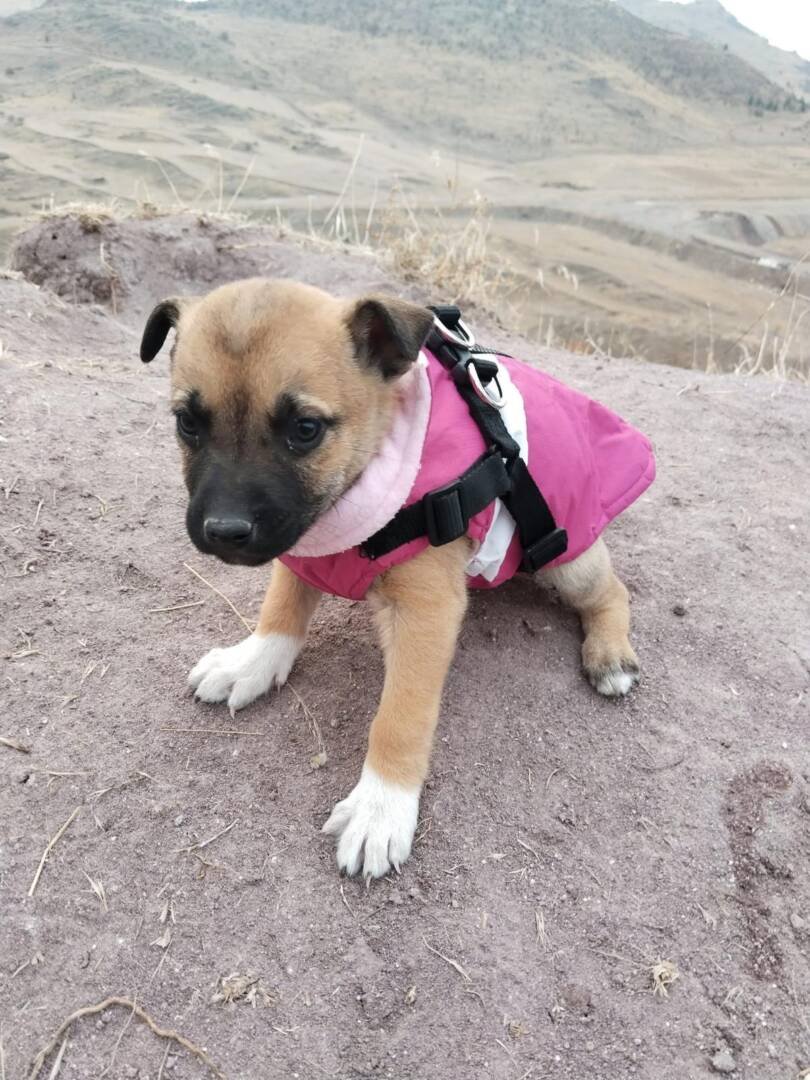
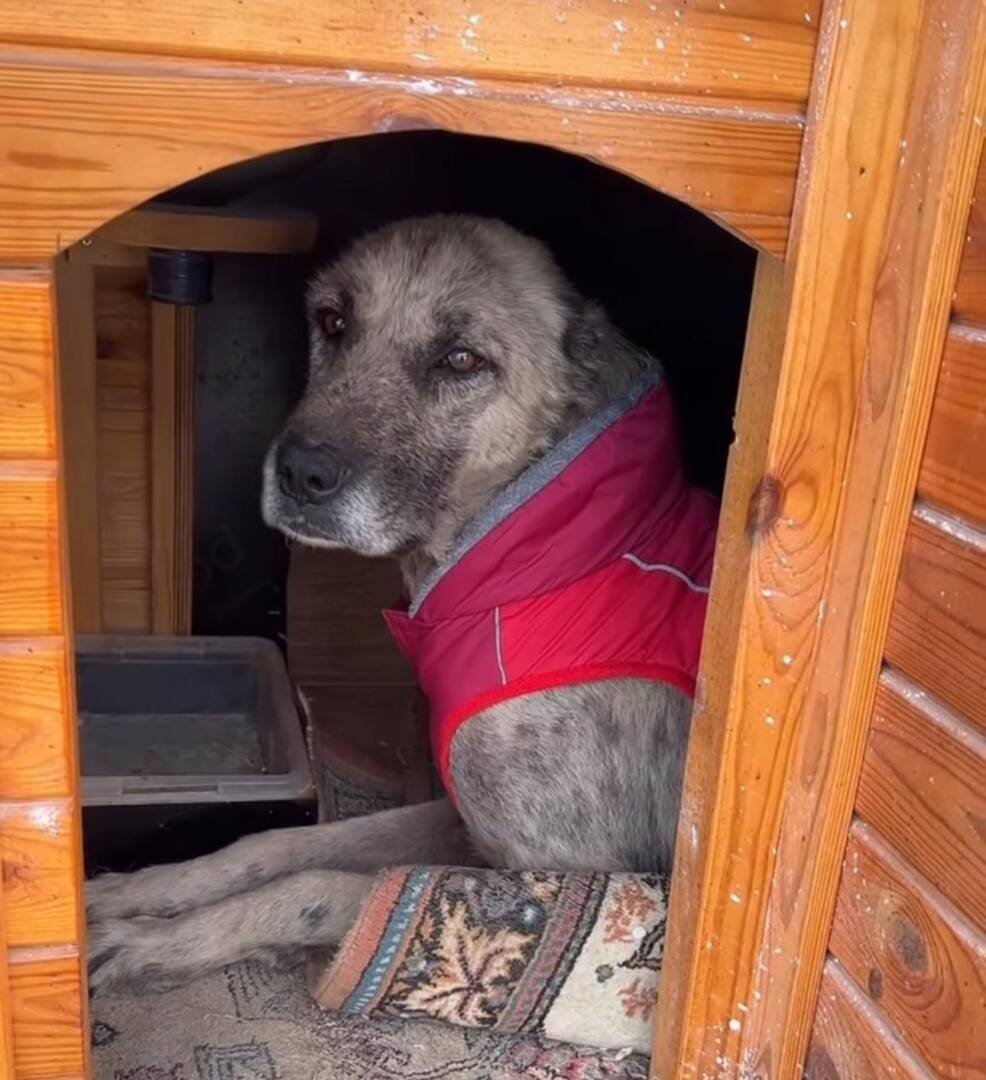
We also run our “Give a Coat to a Stray” program, providing warmth and protection to strays who face the harsh winter season. This initiative helps keep them safe during the cold months and shows how small acts of kindness can make a big difference. They are so grateful for everything!

Spread the news!

Help us increasing social commitment in saving endangered wild species. Express your support by sharing this article in your favorite social media channel.

Facebook
Twitter
LinkedIn
Pinterest
WhatsApp
Email

You may also like...

Share this story!

Update from Sri Lanka – Stray Animal Work on the Ground

June 3, 2026

Every year we return to Sri Lanka with the same purpose: to help as many stray and abandoned animals as we can. This year, we brought over 70kg of supplies, including food, medicines, deworming treatments, dog treats, and basic veterinary

Share this story!

A Safe Future for Rescued Sea Turtles

May 26, 2026

Every year, countless baby sea turtles face overwhelming odds from the moment they are laid, with nests threatened by predators, flooding, pollution, poaching, and human disturbance along vulnerable coastlines. Wild at Life works tirelessly to protect these fragile beginnings by

Share this story!

Mission Caita – still on the ground

May 2, 2026

Chimpanzees are incredibly close to us.They live in complex social groups, form lifelong bonds, and experience emotions in ways that are deeply familiar — trust, fear, grief, connection. This is exactly what makes wildlife trafficking so devastating. What we see

Share this story!

One Voice Against Wildlife Crime

May 1, 2026

We are proud to share our latest contribution to advancing international efforts to combat wildlife crime and broader environmental offences. As a member of the Global Initiative to End Wildlife Crime (EWC), we have joined 103 organizations in calling on

Share this story!

Unregulated Squid Fishing in the Northwest Indian Ocean

April 5, 2026

Unregulated industrial squid fishing in the northwest Indian Ocean has grown into a serious ecological and socio-economic crisis—and it is one we at Wild at Life e.V. have been documenting for years.

Share this story!

Rhino Monitoring Update

March 14, 2026

Protecting rhinos requires constant monitoring, strong partnerships, and long-term commitment. Through our Rhinoceros Conservation and Rescue Project, Wild at Life e.V. works together with dedicated conservation partners on the ground in South Africa to protect endangered white rhinoceroses and their

Search for more