Wild At Life Project

From Lost to Loved: Rescuing the Strays

Unwanted dogs and cats

Activity status: Ongoing
Area of Activity: Turkey, Sri Lanka
Tagged: # # #

Türkiye is known for its beautiful dogs and cats cohabiting with the people for centuries. Unfortunately today, the strays of Türkiye and Sri Lanka cannot keep up with the country’s disproportionate and hasty urban development, turning them to unwanted or abandoned animals.

Wild at Life e.V. is continuously pursuing rescue operations for the strays in Türkiye, aiming to save dogs and cats from the busy capital city as well as rural and forsaken areas of the overpopulated country.

Our routine is, in order of preference, as follows:

  1. Feeding them daily
  2. Caring for the injured ones and supply of prostheses
  3. Spay and neuter
  4. Re-homing of the young ones
  5. Re-homing of the handicaps
  6. Re-homing of the grownups
  7. Temporary house fostering
  8. Relocating them to pet hostels
  9. Relocating them into veterinary custody
  10. Relocating them into safer zones (parks, gardens, private shelters)
  11. Rehoming overseas

We established this plan by taking into account time and cost efficiency. For instance, although rehoming them overseas is the preferred option, the costs and time are way above the predictions. Aside from the cost, another problem is the assistance from permanent field officers. Considering the country’s worsening economic crisis, volunteering jobs are not always an option. Moreover, the crime rate is noticeably increasing in suburban areas, which affects strays in terms of physical injury, rheumatism, slaughtering, sadistic acts, amputation, rape, kidnaps and dog fights.

Wild at Life e.V. is proud to state that our male and female field officers are bold, loyal, well-trained, and apt to fight back in case of emergency.

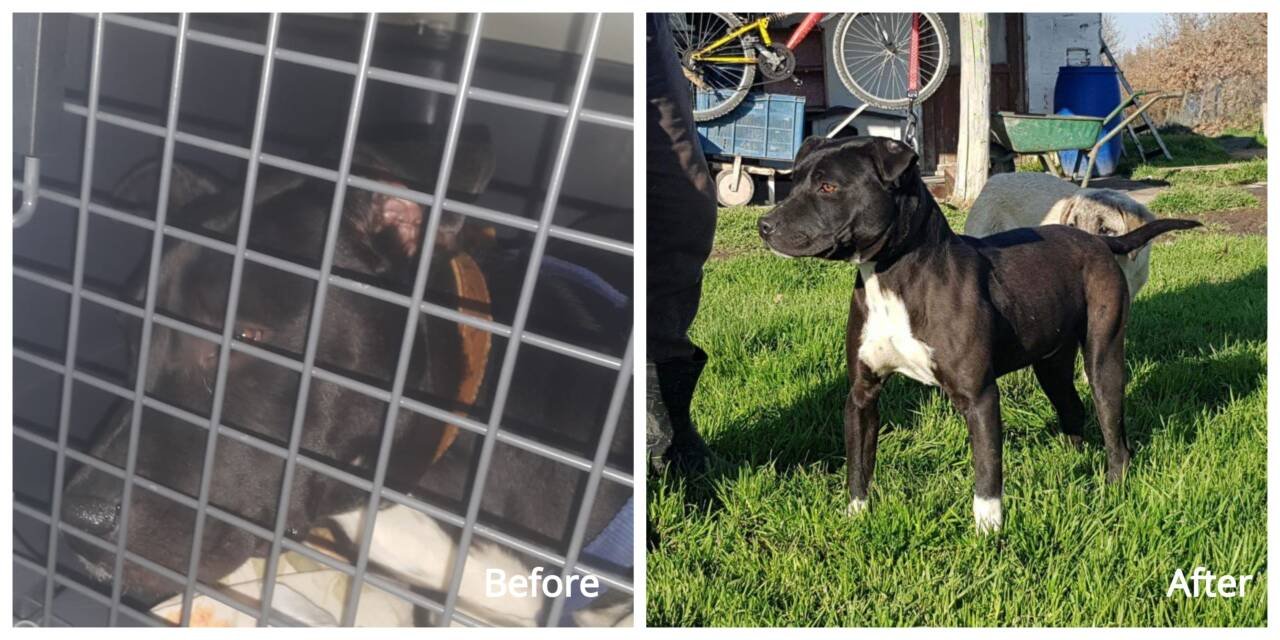
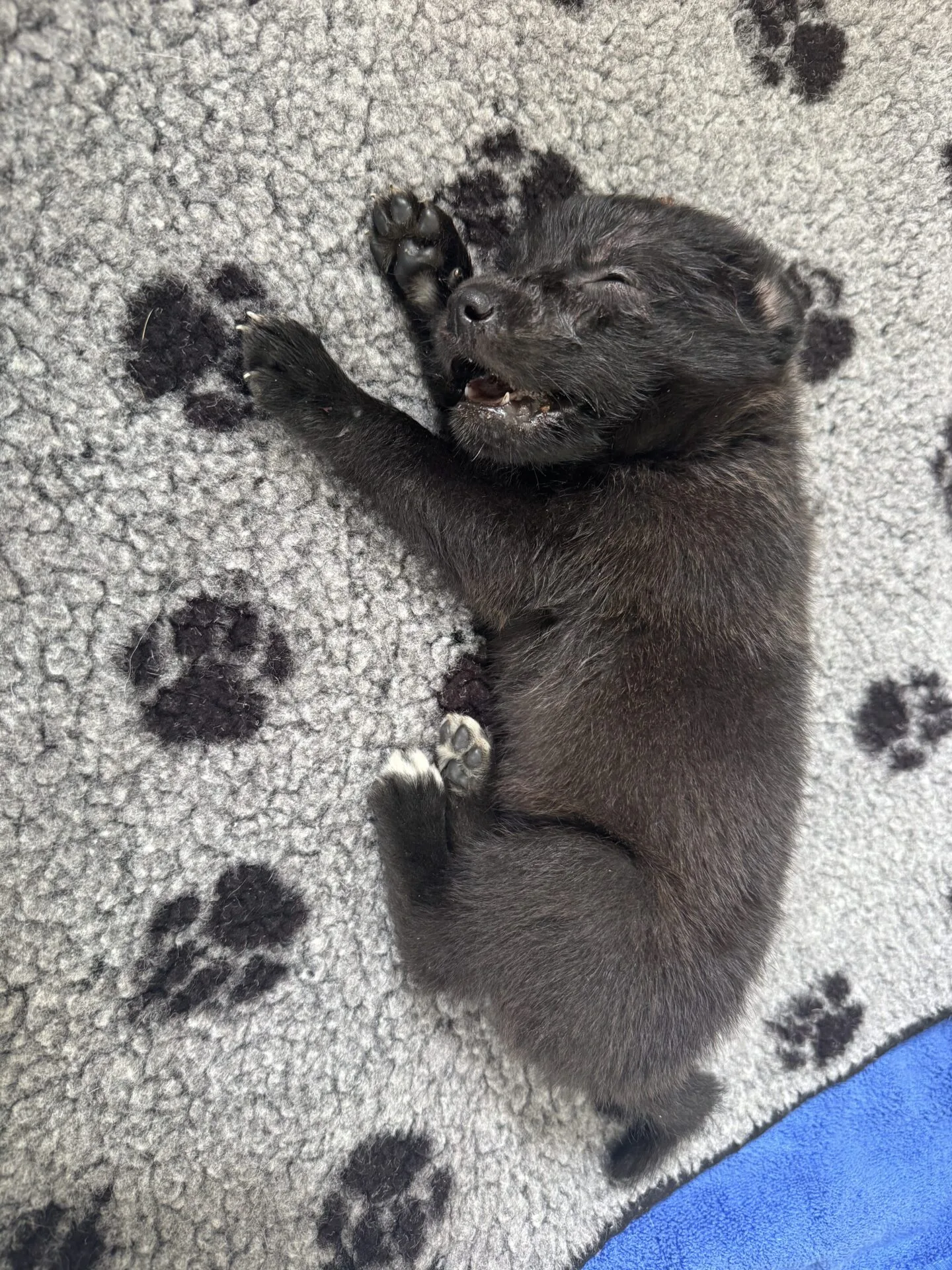
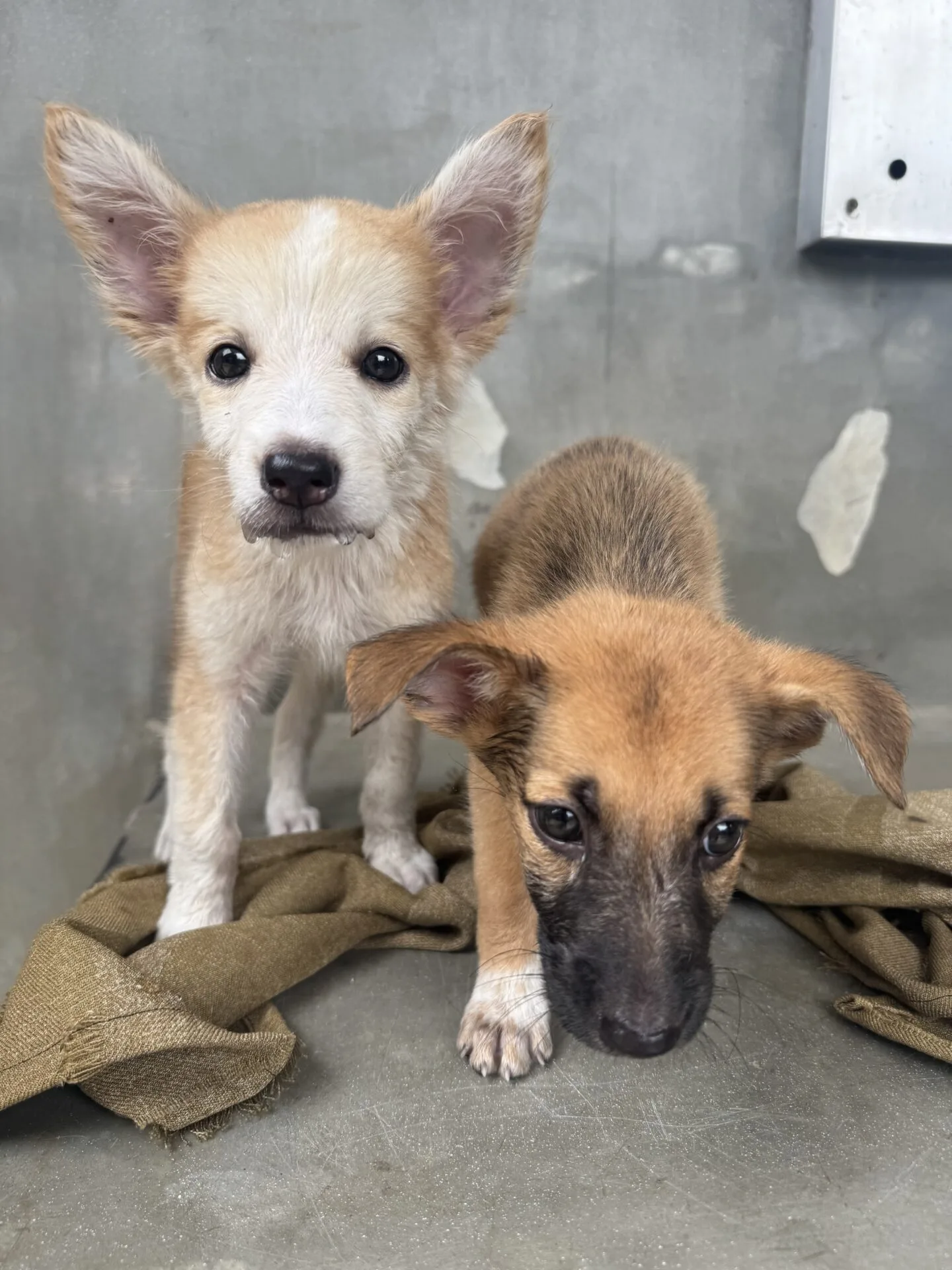
Pictures of the strays we have saved and re-homed, before and after:

From the streets to a loving home!

Before we are able to put these strays up for adoption,

we need to rescue and nurse them back to health. With that, comes with expenses. Your support is essential for us to continue.

Thank you for giving love to these beautiful strays!

Update: June 3, 2026

Update from Sri Lanka – Stray Animal Work on the Ground

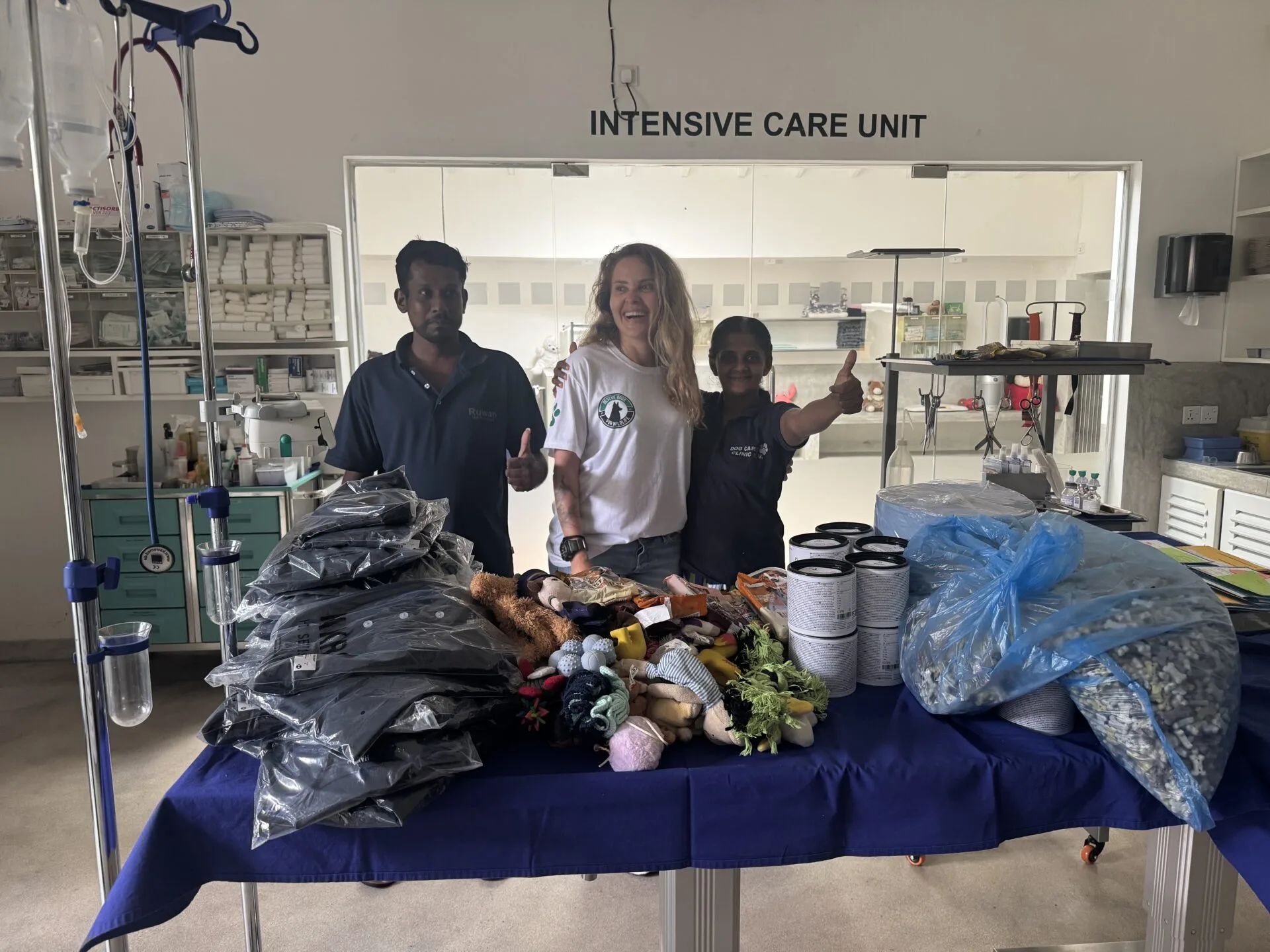
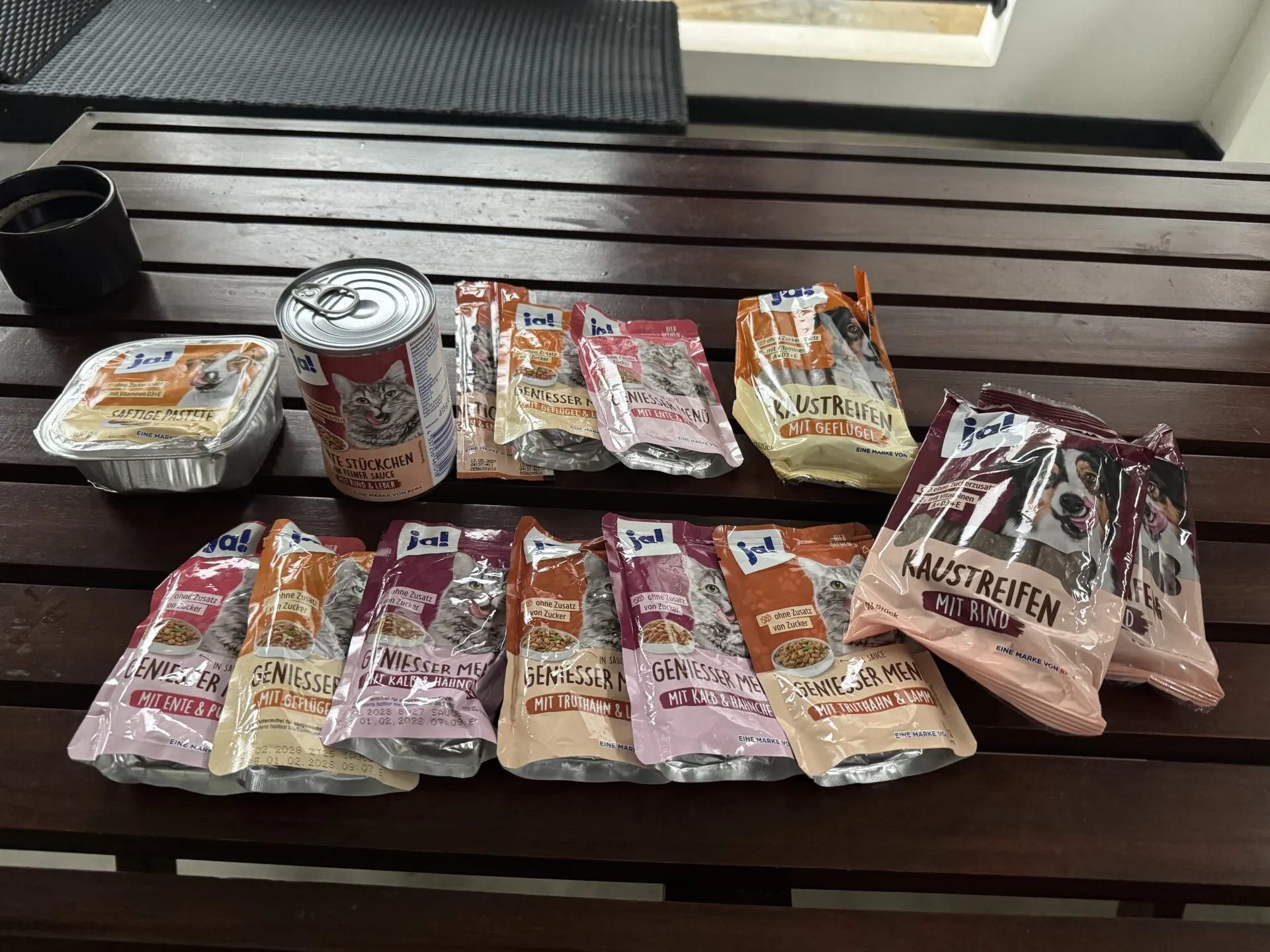
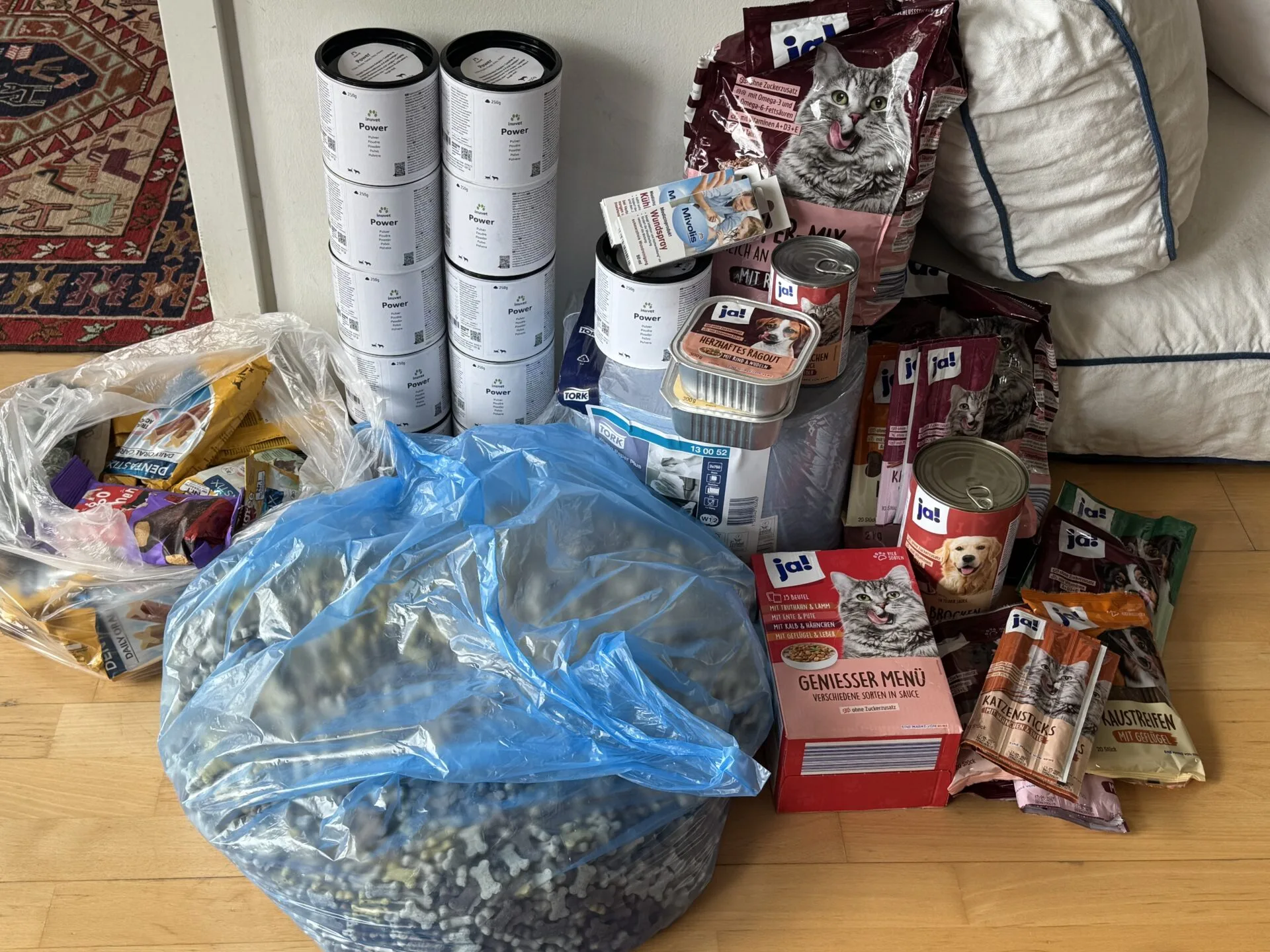
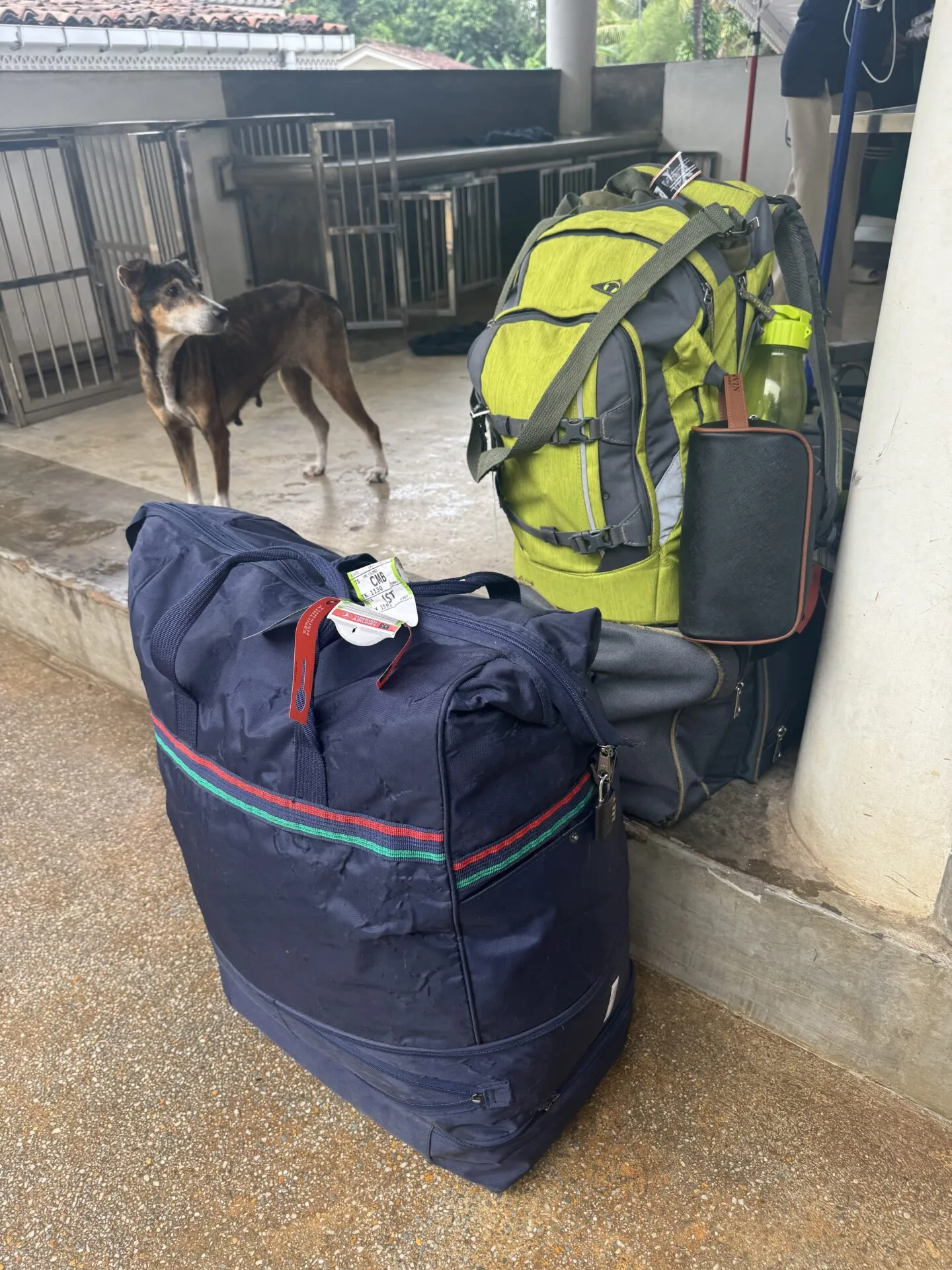
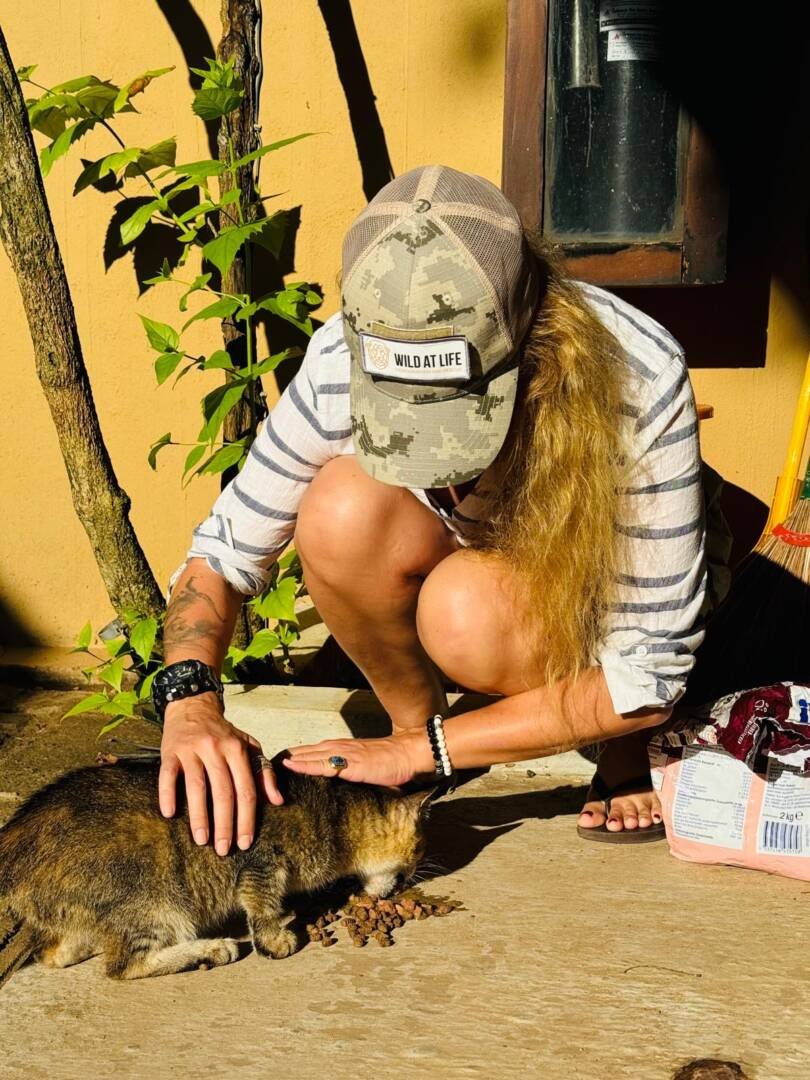
Every year we return to Sri Lanka with the same purpose: to help as many stray and abandoned animals as we can. This year, we brought over 70kg of supplies, including food, medicines, deworming treatments, dog treats, and basic veterinary supplies used during sterilisation and vaccination work. These were distributed between our rescue base and the work carried out with our partner organisation, DCC.

Our rescue animals

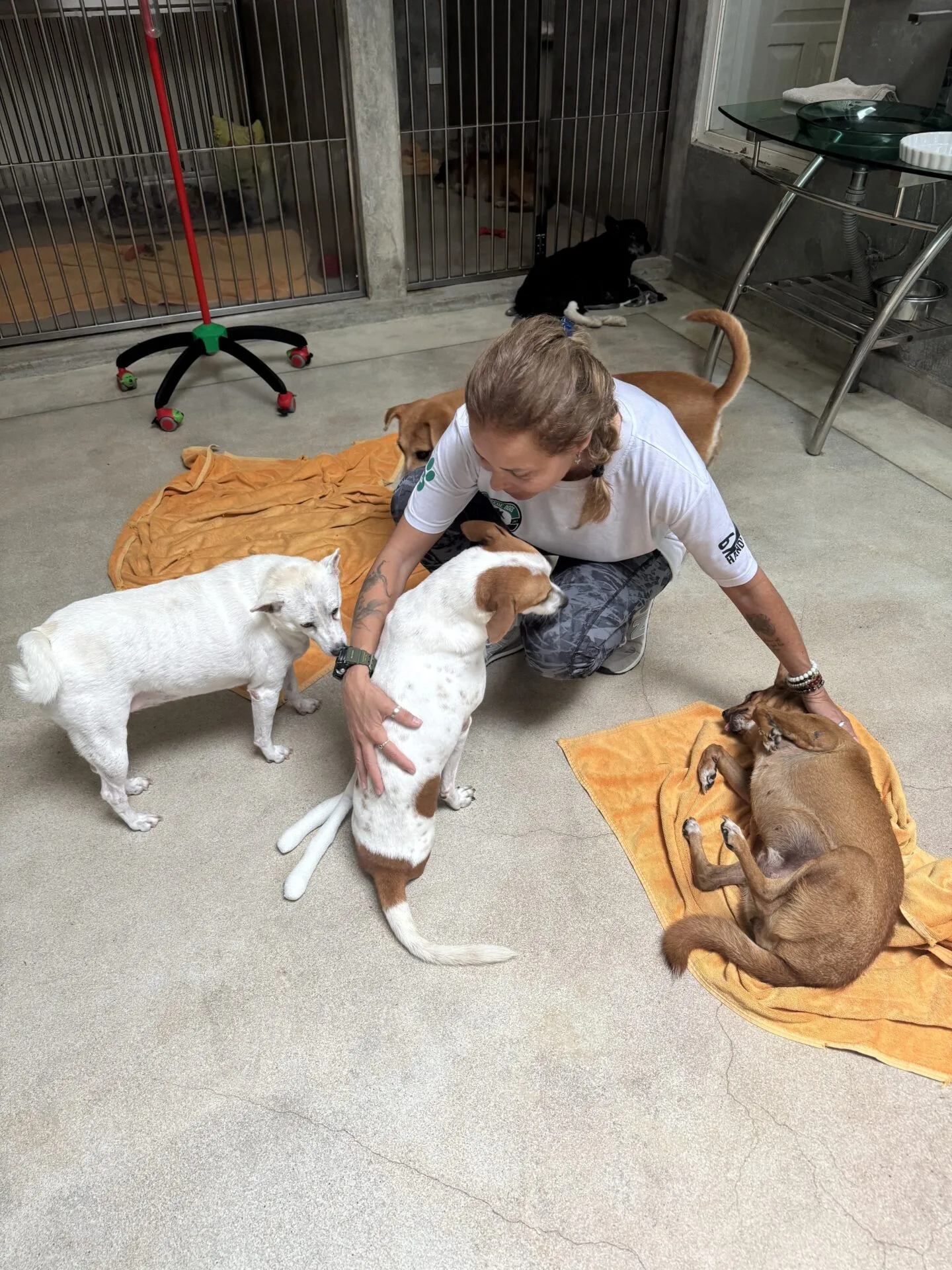
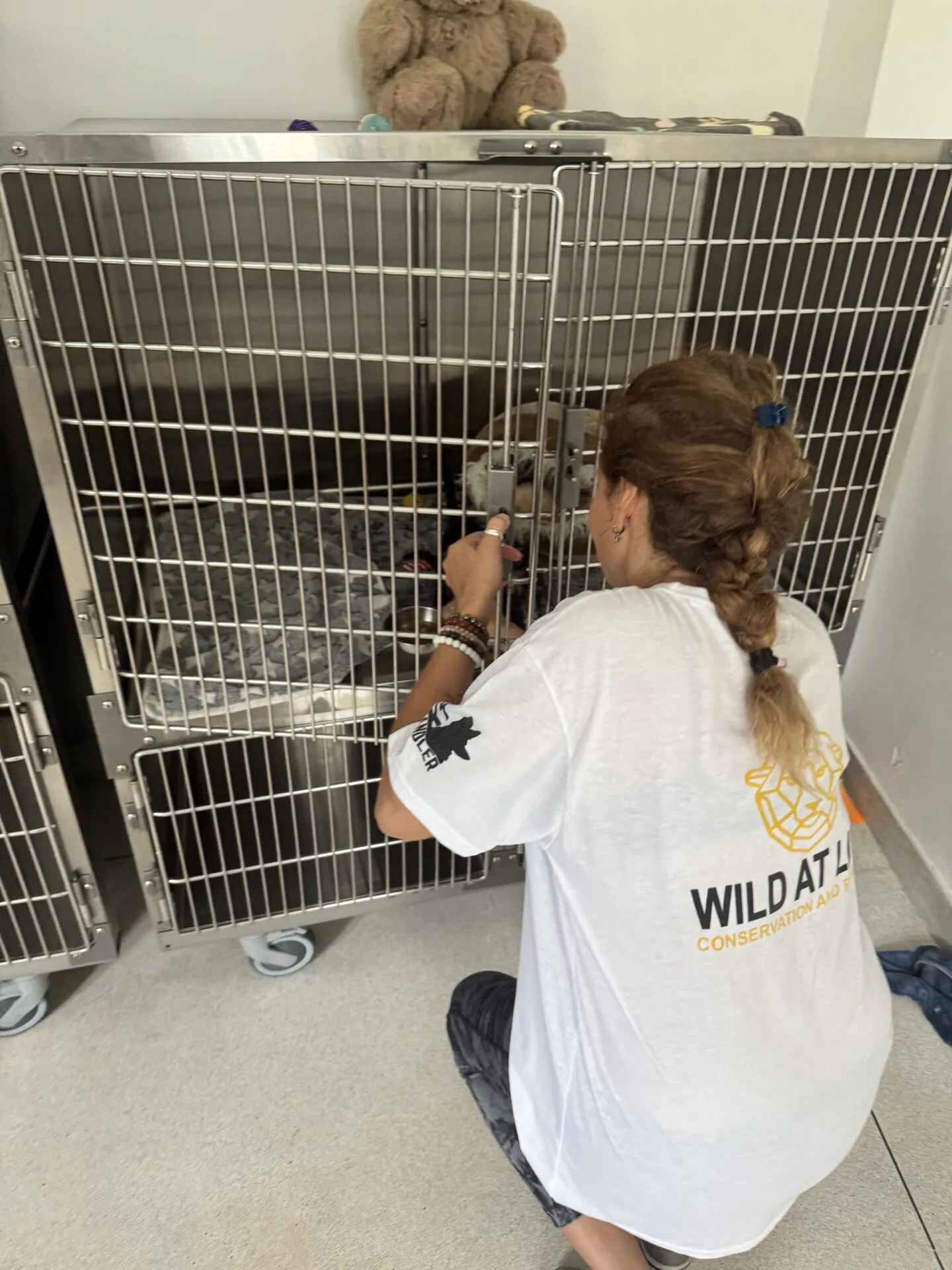
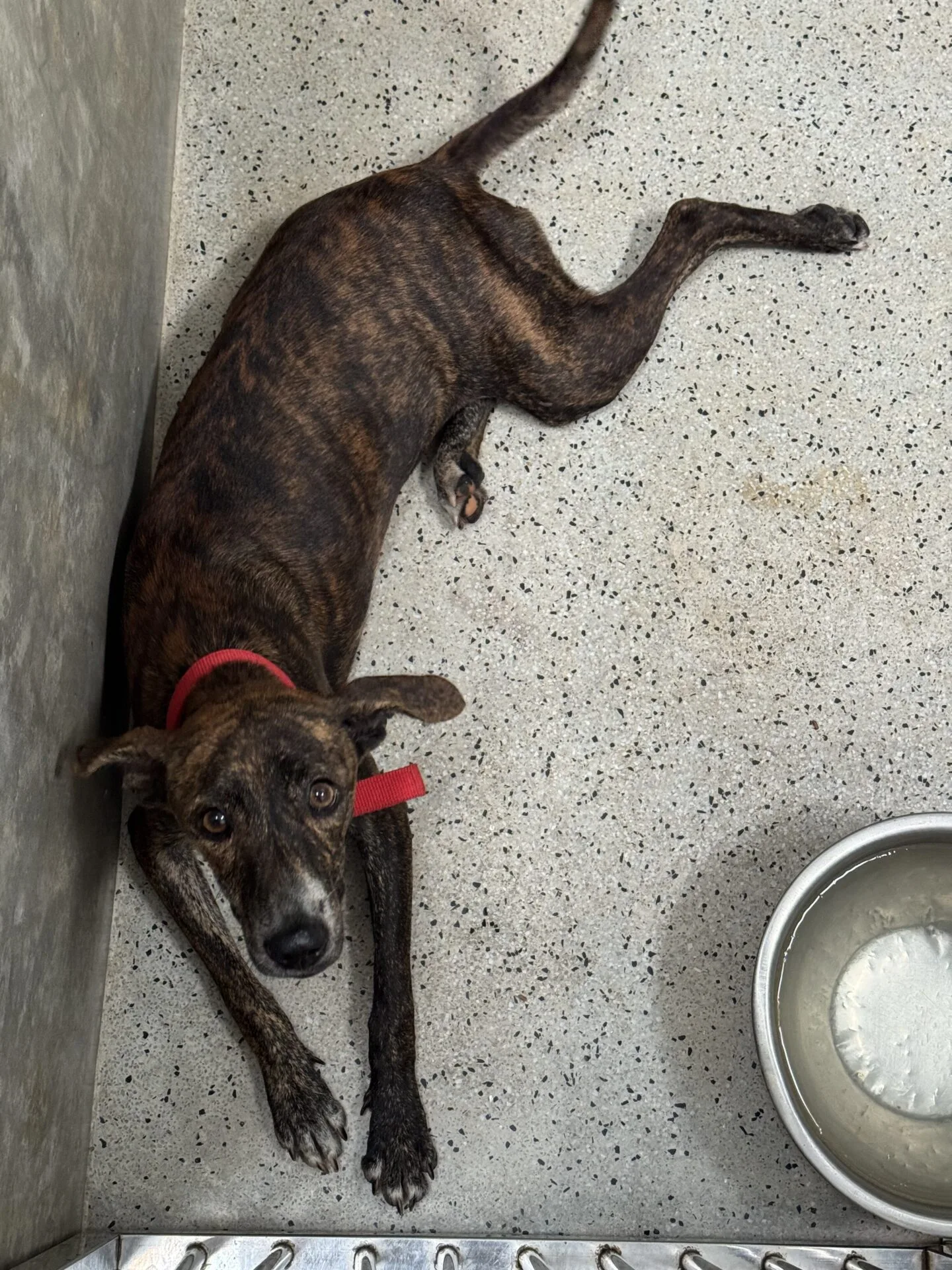
At our base, we currently care for a group of rescue dogs as well as a cat. Part of our routine work each year is ensuring their health care is kept up to date while we are on site.

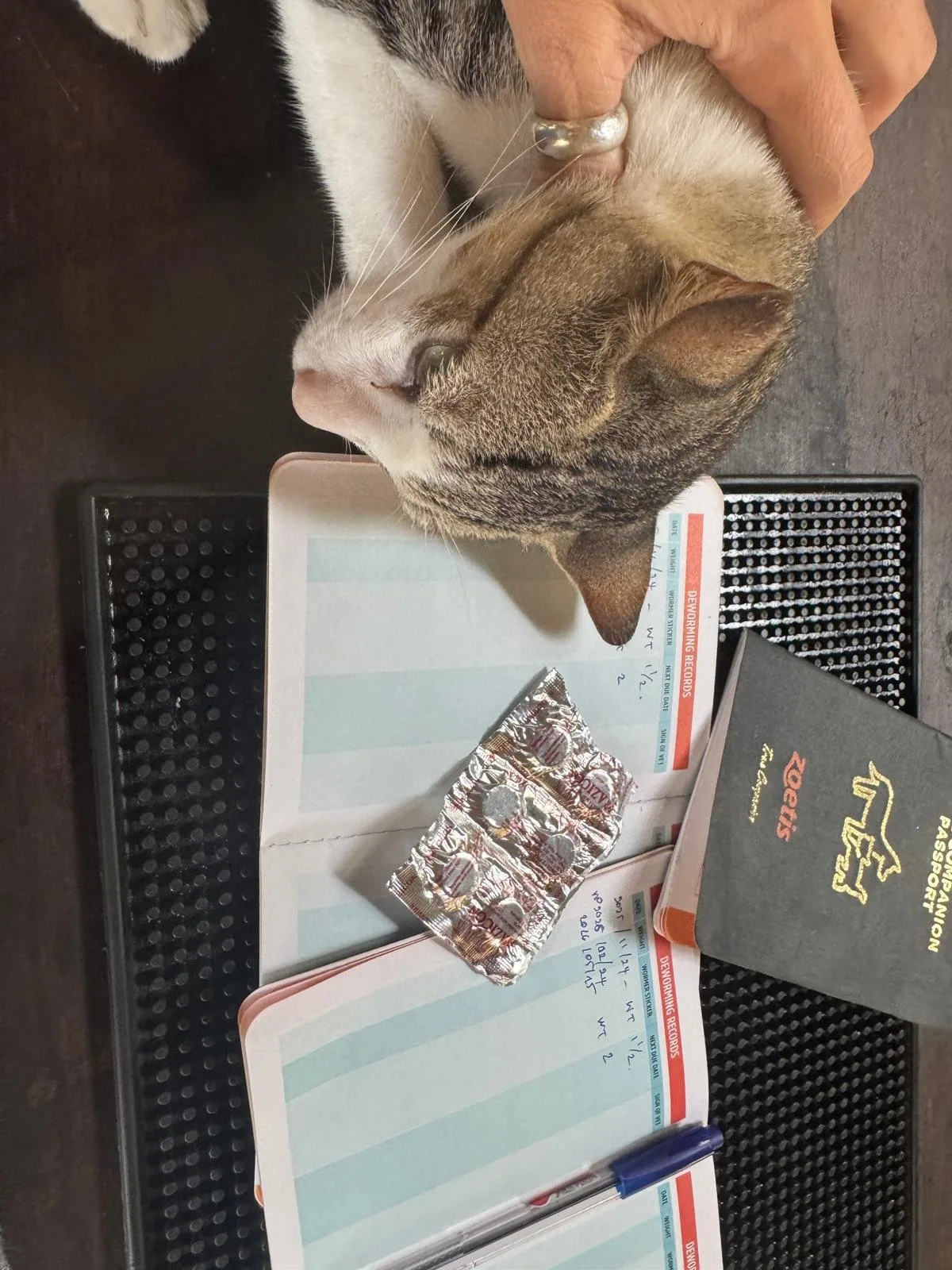
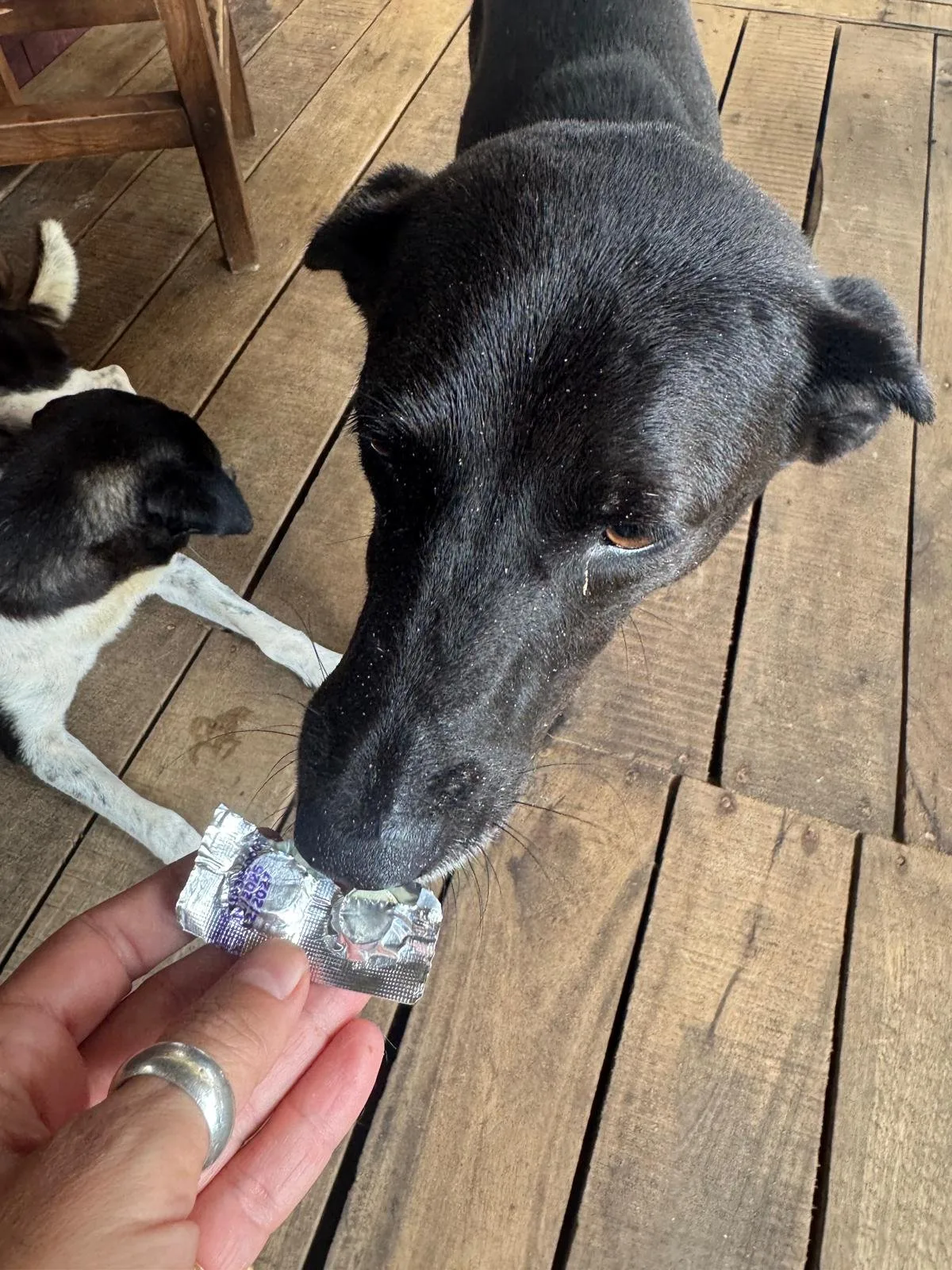
This visit, we brought food supplies specifically for the dogs and carried out their annual deworming treatment. This is something we do regularly to maintain their health, as parasitic infections are common in the area.

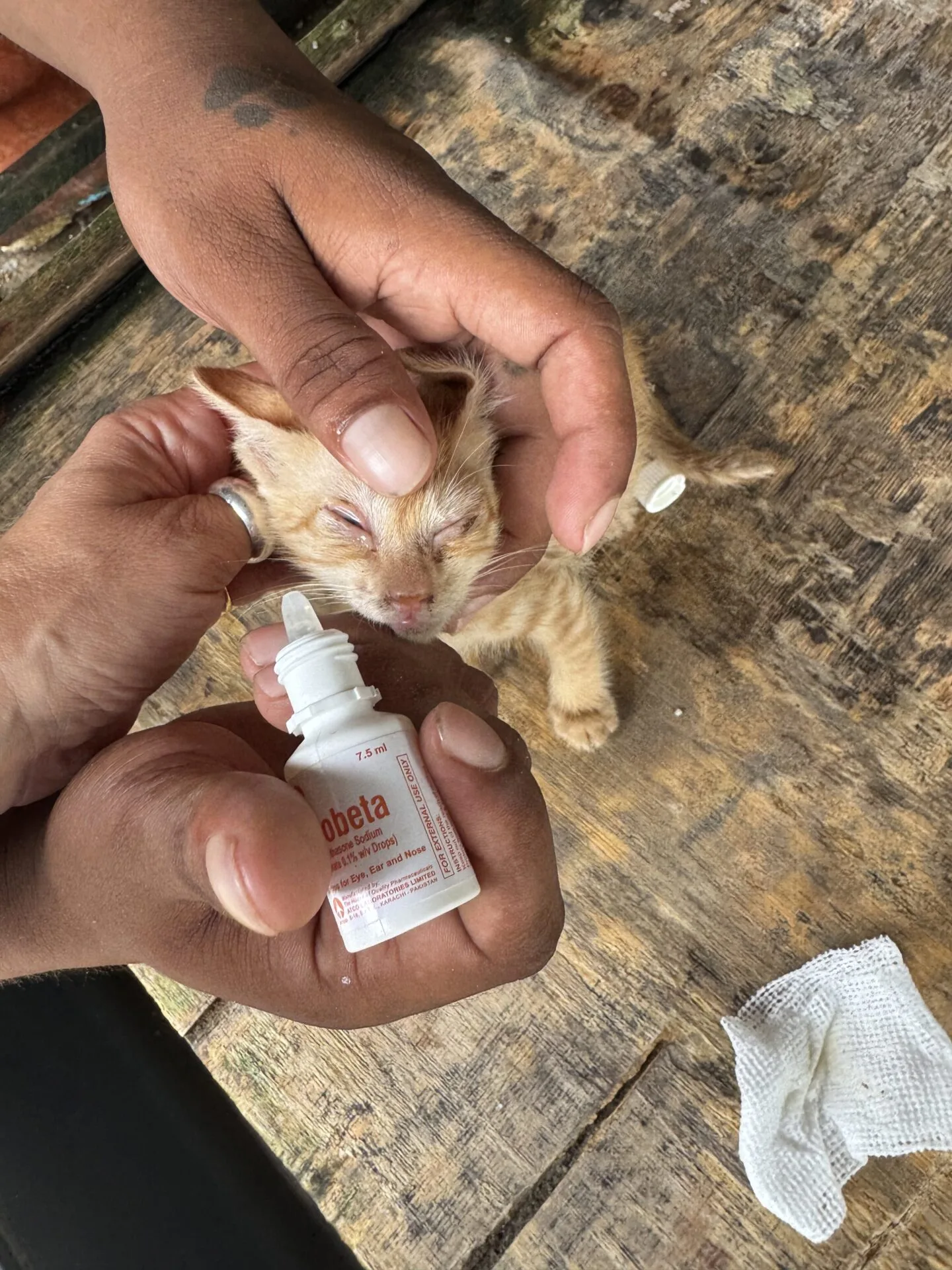
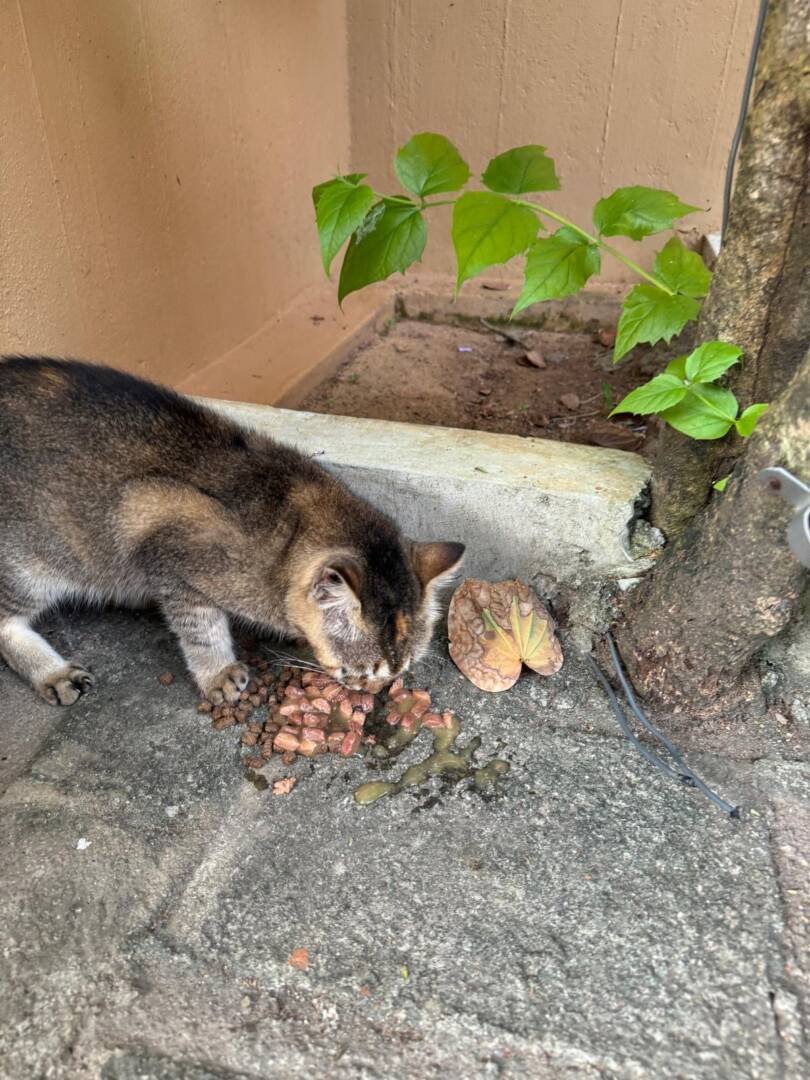
We also have a new cat in our care. At first, we assumed she was female and named her Samantha. After a closer check during routine care, it turned out that Samantha is actually male. He has now received deworming treatment and initial preventative care and is settling into the environment.

While these animals are no longer in immediate danger, they remain part of our ongoing responsibility and are cared for consistently during our time in Sri Lanka.

Work with DCC

A significant part of our work was carried out alongside our German partner organisation, DCC. Their team operates continuously in the region, and our visits support both their ongoing programmes and specific field days where additional capacity is needed.. We provided them with medicines and dog treats brought from Europe and worked directly with their team during daily field operations.

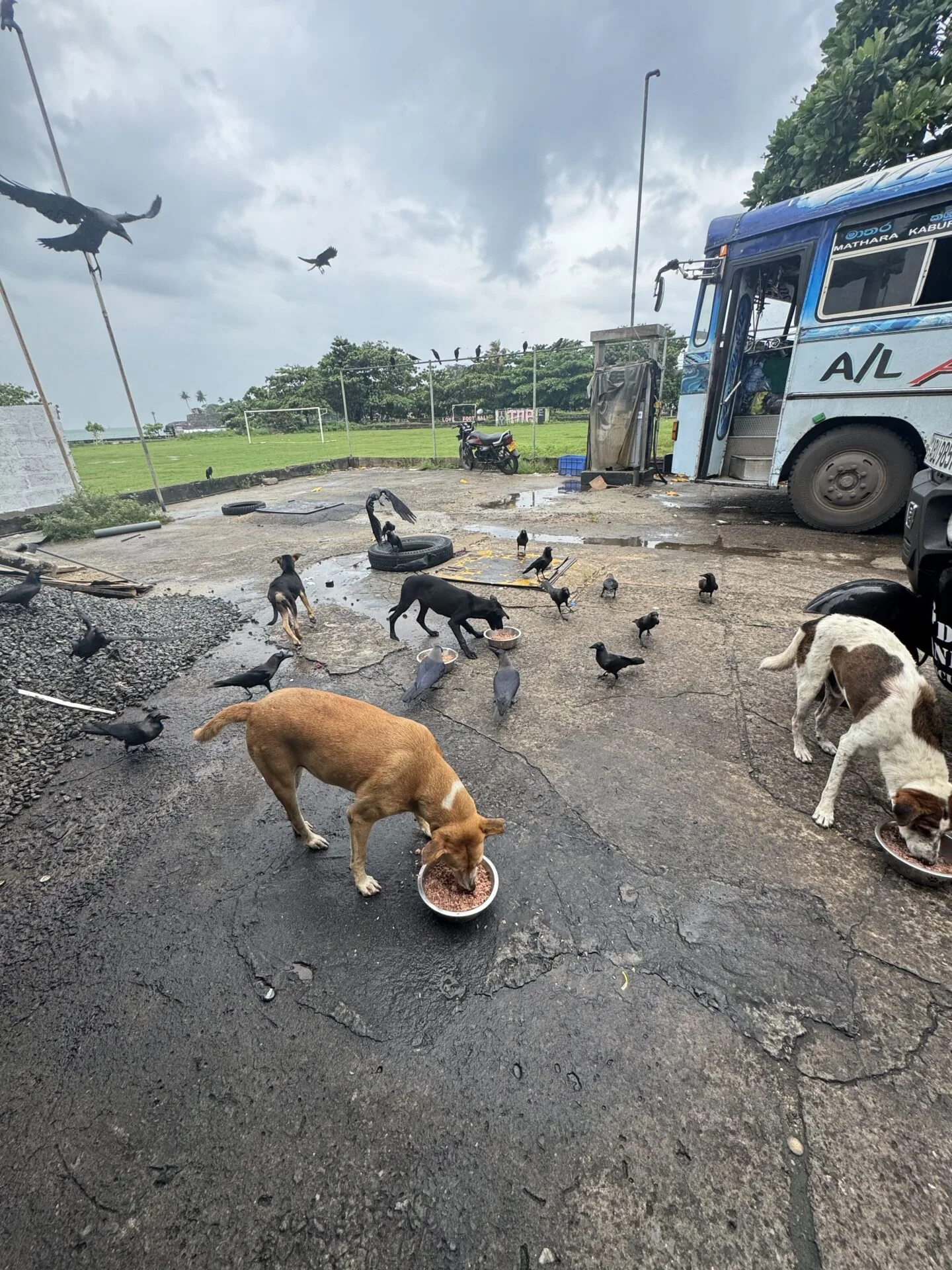
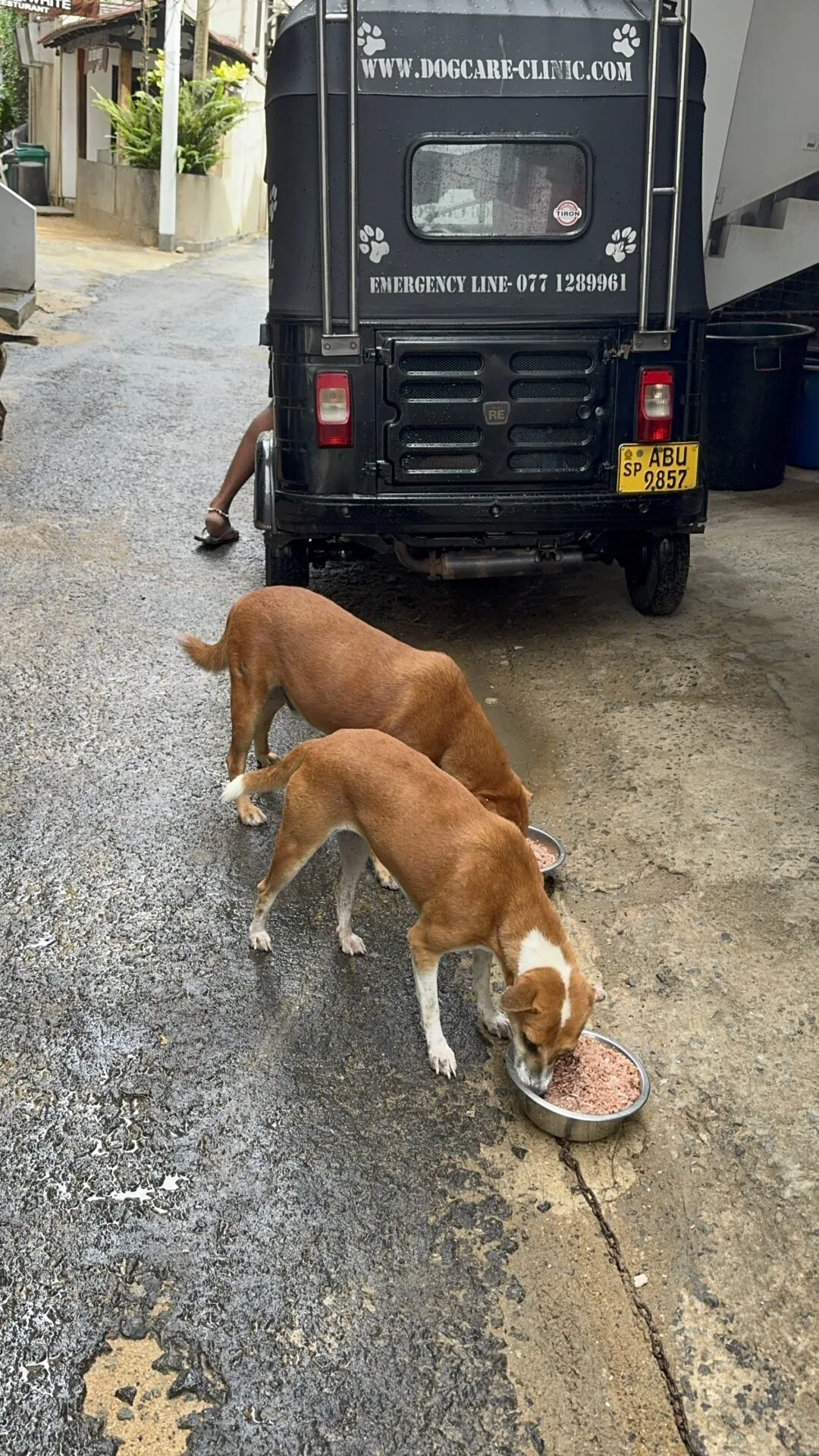
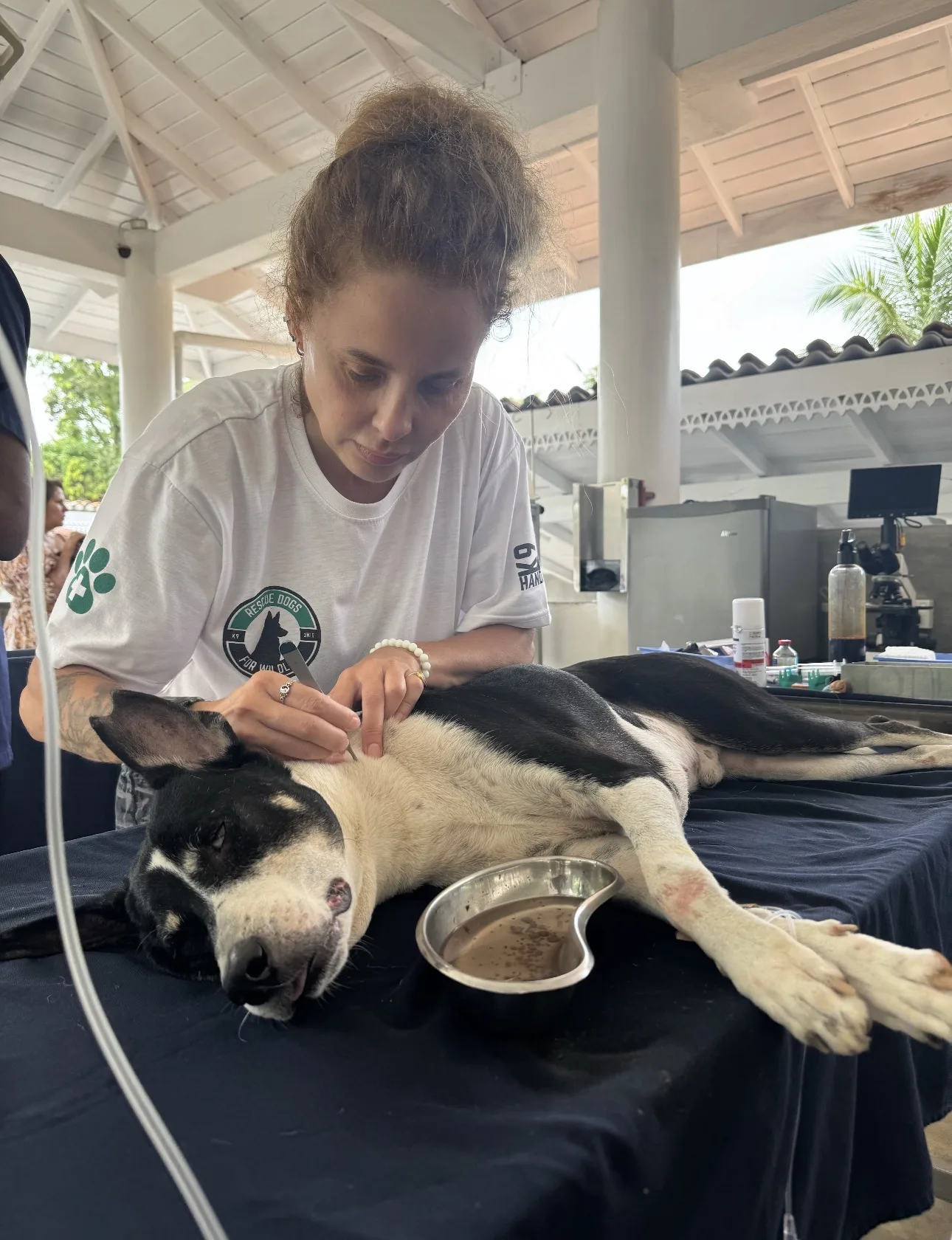
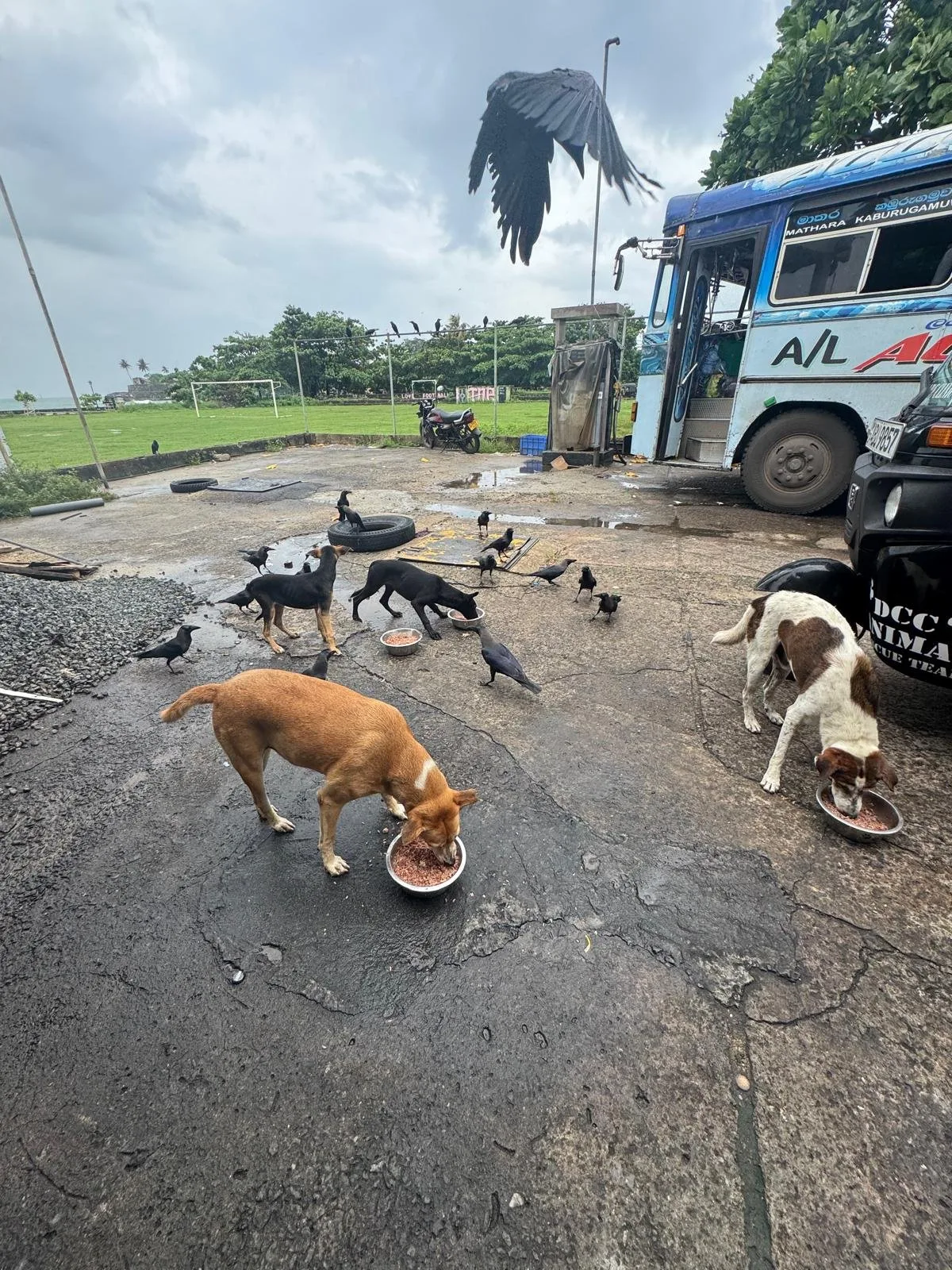
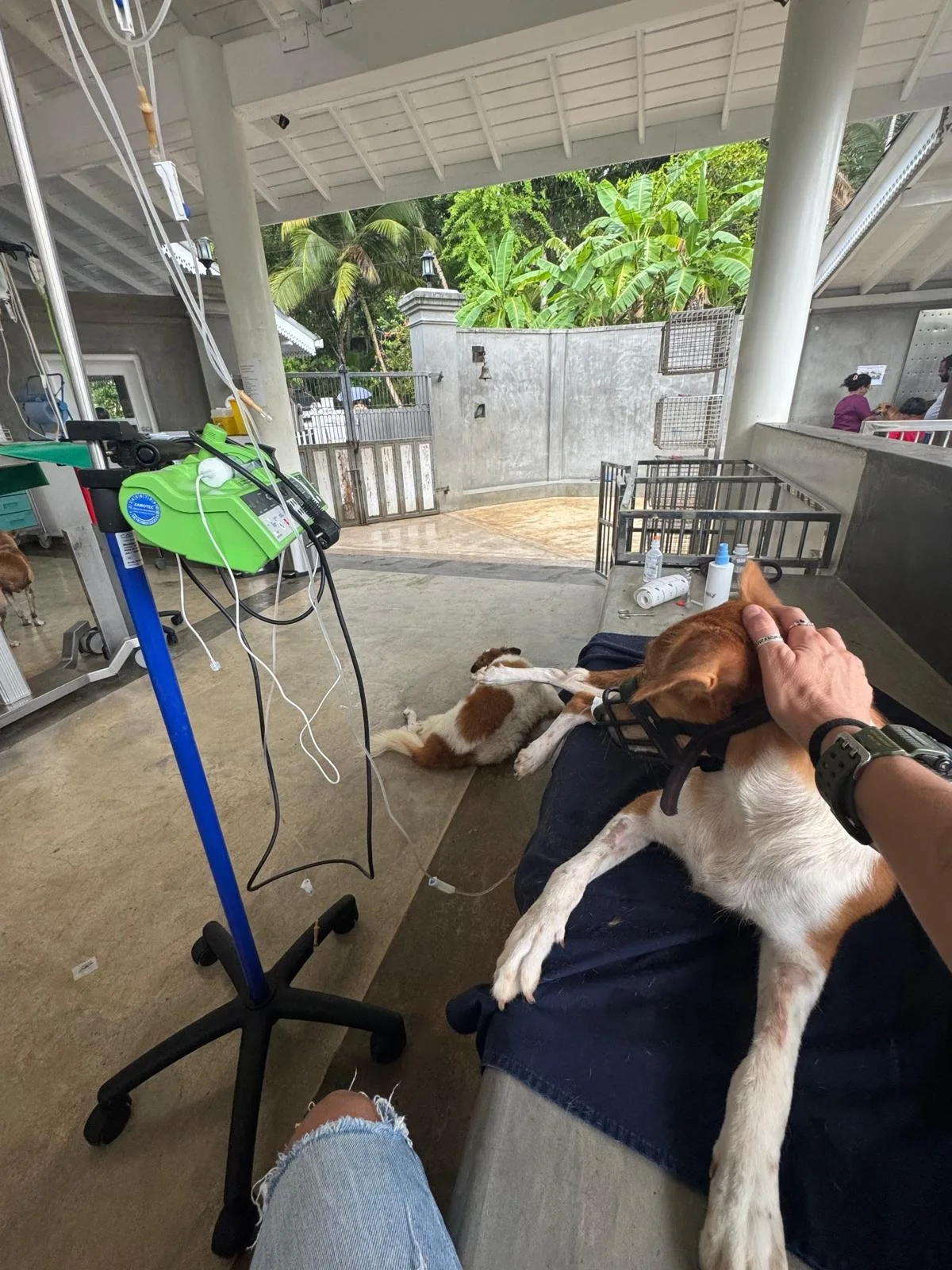
Our involvement included assisting with veterinary procedures, helping prepare and support sterilisation and vaccination campaigns, and joining their daily feeding rounds for stray dogs in surrounding areas.

These feeding rounds are a key part of their work, reaching dogs in multiple locations who rely on regular food support. In parallel, veterinary teams carry out treatments and procedures in mobile or temporary setups.

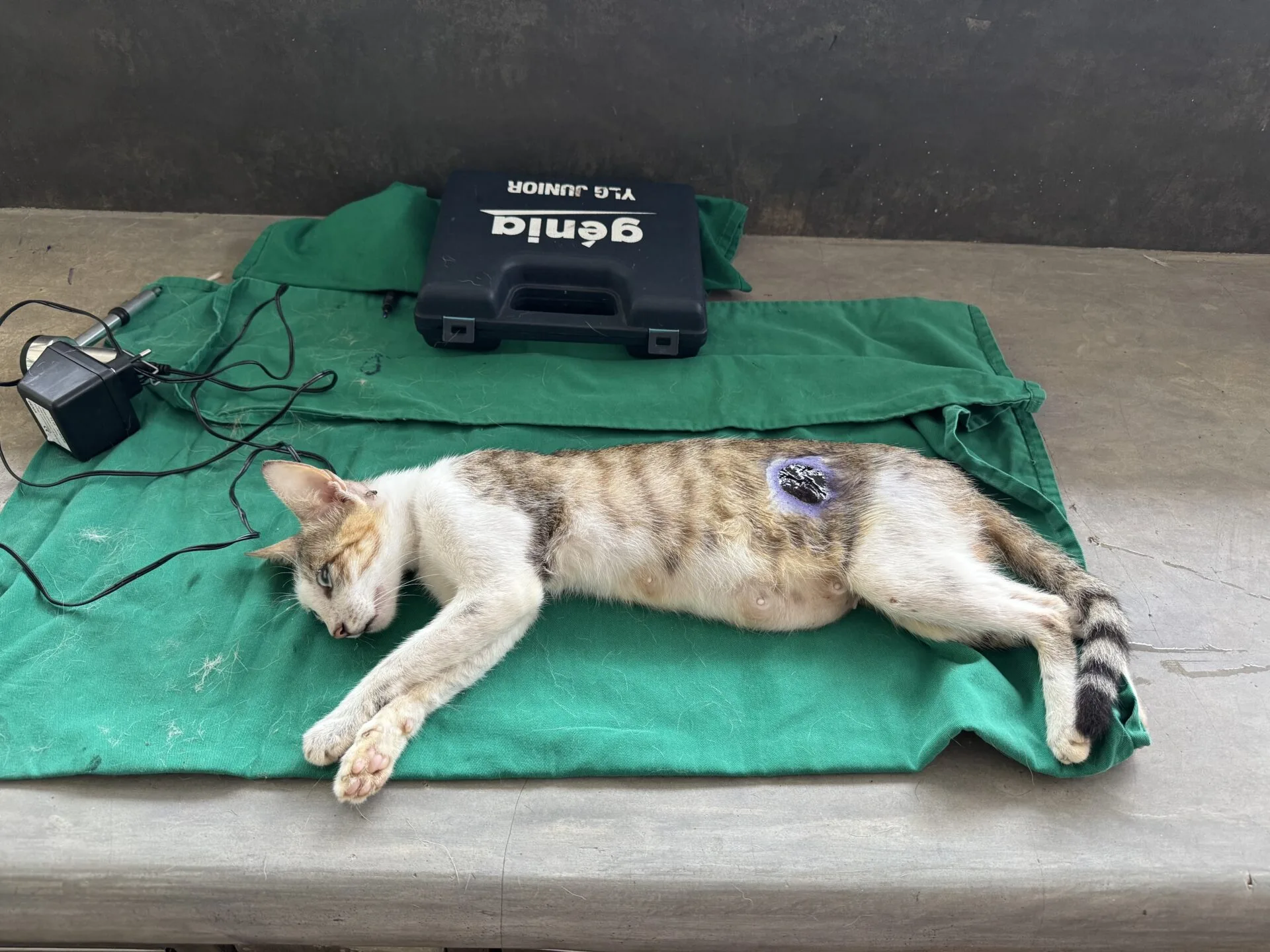
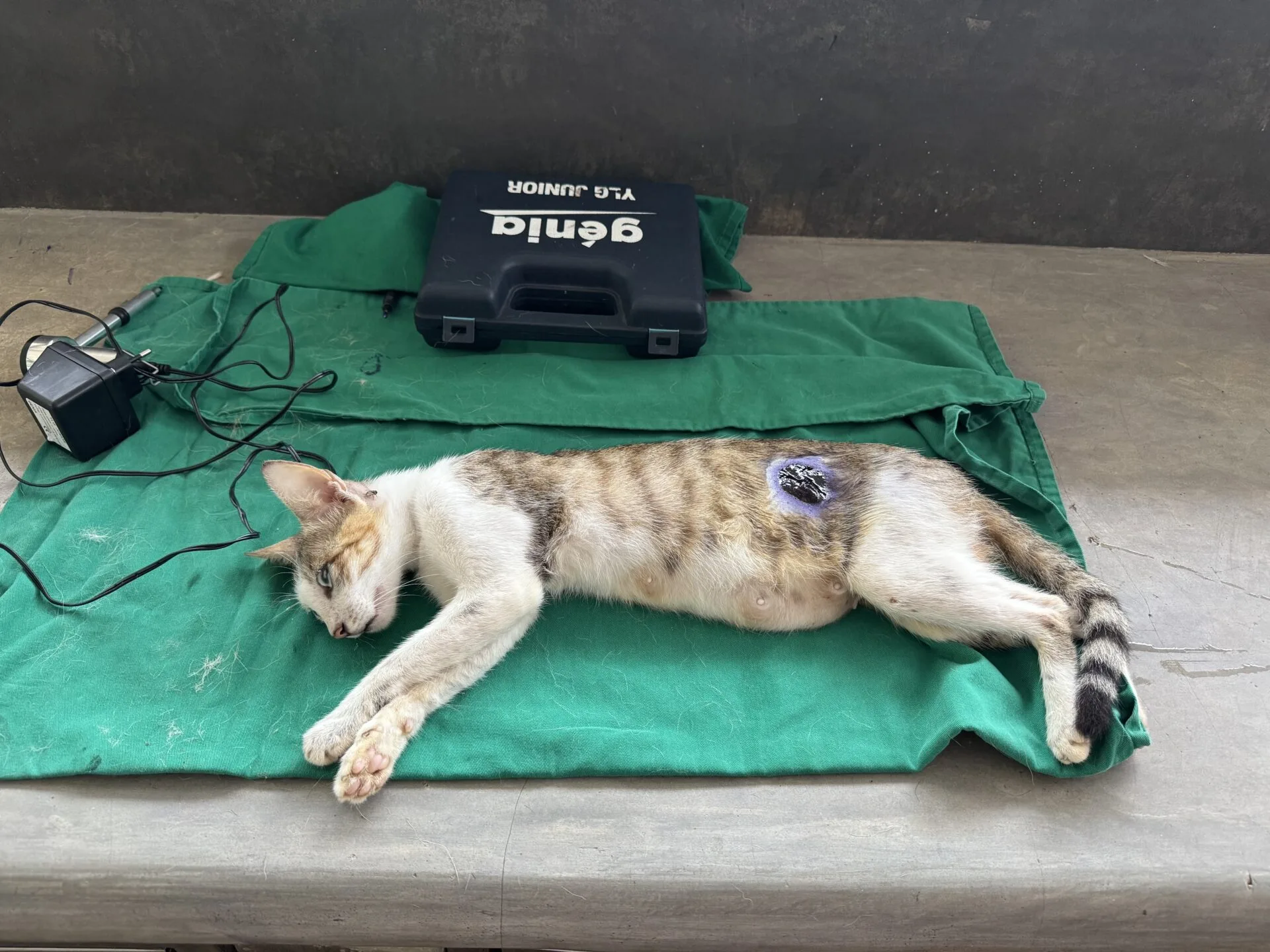
During the week we were on the ground, an average of around 30 dogs and cats per day were spayed, neutered, and vaccinated. In addition to sterilisation and vaccination, a range of other treatments and minor surgical procedures were carried out depending on the condition of the animals presented.

These operations are not one-off interventions. They form part of a continuous programme aimed at controlling population growth, reducing disease transmission, and improving the general condition of stray animal populations over time.

Sterilisation, vaccination, and prevention work

A large part of the work we are involved in is preventive rather than reactive.

In areas with high stray populations, the cycle of uncontrolled breeding leads to ongoing suffering, with puppies and kittens often born into environments where food, shelter, and medical care are limited or absent.

Spay and neuter programmes are one of the most effective tools available to address this. Alongside vaccination—particularly against diseases such as rabies—these interventions reduce long-term suffering and also lower risks for local communities.

Our role in this work is practical: assisting veterinary teams, supporting logistics, helping with handling and preparation where needed, and contributing supplies and manpower during field days.

Work with local communities

In addition to working with stray populations, we also support animals belonging to families in poorer communities where access to veterinary care is limited or unaffordable.

In these cases, we help provide free sterilisation and vaccination services, prioritising dogs that would otherwise not receive any veterinary treatment.

The focus is not only on individual animals but also on reducing the number of unwanted litters and improving overall animal health in these communities over time.

Many of the dogs we encounter in these areas live semi-free roaming lives, often cared for but not formally owned in a veterinary sense. This makes accessible, free-of-charge veterinary support particularly important.

The area where we work has a high density of stray animals, particularly dogs, and limited access to consistent veterinary infrastructure.

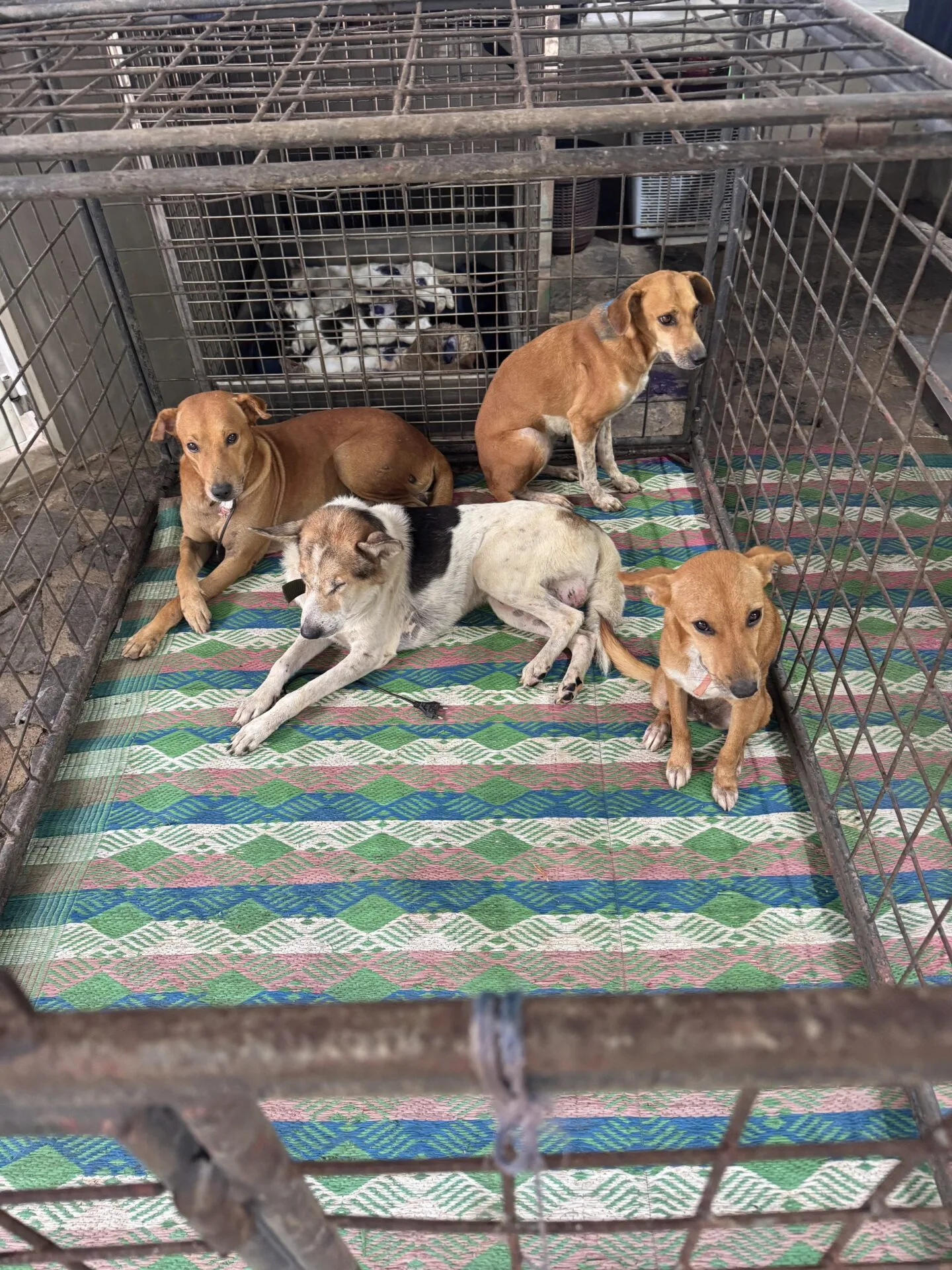
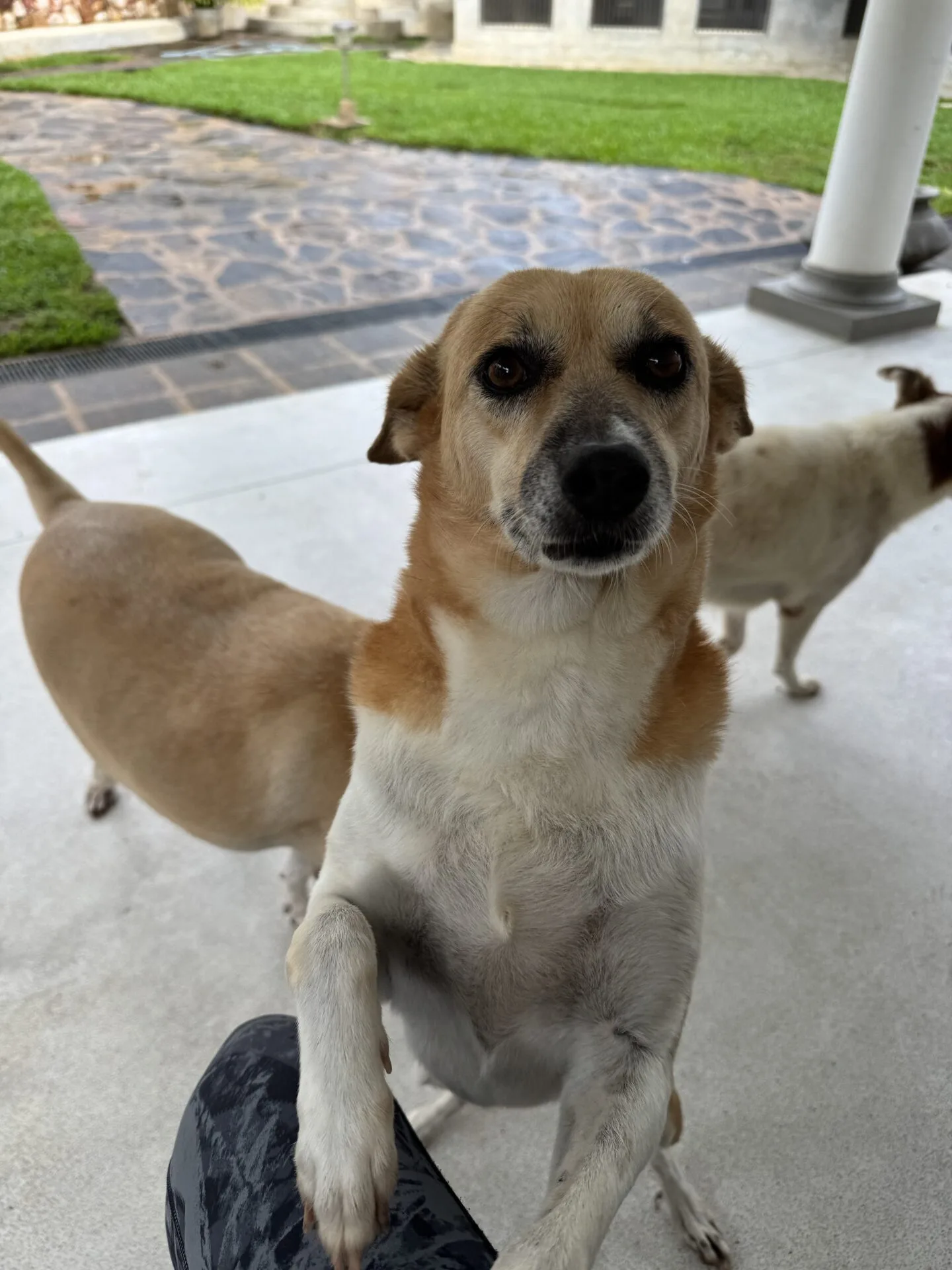
Animals are commonly found around villages, roadside areas, markets, and food sources, often relying on informal feeding from residents or visiting organisations. While some animals are in reasonable condition, many present with untreated medical issues, parasites, or injuries.

The work in this environment is ongoing and repetitive in nature: feeding, treating, sterilising, vaccinating, and monitoring wherever possible. Progress is gradual and depends heavily on sustained presence and cooperation with local partners.

Our approach is based on consistency rather than short-term intervention.

Future plans: local clinic

At our base location—where we also care for our rescue animals and operate our sea turtle sanctuary—we have been offered a building by local partners.

The intention is to gradually develop this into a free veterinary clinic for dogs and cats in the surrounding area.

The region has a significant stray population and limited access to affordable veterinary services, particularly for sterilisation, vaccination, and basic treatment.

At this stage, the building is available, but further work is required to make it operational. This includes equipping the space, securing supplies, and organising a sustainable structure for ongoing veterinary work.

For now, it remains a developing project alongside the field work already being carried out.

Support Our Work

This work in Sri Lanka is only possible with ongoing support.

If you would like to help, donations go directly towards:

food for stray and rescue animals
medicines and veterinary supplies
sterilisation and vaccination programmes
field work with our local partner DCC
development of a future free clinic

Every contribution, small or large, is used directly on the ground.

 
Update: December 8, 2024

Rescuing Sri Lanka’s Strays

📍Sri Lanka

Since the early 2020s, we have been dedicated to addressing the growing stray population in Sri Lanka. This vibrant and beautiful country faces a heartbreaking contrast: while its landscapes are breathtaking, countless stray dogs and cats struggle to survive under dire conditions. With no access to veterinary care, spaying, or neutering programs, these animals endure malnutrition, untreated illnesses, and  hardships.

The Plight of Sri Lanka’s Strays

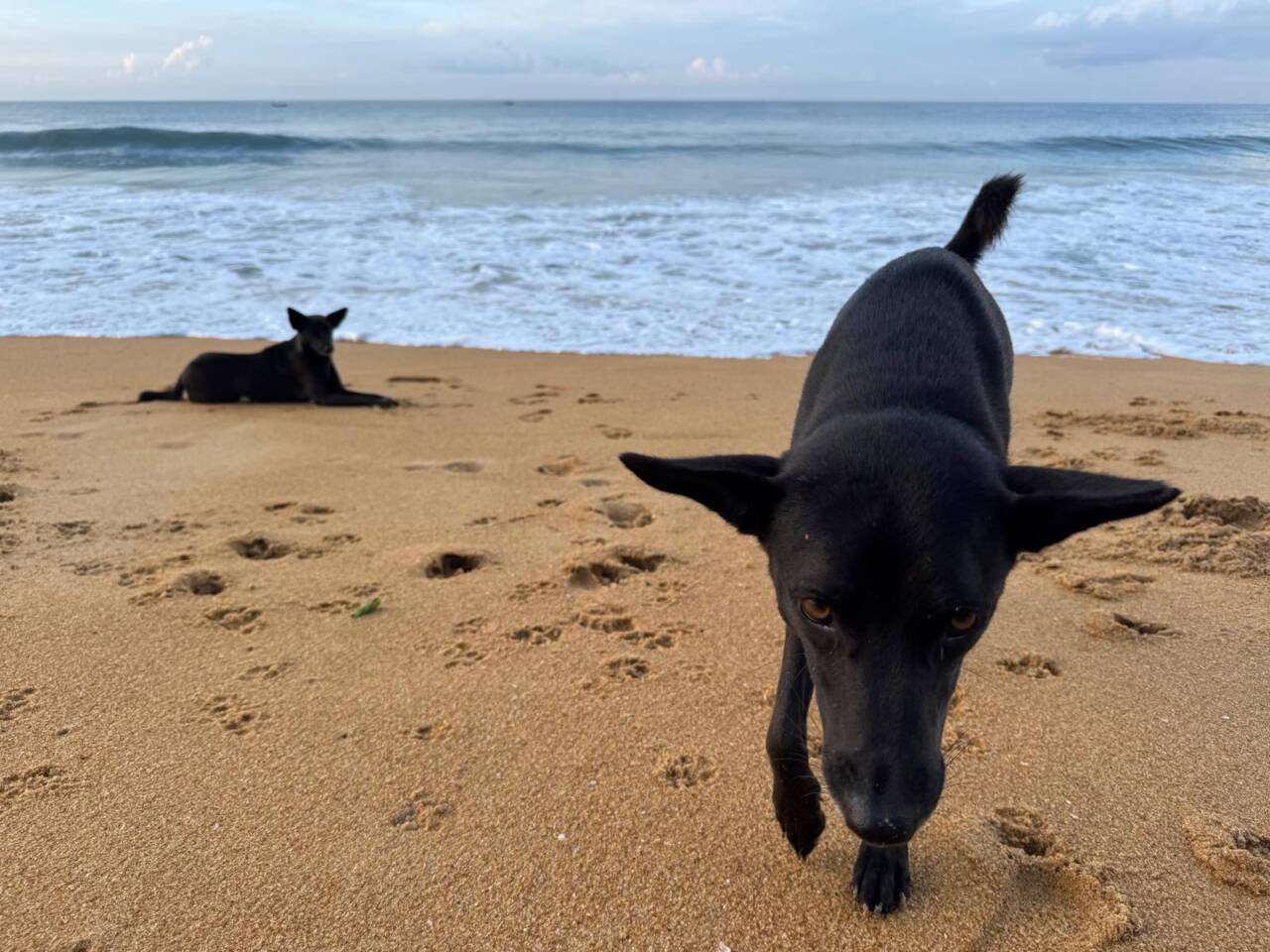
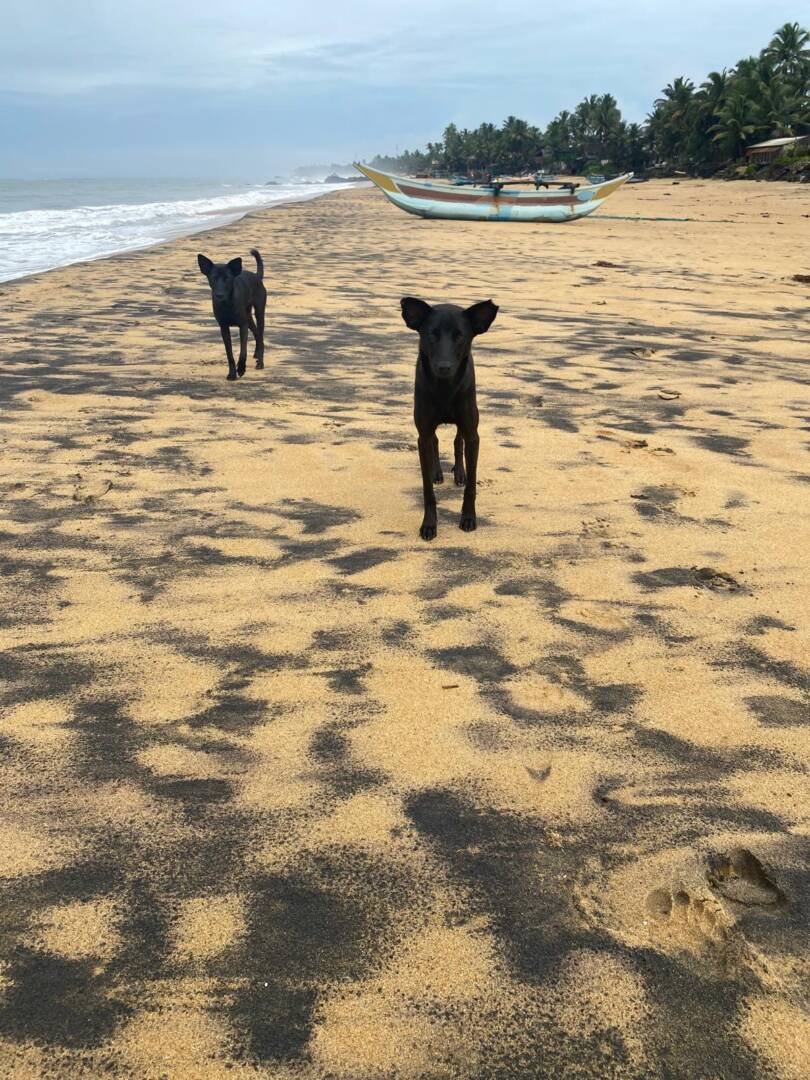
Strays in Sri Lanka are facing incredible challenges as they fight to survive in both the inland areas and along the beautiful beaches. Many beach dogs, desperate for water, end up drinking salt water, which only worsens their already fragile health. These animals are often malnourished, dealing with parasites, and suffering from untreated wounds and illnesses. Yet, despite their harsh reality, they remain incredibly friendly and trusting, showing a remarkable resilience and hope for kindness despite their suffering.

The economic decline in Sri Lanka has only made the situation more desperate. Many families are struggling to meet their basic needs, leaving little to no resources for animal care. This dire economic climate has exacerbated the crisis, with strays suffering alongside the country’s human population. With veterinary supplies and food becoming increasingly expensive, rescuing and caring for these animals has become a monumental challenge.
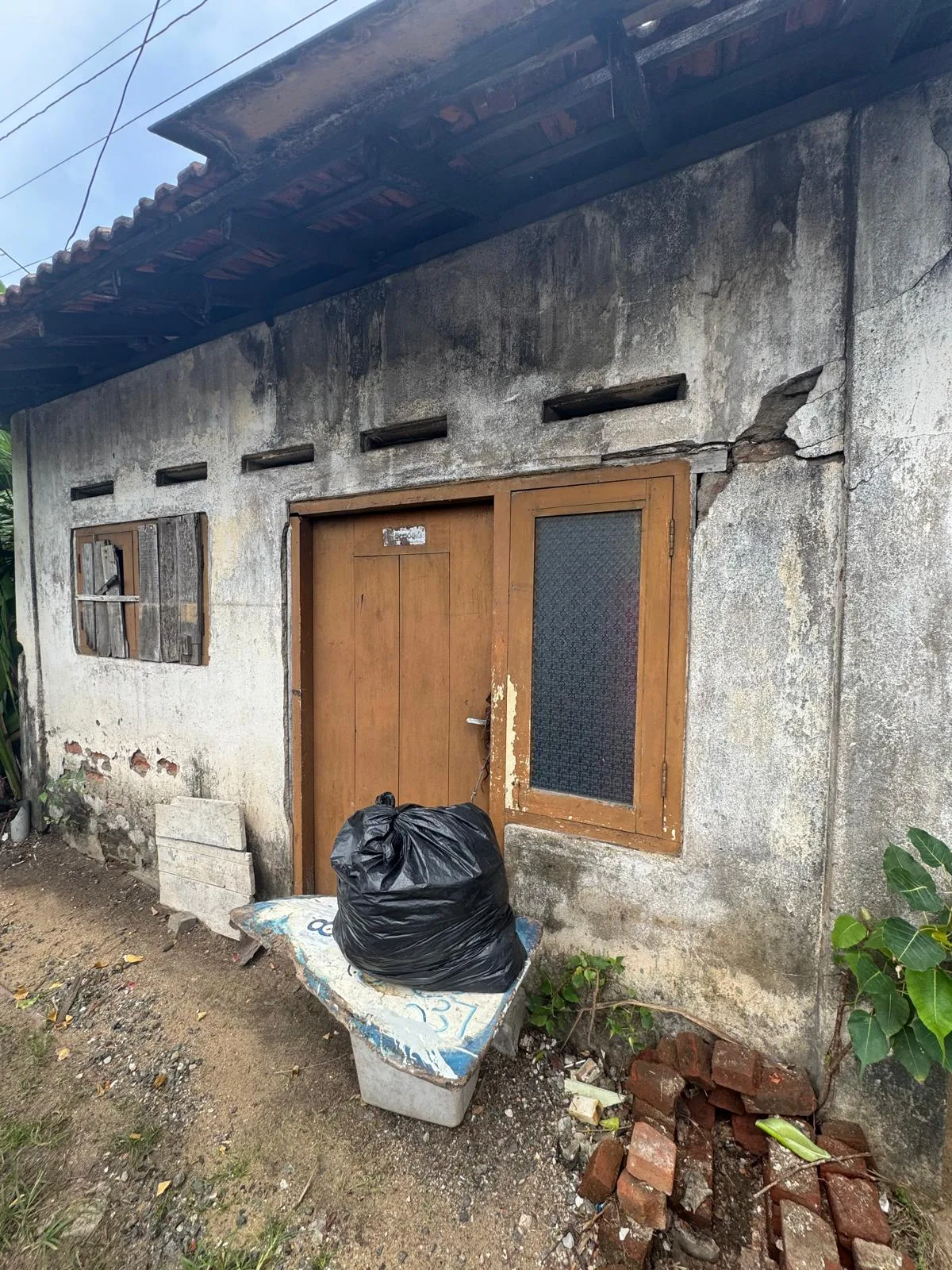
One of the most vital parts of our work in Sri Lanka is making sure stray animals have enough to eat. For many dogs and cats, the food we provide is their only source of nourishment and a lifeline for survival. Since food and supplies are extremely expensive locally, we bring essential items like food and medicine directly from Germany. This allows us to give these animals the nutrition they need to recover their strength, fight off illnesses, and survive the harsh conditions they live in.

In addition to providing food, we focus on creating sustainable solutions. We work closely with local communities, teaching them how to set up feeding stations and provide clean water for the animals. We also partner with beach hotels and hostels, supplying them with food to care for the strays in their areas. These collaborations help build a network of compassion and support for these vulnerable animals.

By focusing on food and forming partnerships, we’re not only helping the animals survive but also encouraging a more caring attitude toward them. Your support can help us continue this crucial work and give these animals a real chance at a better life.

With your support, Wild at Life e.V. can continue to bring hope and care to the strays of Sri Lanka. By providing food, medical treatment, and education, we’re helping these animals overcome the many challenges they face. Every contribution makes a meaningful impact and brings us closer to a world where these animals can live healthier and happier lives. Together, we can change their future.

Update: August 29, 2024

Saving Strays in Tunisia and Türkiye

This year, we focused on helping stray animals in Tunisia and Türkiye.

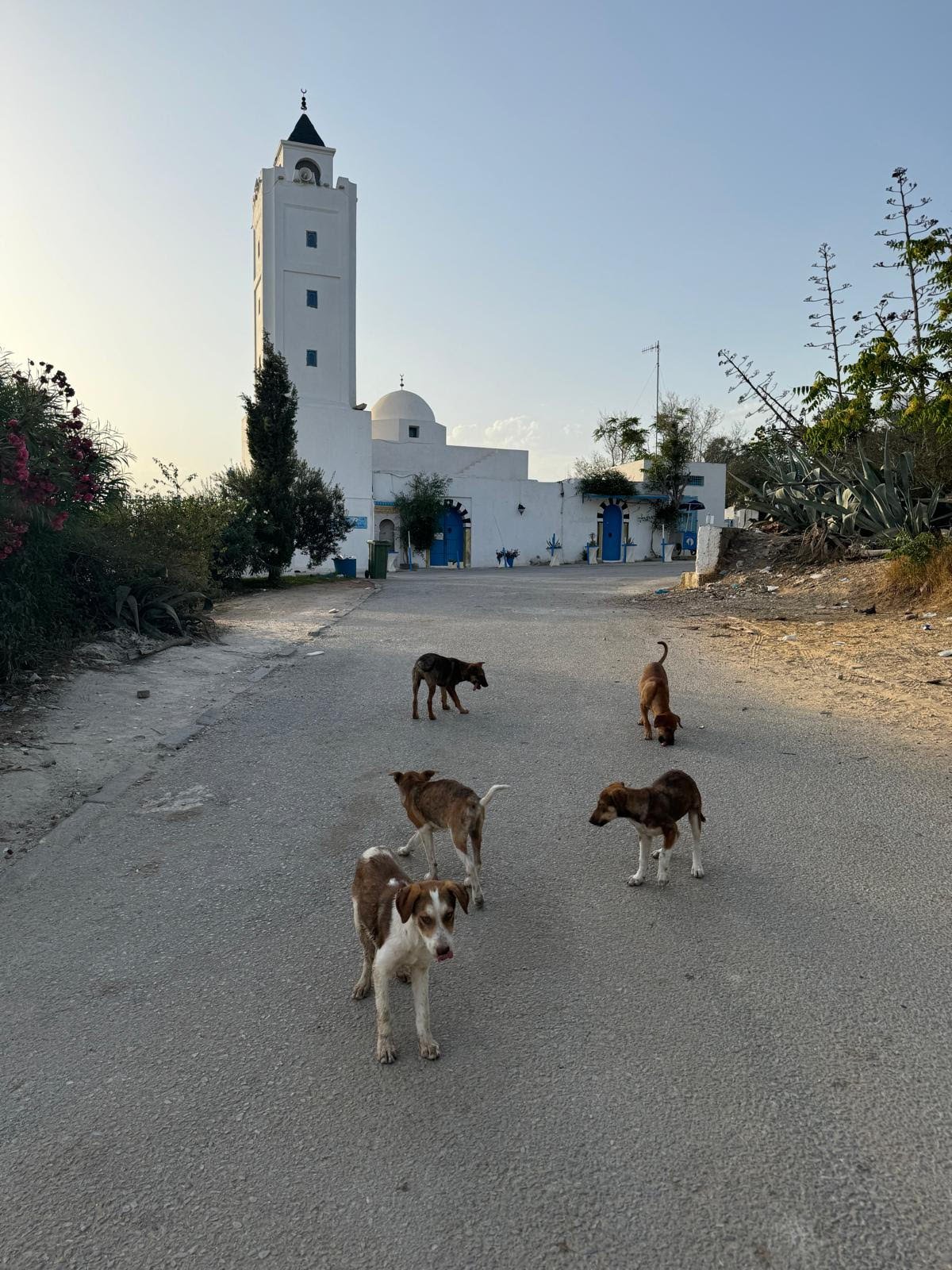
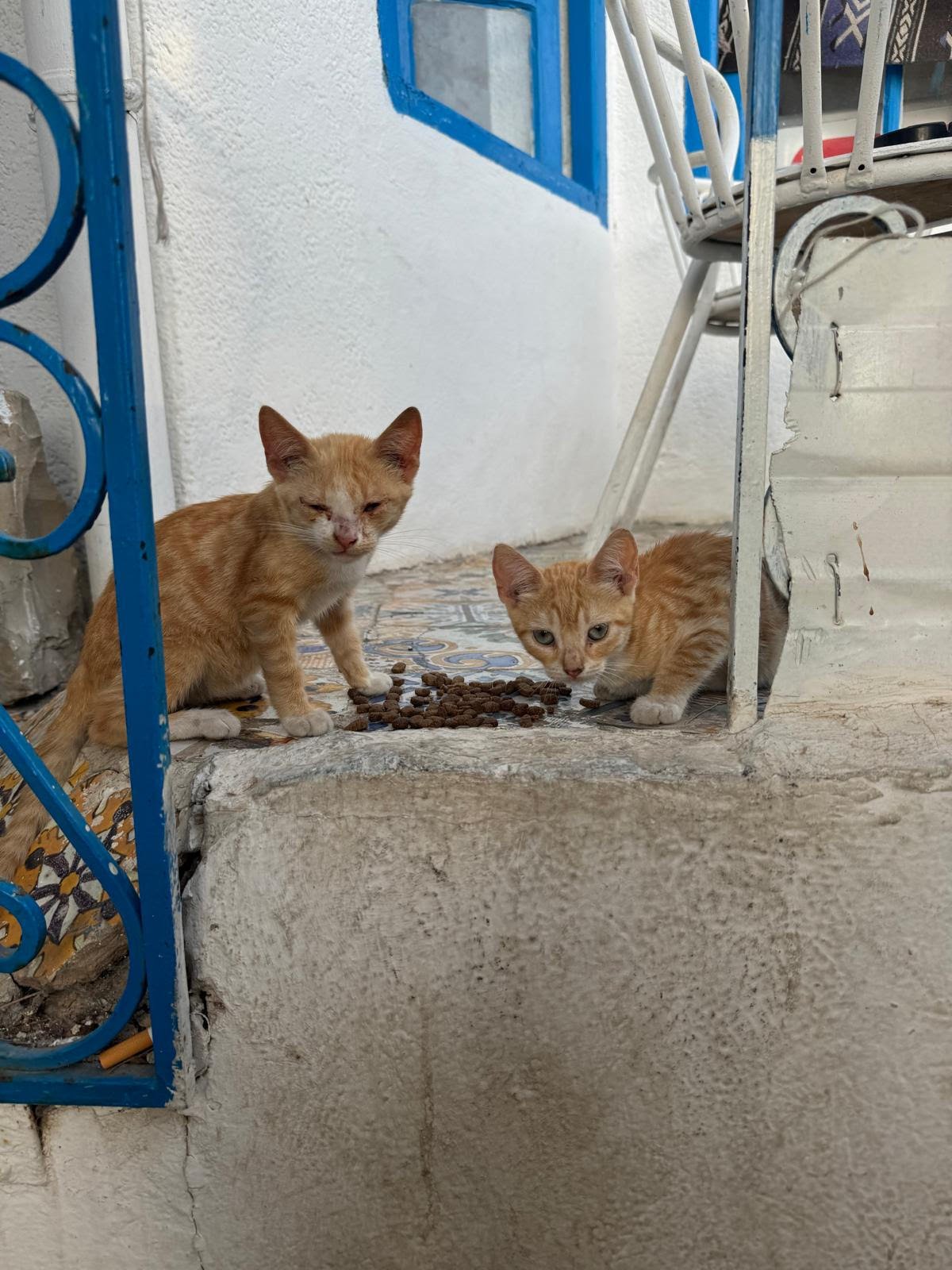
In Tunisia, we ran a five-day feeding program and worked with locals to set up ongoing feeding and water stations.

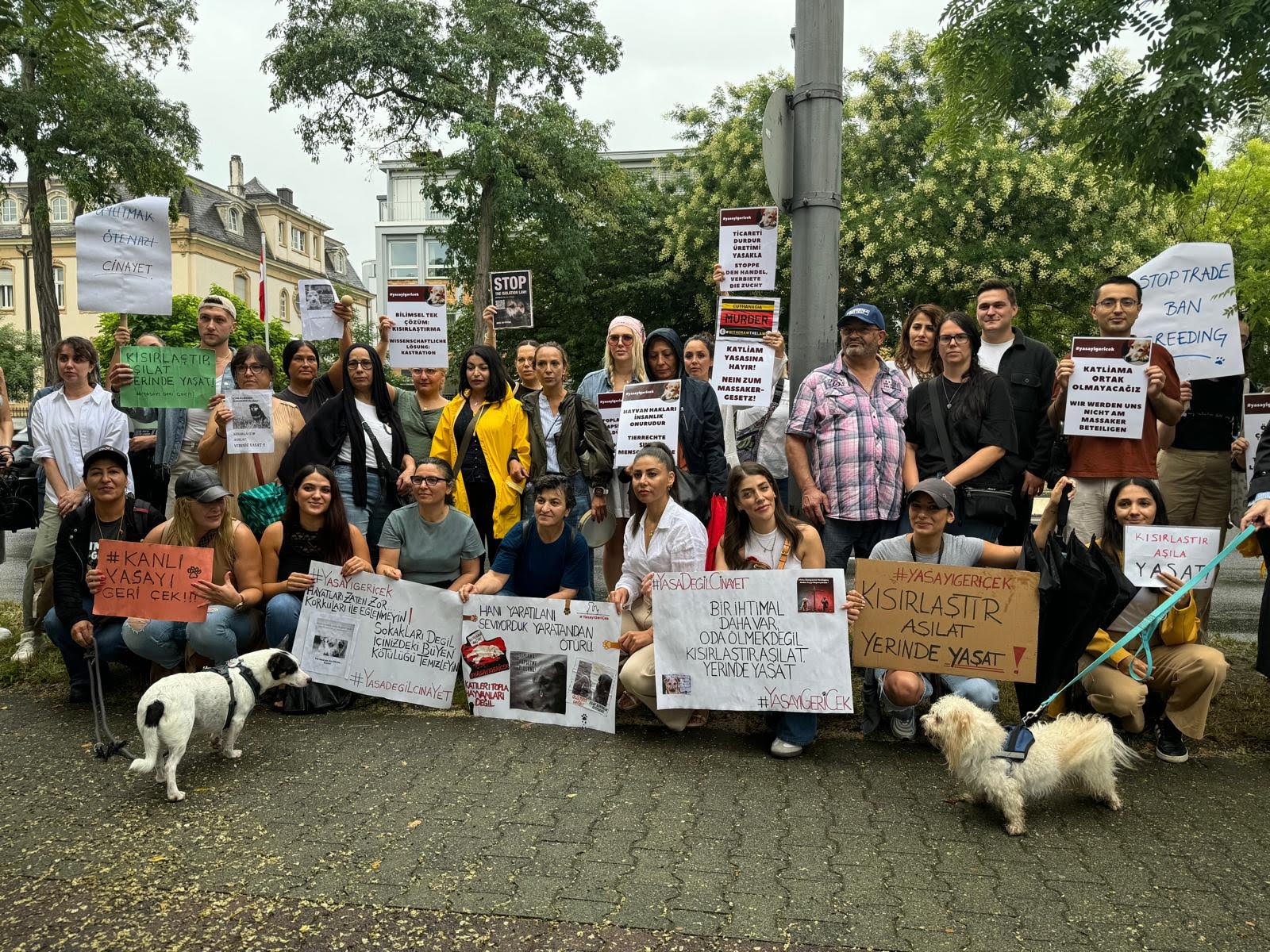
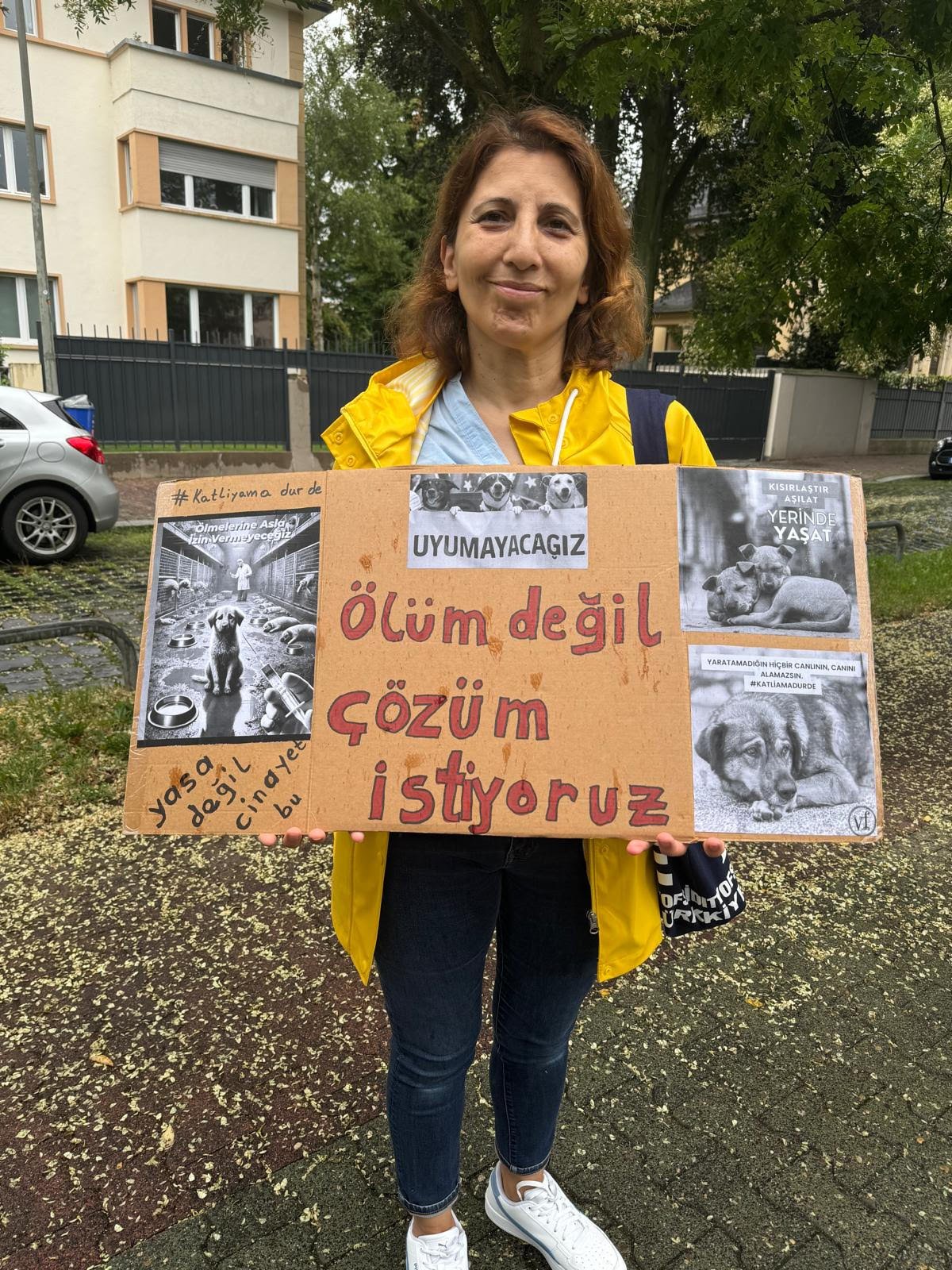
In Türkiye, we are facing a crisis due to a proposed law that threatens millions of strays with mass killing. We joined a peaceful demonstration to oppose this law and urge the government to adopt humane solutions like spaying, neutering, and vaccinations.

📍Türkiye

In Türkiye, there is a huge crisis with stray animals due to an upcoming law that could strip millions of stray animals of their right to exist. A proposed legal amendment to allow the collection and killing of stray animals is awaiting approval in the parliamentary commission. If passed, animals will be exterminated on the streets, and there is not enough shelter or treatment for these dogs.
We urge the government to withdraw this proposal and work towards ethically controlling the stray population through spaying, neutering, and vaccinations. No one should have the right to kill animals for their own benefits and desires. We need to remain humane.

To raise our voices, we joined a peaceful demonstration   under heavy rain in Frankfurt, asking the parliament for kindness. We strongly plead: please do not pass the law, 85% of the population are against, that will lead to the killing of 4 million strays!

We believe every animal deserves to live with care and respect. The crisis in Türkiye, shows the urgent need for humane solutions. We ask the government and people everywhere to join us in opposing this law and supporting kinder alternatives. By focusing on spaying, neutering, and vaccination programs, we can manage the stray population in a humane way.

To support these efforts, we have also started a fundraiser. The money raised will help provide food and medical care for stray animals. Together, we can make a difference and create a world where kindness wins. Let’s stay human and make sure no animal has to suffer needlessly.

📍Tunisia

We also decided to help stray animals in Tunisia, after working in Morocco last year. Over five days, we fed many stray animals and made sure they got the food they needed. We also talked to local people to find good places to leave food and water for the animals, so they can have access to these resources even after we leave.

We donated a lot of food that will be given to the animals over the next few weeks. Local volunteers will help distribute this food. We will keep checking in to see how the animals are doing and provide more help if needed.

Update: April 7, 2024

Urgent Call for Help: Shelter Devastated by Landslide, Stray Animals in Crisis

One of our animal shelters got hit by a landslide! We’re dealing with a terrible natural disaster right now.

Because of climate change, there’s been more rain in the area where we work. This shelter, one of five we have in Turkey, is home to lots of dogs. It’s our biggest shelter and it’s in a cold place. We also run our Give a Stray a Coat program there.

In recent years, the snow in the mountains has been melting fast because of big changes in temperature. Our shelter is in a spot where people often dump animals, so we started looking after it over ten years ago. We’d just fixed up the beds and roof for the summer when disaster struck.

A few days ago, there was a landslide. The snow melted quickly, bringing down huge rocks. Sadly, one of these rocks hit our shelter and trapped the dogs inside. Our food got ruined, and the road to the shelter is blocked. We’re really upset about what’s happened and are working around the clock to rescue the remaining animals.

The area is a disaster zone. Every shelter, room, and roof is gone. Not a single food box remains. We have lost everything. But we cannot turn back and leave now. We must continue, stronger than ever, to make the place better than before. The rainy season is making the situation even worse. With the shelter destroyed and a rock sitting on top of it, the dogs are now in the open.

We need your immediate help to continue rescuing these helpless souls. We urgently need to clean the area and start from where we left off. We are devastated.

Will you step in? You can contribute at by clicking on the following link: HELP 🚨 Natural Disaster has hit our Stray Shelter ‼️ by Wild at Life e.V. (petfundr.com)

Update: March 17, 2024

Stray Coat Program in Türkiye

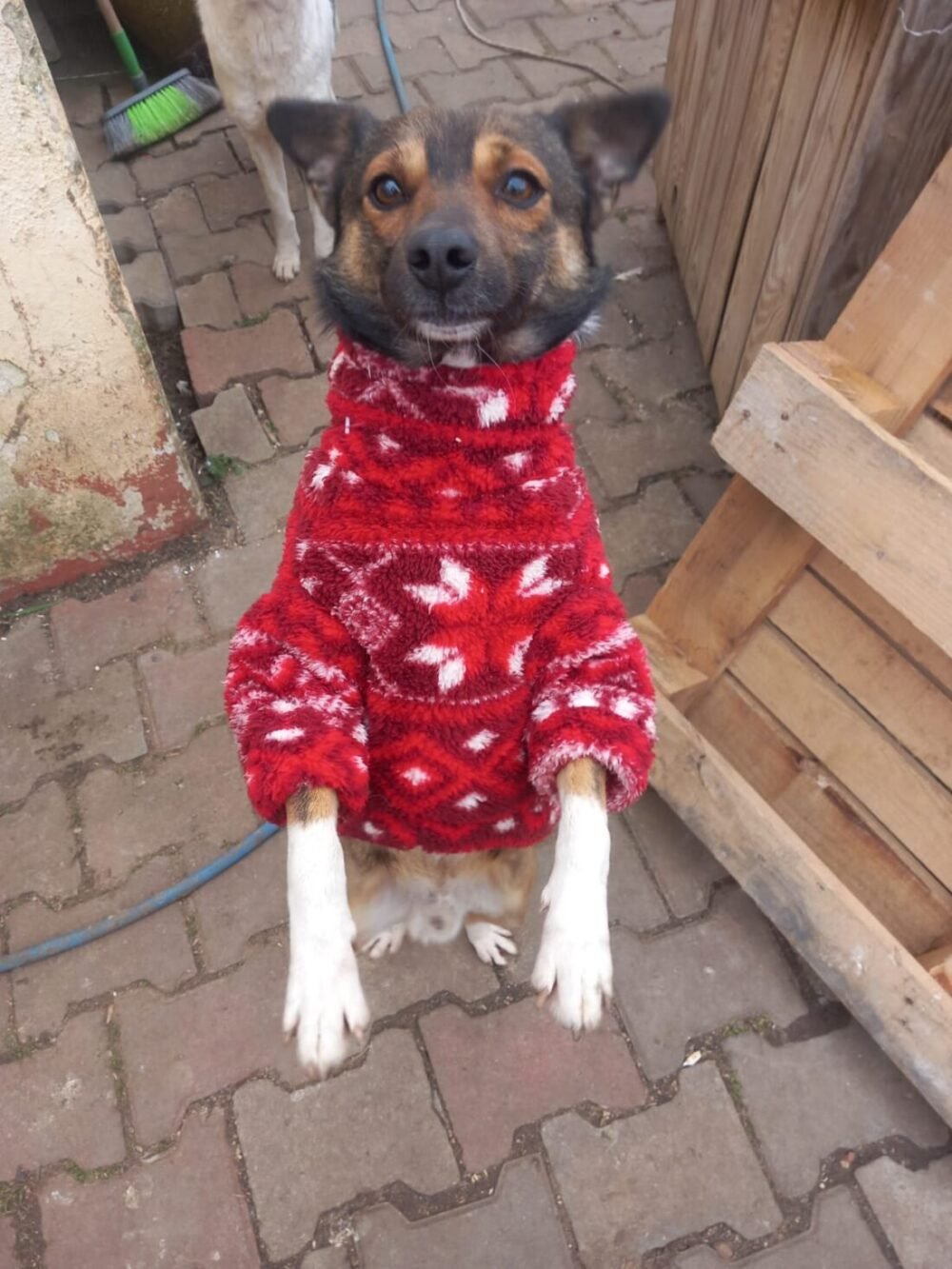
In the streets of Turkey, stray dogs face tough challenges every day. They don’t have homes, so they have to find food and stay warm on their own. We are here to help. We give these dogs coats to keep them warm in the cold weather. When they’re sick or hurt, we take them to the doctor for medical care. And we make sure they have plenty of food to eat. Our goal is to make life a little better for these dogs who are often forgotten. We want to show them kindness and help them stay healthy and happy, even without a home.


The Issue of Stray Dogs in Türkiye

In Türkiye the issue of stray animals, particularly dogs, creates huge challenges, and there are several reasons why the problem persists and keeps getting worse.

One major reason is abandonment. When owners can no longer care for their pets or find them inconvenient, they choose to abandon them, leaving these animals to fend for themselves on the streets.

Also insufficient animal welfare laws and their enforcement have hindered efforts to address the issue effectively. Türkiye has struggled with enforcing laws related to animal welfare, making it challenging to tackle the root causes pf the problem.

In addition Türkiye has faced difficulties in implementing effective spaying and neutering programs for stray animals. Without these interventions, the stray population continues to grow unchecked.

Distributing Coats

We provide coats to stray dogs in Turkey as a vital measure to protect them from the harsh realities of winter. In this region, temperatures can plummet, posing serious threats to the health and safety of these vulnerable animals. By outfitting them with coats, we offer essential insulation against the biting cold, shielding them from the elements and preventing the onset of hypothermia. These coats also serve as a barrier against wetness, ensuring the dogs stay dry and reducing the risk of discomfort and skin issues caused by damp fur.

Moreover, beyond the physical benefits, the provision of coats contributes to the overall well-being of these dogs. When they are warm and comfortable, their stress levels decrease, and they can remain more active and resilient. This boost in their mental and physical health is crucial for their survival on the streets.

Every coat we give makes a dog very happy.

Our Spaying and Neutering Efforts

We work diligently to spay and neuter stray dogs in Turkey as part of our ongoing efforts to manage their population and improve their welfare. Spaying involves surgically removing the ovaries and uterus of female dogs, while neutering involves removing the testicles of male dogs. This helps control the reproduction of stray dogs, preventing the birth of unwanted puppies and reducing the strain on resources for their care.

There are several reasons why spaying and neutering are crucial:

Population Control: Stray dog populations can grow rapidly if left unchecked, leading to overcrowding, competition for resources, and increased risks of disease transmission. Spaying and neutering help stabilize and reduce these populations, ensuring a healthier balance between dogs and their environment.
Health Benefits: Spaying and neutering can have significant health benefits for dogs. For females, it reduces the risk of uterine infections and certain types of cancers, while for males, it decreases the likelihood of testicular cancer and certain behavioral issues, such as aggression and roaming.

Preventing Unwanted Litters: By spaying and neutering stray dogs, we prevent the birth of unwanted litters that may end up on the streets, vulnerable to neglect, injury, or euthanasia. This helps break the cycle of overpopulation and reduces the burden on animal shelters and rescue organizations.

Overall, spaying and neutering are essential components of responsible pet ownership and effective stray animal management.

We go the extra mile in our mission to help stray dogs in Turkey by venturing into remote areas where few others tread. These are often places overlooked by mainstream services, where stray dogs struggle to survive without access to food, shelter, or medical care. By reaching these remote areas, we ensure that no dog is left behind, no matter how far they are from urban centers.

Our efforts not only improve their immediate well-being but also contribute to long-term solutions for managing stray populations. It’s our belief that every dog, no matter how remote their location, deserves a chance at a better life. Through our work in these areas, we strive to make that belief a reality.


Check out how happy and grateful they are when we arrive in this youtube video:

This project is carried out in the following activity areas
Farm, stray, & laboratory animals rescue & welfare

Spread the news!

Help us increasing social commitment in saving endangered wild species. Express your support by sharing this article in your favorite social media channel.

Facebook
Twitter
LinkedIn
Pinterest
WhatsApp
Email

Most recent news

Share this story!

Update from Sri Lanka – Stray Animal Work on the Ground

June 3, 2026

Every year we return to Sri Lanka with the same purpose: to help as many stray and abandoned animals as we can. This year, we brought over 70kg of supplies, including food, medicines, deworming treatments, dog treats, and basic veterinary

Share this story!

A Safe Future for Rescued Sea Turtles

May 26, 2026

Every year, countless baby sea turtles face overwhelming odds from the moment they are laid, with nests threatened by predators, flooding, pollution, poaching, and human disturbance along vulnerable coastlines. Wild at Life works tirelessly to protect these fragile beginnings by

Share this story!

Mission Caita – still on the ground

May 2, 2026

Chimpanzees are incredibly close to us.They live in complex social groups, form lifelong bonds, and experience emotions in ways that are deeply familiar — trust, fear, grief, connection. This is exactly what makes wildlife trafficking so devastating. What we see

Share this story!

One Voice Against Wildlife Crime

May 1, 2026

We are proud to share our latest contribution to advancing international efforts to combat wildlife crime and broader environmental offences. As a member of the Global Initiative to End Wildlife Crime (EWC), we have joined 103 organizations in calling on

Share this story!

Unregulated Squid Fishing in the Northwest Indian Ocean

April 5, 2026

Unregulated industrial squid fishing in the northwest Indian Ocean has grown into a serious ecological and socio-economic crisis—and it is one we at Wild at Life e.V. have been documenting for years.

Share this story!

Rhino Monitoring Update

March 14, 2026

Protecting rhinos requires constant monitoring, strong partnerships, and long-term commitment. Through our Rhinoceros Conservation and Rescue Project, Wild at Life e.V. works together with dedicated conservation partners on the ground in South Africa to protect endangered white rhinoceroses and their

Search for more