News from the wild

Rhino Monitoring Update

Published on: March 14, 2026
Categories:
Tagged:
Solare

Protecting rhinos requires constant monitoring, strong partnerships, and long-term commitment. Through our Rhinoceros Conservation and Rescue Project, Wild at Life e.V. works together with dedicated conservation partners on the ground in South Africa to protect endangered white rhinoceroses and their habitat on a 5,000-hectare protected reserve in Limpopo.

This project focuses on safeguarding rhinos from threats such as poaching, monitoring their movements and wellbeing, and ensuring that their habitat remains safe and sustainable.

Monitoring Rhinos with AI Collar Technology

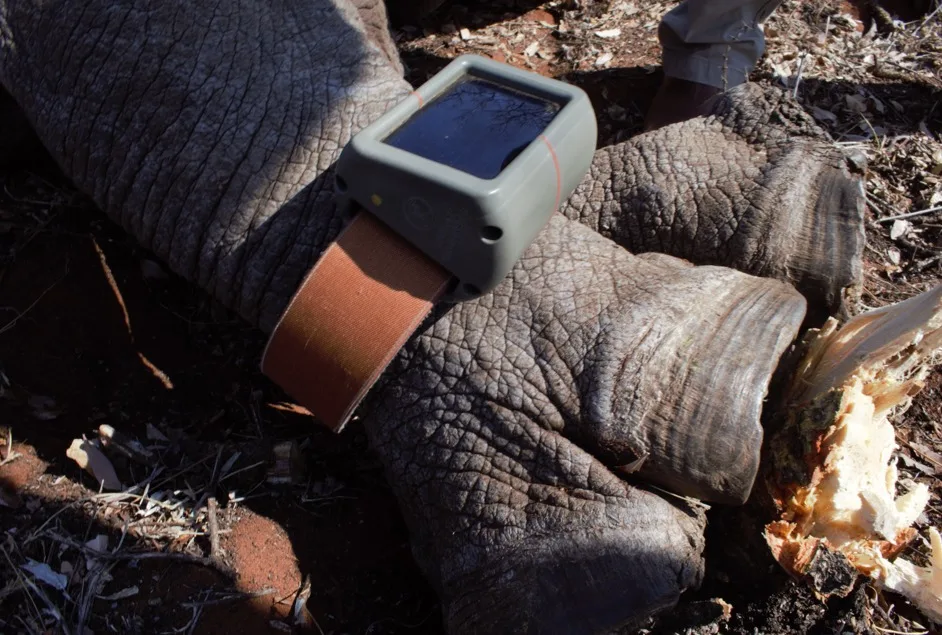
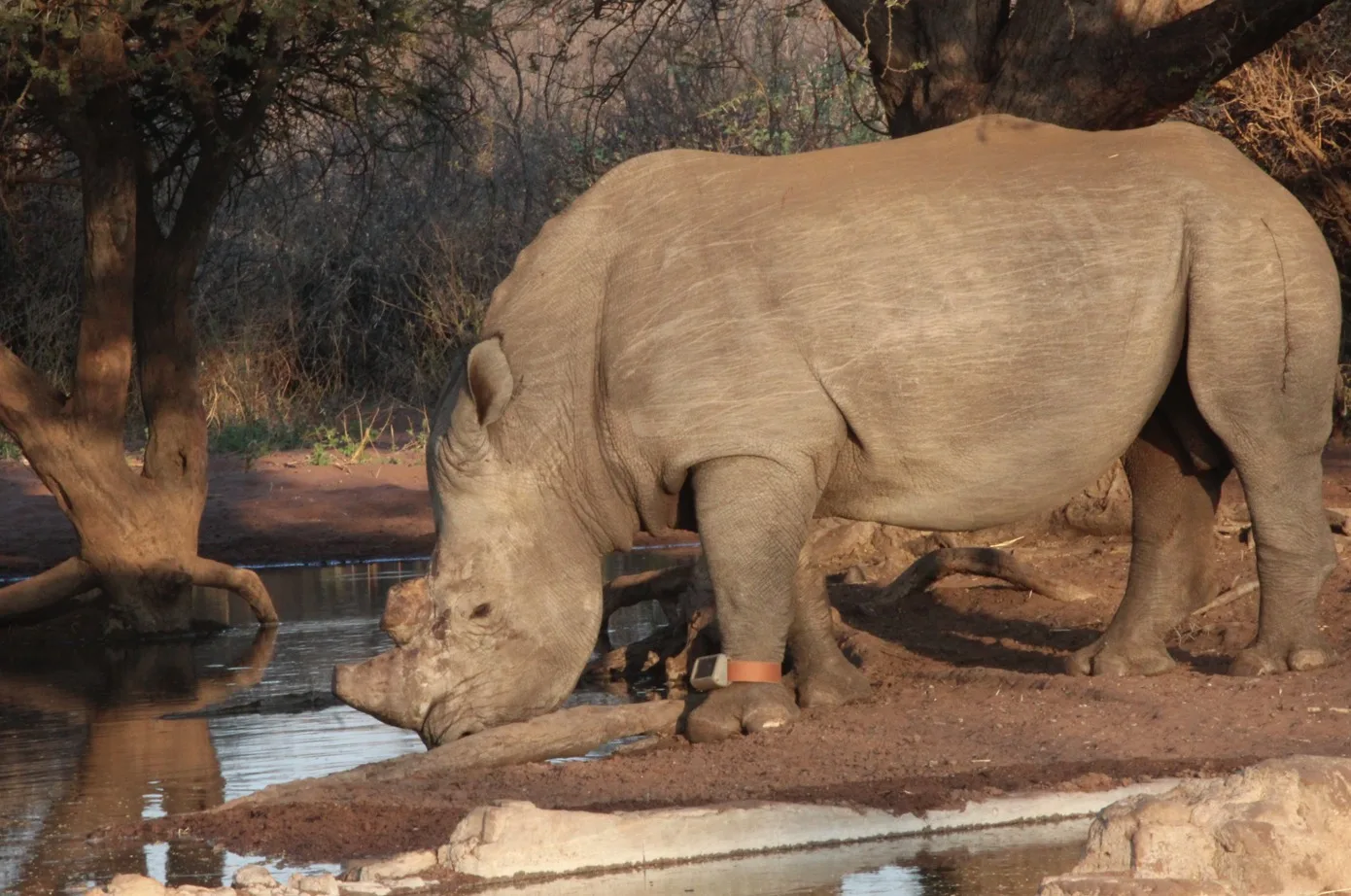
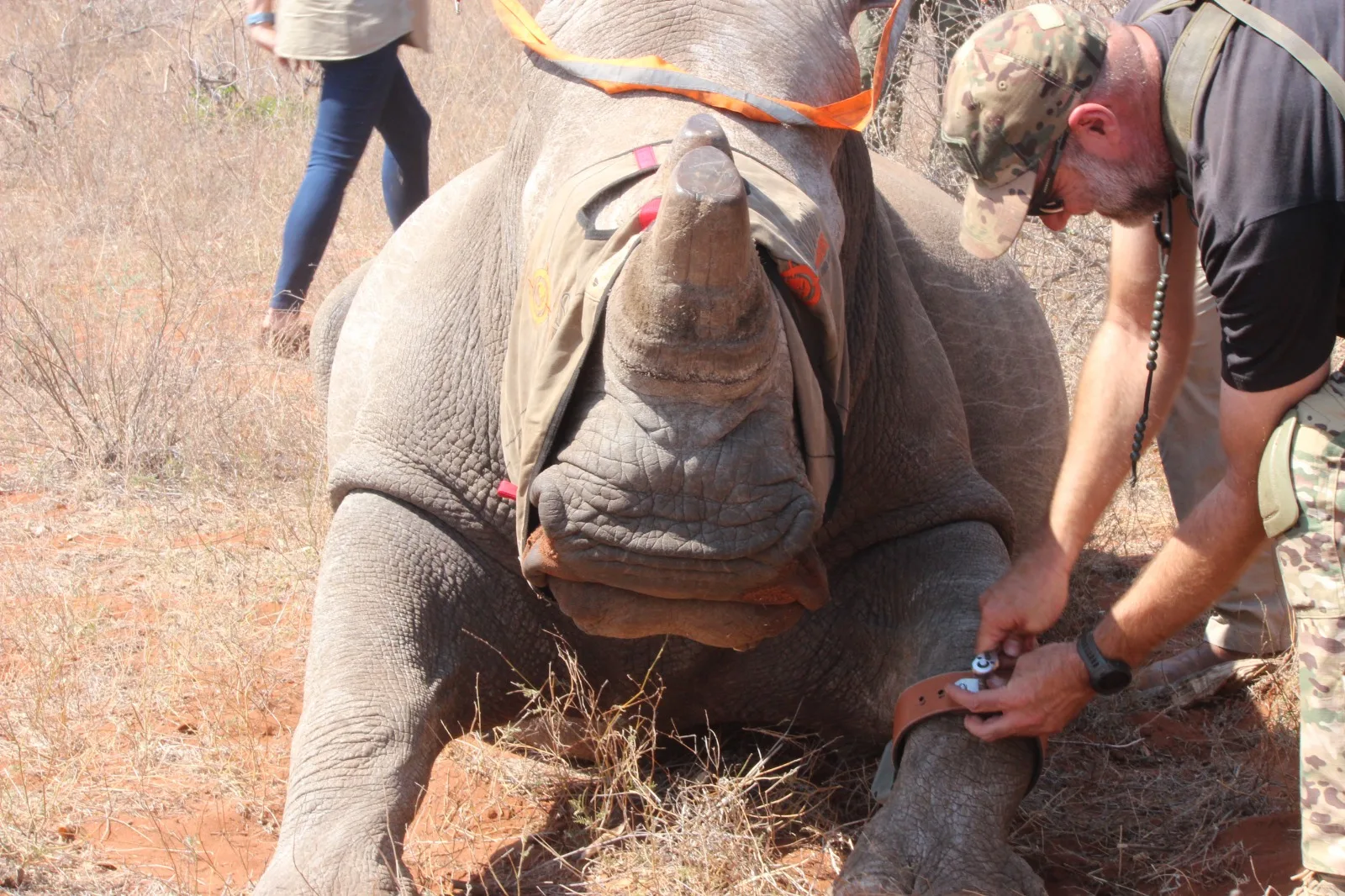
To better understand and protect the rhinos, the conservation team uses AI-enabled GPS collars. These collars allow rangers and conservationists to track the animals’ movements in real time and analyse their behaviour over time.

Movement data is analysed over 90-day periods and visualised through heat maps, which help identify areas the rhinos visit frequently. These “hotspots” are often linked to important resources such as water points, grazing areas, or resting sites. Understanding these patterns helps rangers improve habitat management and strengthen protection efforts across the reserve.

The rhinos currently monitored in the project include Antares, Babelegi, Grace, Jack, Lavara, Marula, Raphele, Shinkwe, and Solare. Each animal has unique movement patterns and habitat preferences that contribute valuable information for conservation planning.

Challenges and Maintenance

As with any technology used in remote wildlife environments, collars occasionally require maintenance. Earlier in 2025, several collars experienced technical issues such as battery failures or broken bands. Some collars were temporarily lost when animals moved through dense vegetation or terrain.

Thanks to the quick response of the field teams, replacement collars were installed and repairs carried out to restore the monitoring system. Continuous monitoring is essential not only for studying rhino behaviour but also for improving anti-poaching protection and rapid response capabilities.

Currently, the majority of collars are functioning well, allowing the team to maintain reliable tracking of the animals.

Rhino Movement and Habitat Use

Movement data collected throughout the year has provided valuable insight into how the rhinos use the reserve. Some individuals, such as Marula and Babelegi, cover significant distances across the landscape, while others remain within smaller preferred areas.

Several important hotspot areas have been identified across the reserve. Many rhinos frequently use areas such as Kudu Camp, Marula Camp, and nearby water sources. These locations offer nutritious grasses and reliable water, which attract the animals throughout the seasons.

During the winter months, supplementary feeding also influenced rhino movements, drawing them toward certain feeding stations. As seasonal rains returned and natural vegetation recovered, the rhinos gradually began spreading out again across the reserve to take advantage of the growing grasses.

These movement patterns provide important information that helps conservation teams manage the habitat more effectively and ensure that the rhinos continue to thrive.

Why Monitoring Matters

Tracking rhinos is about much more than collecting data. It allows conservation teams to:

• Monitor the wellbeing and safety of each individual rhino
• Detect unusual movement patterns that may indicate risk
• Identify key habitats and feeding areas
• Improve anti-poaching protection strategies
• Support long-term conservation planning

By combining modern technology with experienced rangers and conservationists on the ground, the project creates a powerful system for protecting these iconic animals.

Working Together to Protect Rhinos

The success of this project would not be possible without the collaboration between conservation organisations, field teams, veterinarians, and supporters who believe in the importance of protecting wildlife.

At Wild at Life e.V., we are deeply grateful for the dedication of our partners and supporters who help make this work possible. Every step taken to monitor and protect these animals contributes to securing a future for rhinos in the wild.

Together, we can ensure that these magnificent animals continue to roam safely in their natural habitat for generations to come.

Thank you for standing with us in the fight to protect endangered wildlife.
Be Part of the Mission

Protecting rhinos requires constant monitoring, technology, veterinary care, and boots on the ground.
Your support helps us maintain GPS collars, fund ranger patrols, and respond quickly when rhinos are in danger.

Every contribution helps us keep these magnificent animals safe.

THANK YOU!

Spread the news!

Help us increasing social commitment in saving endangered wild species. Express your support by sharing this article in your favorite social media channel.

Facebook
Twitter
LinkedIn
Pinterest
WhatsApp
Email

You may also like...

Share this story!

Let Them Feel Safe Again

February 15, 2026

In Turkey, stray animals face unimaginable hardships every day—from scavenging for food to suffering from illness and injury. Many are victims of abuse, neglect, and cruel practices such as poisoning and mutilation. Recent government legislation allowing mass euthanasia of stray

Share this story!

Existing in a World That Doesn’t Want Them

January 25, 2026

City pigeons live a life few people truly see. Constant noise, traffic, hunger, cold, and danger are part of their everyday reality. Injuries are common, safe nesting places are rare, and survival often depends on luck rather than care. Yet

Share this story!

The Hidden Killer in the Bush

January 24, 2026

Snares are one of the biggest threats facing wildlife across Africa.Silent, cheap, and almost invisible, these wire traps are responsible for the suffering and death of millions of animals every year. Made from wire or steel cable, snares are easy

Share this story!

Caring Beyond Crisis: Our Work in Sri Lanka

December 20, 2025

Every year, we travel to Sri Lanka to care for animals who would otherwise have no help. Our work focuses on stray dogs and cats living on the beaches and in nearby areas we are responsible for. We provide regular

Share this story!

Wildlife Rescue on the Main

December 13, 2025

We work with a local Frankfurt-based wildlife charity called Projekt Oase – Mensch und Tier im Einklang e.V., which focuses on protecting and rescuing wild waterfowl and other birds along the Main River. Projekt Oase is a small but passionate

Share this story!

Sanctuary News: Our Herd is Thriving

December 5, 2025

At our sanctuary in Zambia, the team of Wild at Life e.V. has wonderful news to share. Our nine rescued elephants — all survivors of drought or poaching — are thriving, and they continue to enjoy their days in complete

Search for more