News from the wild

Caring Beyond Crisis: Our Work in Sri Lanka

Published on: December 20, 2025
Categories:
Tagged: # #

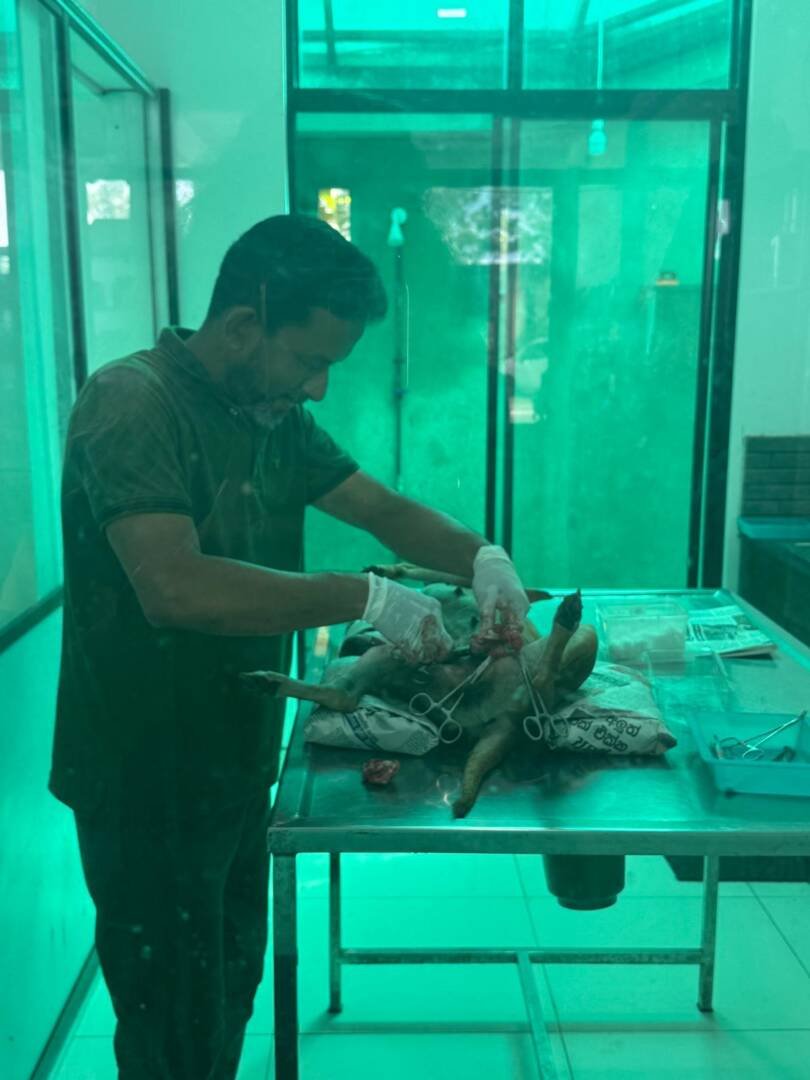
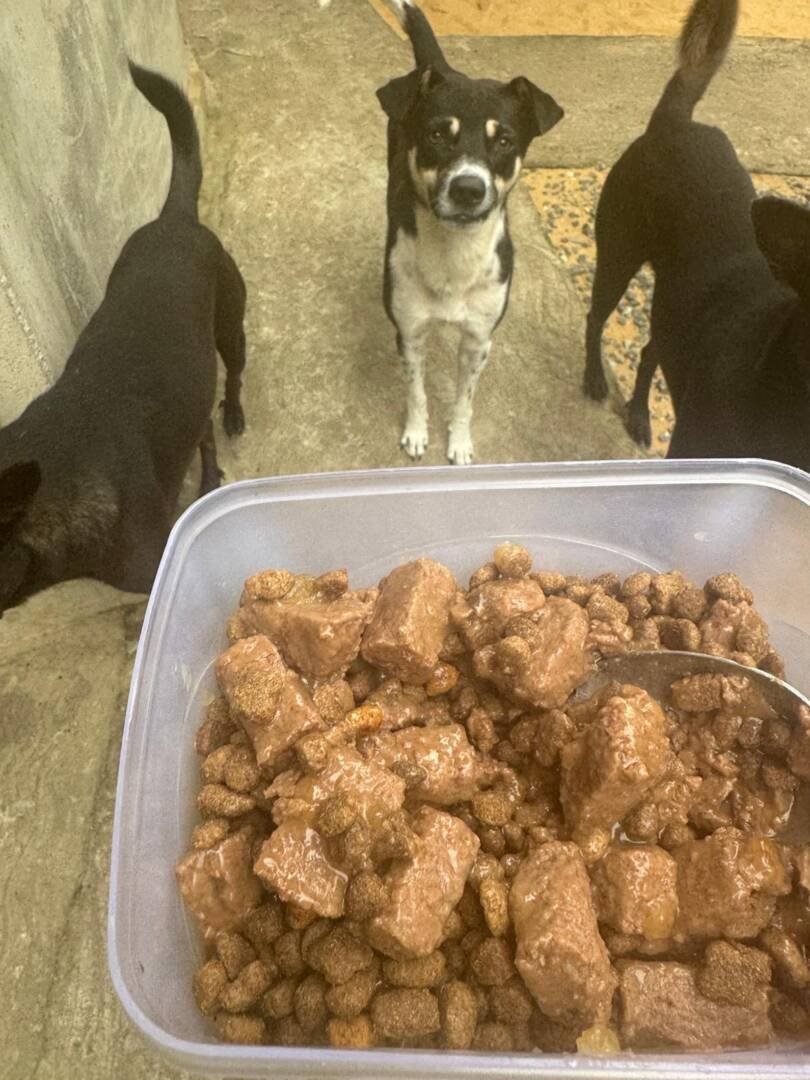
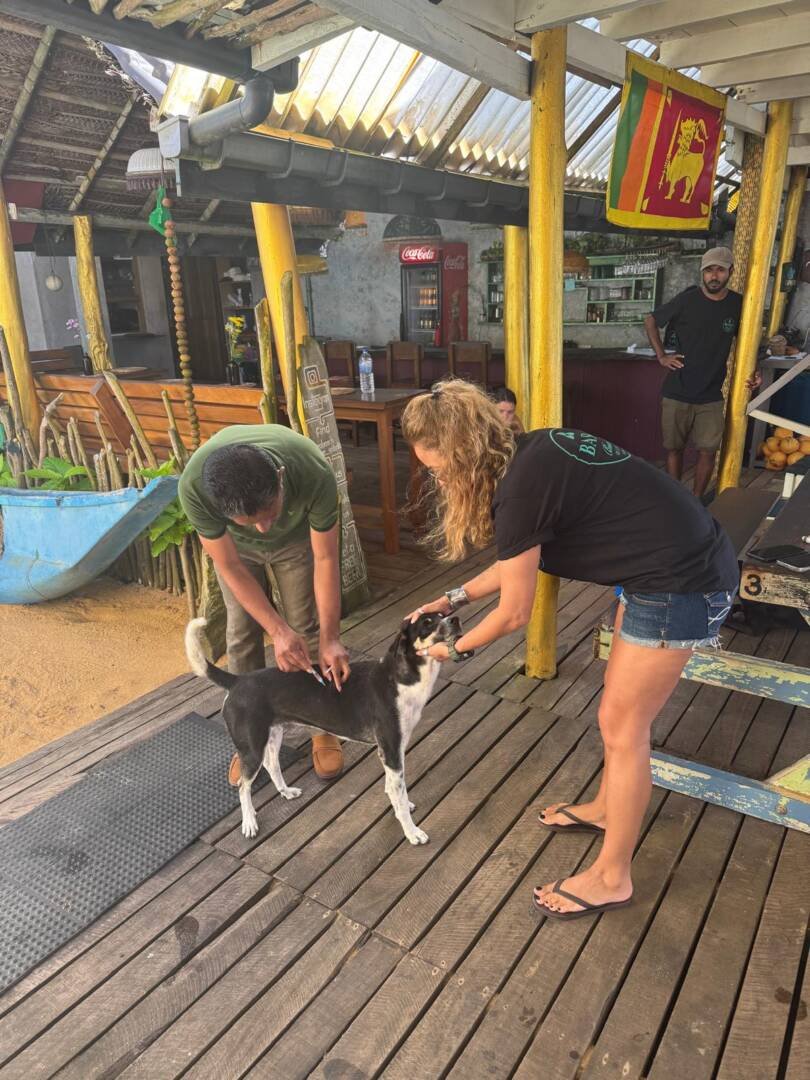
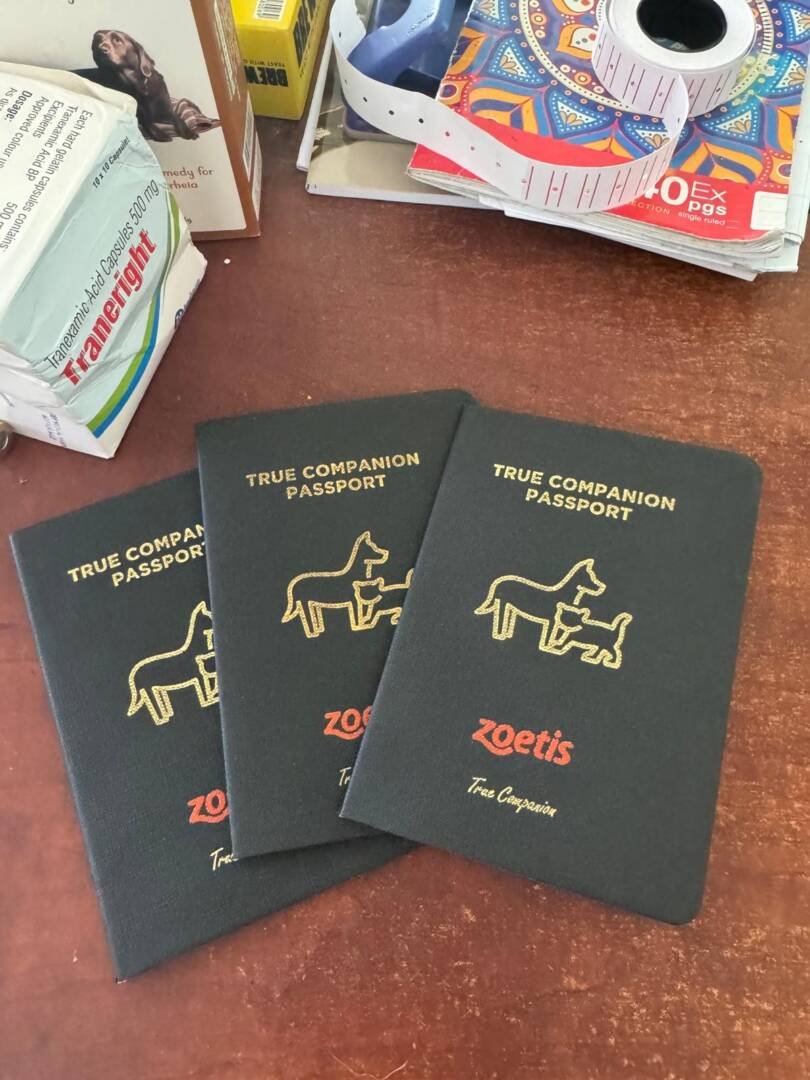
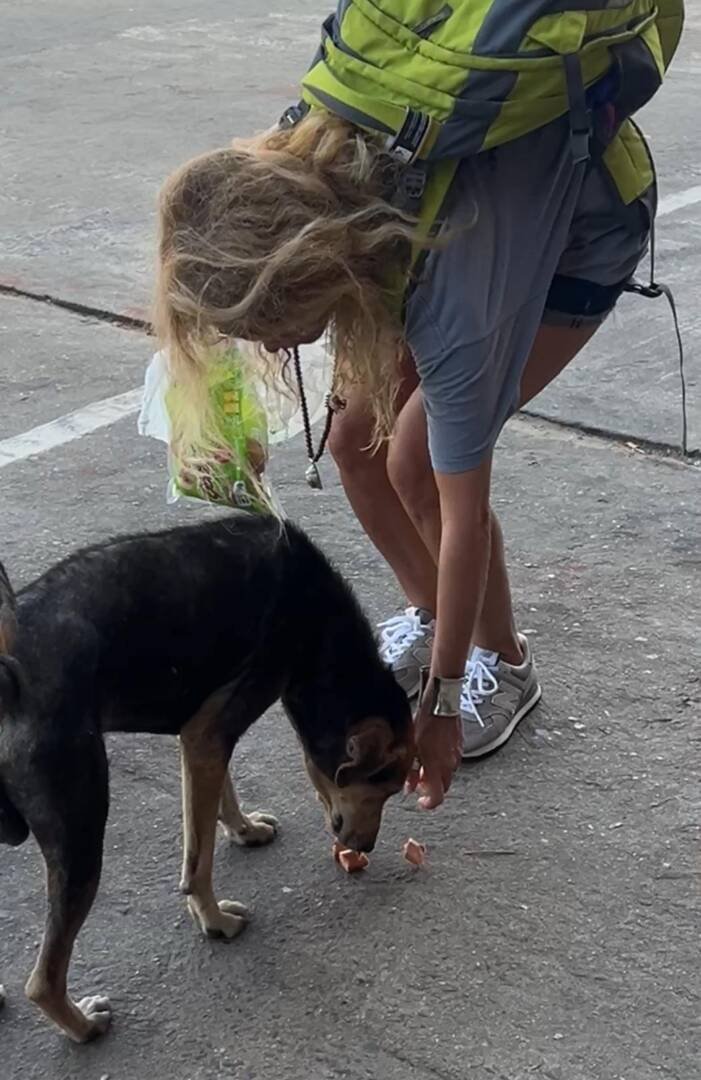
Every year, we travel to Sri Lanka to care for animals who would otherwise have no help. Our work focuses on stray dogs and cats living on the beaches and in nearby areas we are responsible for. We provide regular deworming, vaccinations, medical treatment, and spay and neuter surgeries. Over the years, we have spayed and neutered nearly every dog and cat in the beach area that we are responsible for.

Spay and neuter is one of the most important parts of our work. It is the only long-term solution to reduce the number of stray animals and to prevent endless cycles of suffering, hunger, disease, and abandonment.

To prepare for this trip, we brought two large suitcases filled with food and medicine from Germany to Sri Lanka, knowing that supplies could be difficult to find, especially during a disaster.

Working During a National Flood Disaster

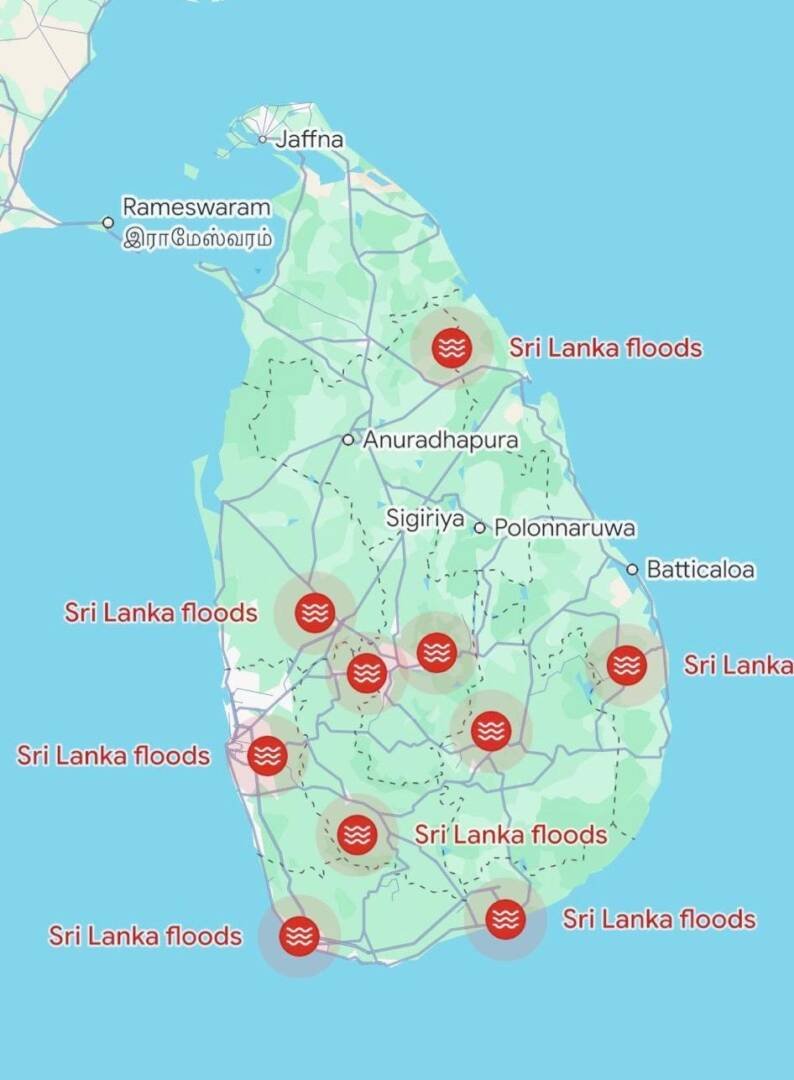
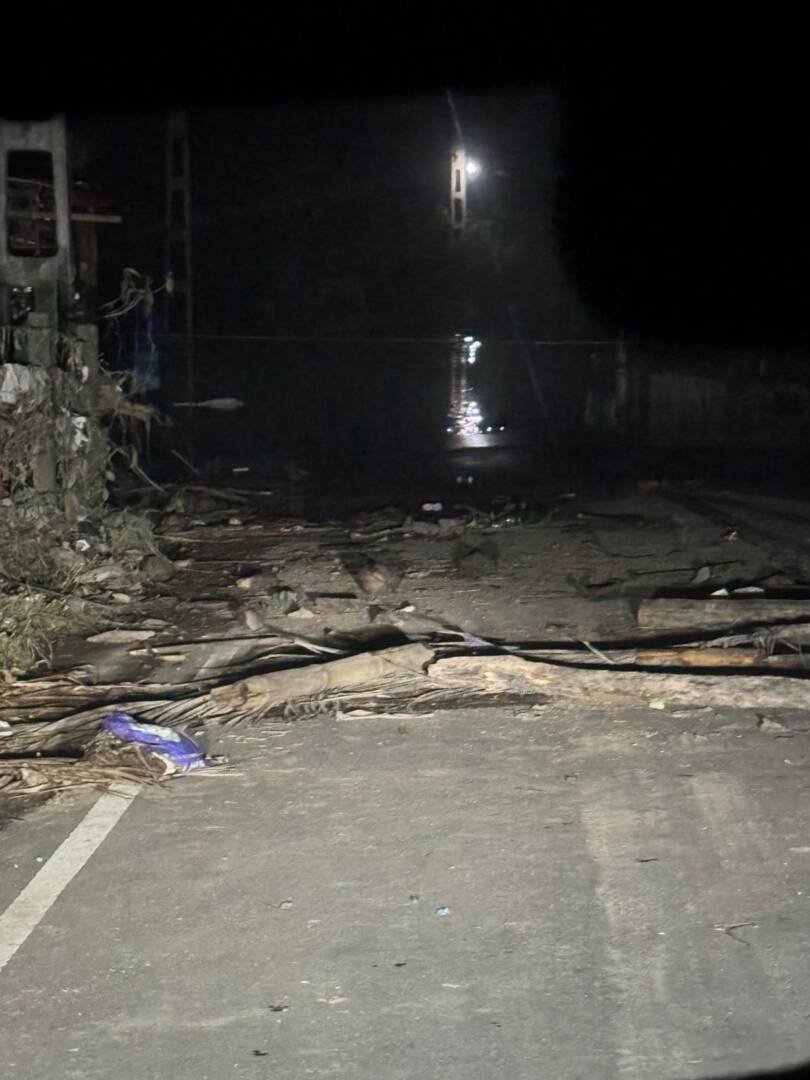
This year, our work took place during one of the worst floods Sri Lanka has ever experienced, following Cyclone Ditwah. Large parts of the country were underwater. Beaches disappeared, villages were flooded, and roads became impassable. At times, we could not even return to the airport because the roads were completely flooded.

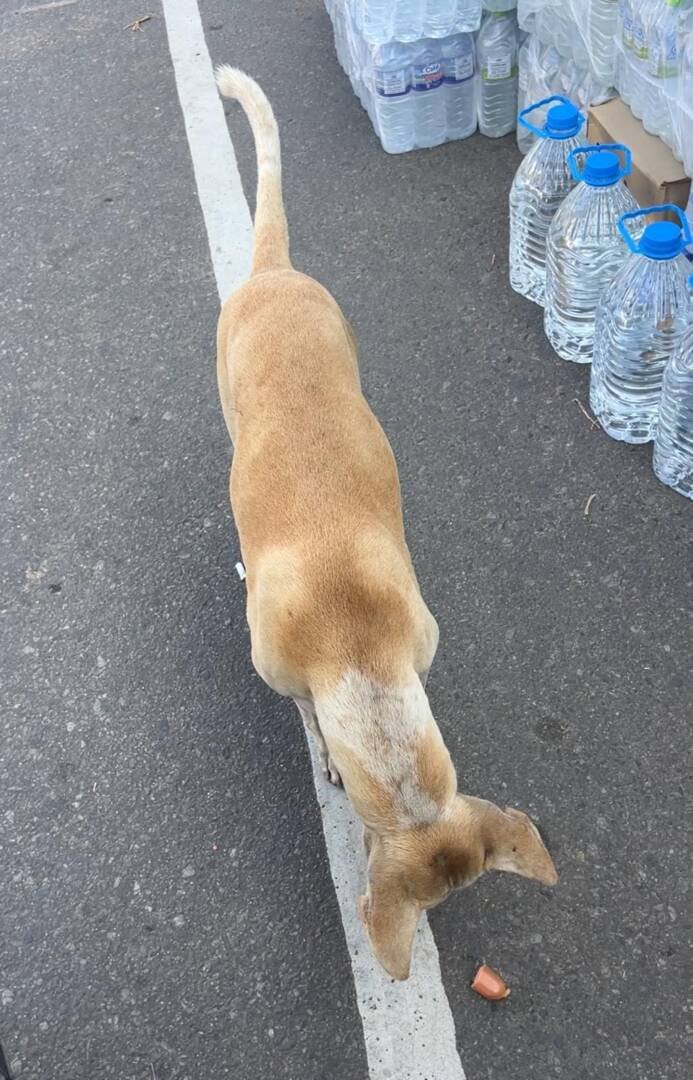
The beaches where the animals live were flooded as well. Many dogs and cats were starving, sick, or displaced by the water. We brought food and clean drinking water to as many animals as possible and continued medical care wherever it was safe to do so.

Despite these conditions, we continued.

Continuing Despite Impossible Conditions

Transportation became a major challenge. Still, we managed to move animals and our own dogs to appointments and treatments—always transporting all three dogs at the same time by tuk-tuk. Yes, we really did. It was not easy, but stopping was not an option.

Our Three Resident Dogs

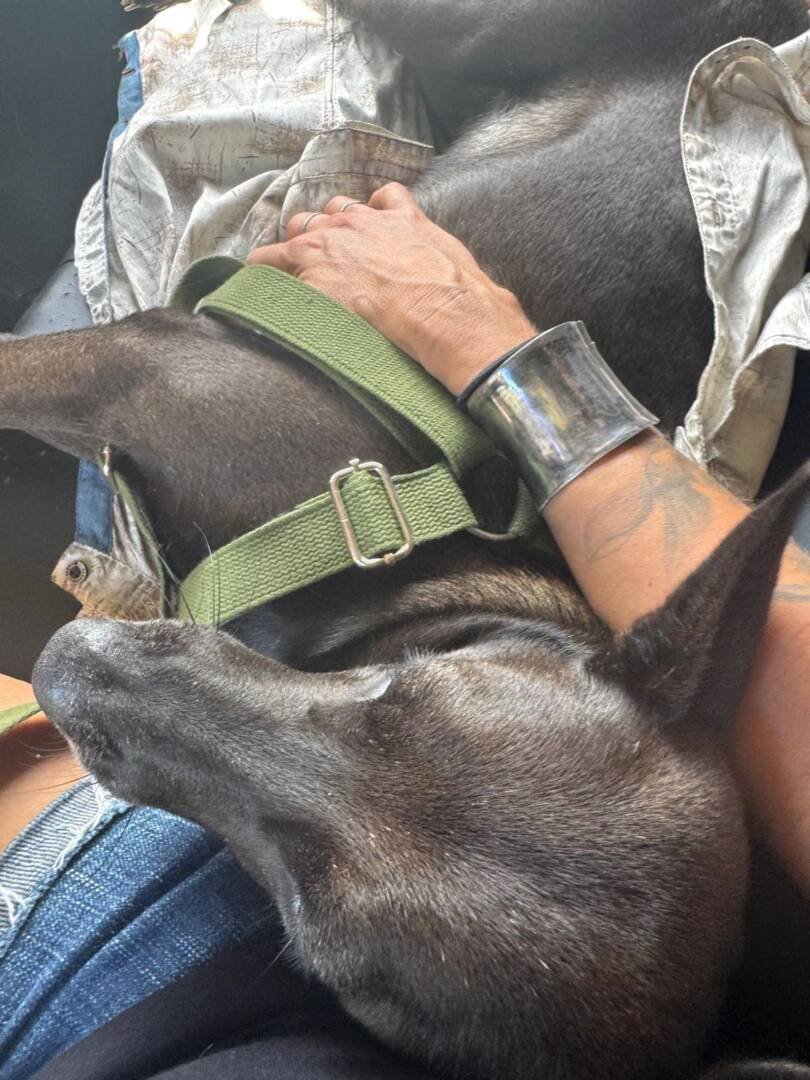
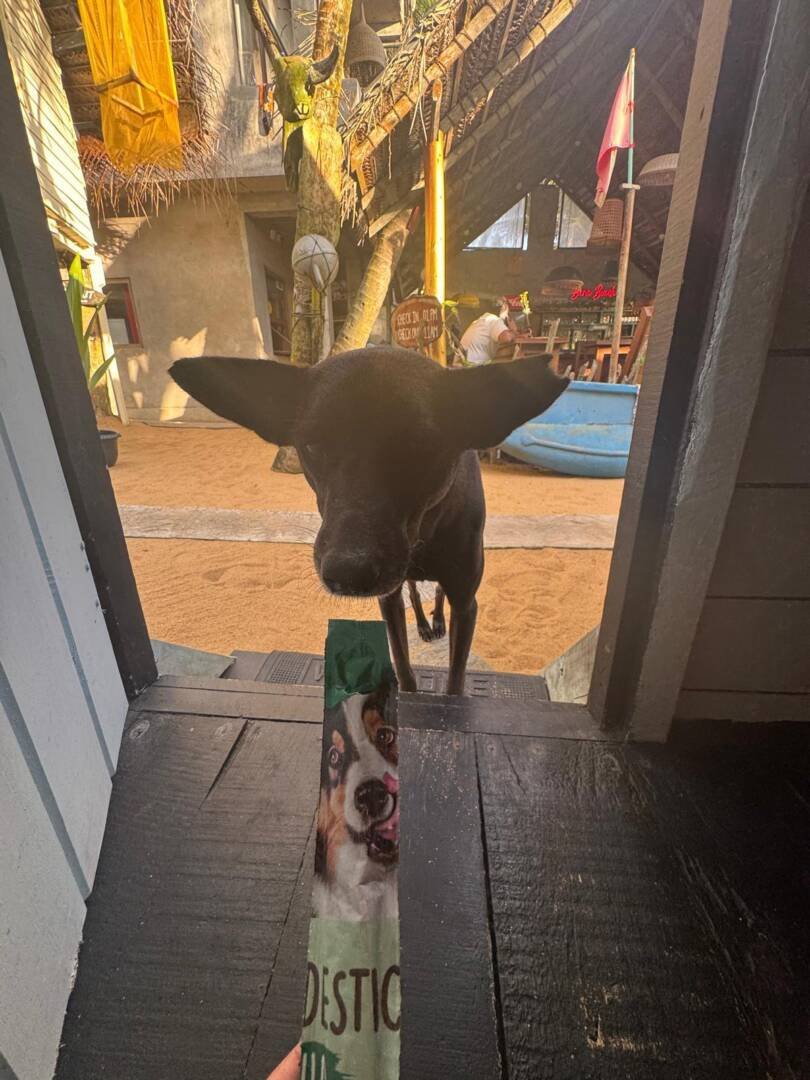
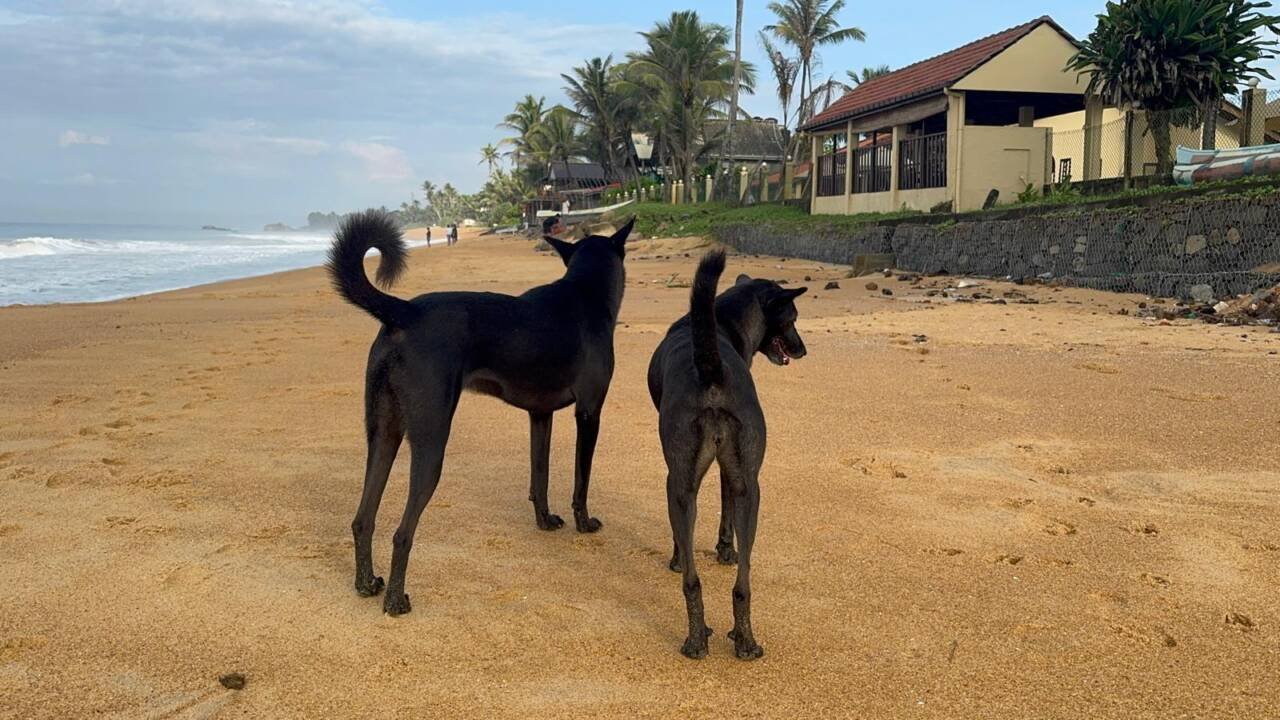
Alongside caring for stray animals, we are also responsible for our three resident dogs: Blackie, Kalou, and Tofu.

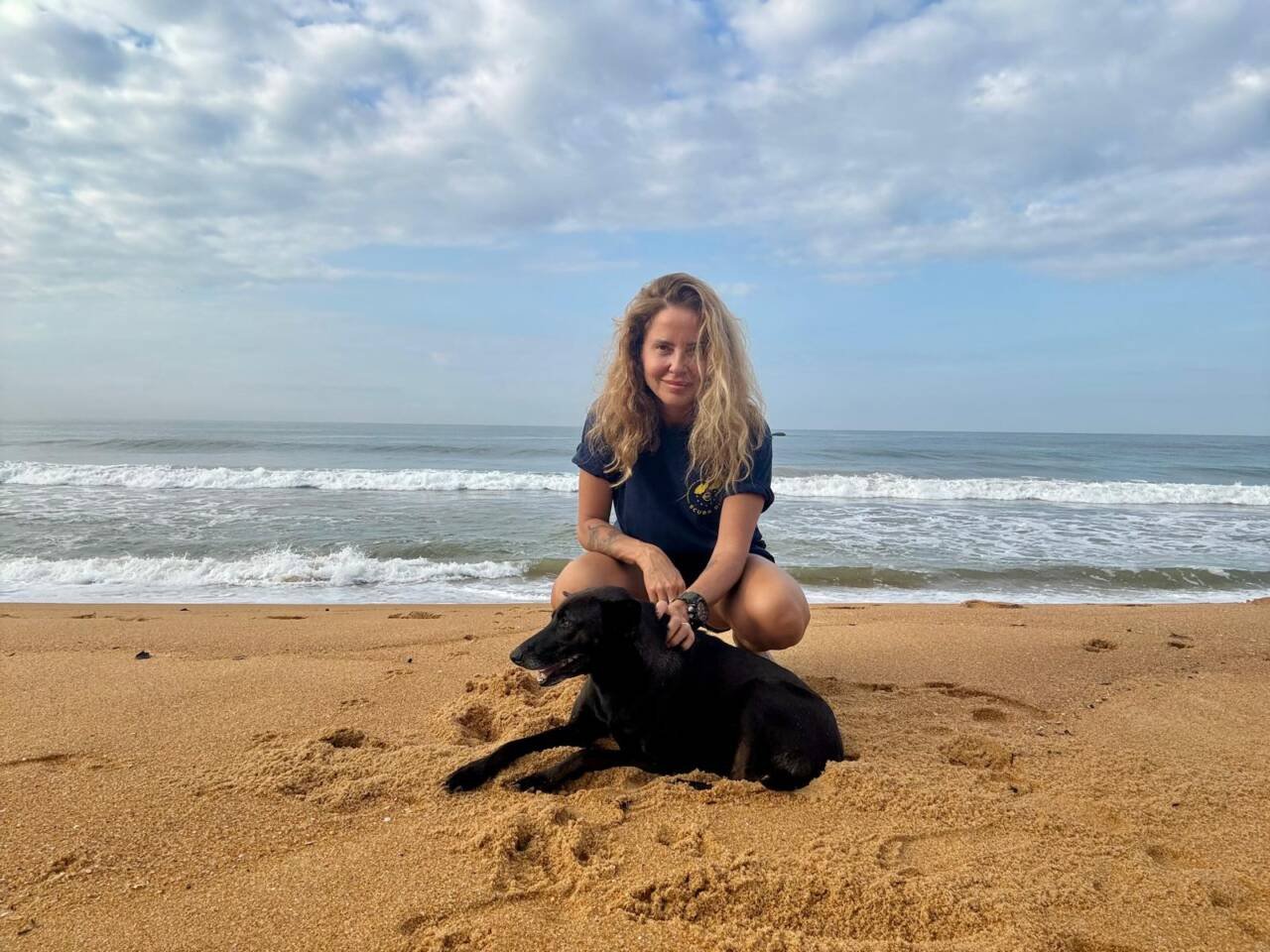
Blackie and Kalou are siblings we rescued four years ago from the beach. Kalou means black in Sinhala. Like many “beach dogs,” they were born into a life of survival. We brought them to our beach tree hotel and hid them for one week while we spoke with the property owner. We asked for permission to keep them permanently if we covered all expenses. The owner agreed, and Blackie and Kalou have been safe ever since.

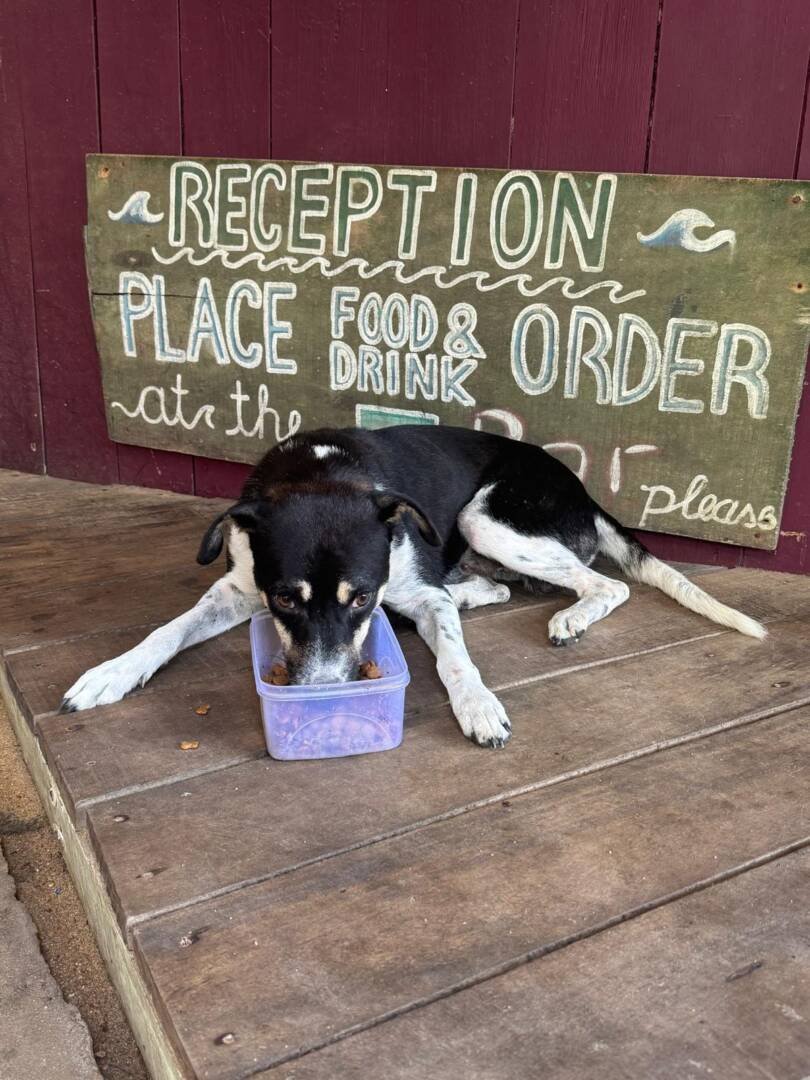
Tofu, black and white, is the newest member of our family and another survivor who found safety with us.

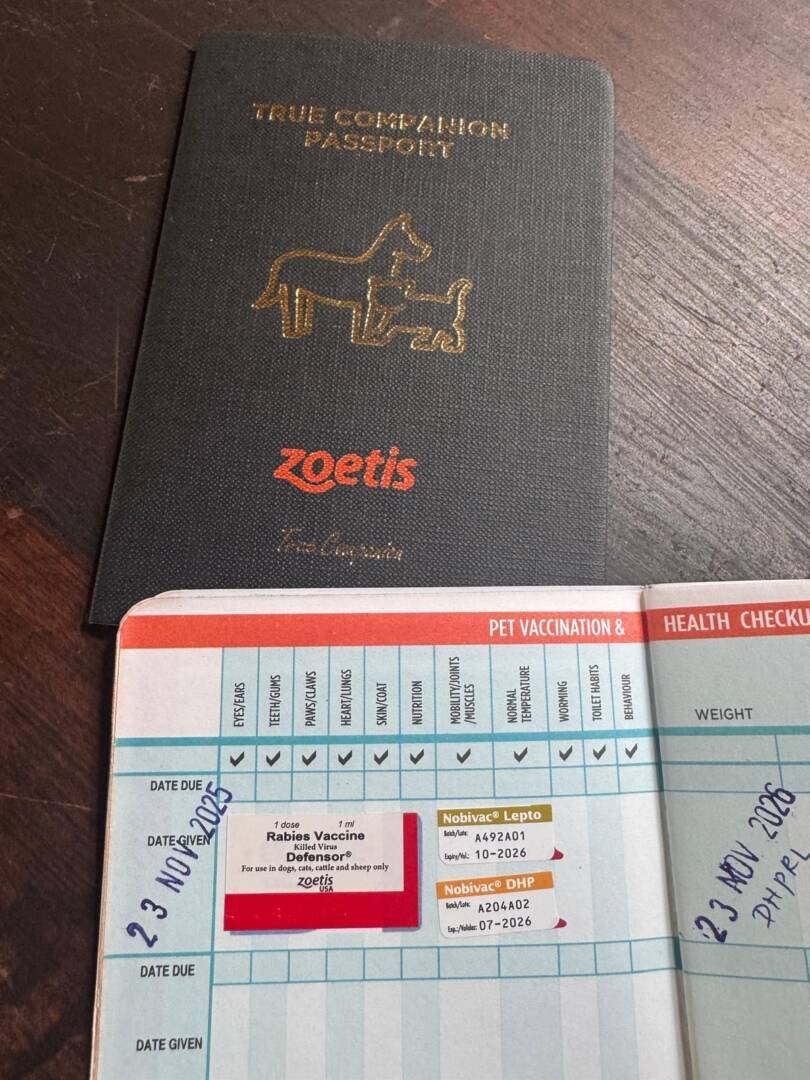
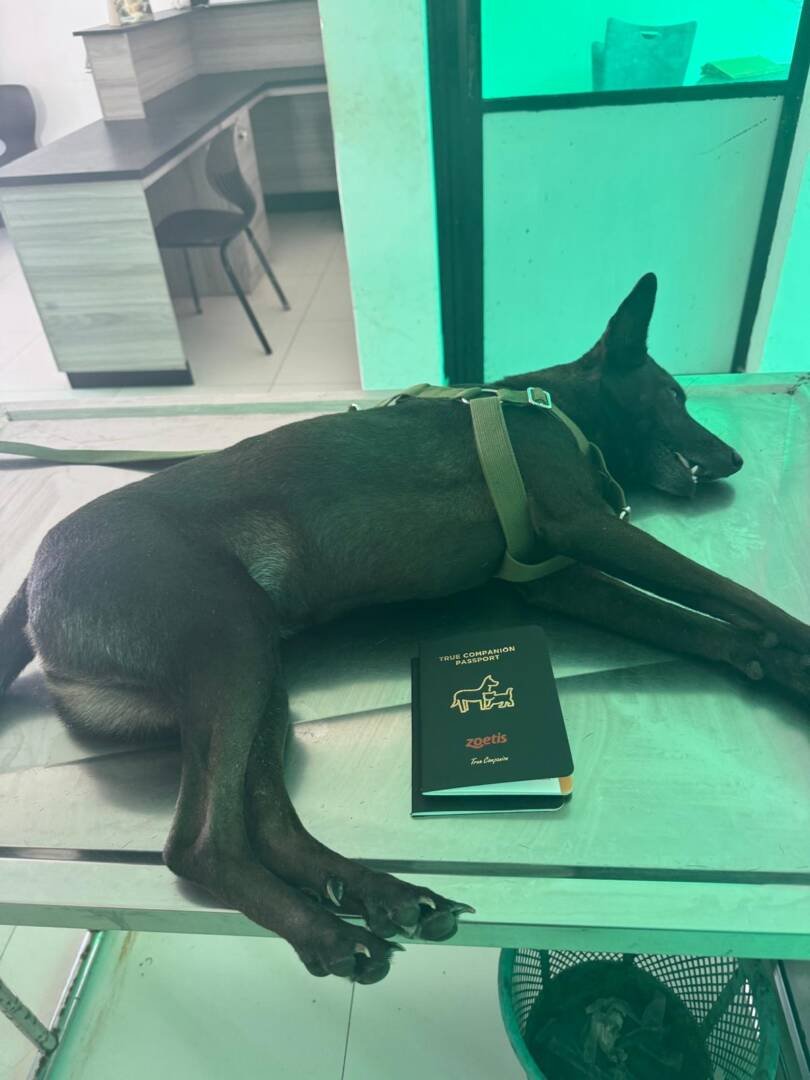
Every year, we provide deworming, vaccinations, and medical care for all three dogs. This year, Blackie was spayed, an important step for her health and responsible animal care.

Helping People During the Floods

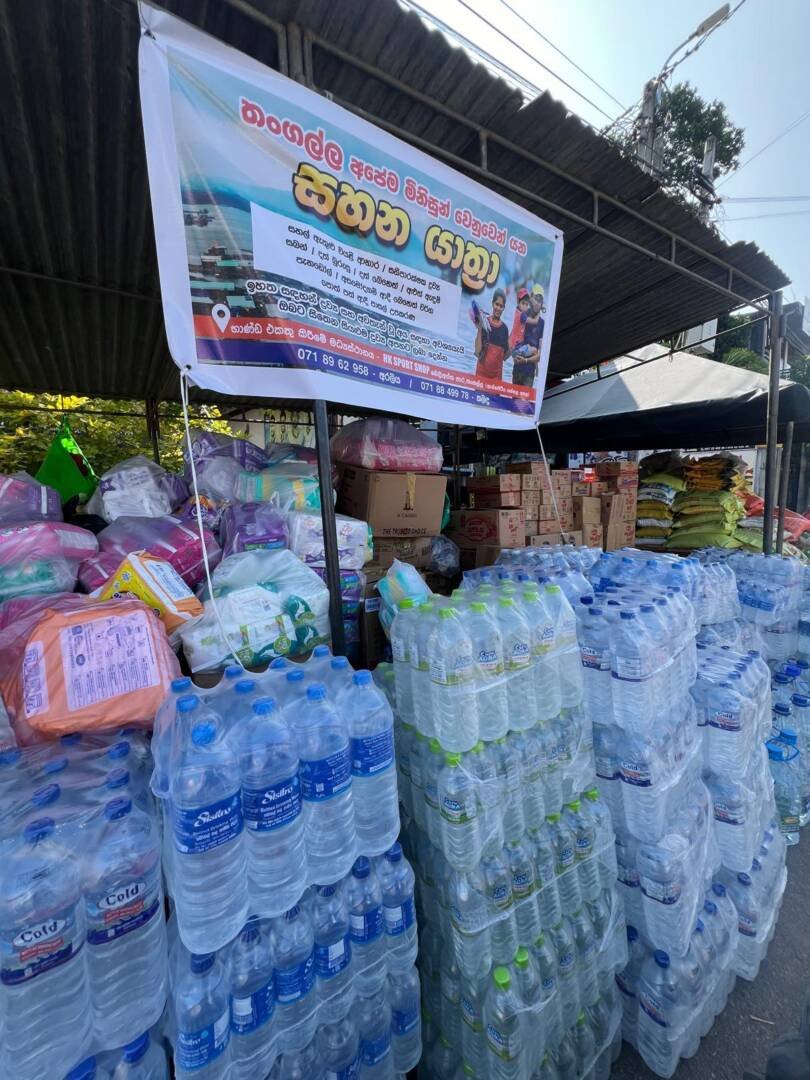
Because of the flooding, we decided to expand our help beyond animals. Many people in nearby villages lost access to basic necessities. We delivered clean drinking water, rice, and baby nappies to families affected by the floods. In times like these, helping animals and helping people cannot be separated.

Our Responsibility

Wild at Life e.V. specializes in working in disaster zones and difficult environments, where animals are often forgotten and fast action can save lives. This is the kind of work we are prepared for—and the kind of work we will continue to do.

This year required more work, more coordination, and more physical effort than ever before. We worked long days under difficult conditions, responding to both an animal welfare crisis and a human emergency at the same time.

A better future does not happen by chance.
It is created through action.
The good in us is shown by the good we do for others.

Animals and people share the same future, and every choice we make matters.

How You Can Help

Please consider donating to our fundraiser and standing with us—so we can keep going, keep helping, and keep making a difference.

Your support allows us to continue this work:

  • €80 spays or neuters one animal

  • €20 deworming treatment

  • €60 full vaccinations, including rabies

  • €150 monthly food for our resident dogs

Thank you for standing with us and supporting animals and people in Sri Lanka.

Spread the news!

Help us increasing social commitment in saving endangered wild species. Express your support by sharing this article in your favorite social media channel.

Facebook
Twitter
LinkedIn
Pinterest
WhatsApp
Email

You may also like...

Share this story!

World Orangutan Day: Their Forest Is Their Future

August 19, 2026

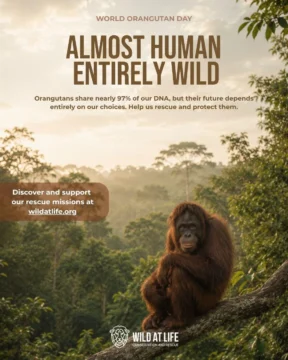
This World Orangutan Day, we stand with one of our closest and most vulnerable relatives. Orangutans are losing their forest homes to deforestation, habitat destruction, and the illegal wildlife trade, pushing these remarkable great apes closer to the brink. Wild

Share this story!

Celebrating World Elephant Day

August 12, 2026

On World Elephant Day, we celebrate these magnificent and intelligent giants while shining a light on the urgent threats they face. Wild at Life is on the front lines, conducting vital elephant rescue missions and providing a safe haven through

Share this story!

World Lion Day

August 10, 2026

On World Lion Day, we celebrate the strength, beauty and spirit of one of the world’s most iconic animals. For more than a decade, Wild at Life has stood beside lions in some of the world’s most difficult places, working

Share this story!

Overlooked: A Silent Extinction

August 9, 2026

Overlooked: A Silent Extinction is a short wildlife conservation film that gives a voice to one of Africa’s most iconic yet increasingly overlooked animals: the giraffe.

Share this story!

The story behind Wild at Life

July 17, 2026

Wild at Life founder Aslihan Gedik spoke with H24 / Hinterlegungsstelle about our work protecting wildlife and biodiversity. In its June 2026 newsletter, H24 published an interview with Aslihan Gedik, founder of Wild at Life. The conversation introduces our mission

Share this story!

World Chimpanzee Day: Protecting Their Future

July 14, 2026

Every chimpanzee taken from the wild leaves behind a family torn apart. Many young chimpanzees become victims of the illegal wildlife trade after their mothers are killed to capture them. Others lose their homes as forests disappear, forcing them into

Search for more