News from the wild

Our Work, Our Loss, Our Commitment

Latest Updates from Our Work in Türkiye

Published on: September 6, 2026
Categories:
Tagged: #

A Devastating Loss: Our Shelter and Everything We Built

What happened to us in Ankara is something we are still struggling to put into words.

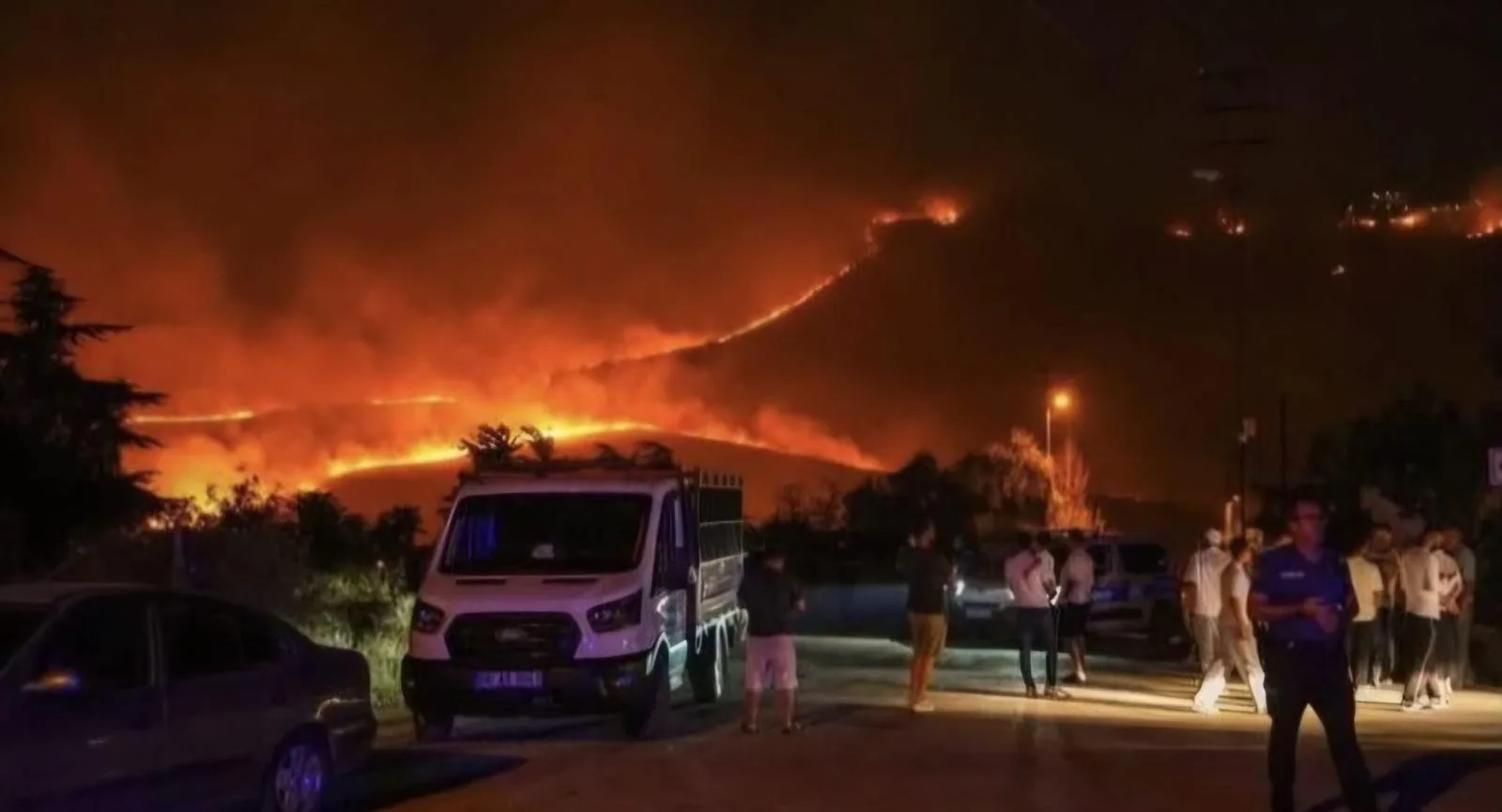
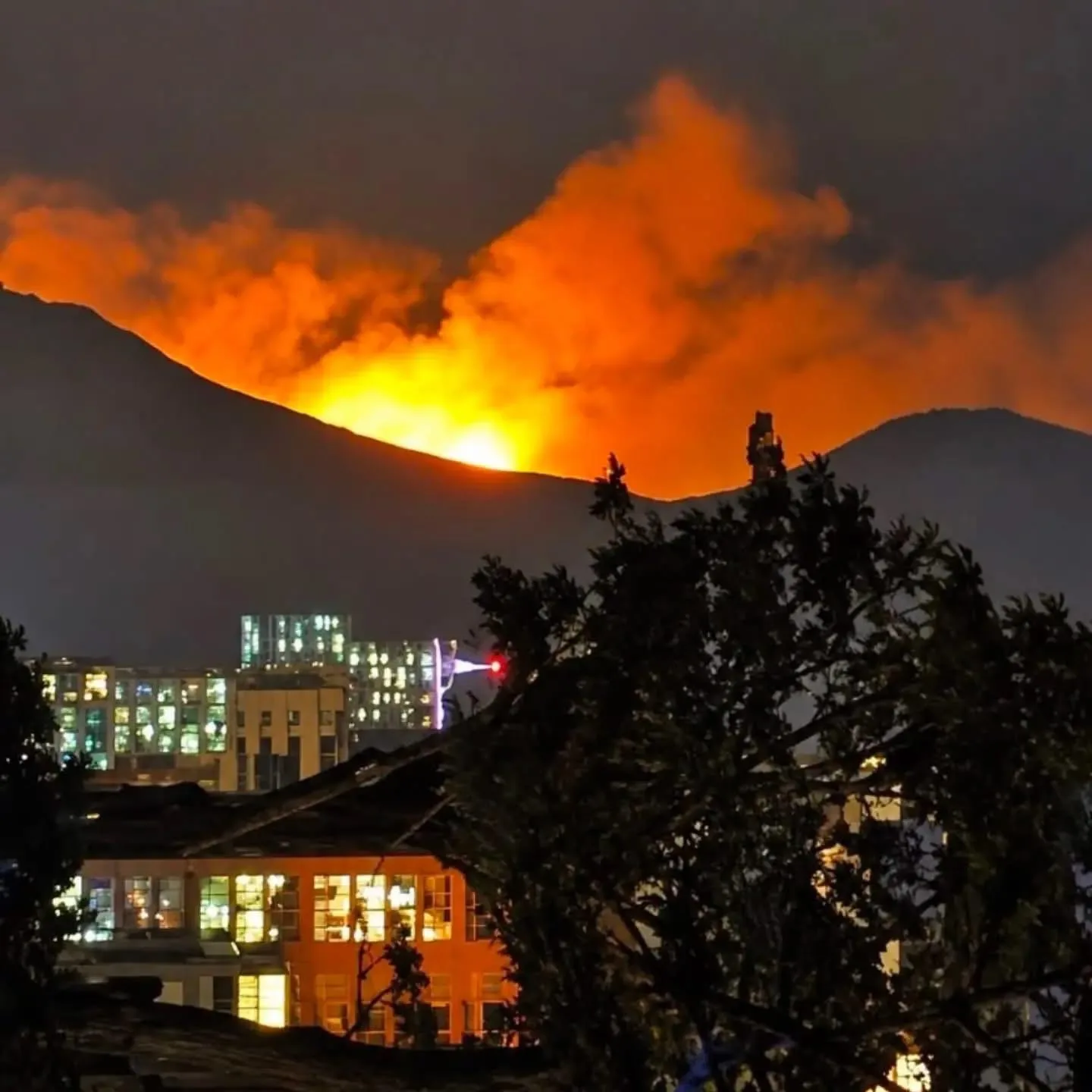
A huge area of green land in Ankara was deliberately set on fire. We saw the man responsible burning the area on video. The fire destroyed the land where we had been carrying out our work — including our dog shelter and the new fencing we had been building.

Everything is gone.

The shelter. The fencing. The infrastructure. The place where we cared for animals and planned their future. Years of work, countless hours, our financial resources, and the land itself have been lost.

But what hurts most is what that place represented.

We had a vision: to establish the first safe shelter in Turkey specifically designed to provide protection and a pathway to a better future for dogs, including international adoptions.

It was meant to be a place where abandoned and vulnerable dogs could finally be safe. A place where they could receive veterinary care, recover, be loved, and — when possible — find families in Turkey or abroad.

We were building that future.

And someone burned it down.

We lost an enormous amount financially, but the real loss cannot be measured in money. We lost a place that was supposed to save lives.

Yet we refuse to let this fire destroy our purpose.

The shelter may be gone. Our commitment is not.
120 Dogs and 80 Cats Rescued in Just 8 Months

While we are grieving what we lost, animals are still being abandoned, injured, poisoned and left without anyone to protect them.

In only eight months, Wild at Life e.V. has rescued:

  • 120 dogs
  • 80 cats
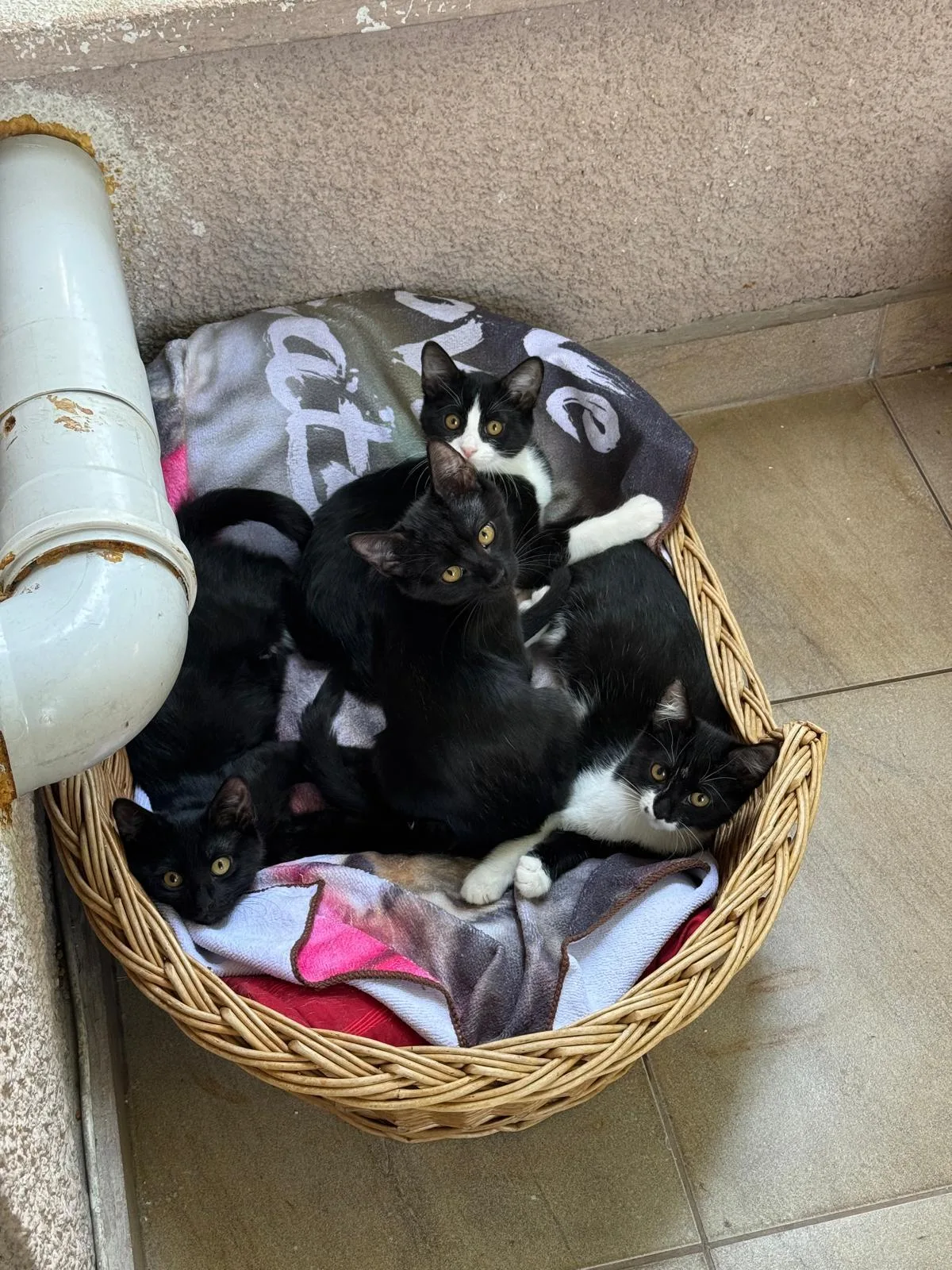
  • 25 kittens this year alone
  • A rescued bird and countless other animals requiring emergency intervention

Many of these animals arrived in desperate condition.

Some needed immediate surgery. Others needed treatment for severe injuries, poisoning, infections, malnutrition or trauma.

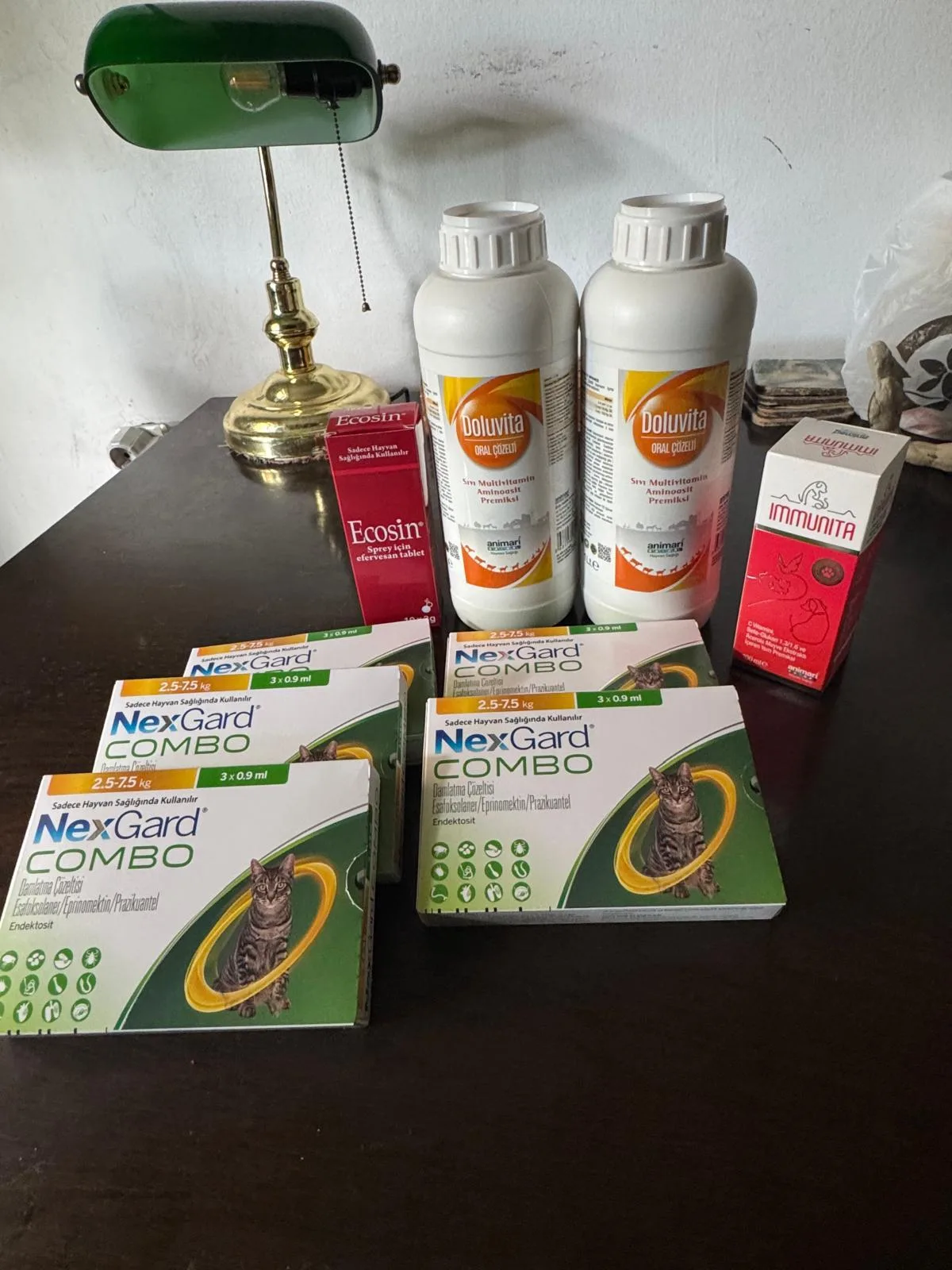
We have continued to take them to veterinarians, organize operations, provide medication, vaccinations and rehabilitation, and give them the care they would otherwise never receive.

Our Latest Puppy Rescue

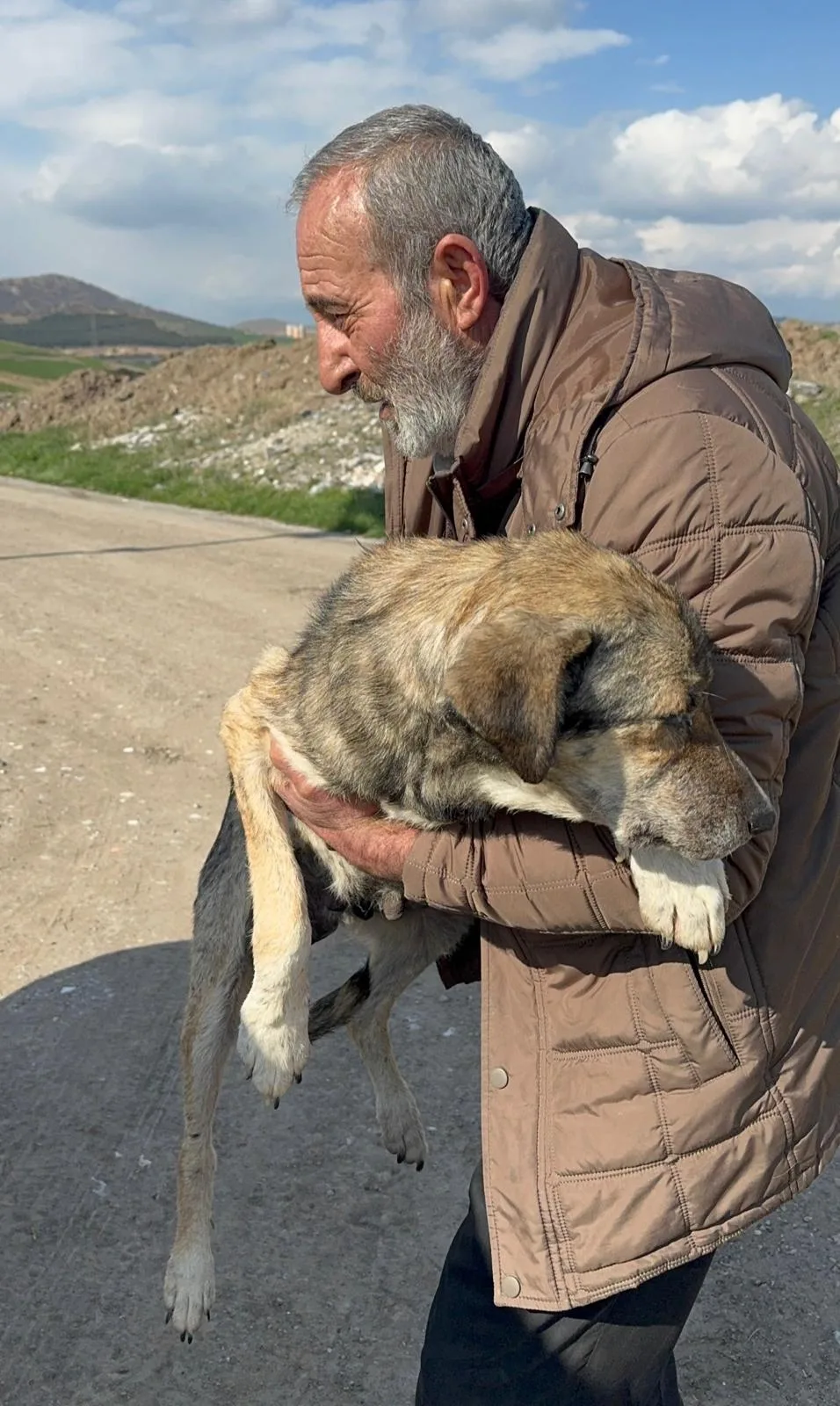
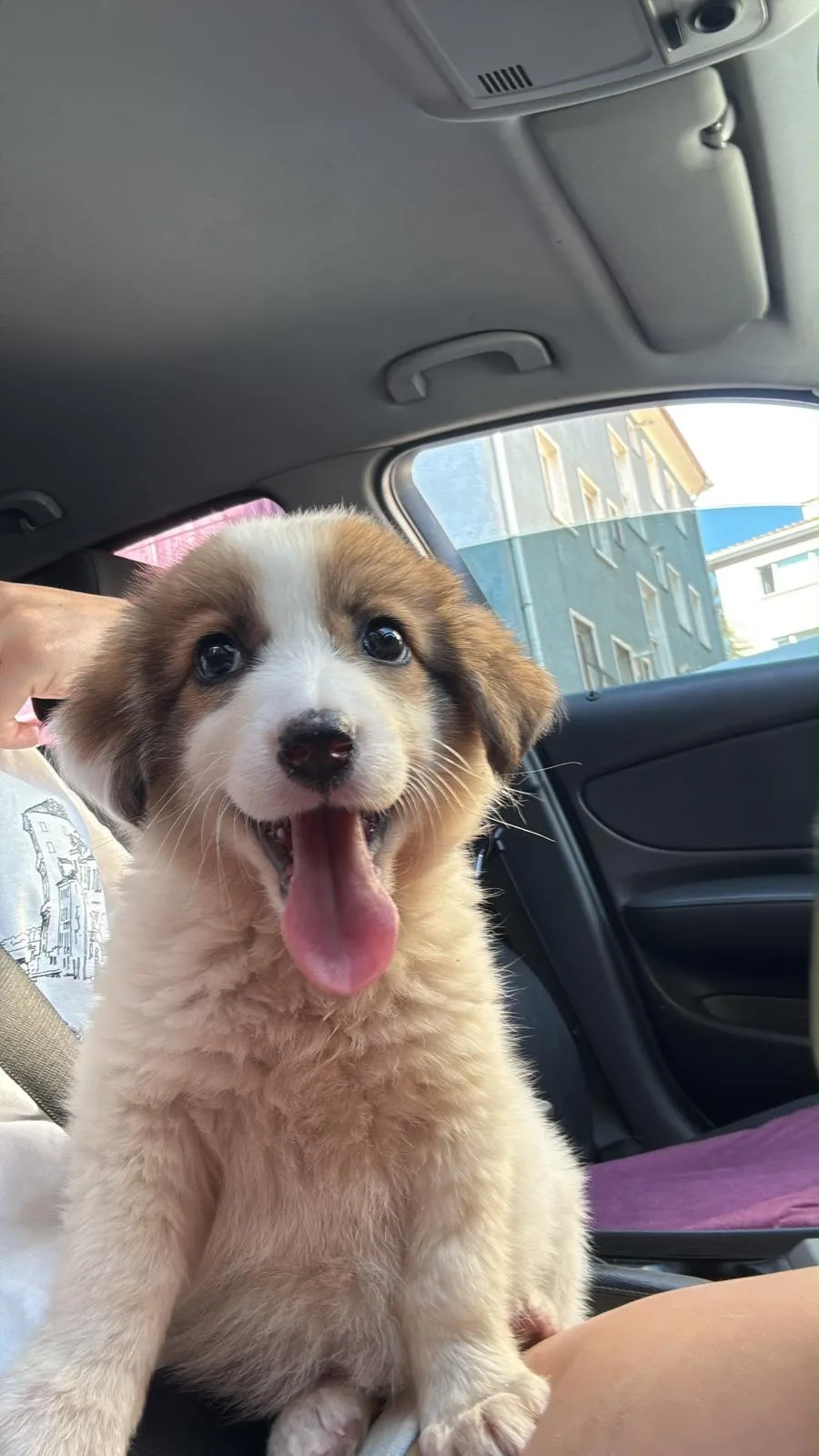
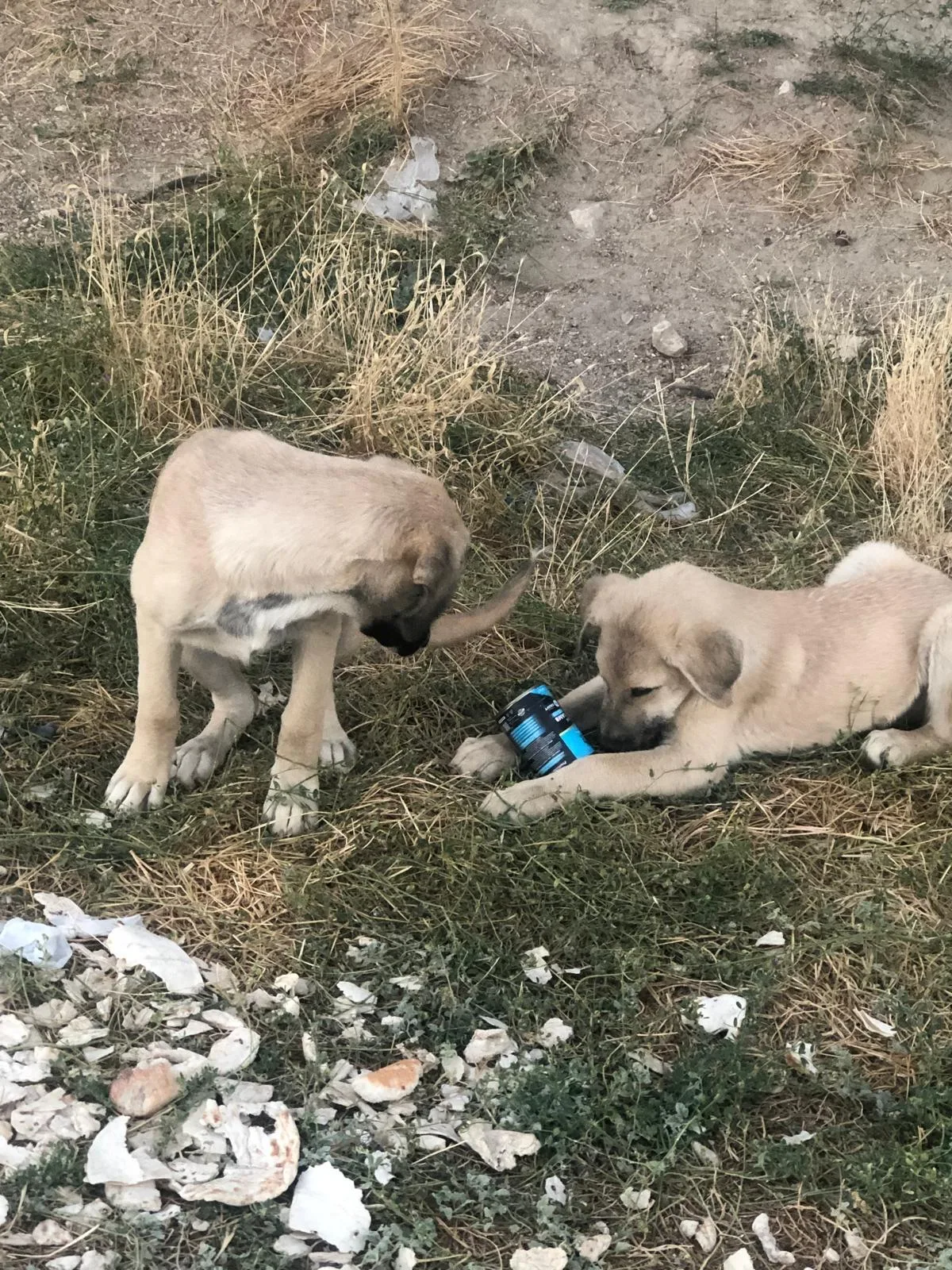
Our latest rescue is one of countless puppies and dogs who urgently needed help.

We are currently trying to bring this little puppy to the Netherlands, where he may have a home with one of our Board Members.

For us, rescue does not end when an animal is taken off the street.

It means veterinary care.
It means vaccinations.
It means treatment.
It means finding safety.
And, whenever possible, it means finding a loving permanent home.

We are doing everything we can to give this puppy that chance.

Emergency Veterinary Care Saves Lives

Rescue is often only the beginning.

We have provided urgent operations, spaying and neutering for 55 animals, alongside countless additional veterinary treatments.

Among the animals we rescued was a dog with a broken spine — an animal who would have had almost no chance without intervention.

We also rescued a dog who had been attacked with a poison dart, an horrific method that dog catchers wanted to use to kill her.

We stepped in.

She deserved a chance to live.

And we continue to give that chance to animals every single day.

Protecting Cats and Dogs Through Vaccination

Prevention is just as important as emergency rescue.

We have vaccinated 320 dogs, as well as numerous cats.

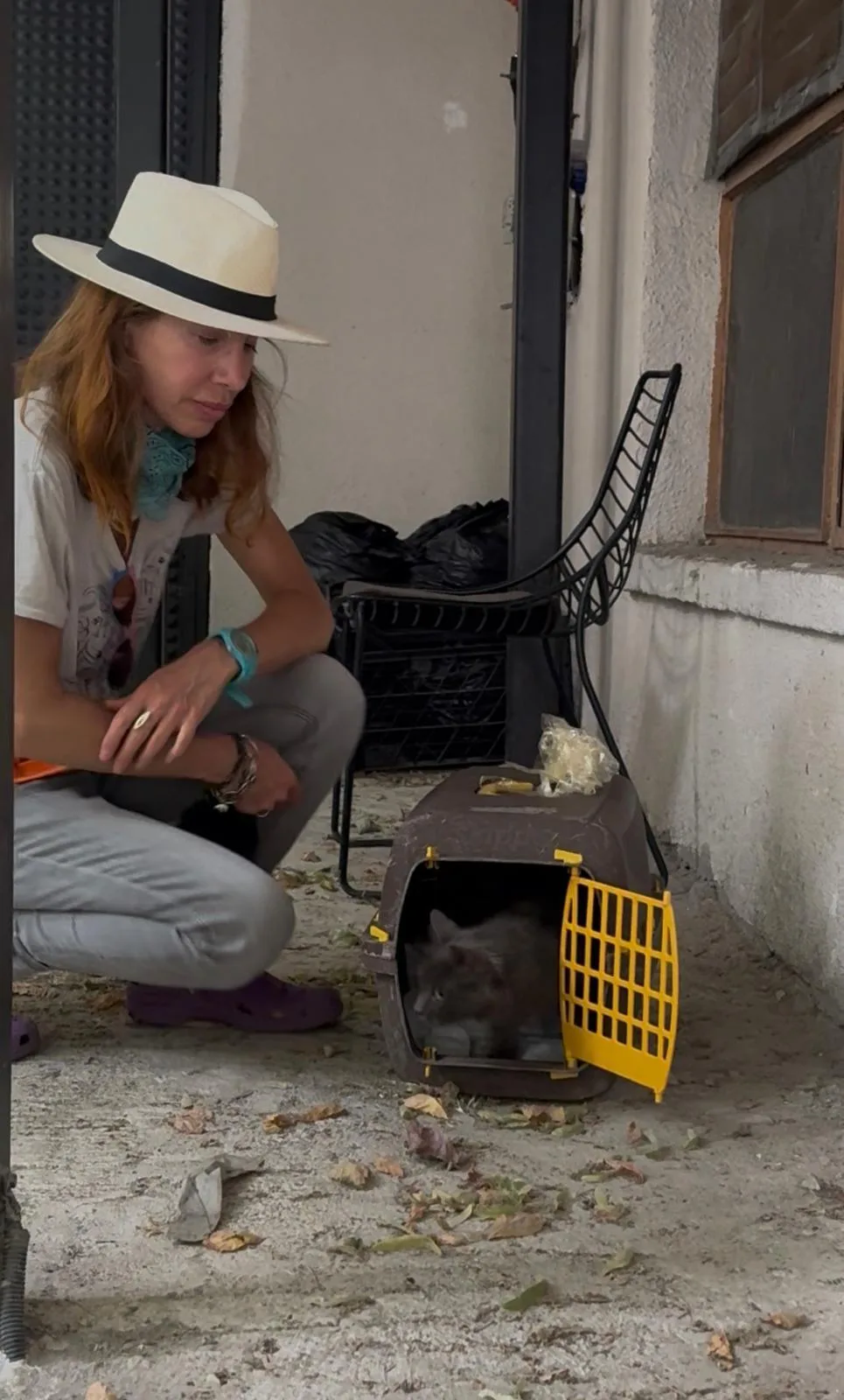
We have spayed and neutered animals, provided vaccinations, carried out medical treatments and returned many healthy cats to the streets where they live.

For community cats, returning them to their territory after treatment is often the safest and most responsible solution.

Our goal is not simply to remove animals from the streets.

Our goal is to protect them, reduce suffering, prevent uncontrolled breeding and improve the lives of the animals who remain.

40 Tons of Food for Animals in Need

Every rescue organization knows that saving animals also means feeding them.

So far, we have brought approximately 40 tons of food to animals in need.

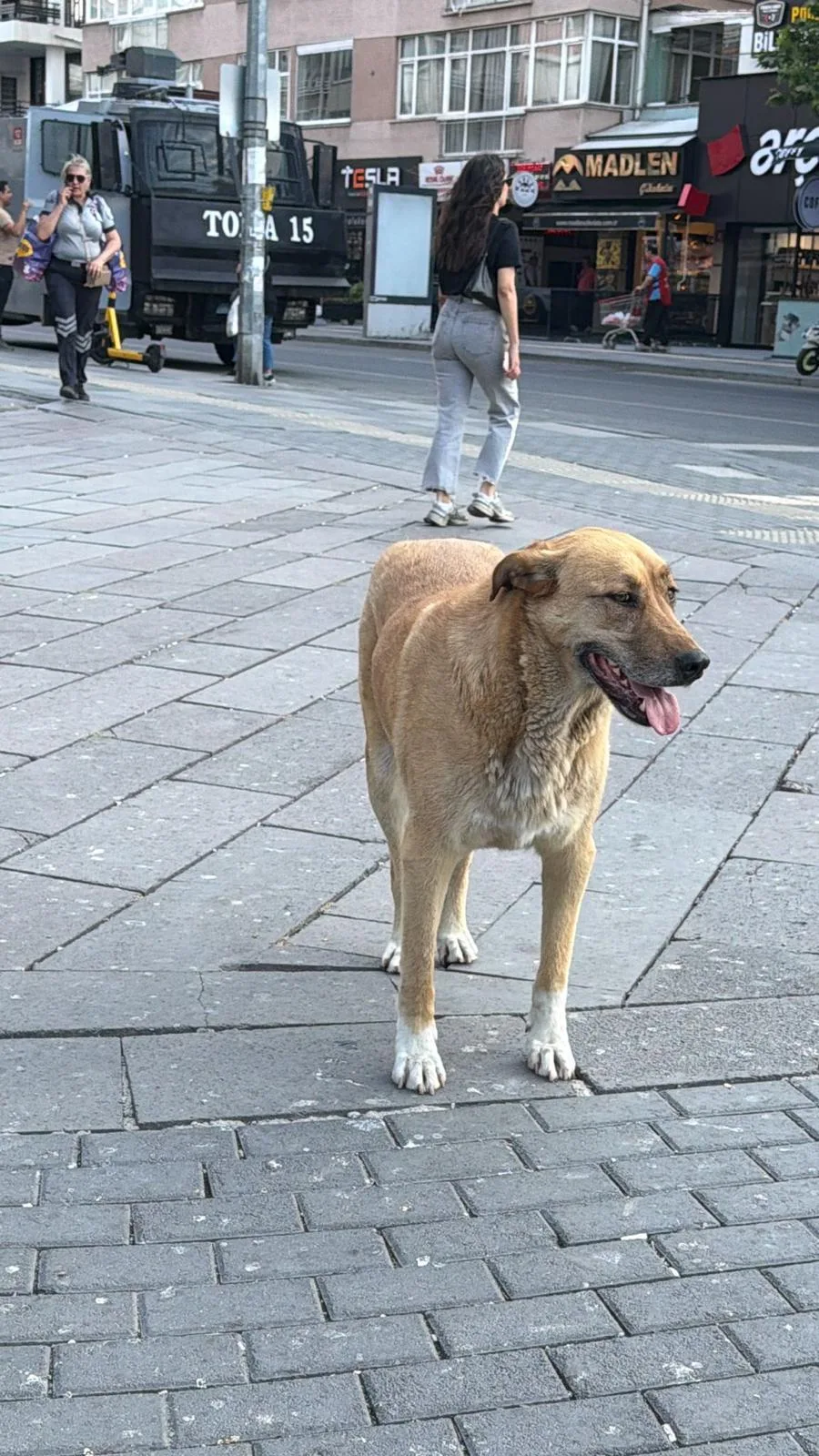
And we continue feeding at countless locations — especially throughout Anatolia, where animals can be left without reliable access to food or water.

At every corner, there are animals waiting.

Dogs. Cats. Puppies. Kittens.

Many have nobody else.

So we continue to go.

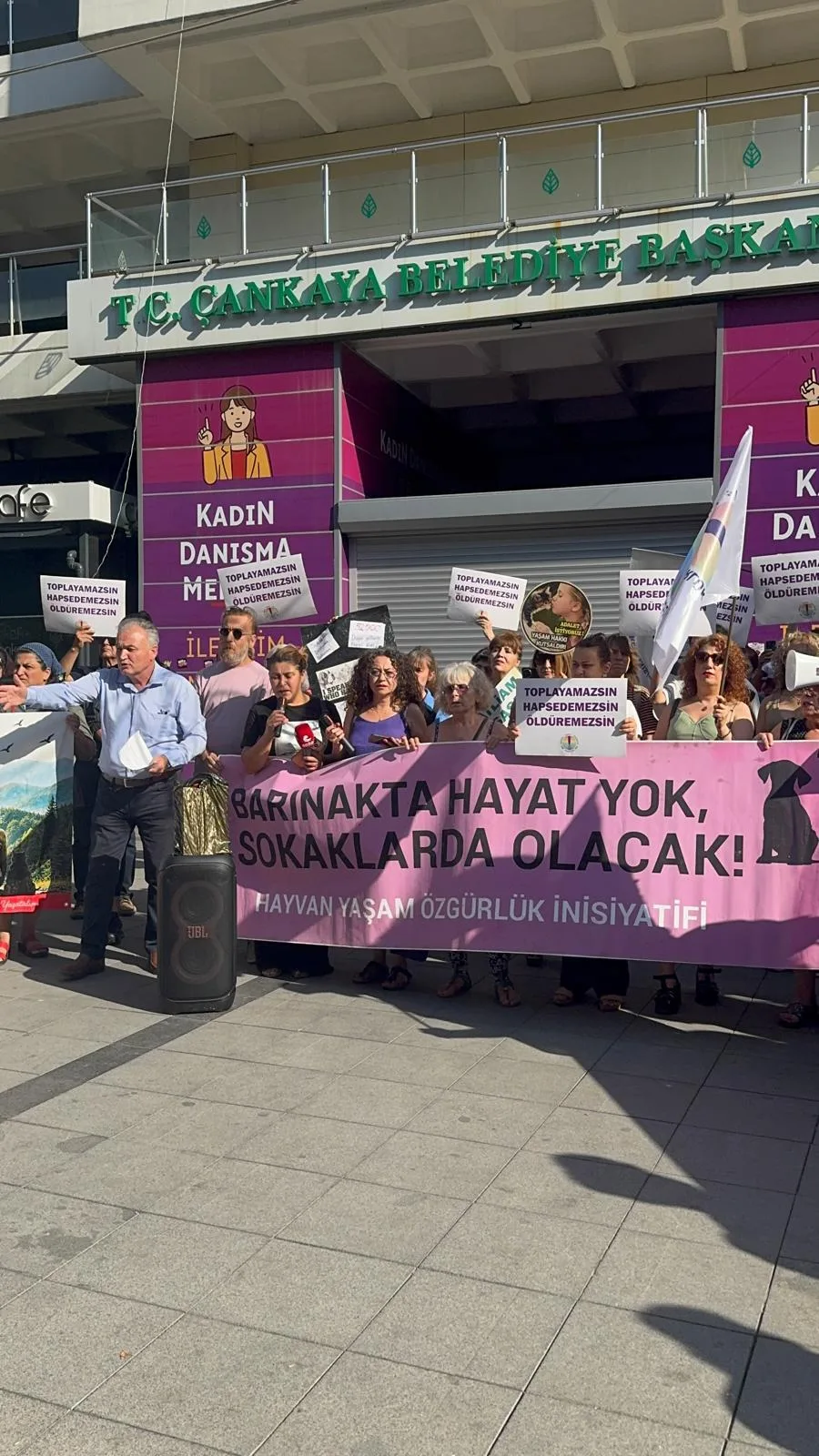
The Struggle Against the Killing of Stray Animals

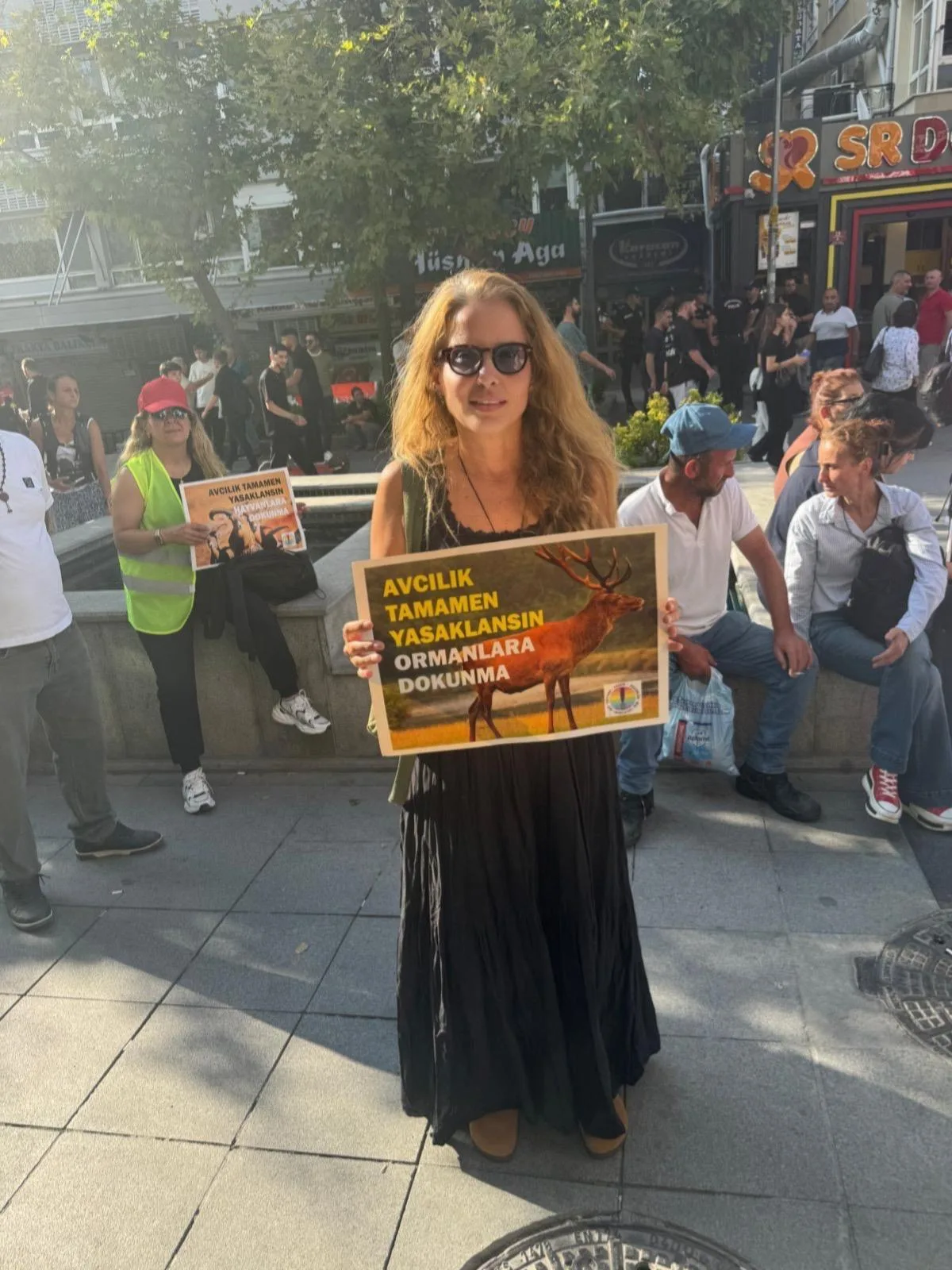
For the past two years, we have not remained silent.

We have protested on the streets.
We have petitioned.
We have raised awareness.
We have spoken out.
And we have rescued animals who would otherwise have been left behind.

We also organized and participated in actions surrounding the second year of the official stray-animal killing law.

This is not something we do occasionally.

For two years, we have been fighting every single day.

We will not hold back.

Because behind every number is an individual animal.

A dog who feels fear.
A cat who feels pain.
A puppy who wants to live.
A kitten who has never known a safe home.

Massacre Survivors Need Urgent Help

We are saving the Turkish strays from mass killing, enforced in 2024 by the amendment of the law.

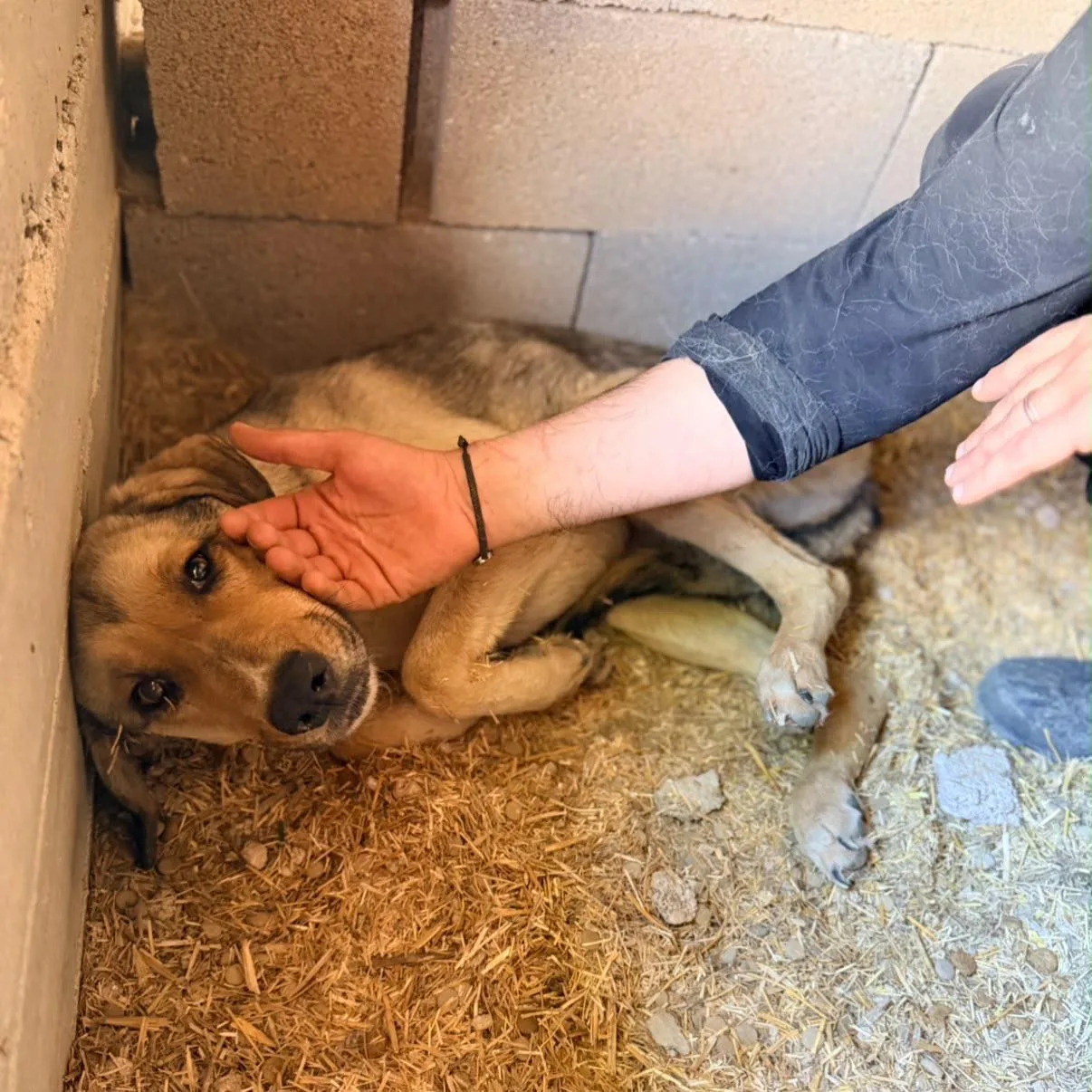
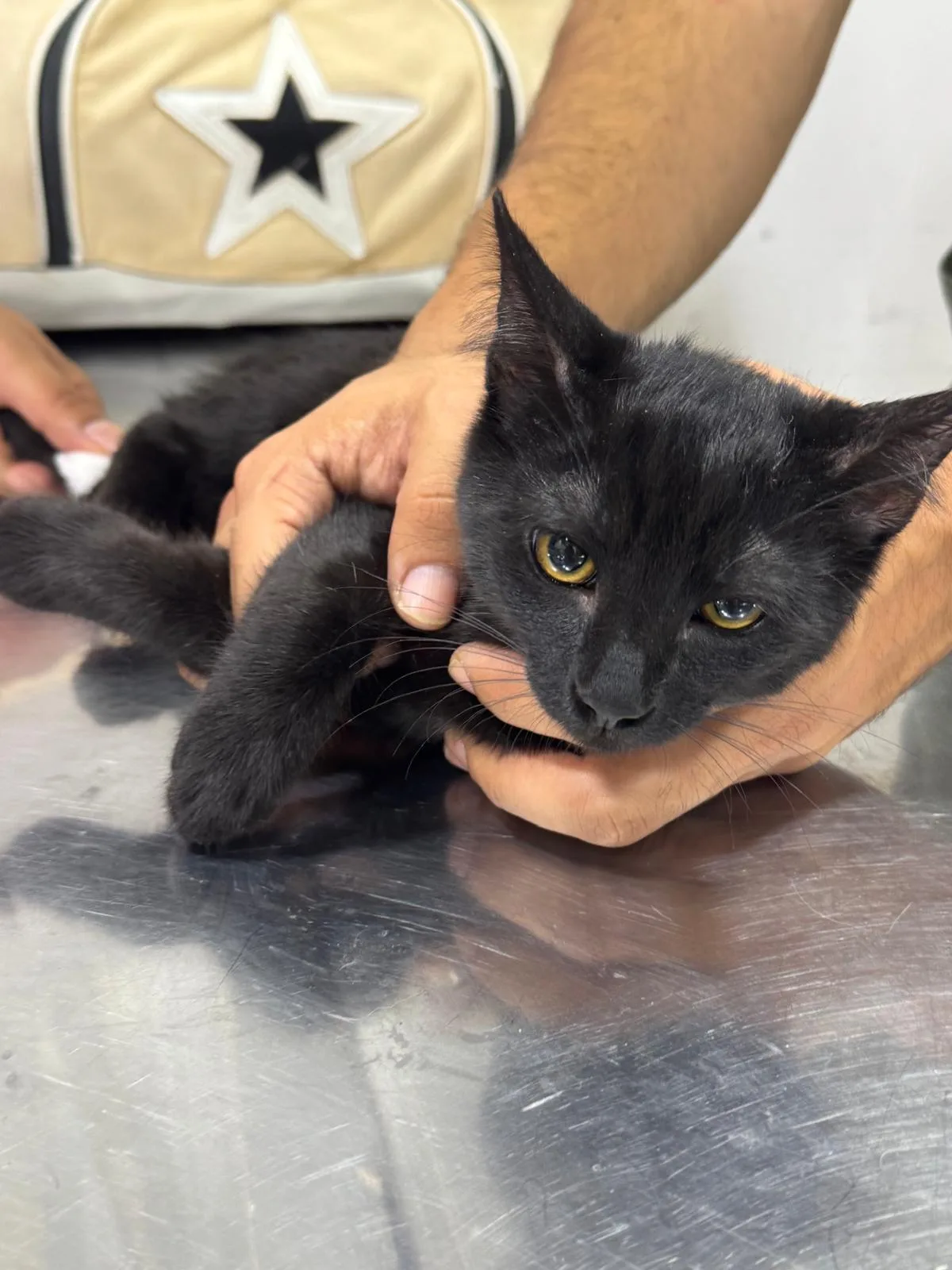
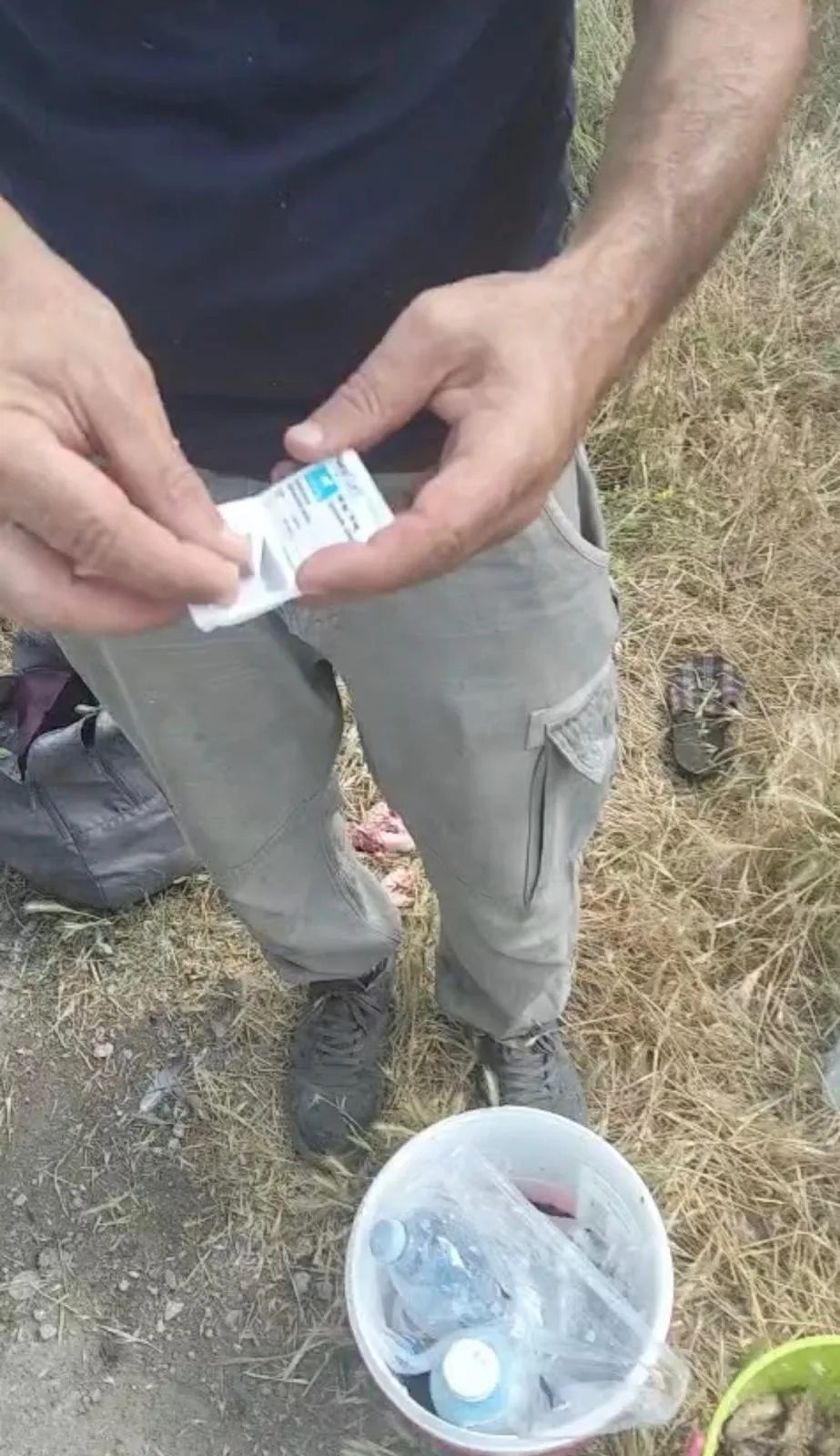
We have 120 dogs and 60 cats in our direct care. Those 2 dogs have just been attacked. The black one back has been broken, the other one has been shot and left to die in the mountain. We took them to the vet. Unfortunately, both conditions are critical. The black one needs a surgery, the other one is in intensive care, puss flows out of her entire body, including the eyes. Her kidneys are severely affected due to long time starving.

We Keep Going

Our shelter in Ankara is gone.
Our land is gone.
Our fencing, our work, and the funds we invested are gone.

But our work is not.

We continue rescuing the injured, the poisoned, the abandoned and the forgotten. We continue feeding. We continue treating. We continue protesting and petitioning against the killing of stray animals.

Wild at Life e.V. will continue.

For every animal who has nobody else.
For every life that can still be saved.

As long as there is an animal in need, we are not done.

Spread the news!

Help us increasing social commitment in saving endangered wild species. Express your support by sharing this article in your favorite social media channel.

Facebook
Twitter
LinkedIn
Pinterest
WhatsApp
Email

You may also like...

Share this story!

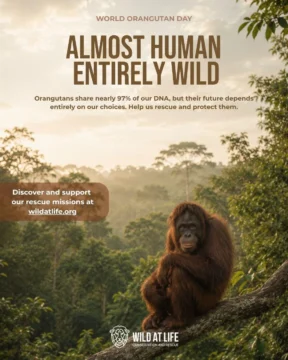
World Orangutan Day: Their Forest Is Their Future

August 19, 2026

This World Orangutan Day, we stand with one of our closest and most vulnerable relatives. Orangutans are losing their forest homes to deforestation, habitat destruction, and the illegal wildlife trade, pushing these remarkable great apes closer to the brink. Wild

Share this story!

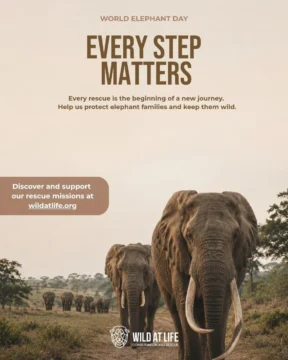
Celebrating World Elephant Day

August 12, 2026

On World Elephant Day, we celebrate these magnificent and intelligent giants while shining a light on the urgent threats they face. Wild at Life is on the front lines, conducting vital elephant rescue missions and providing a safe haven through

Share this story!

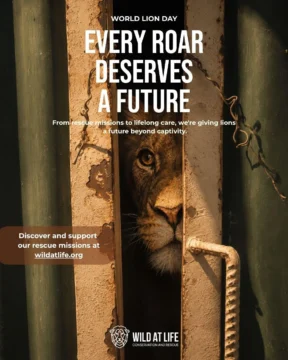
World Lion Day

August 10, 2026

On World Lion Day, we celebrate the strength, beauty and spirit of one of the world’s most iconic animals. For more than a decade, Wild at Life has stood beside lions in some of the world’s most difficult places, working

Share this story!

Overlooked: A Silent Extinction

August 9, 2026

Overlooked: A Silent Extinction is a short wildlife conservation film that gives a voice to one of Africa’s most iconic yet increasingly overlooked animals: the giraffe.

Share this story!

The story behind Wild at Life

July 17, 2026

Wild at Life founder Aslihan Gedik spoke with H24 / Hinterlegungsstelle about our work protecting wildlife and biodiversity. In its June 2026 newsletter, H24 published an interview with Aslihan Gedik, founder of Wild at Life. The conversation introduces our mission

Share this story!

World Chimpanzee Day: Protecting Their Future

July 14, 2026

Every chimpanzee taken from the wild leaves behind a family torn apart. Many young chimpanzees become victims of the illegal wildlife trade after their mothers are killed to capture them. Others lose their homes as forests disappear, forcing them into

Search for more