News from the wild

The Hidden Killer in the Bush

Published on: January 24, 2026
Categories:
Tagged: #

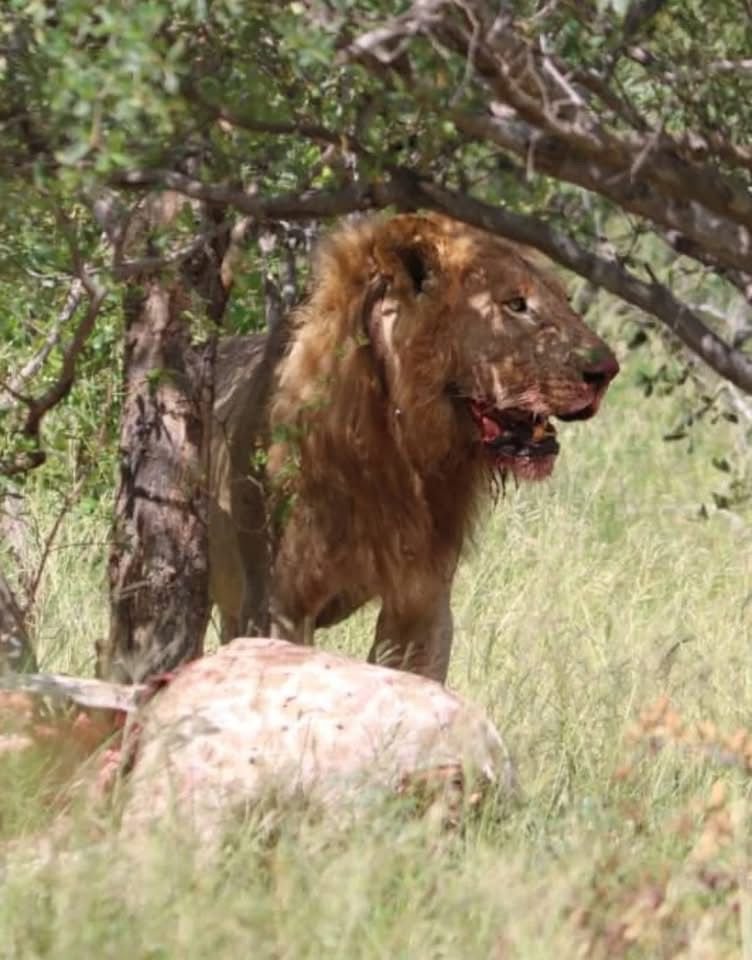
Snares are one of the biggest threats facing wildlife across Africa.
Silent, cheap, and almost invisible, these wire traps are responsible for the suffering and death of millions of animals every year.

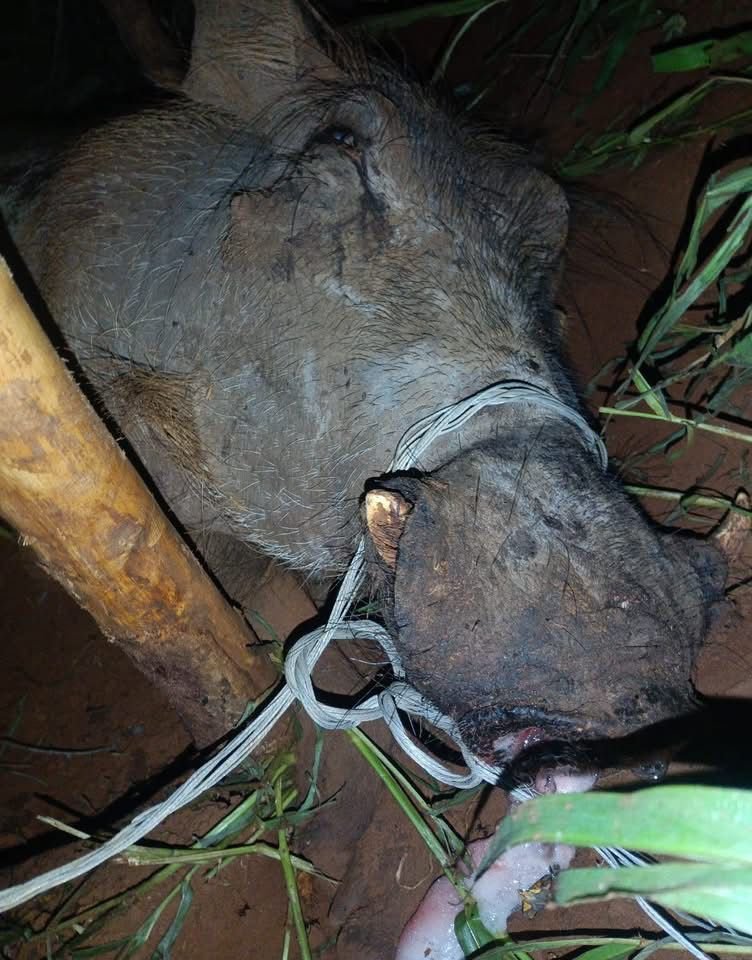
Made from wire or steel cable, snares are easy to set and extremely hard to detect. They are placed along game trails, near water sources, and in dense vegetation. Antelope, warthogs, predators, birds, and even elephants can become victims. Snares do not discriminate — endangered species and non-target animals are caught just as easily as those intended.

Once trapped, an animal may struggle for hours or even days. As it fights to escape, the wire tightens around its leg, neck, or body, cutting into flesh and bone. Many animals die slowly from dehydration, starvation, blood loss, or infection. Those that escape often carry lifelong injuries that prevent them from feeding, moving, or reproducing properly.
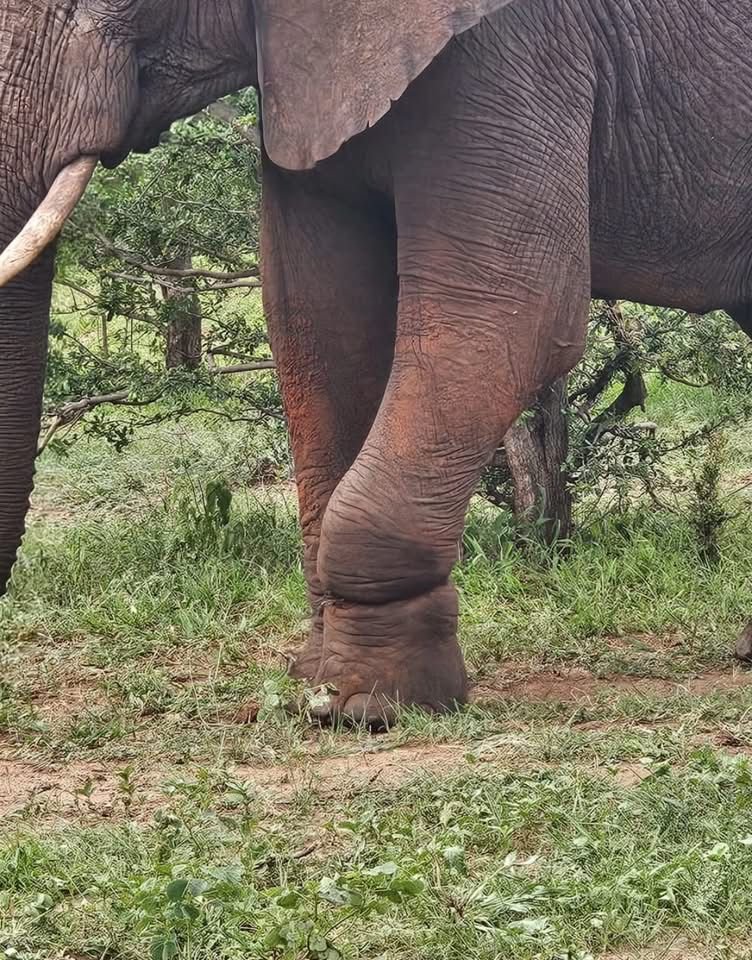
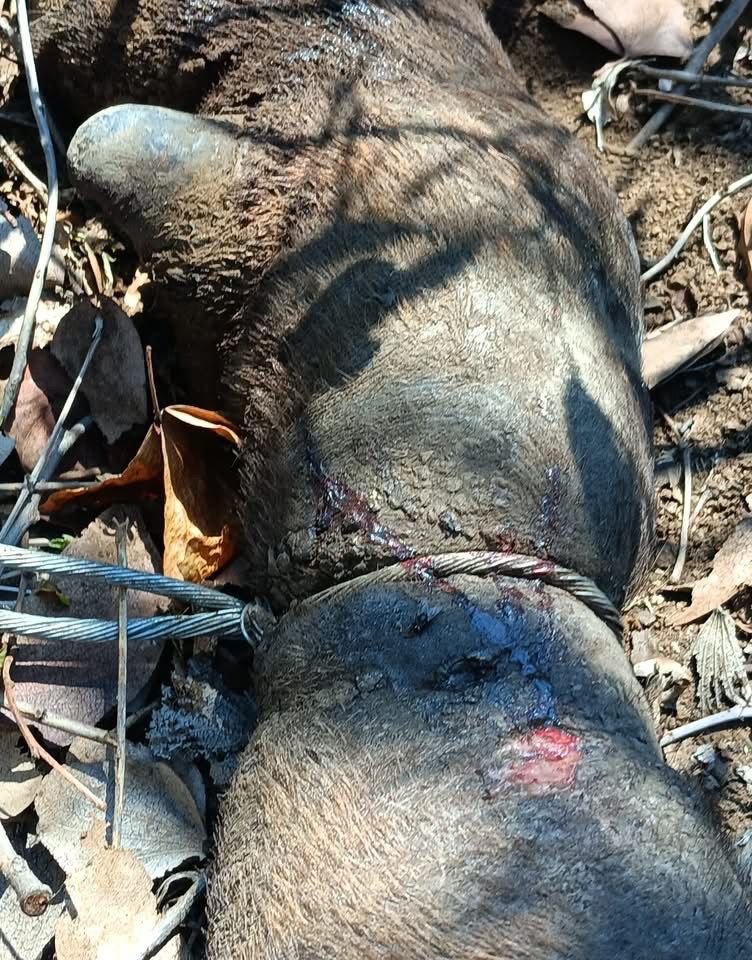
It is estimated that over 2 million animals die every year in Africa due to snaring, making it one of the most devastating and underreported forms of poaching. For every snare found, many more remain hidden in the bush and therefore the true numbers are likely much higher than recorded.

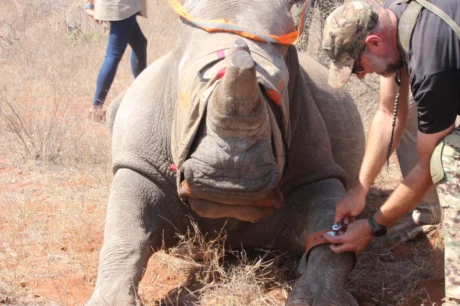
This is the reality our rangers face daily. They spend countless hours on foot, walking many kilometers each patrol, carefully scanning animal paths, riverbanks, and water points. Every snare located and removed is a life saved and suffering prevented.

We need to protect Africa’s wildlife, and we are doing everything in our power to do so. Anti-poaching work is vital, and with the dedication of our rangers on the ground and the support of those who stand with us, we are actively fighting back against snaring and poaching. Together, we are removing these hidden killers from the bush and giving wildlife a future where it can survive and thrive.

Spread the news!

Help us increasing social commitment in saving endangered wild species. Express your support by sharing this article in your favorite social media channel.

Facebook
Twitter
LinkedIn
Pinterest
WhatsApp
Email

You may also like...

Share this story!

Let Them Feel Safe Again

February 15, 2026

In Turkey, stray animals face unimaginable hardships every day—from scavenging for food to suffering from illness and injury. Many are victims of abuse, neglect, and cruel practices such as poisoning and mutilation. Recent government legislation allowing mass euthanasia of stray

Share this story!

Existing in a World That Doesn’t Want Them

January 25, 2026

City pigeons live a life few people truly see. Constant noise, traffic, hunger, cold, and danger are part of their everyday reality. Injuries are common, safe nesting places are rare, and survival often depends on luck rather than care. Yet

Share this story!

Caring Beyond Crisis: Our Work in Sri Lanka

December 20, 2025

Every year, we travel to Sri Lanka to care for animals who would otherwise have no help. Our work focuses on stray dogs and cats living on the beaches and in nearby areas we are responsible for. We provide regular

Share this story!

Wildlife Rescue on the Main

December 13, 2025

We work with a local Frankfurt-based wildlife charity called Projekt Oase – Mensch und Tier im Einklang e.V., which focuses on protecting and rescuing wild waterfowl and other birds along the Main River. Projekt Oase is a small but passionate

Share this story!

Sanctuary News: Our Herd is Thriving

December 5, 2025

At our sanctuary in Zambia, the team of Wild at Life e.V. has wonderful news to share. Our nine rescued elephants — all survivors of drought or poaching — are thriving, and they continue to enjoy their days in complete

Share this story!

Our Sea Turtle Mission Continues Through Floods and Challenges

December 1, 2025

Sea turtles are among the most ancient and extraordinary creatures in our oceans, but today they are facing more threats than ever before. Climate change, habitat destruction, pollution, irresponsible fishing practices, and illegal poaching have all pushed many species to

Search for more