News from the wild

A Pride’s Heartbreak on World Lion Day: Hippo Creek Lioness Killed, Cubs Left Alone

Published on: August 10, 2025
Categories:
Tagged: #

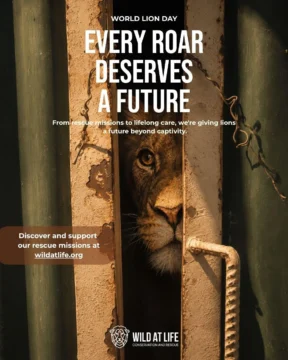
Every year, on August 10th, we celebrate World Lion Day. For us, the day is important for several reasons:

  • We Raise Awareness: we highlight the decline of lion populations and the threats they face, such as habitat loss, human-wildlife conflict, and poaching.
  • We Promote Conservation : The day encourages people to take action to protect lions and their habitats, supporting conservation efforts and protecting their natural environments.
  • we Educate the Public about lion biology, behavior, and ecology, dispelling myths and promoting a deeper understanding of these majestic animals.
  • we bring you the latest updates on our rescued lions across Africa: Nigeria, Burkina Faso, South Africa, Zimbabwe and Zambia
  • Global Unity: We bring people together worldwide to celebrate lions and work towards their conservation, fostering a sense of global responsibility for protecting these iconic animals.

But this year we can’t send you a nice and shiny update as we are devastated. Another sadness to share, just a few days after we shared with you the death of Blondie, killed by trophy hunters.

A horrifying poaching incident has shaken Victoria Falls, a small town where we operate since 2 decades on wildlife conservation.

An adult male lion was found caught in a deadly snare. Injured but alive, he was darted, treated, and released back into the wild – but there was a much more gruesome discovery waiting nearby…
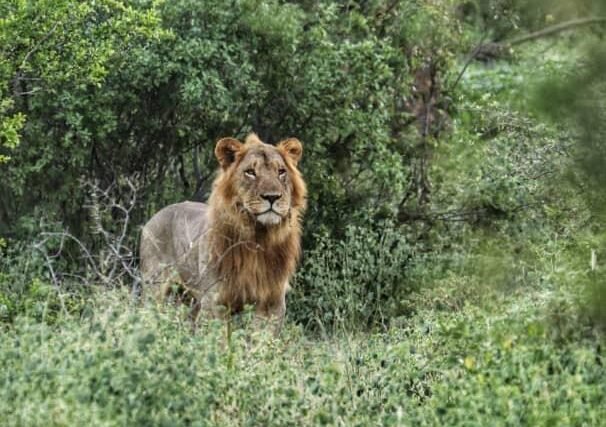
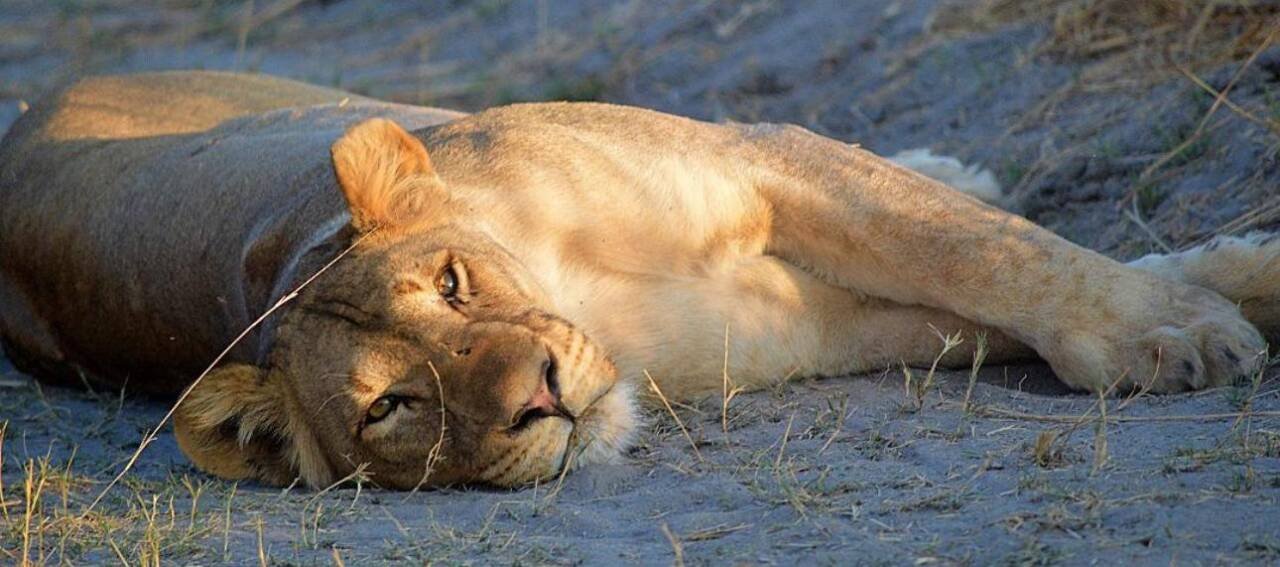
The brutalized remains of a lioness – the snared lion’s partner – were found near the snare, her flesh stripped from her bones, and her head and paws hacked off.

She leaves behind two four-year-old offspring and three 5-month-old cubs – all of whom must now fend for themselves. Without their mother, their chances are slim.

Worst of all, the tiny cubs are acutely vulnerable to poachers.

There has been an alarming rise in poaching in Zimbabwe, and criminals seem to be particularly targeting lions. This iconic species may be king of the jungle, but lions stand no chance against armed and ruthless poachers, who violently kill and sell their body parts into the illegal wildlife trade.

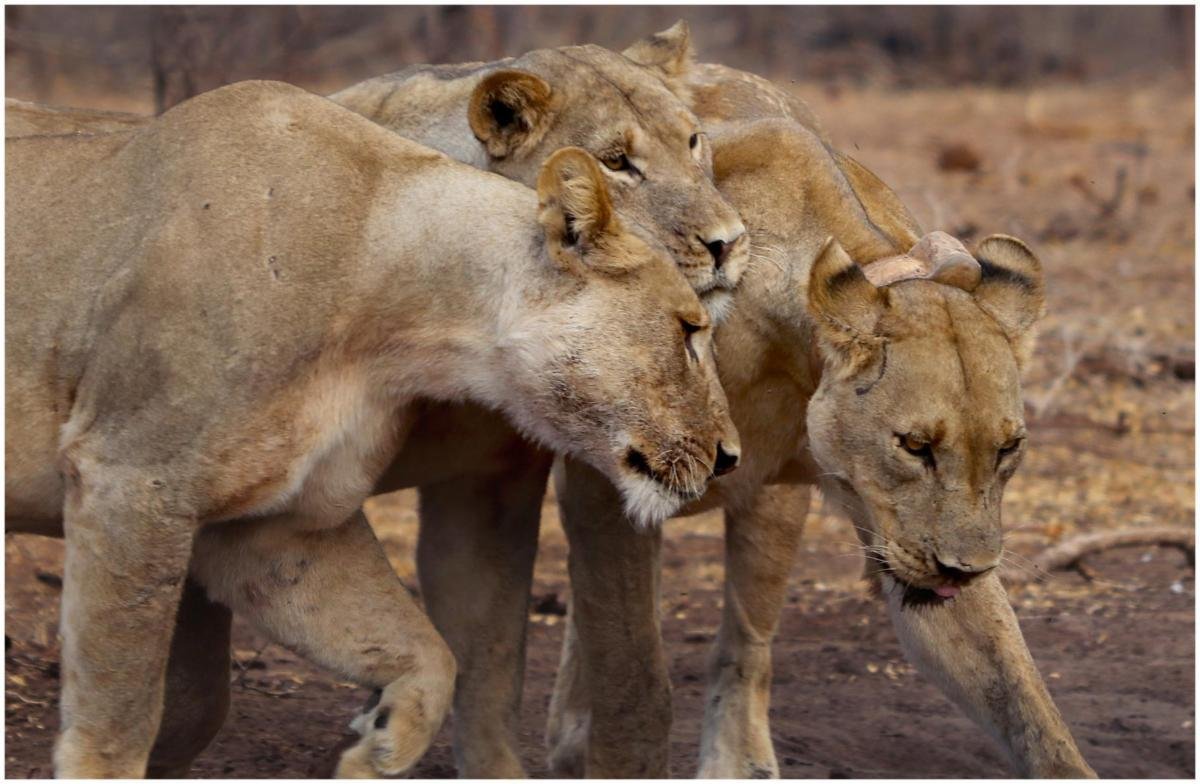
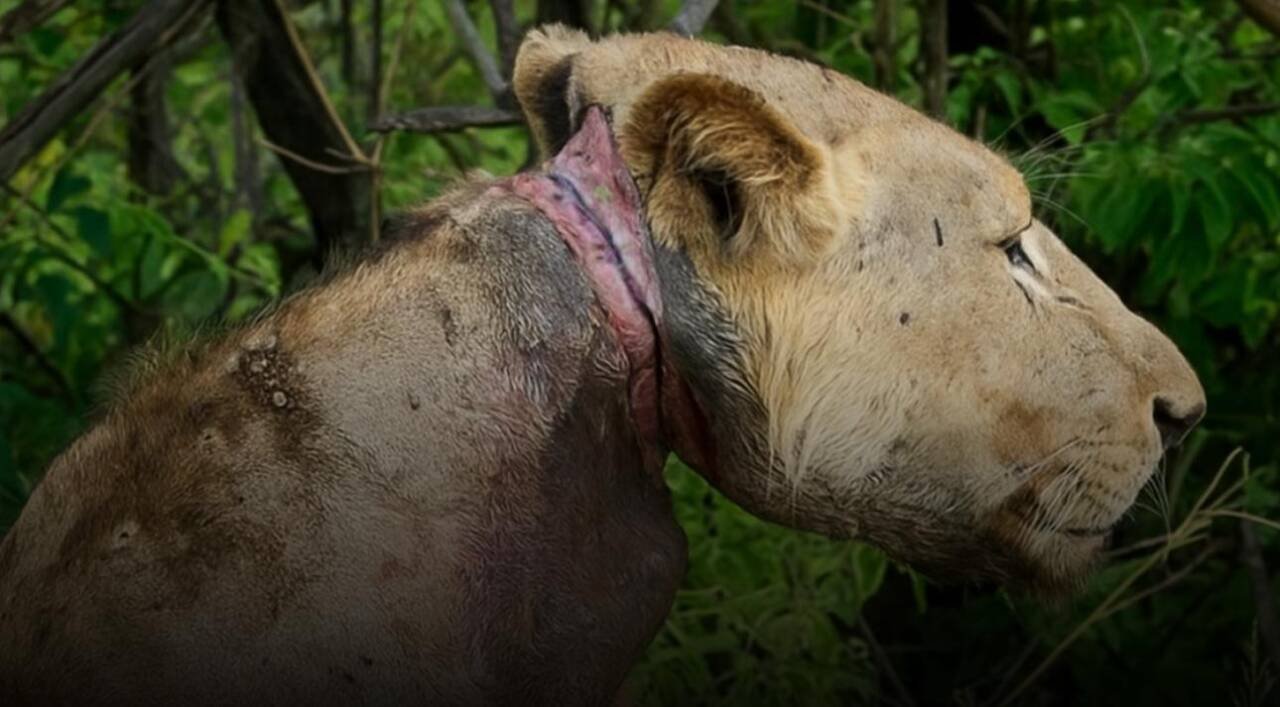
We lost the matriarch of the Hippo Creek Pride (pictured above) to a targeted poaching incident. Many of you knew her –the dominant female and pride of Zambezi National Park. If you’ve been on safari here in the past seven years, chances are you’ve encountered this remarkable lioness.

Tragically, the losses don’t end there. Our region has seen a surge in targeted lion poaching. In December, we found the remains of another female from Zambezi National Park. Before that, our colleagues in Hwange also lost lions to targeted poaching. But these are more than just individual losses – when lions are poached, entire prides are disrupted. Cubs are left vulnerable and often killed, males move further afield to cover wider territories, and the risk of human-wildlife conflict increases.

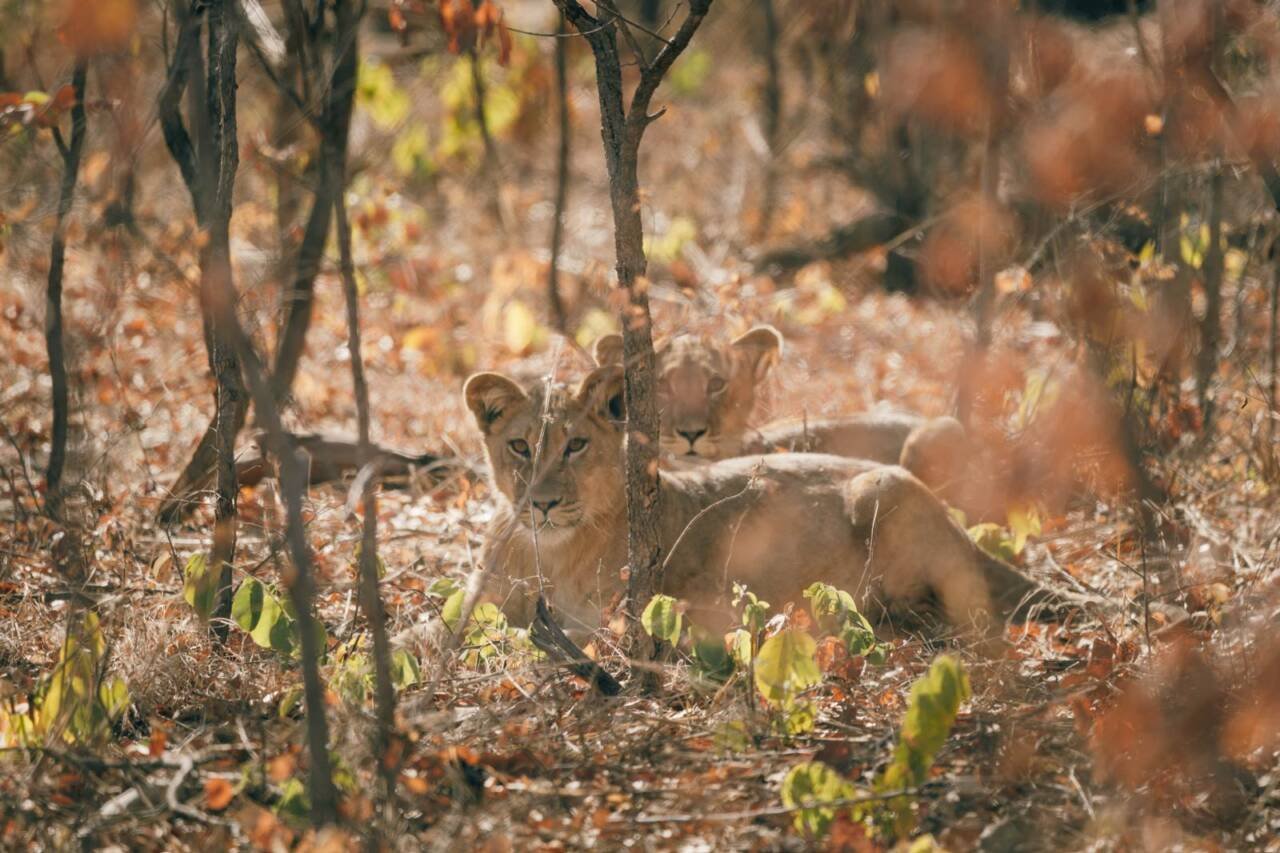
Now, two young females (pictured below with their mother) – just four years old – are left to lead the Hippo Creek Pride. They lack their mother’s experience and roam dangerously close to the city of Victoria Falls.

The Hippo Creek female was an extraordinary mother, raising multiple litters and playing a crucial role in the recovery of Zambezi National Park’s  lion population – and tourism appeal. This was her latest litter.

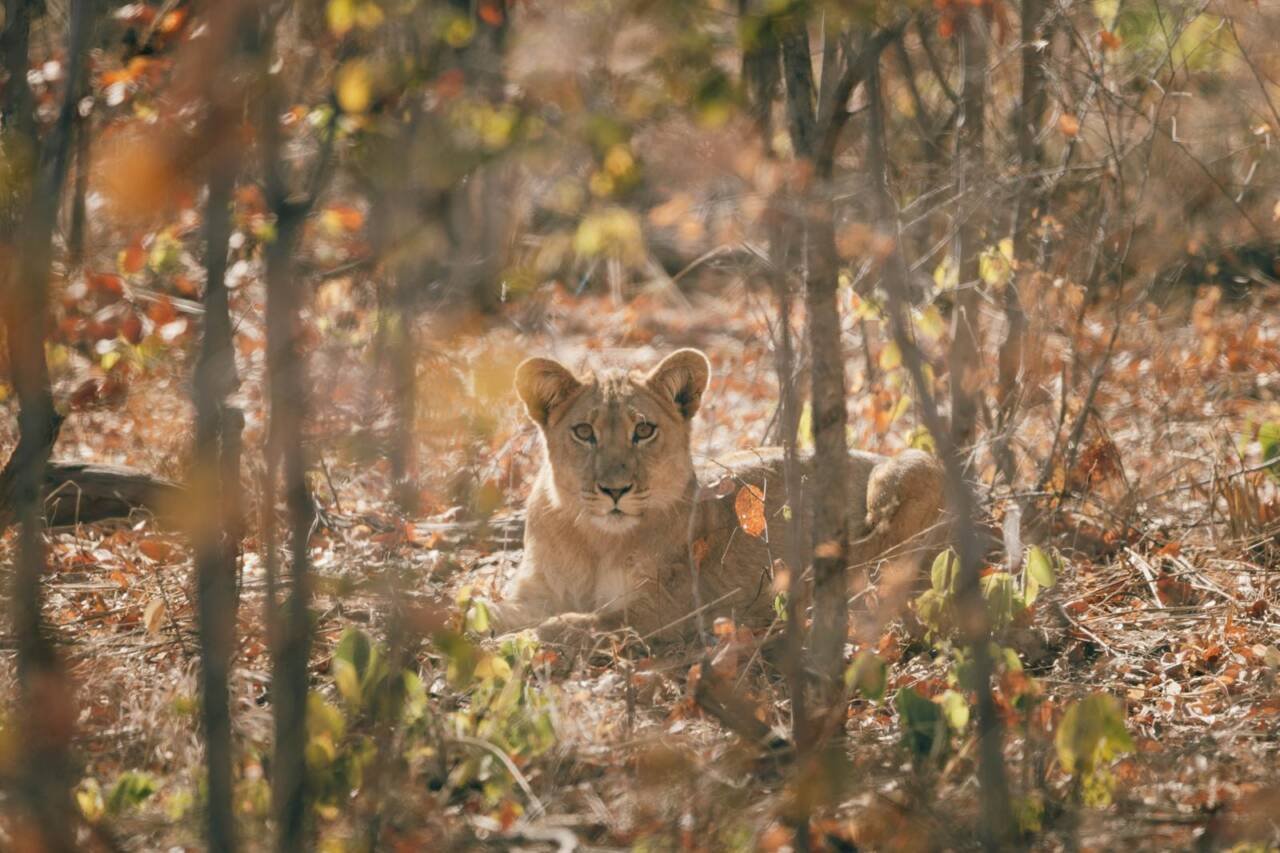
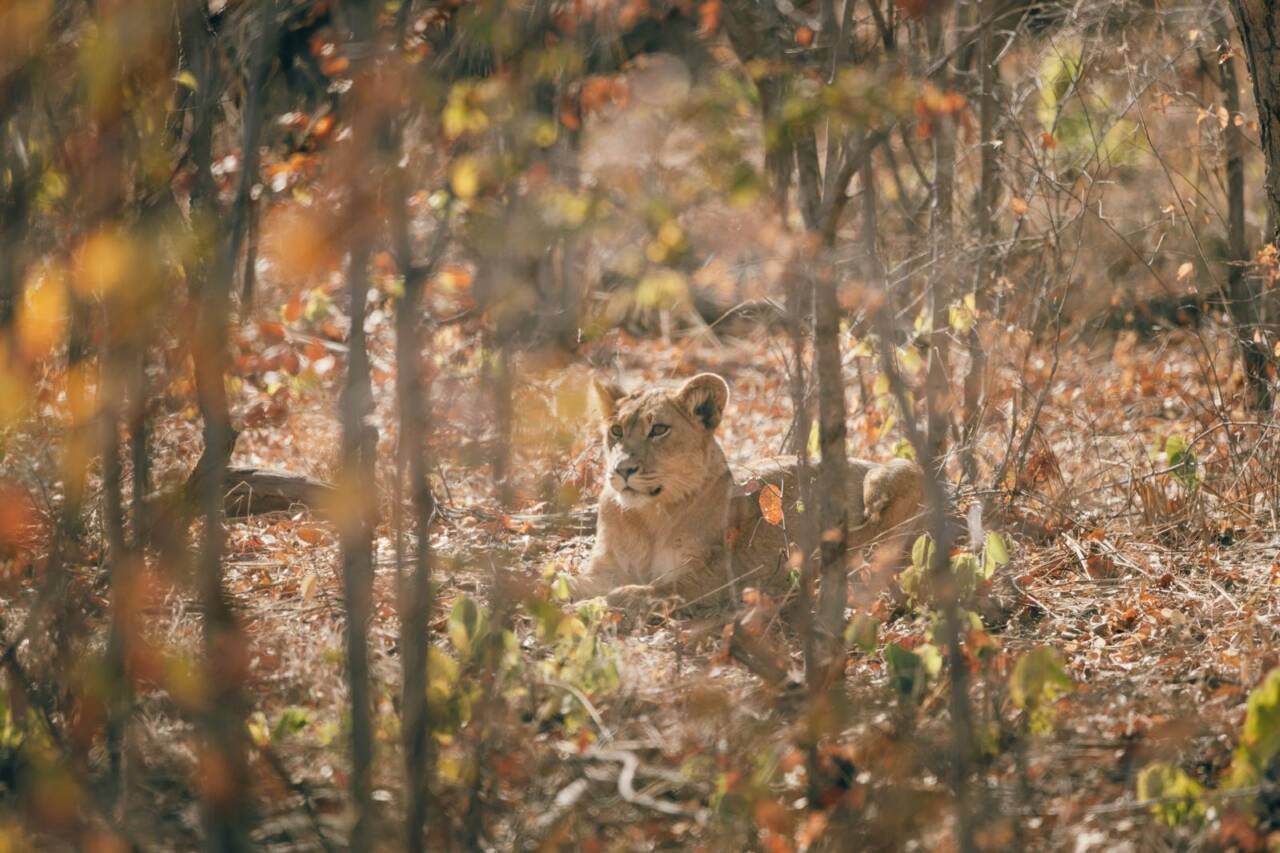
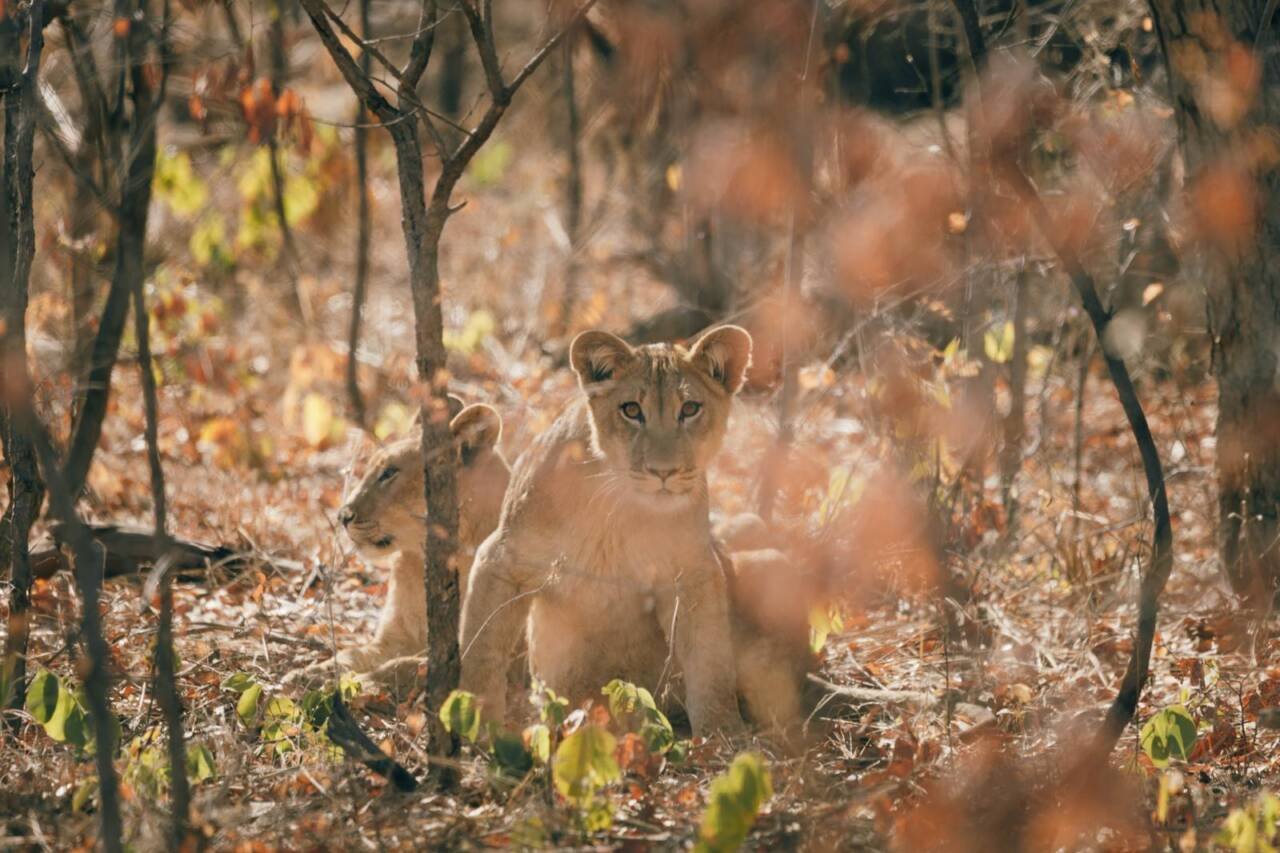
Sadly, through the loss of these two lionesses, we have also likely lost five cubs. Two cubs belonging to the lioness killed in December have been confirmed dead, and although the three 5-month old cubs (pictured below) of the Hippo Creek female somehow survived the past weeks, they are malnourished and unlikely to survive.

Impact on the Cubs:

  • The cubs are now more vulnerable to predators and human-wildlife conflict without their mother’s protection.
  • Lionesses often work together to raise cubs within the pride, so other female may take on a maternal role.
  • Cubs typically stay with their mother for about two years, learning essential survival skills, so their development may be disrupted.
  • Male lions may form coalitions or live nomadically after leaving their pride at around 2-3 years old, but the cubs’ future depends on the pride’s dynamics.

A new plan for the cubs!

Wild at Life has monitored the cubs for the past weeks. They started to weaken more and more. They can’t find food, nor hunt, they are too young. They chances of survival hit 0%.

We believe in keeping wildlife in the wild, but these cubs won’t survive longer!

Hence, WE NEED TO STEP IN.

The cubs started to get more and more to the local community area and the danger was imminent for them to be killed.

After our talks with the National Park, they have accepted our plea to take the cubs to our sanctuary. Sadly we have no other options. It is that or death. We remain committed to their protection.

However, we cannot do this without you.

Cubs are now within the fences of our sanctuary premises. You can see them

together. They are weak and will need extra treatment. They will also need vet care, big fenced area so they won’t be feeling trapped. We want them to have the freedom and wildlife they use to have. We don’t want to make them feel taken away, after the loss of their mom. We just want to give them a chance of survival, in the best possible way. With big area, proper feeding, no human interaction or sight! We want to rehabilitate them, and still keep their chances of being re introduced to the wilderness when time comes.

Your Support Will Make a Difference!

  • $3,500 funds a satellite collar, a fitting, and tracking time for one lion

  • $2,000 provides 1/4 fencing & equipment for the cubs safety housing in our                      sanctuary

  • $1,500 provides telemetry equipment for our field teams

  • $250 covers immobilization drug costsfor most species

  • $100 contributes towards fuel for our teams on the ground

  • $50 buys boots for a ranger on the ground

Please contribute whatever you can. Our main goal for now is the well being of the cubs. So funds will be used directly for their living space and veterinary needs.

The death of the Hippo Creek female lion serves as a reminder of the importance of continued conservation efforts and community engagement to protect lions and other wildlife in the Victoria Falls area.

P.S. lions are facing a poaching epidemic in Zimbabwe – they need your support more than ever – please donate right away.

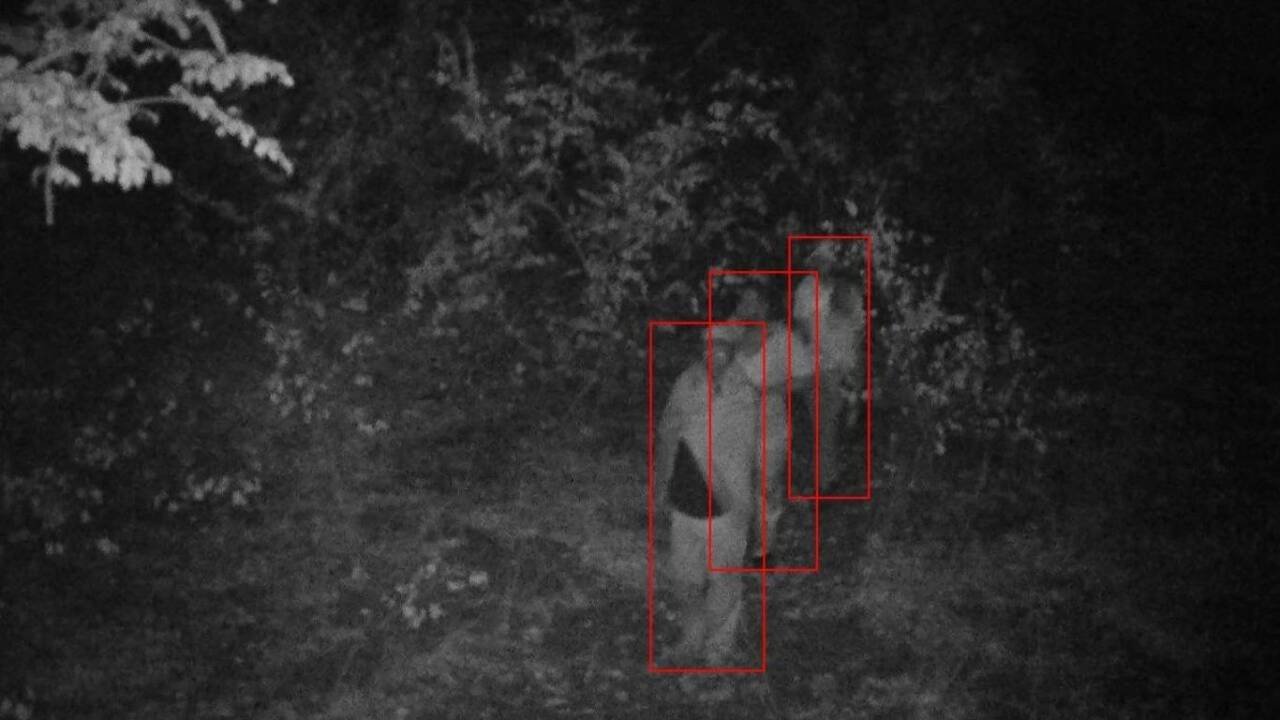
Camera traps are vital to identify poachers, day or night, and send immediate, real-time alerts to anti-poaching teams.

The death of the Hippo Creek female lion serves as a reminder of the importance of continued conservation efforts and community engagement to protect lions and other wildlife in the Victoria Falls area.

P.S. lions are facing a poaching epidemic in Zimbabwe – they need your support more than ever – please donate right away.

Spread the news!

Help us increasing social commitment in saving endangered wild species. Express your support by sharing this article in your favorite social media channel.

Facebook
Twitter
LinkedIn
Pinterest
WhatsApp
Email

You may also like...

Share this story!

Update from Sri Lanka – Stray Animal Work on the Ground

June 3, 2026

Every year we return to Sri Lanka with the same purpose: to help as many stray and abandoned animals as we can. This year, we brought over 70kg of supplies, including food, medicines, deworming treatments, dog treats, and basic veterinary

Share this story!

A Safe Future for Rescued Sea Turtles

May 26, 2026

Every year, countless baby sea turtles face overwhelming odds from the moment they are laid, with nests threatened by predators, flooding, pollution, poaching, and human disturbance along vulnerable coastlines. Wild at Life works tirelessly to protect these fragile beginnings by

Share this story!

Mission Caita – still on the ground

May 2, 2026

Chimpanzees are incredibly close to us.They live in complex social groups, form lifelong bonds, and experience emotions in ways that are deeply familiar — trust, fear, grief, connection. This is exactly what makes wildlife trafficking so devastating. What we see

Share this story!

One Voice Against Wildlife Crime

May 1, 2026

We are proud to share our latest contribution to advancing international efforts to combat wildlife crime and broader environmental offences. As a member of the Global Initiative to End Wildlife Crime (EWC), we have joined 103 organizations in calling on

Share this story!

Unregulated Squid Fishing in the Northwest Indian Ocean

April 5, 2026

Unregulated industrial squid fishing in the northwest Indian Ocean has grown into a serious ecological and socio-economic crisis—and it is one we at Wild at Life e.V. have been documenting for years.

Share this story!

Rhino Monitoring Update

March 14, 2026

Protecting rhinos requires constant monitoring, strong partnerships, and long-term commitment. Through our Rhinoceros Conservation and Rescue Project, Wild at Life e.V. works together with dedicated conservation partners on the ground in South Africa to protect endangered white rhinoceroses and their

Search for more