News from the wild

Sanctuary for the Forgotten: Mission Caita’s Lifesaving Work

Published on: August 25, 2025
Categories:

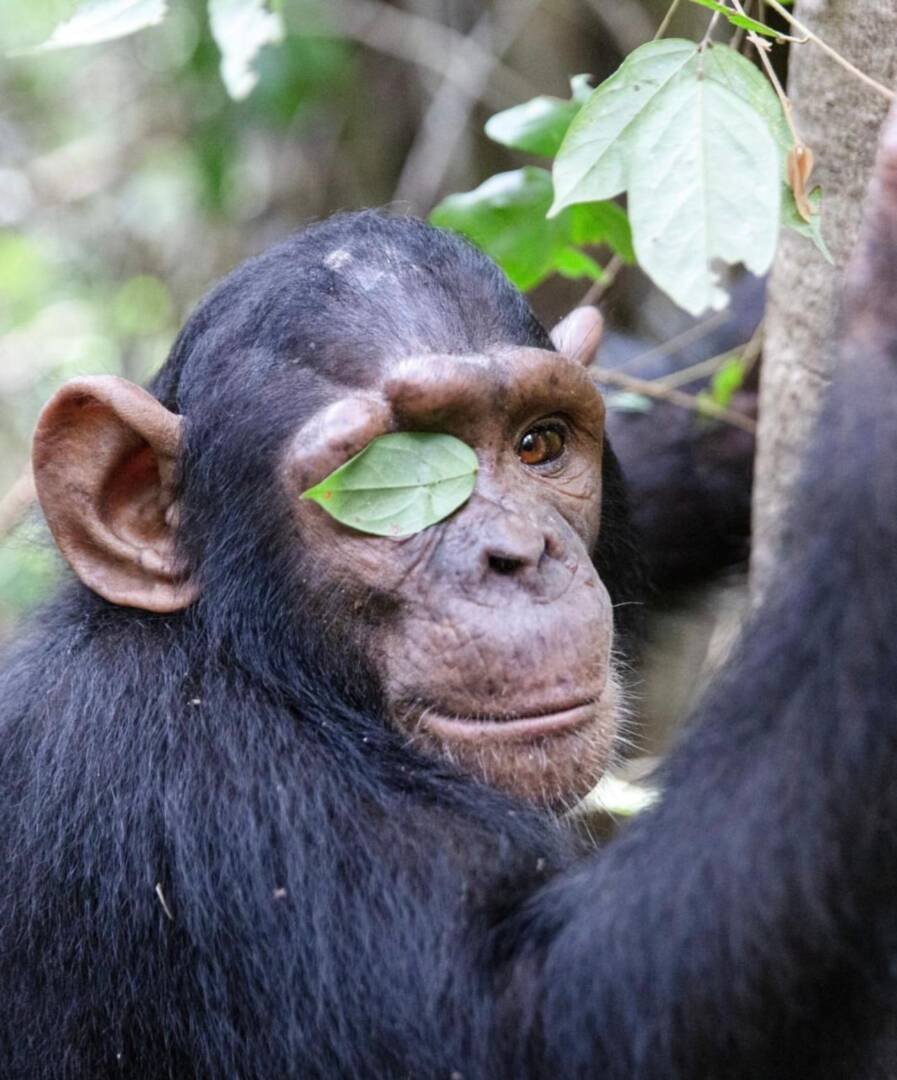
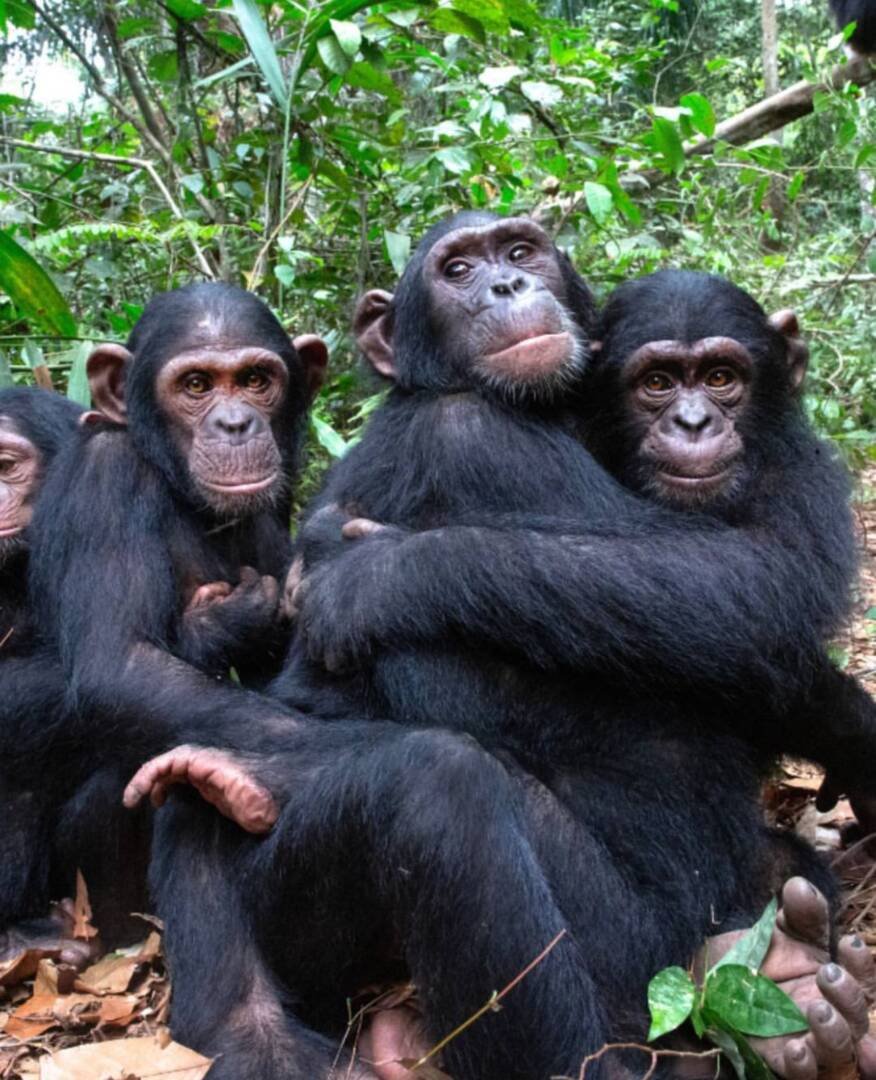
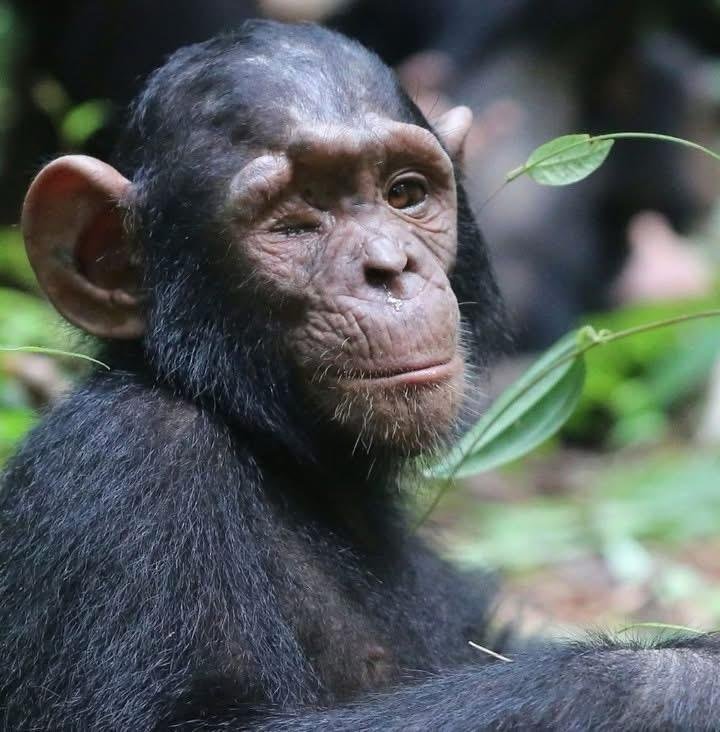
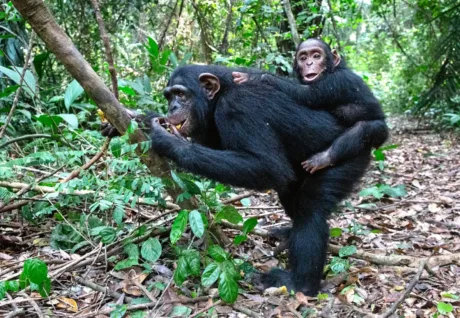
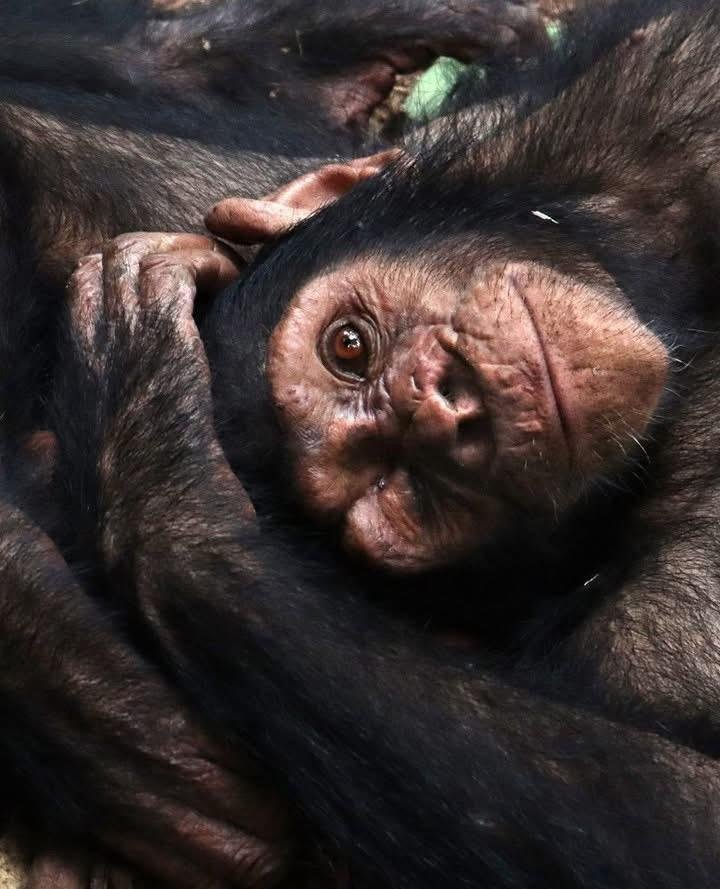
Wild at Life’s Mission Caita is a vital initiative focused on combating wildlife trafficking, particularly targeting the illegal trade of chimpanzees in Angola. We are the only NGO working in the Maiombe Rainforest in Cabinda, where we have been active since 2017. During this time, we carried out the now world-famous confiscation and rescue of chimpanzees that were trapped in houses — a hidden tragedy no one even knew about until we exposed it.

This mission involves rescuing chimpanzees from traffickers and providing them with safe havens for rehabilitation and care. By working to disrupt trafficking networks and raise awareness about the devastating impact of wildlife trafficking, Mission Caita plays a crucial role in protecting these intelligent and endangered animals. Our mission’s efforts not only save individual chimpanzees but also contribute to the broader conservation of great ape populations in Angola, promoting a future where these incredible creatures can thrive in their natural habitats.
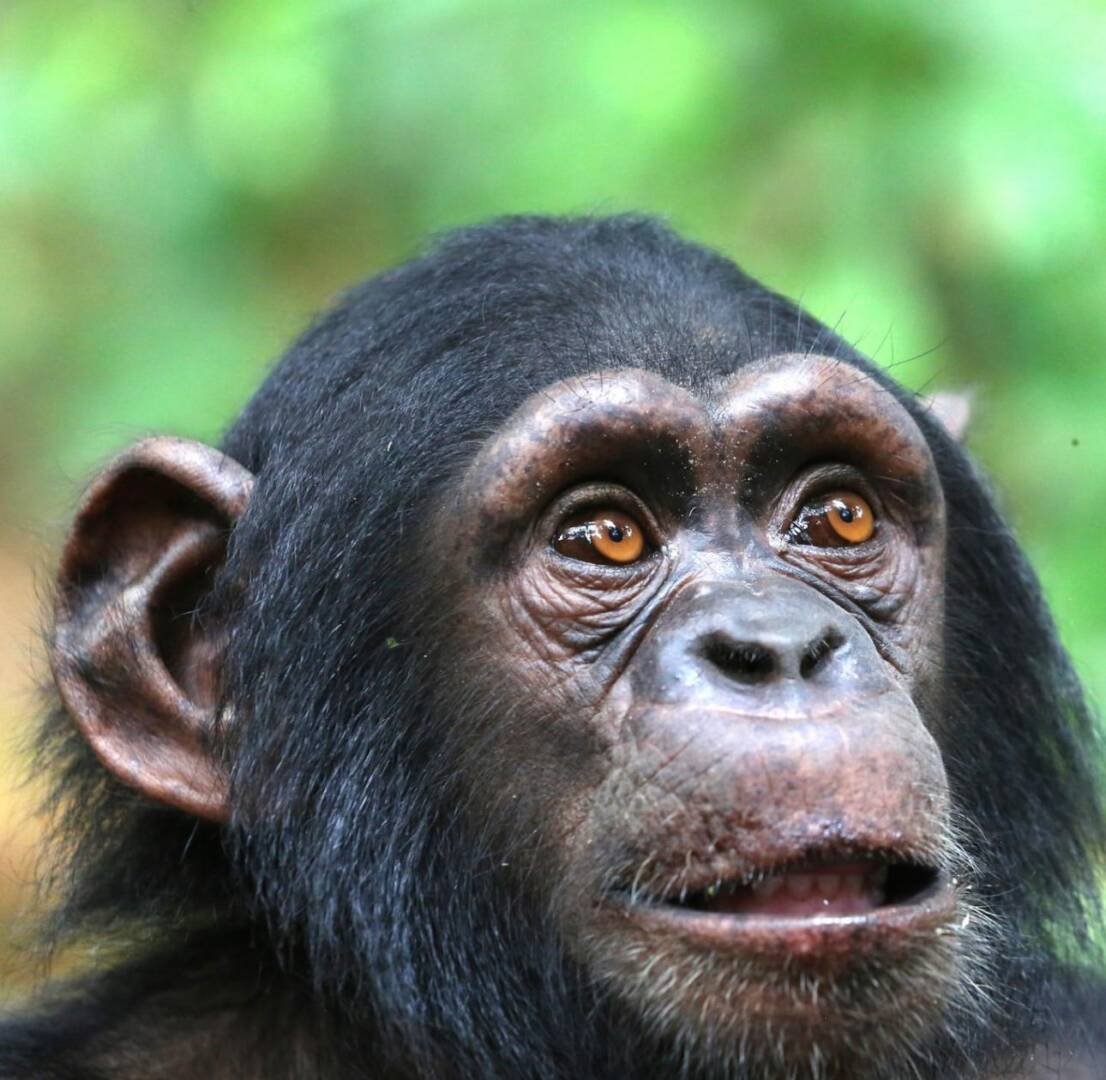
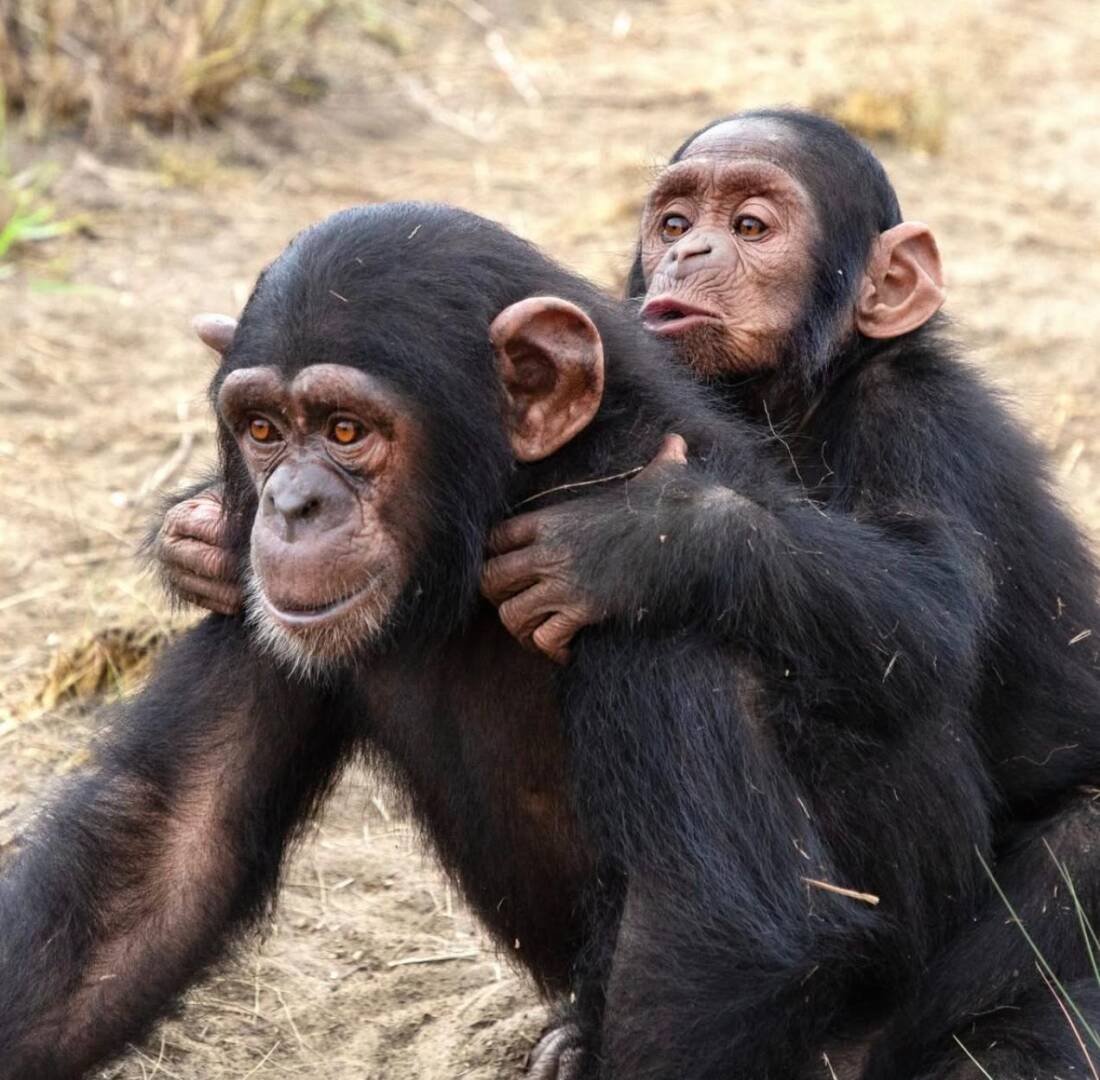
Matiaba
Matiaba

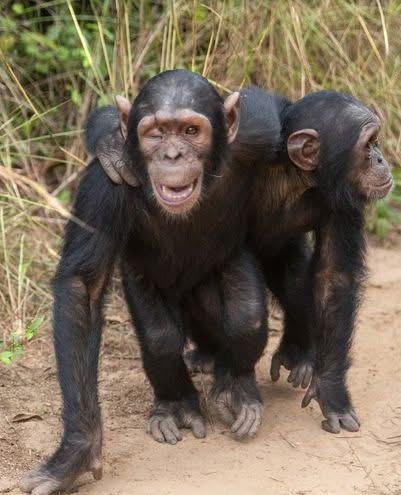
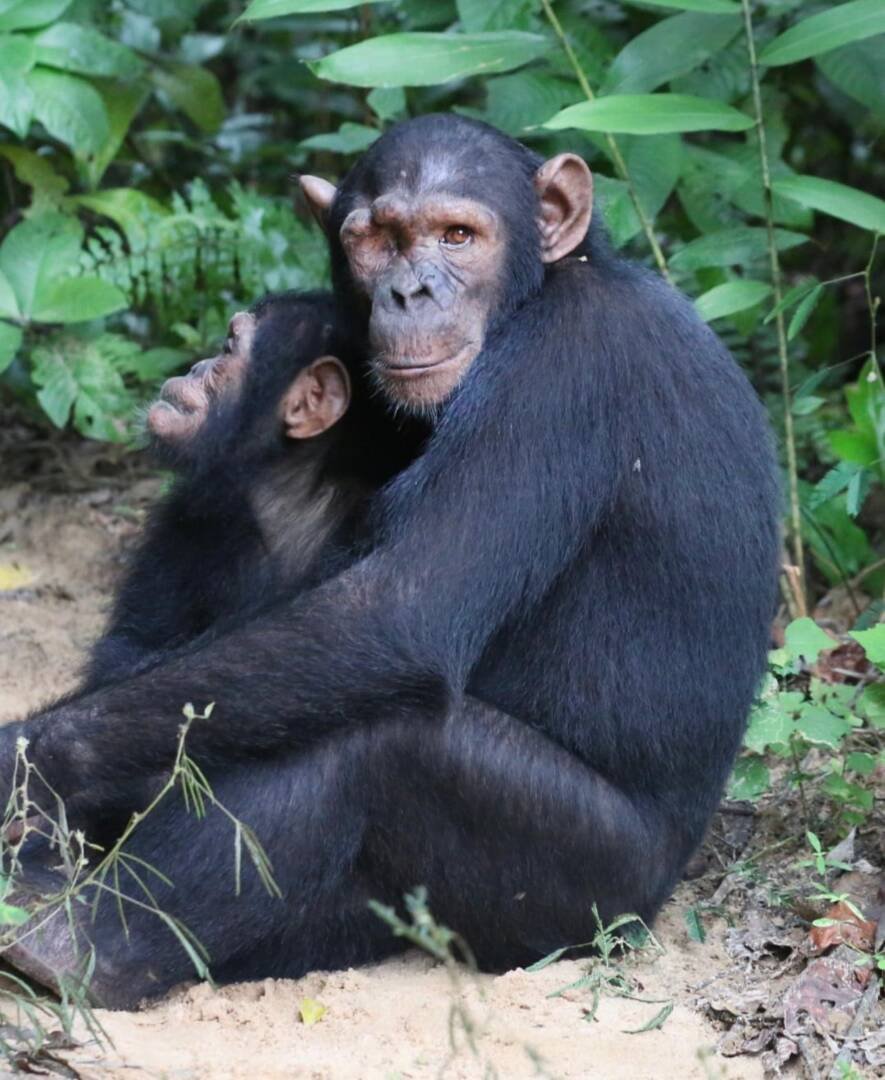
Under Mission Caita, we have the Angolan chimpanzee sanctuary, which plays a vital role in protecting and rehabilitating chimpanzees rescued from wildlife trafficking and exploitation. The sanctuary’s importance can be seen in several aspects:

  • Safe Haven: Mission Caita provides a safe and nurturing environment for chimpanzees, offering them a second chance at life.
  • Rehabilitation: The sanctuary’s expert care and rehabilitation programs help chimpanzees recover from physical and emotional trauma, preparing them for potential reintroduction into the wild or a life in a safe sanctuary.
  • Conservation: By protecting chimpanzees, Mission Caita contributes to the conservation of this endangered species and helps maintain biodiversity in Angola.
  • Education and Awareness: The sanctuary raises awareness about the importance of protecting chimpanzees and the devastating impact of wildlife trafficking, promoting empathy and action among local communities.
  • Community Engagement: Mission Caita engage with local communities, promoting coexistence with wildlife and supporting sustainable livelihoods. We have various information panels around the communities informing about the problem and the sanctions on poaching.

The sanctuary’s work is crucial for the welfare of individual chimpanzees and the long-term conservation of the species.

To stop chimpanzee poaching, we can take several key steps:

  • Support conservation efforts: Donate to reputable organizations like us, protecting chimpanzee habitats and enforcing anti-poaching laws.

  • Raise awareness: Educate others about the devastating impact of chimpanzee poaching and the importance of conservation.

  • Demand stronger laws and enforcement: Advocate for stricter laws and better enforcement to deter poachers and traffickers.

  • Choose sustainable products: Avoid products made from chimpanzee parts or those contributing to habitat destruction.

  • Support eco-tourism: Responsible tourism can promote economic benefits for local communities while protecting chimpanzee habitats.

Every action counts, and collective efforts can make a significant difference in protecting these incredible animals.

A symbolic adoption of one of our primates is also a huge help, as it directly supports their care and gives them the chance for a better future.

Adopt Zeze!

Zeze’s story is one of heartbreaking cruelty and incredible strength. When Wild at Life e.V. found him in Cabinda, he was locked in a rusty backyard cage, starved and fighting to survive. A brutal machete attack had left him blind and scarred across the face, and a bullet was still lodged in his testicular area — lasting reminders of the day poachers killed his family and tore him from the forest. Yet, despite everything he endured, Zeze’s spirit shines through  due to his big will to live, showing us every day what it means to be a true survivor.

You can symbolically adopt Zeze to further support our efforts in keeping him and the others safe!

Spread the news!

Help us increasing social commitment in saving endangered wild species. Express your support by sharing this article in your favorite social media channel.

Facebook
Twitter
LinkedIn
Pinterest
WhatsApp
Email

You may also like...

Share this story!

World Orangutan Day: Their Forest Is Their Future

August 19, 2026

This World Orangutan Day, we stand with one of our closest and most vulnerable relatives. Orangutans are losing their forest homes to deforestation, habitat destruction, and the illegal wildlife trade, pushing these remarkable great apes closer to the brink. Wild

Share this story!

Celebrating World Elephant Day

August 12, 2026

On World Elephant Day, we celebrate these magnificent and intelligent giants while shining a light on the urgent threats they face. Wild at Life is on the front lines, conducting vital elephant rescue missions and providing a safe haven through

Share this story!

World Lion Day

August 10, 2026

On World Lion Day, we celebrate the strength, beauty and spirit of one of the world’s most iconic animals. For more than a decade, Wild at Life has stood beside lions in some of the world’s most difficult places, working

Share this story!

Overlooked: A Silent Extinction

August 9, 2026

Overlooked: A Silent Extinction is a short wildlife conservation film that gives a voice to one of Africa’s most iconic yet increasingly overlooked animals: the giraffe.

Share this story!

The story behind Wild at Life

July 17, 2026

Wild at Life founder Aslihan Gedik spoke with H24 / Hinterlegungsstelle about our work protecting wildlife and biodiversity. In its June 2026 newsletter, H24 published an interview with Aslihan Gedik, founder of Wild at Life. The conversation introduces our mission

Share this story!

World Chimpanzee Day: Protecting Their Future

July 14, 2026

Every chimpanzee taken from the wild leaves behind a family torn apart. Many young chimpanzees become victims of the illegal wildlife trade after their mothers are killed to capture them. Others lose their homes as forests disappear, forcing them into

Search for more