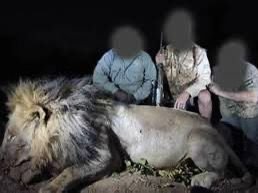
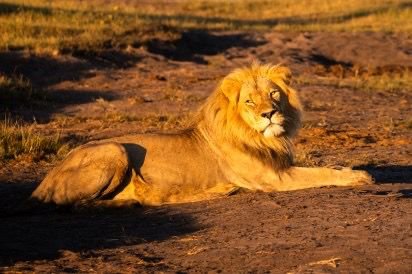
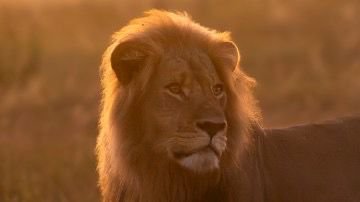
This tragic incident bears eerie similarities to the killing of Cecil the lion in 2015, also in Hwange National Park, which sparked global outrage and promises of tighter regulations on hunting lions in Zimbabwe. Despite these promises, Blondie’s death highlights the ongoing threat trophy hunting poses to lions, particularly iconic males like Blondie who become targets due to their fame.
The bloody trophy hunting industry claims of targeting old, non-breeding males are hollow, given the killing of healthy, prime males like Blondie. We are now calling for more stringent measures to protect lions, including a ban on trophy hunting.
The connection between killing lions who are famous lies in the trophy hunting industry’s tendency to target iconic and well-known animals. These lions often have a high profile due to research, tourism, or media attention, making them more desirable to hunters seeking trophies. This is evident in the cases of:
-
Cecil the Lion: A 13-year-old male lion killed in 2015 by American dentist Walter Palmer, who paid $54,000 for the hunt. Cecil was also part of an Oxford University research project and wore a GPS collar.
These incidents highlight the controversy surrounding trophy hunting, particularly near protected areas. We argue that:
-
Targeting Iconic Animals: Famous lions like Blondie and Cecil are often targeted due to their prominence, undermining conservation efforts.
-
Ignoring Regulations: Hunters may disregard age limits and other regulations, prioritizing the desire for trophies.
-
Impact on Lion Populations: The loss of dominant males can disrupt prides, potentially leading to infanticide and destabilization.
We are calling for stricter measures, including:
-
No-Hunt Buffer Zones: Establishing areas around national parks where hunting is prohibited.
-
Age Limits: Enforcing minimum age limits for hunted lions to ensure only older, non-breeding males are targeted.
-
Stricter Regulations: Reviewing and strengthening hunting policies to prevent incidents like Blondie’s killing.
The fate of Blondie’s 10 cubs hangs in the balance after his tragic killing. Here’s what we know:
-
Immediate Consequences: The cubs, consisting of 7 one-year-olds and 3 newborns, are now without their father. Their mother and other lionesses in the pride will likely play a crucial role in their survival.
-
Risk of Infanticide: With Blondie’s death, rival male lions may infiltrate the pride, potentially killing the cubs to bring the lionesses into estrus again. This would further destabilize the pride and put the cubs’ lives at risk.
-
Pride Instability: The loss of a dominant male like Blondie can lead to pride instability, causing lionesses to flee into communal lands where they may face human-wildlife conflict, snares, and other dangers.
-
Conservation Concerns: Blondie’s killing highlights the need for stricter regulations on trophy hunting, particularly around national parks. Conservationists are calling for a review of lion hunting quotas and clearer ethical guidelines to prevent similar incidents.
Given the circumstances, the future of Blondie’s cubs remains uncertain. Conservation efforts and research initiatives are crucial in ensuring the well-being and survival of these cubs and the stability of the pride. We will continue our work on ground.
Trophy killing didn’t just kill Blondie the Lion, but has fatally damaged the future of his pride, who is now unprotected and open to deadly harm.
We condemn Victoria Falls Safari for conducting this killing “mission”.
How You can Help
Every day, lions in Hwange, Zimbabwe, face the brutal threat of trophy hunting. Without your immediate support, we cannot continue our vital on-the-ground investigations and conservation efforts to protect these innocent animals.
By symbolically adopting one of our lions or making a direct donation, you help us provide the critical resources we need to fight for their survival. Your support fuels our rescue missions, undercover investigations, and advocacy to end this cruel practice.
You can symbolically adopt the follwoing Lions: Nala, Dona, Mala, Eva, Georges, Elma and Julie.