News from the wild

A Safe Future for Rescued Sea Turtles

Published on: May 26, 2026
Categories:
Tagged: #

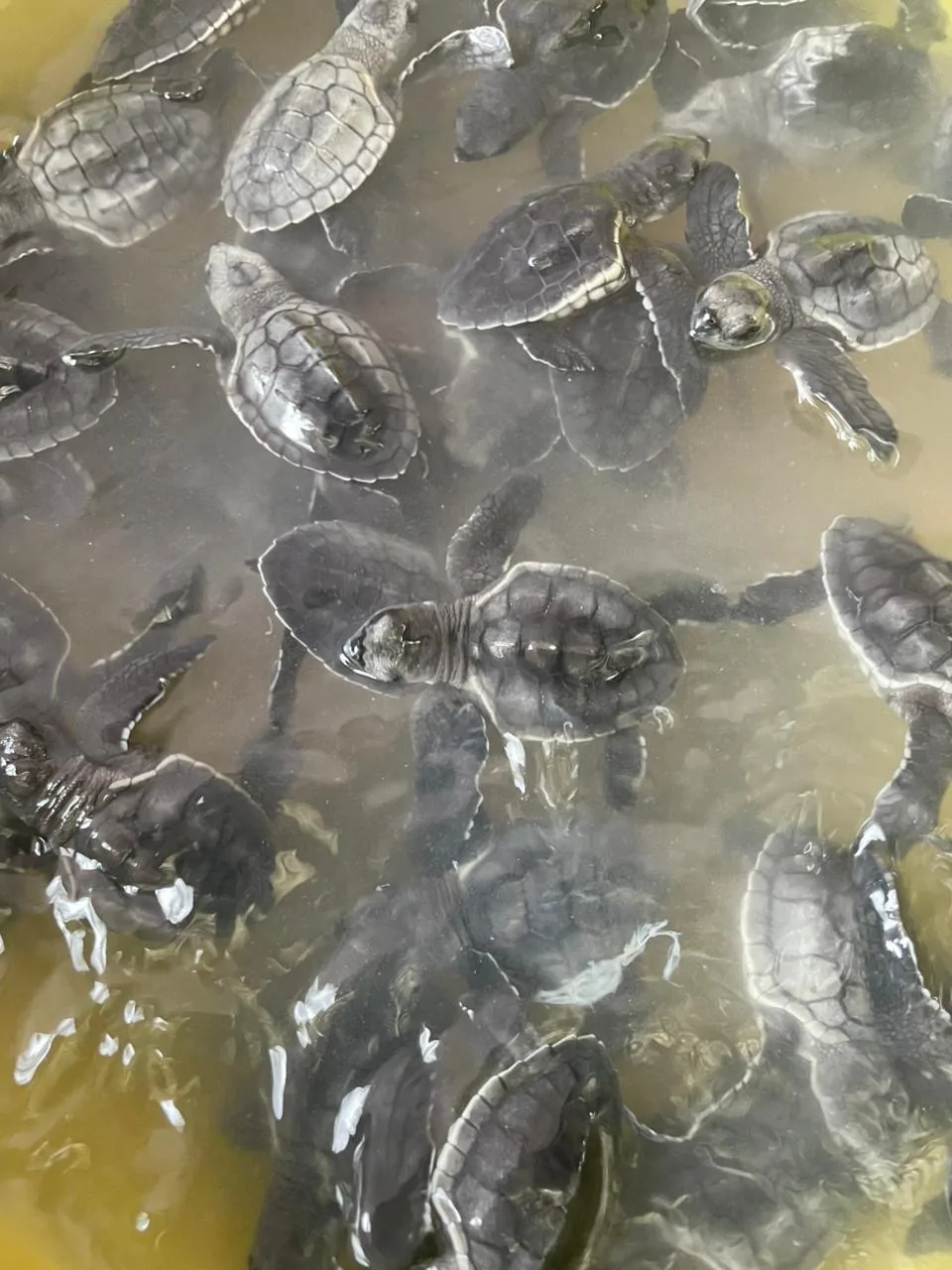
Every year, countless baby sea turtles face overwhelming odds from the moment they are laid, with nests threatened by predators, flooding, pollution, poaching, and human disturbance along vulnerable coastlines. Wild at Life works tirelessly to protect these fragile beginnings by carefully rescuing endangered eggs from unsafe nesting areas and relocating them to their secure sanctuary monitored by trained conservation teams.

From Nest to Ocean

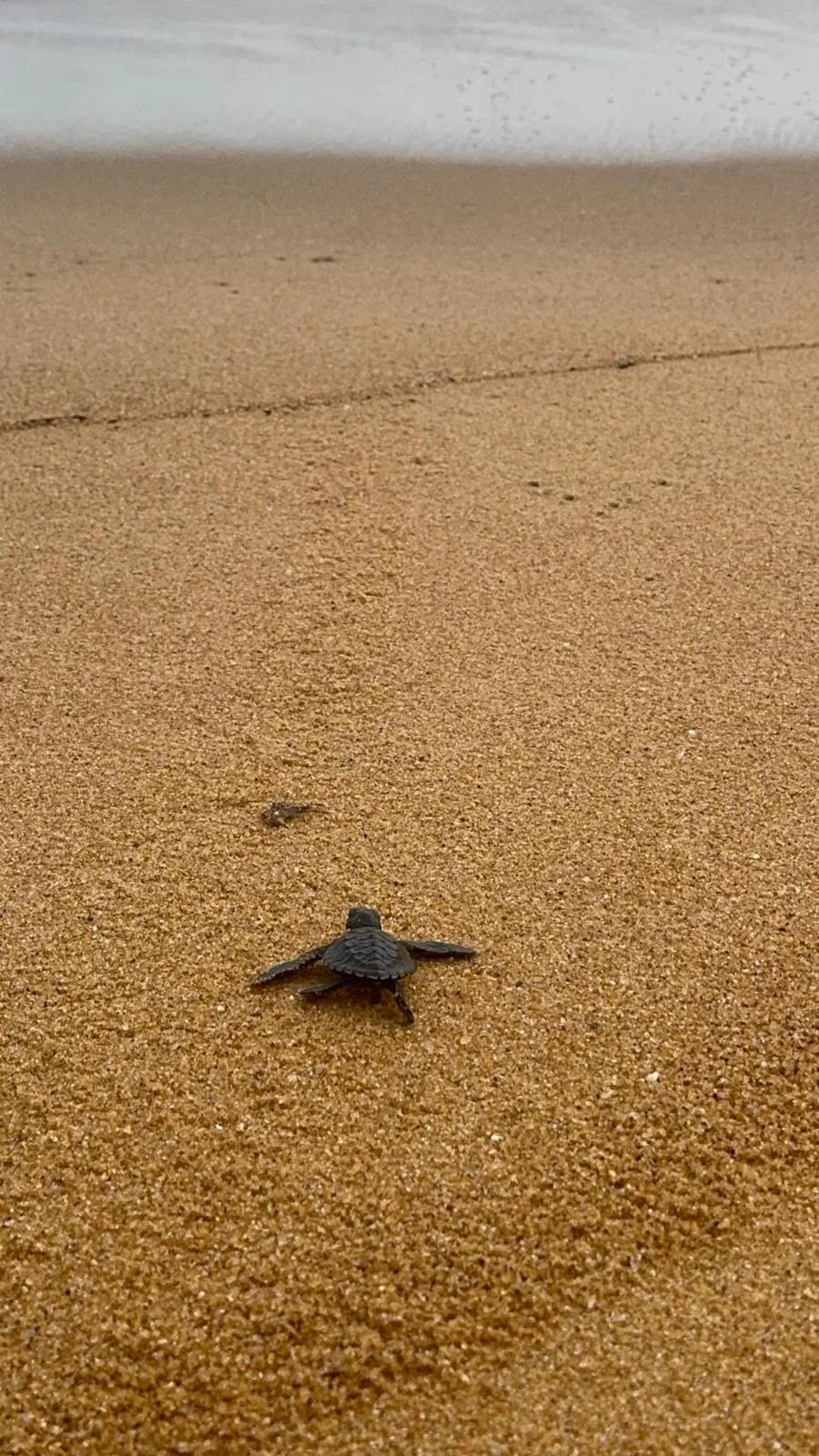
When the hatchlings emerge, they are released professionally and ethically in the late afternoon, at quieter times that minimize stress and avoid harmful tourist interaction, ensuring the babies can begin their journey to the ocean under the safest possible conditions. Guided by strict wildlife standards and deep respect for nature, these releases are not performances, but vital conservation efforts designed to give each hatchling its best chance of survival. Watching the tiny turtles crawl toward the sea is a powerful reminder of resilience and hope — a symbol that with responsible human care and protection, even the most vulnerable lives can still help restore balance and beauty to our natural world.
A Sanctuary for the Ones Who Cannot Return

While some of our turtles are just beginning their journey to the ocean, others arrive at our sanctuary carrying the weight of survival stories that continue long after rescue. For these animals, release is not possible — but care, safety, and dignity remain essential.

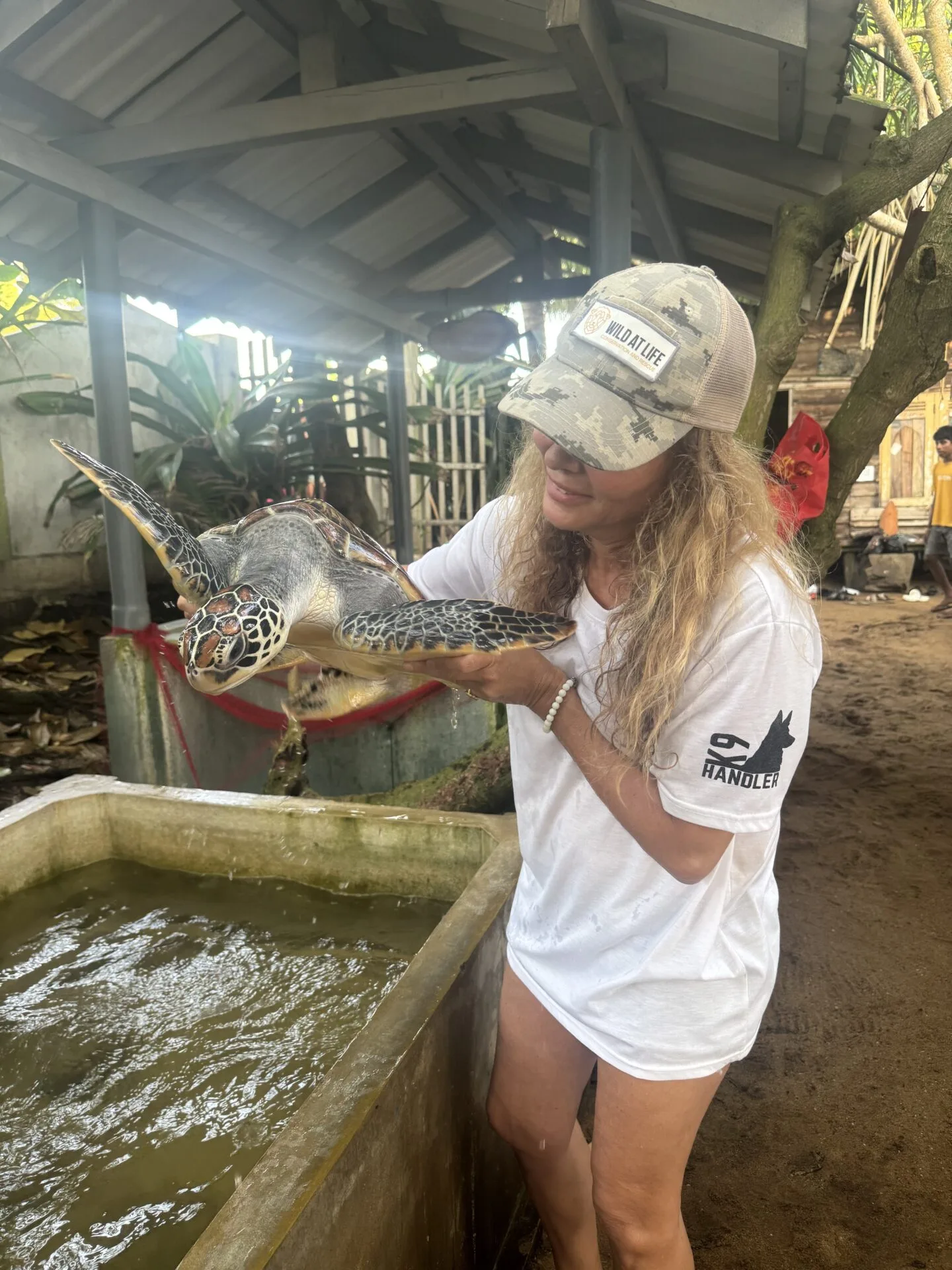
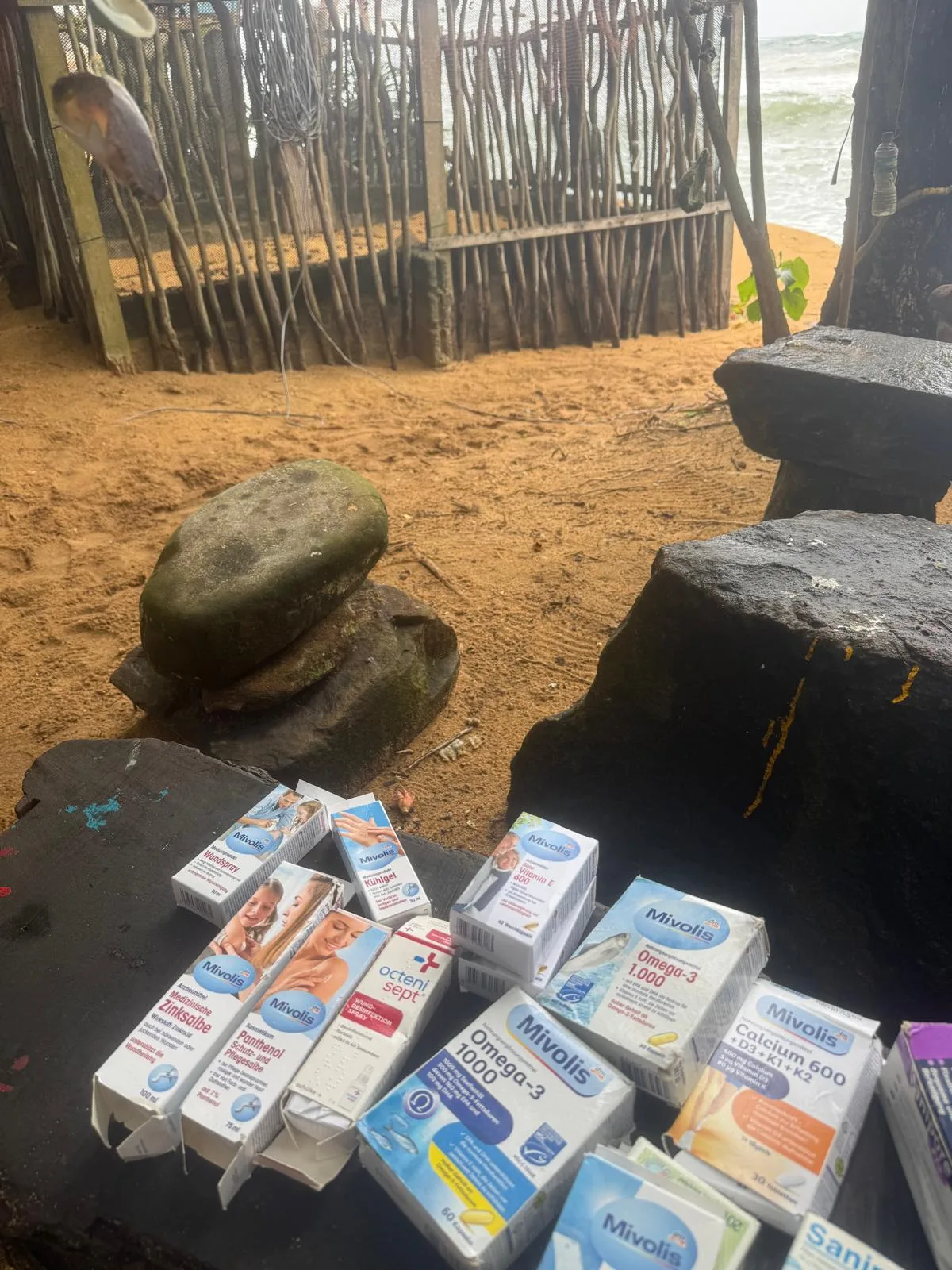
Every rescued sea turtle receives full medical care tailored to their injuries and long-term needs. This includes wound treatment for injuries caused by fishing nets and debris, vitamin supplements to support recovery and immune health, and water-resistant plasters designed to protect healing tissue in aquatic environments.

All of this is part of the essential, ongoing care we provide to give each turtle the best possible chance of recovery and survival.

At our sanctuary, every rescued sea turtle has a story of survival — but some need lifelong care after the unimaginable suffering they endured in the wild. Today, we urgently need to build two new tanks for two very special residents: Bob and Lucky.

Lucky — A Miracle Against the Odds

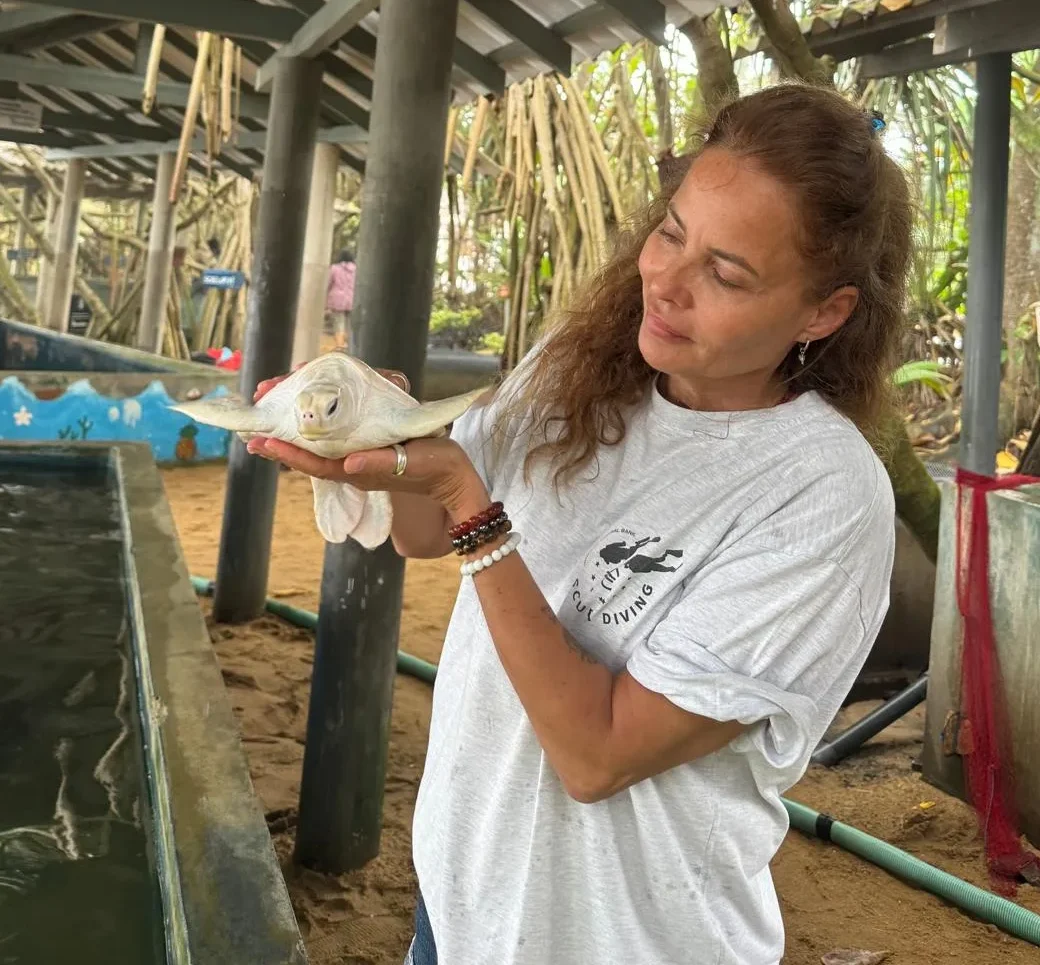
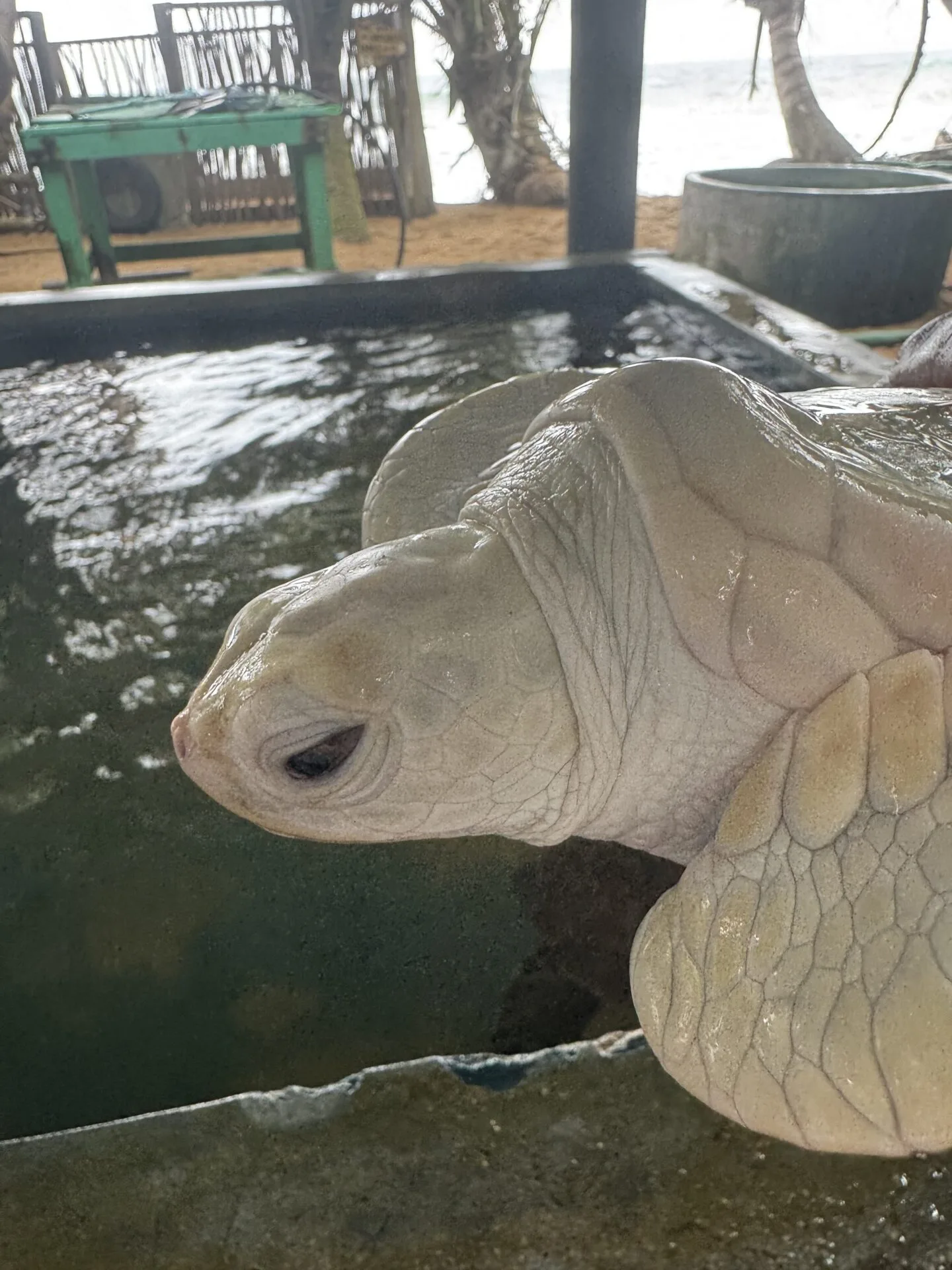
Lucky was discovered alone on the beach with severe injuries around his neck, likely caused by plastic pollution. We still do not know exactly what happened to him, but the fact that he survived at all feels like a miracle.

Lucky is also an albino sea turtle — an extraordinarily rare condition estimated to occur in only one out of every 100,000 sea turtles. Because of his albinism, he suffers from multiple health complications and is far more vulnerable than other turtles in the wild. He requires specialized, lifelong care and protection.

At the moment, we do not yet have a dedicated tank for him.

Bob — Surviving the Nets

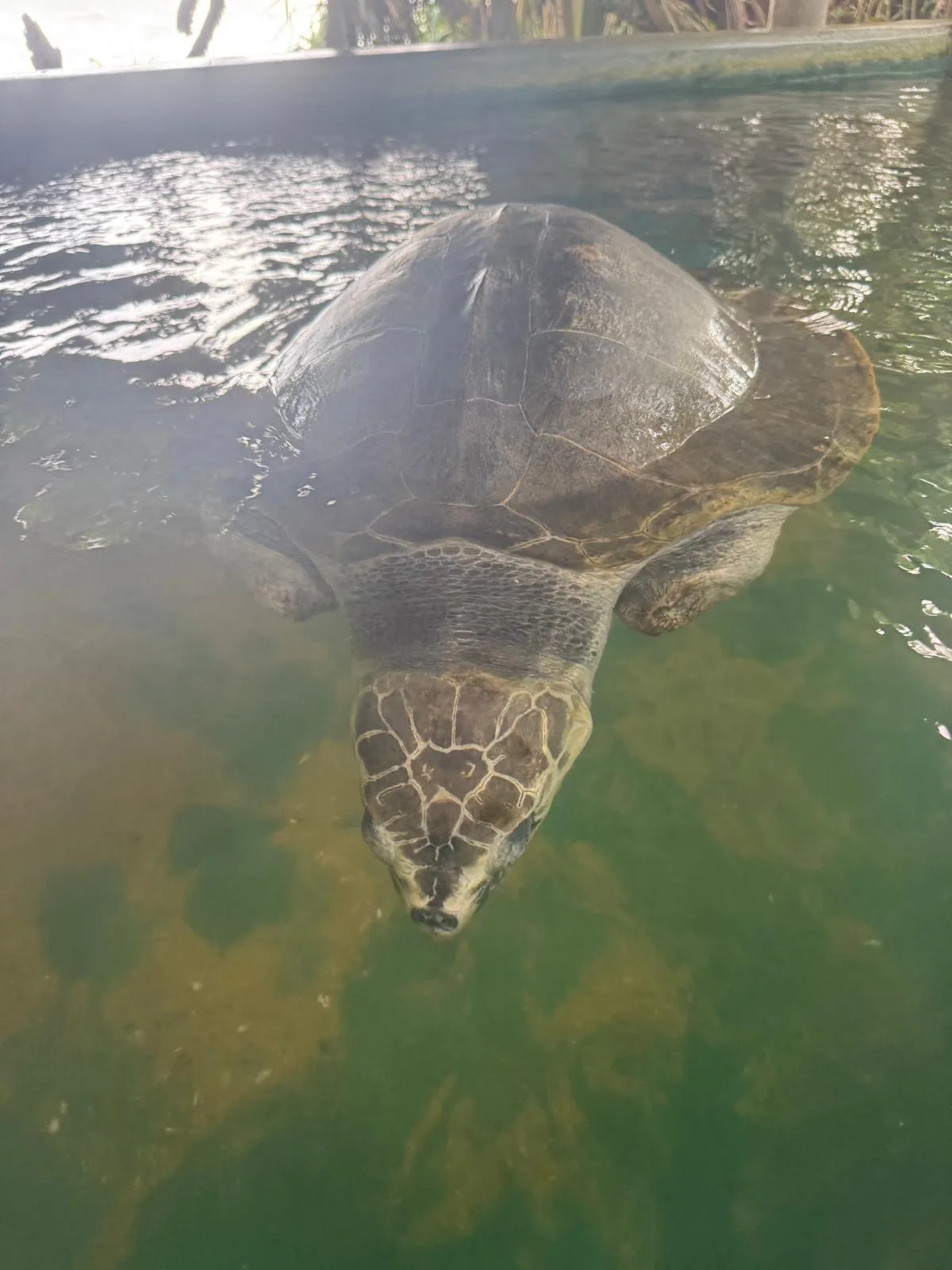
Bob was found trapped in a fishing net, stranded on the shore and screaming in pain — sea turtles cry out in distress in a way heartbreakingly similar to humans.

We rescued him immediately and spent six long months treating his severe injuries. Bob underwent surgery, intensive rehabilitation, and around-the-clock medical care before he was finally stable again.

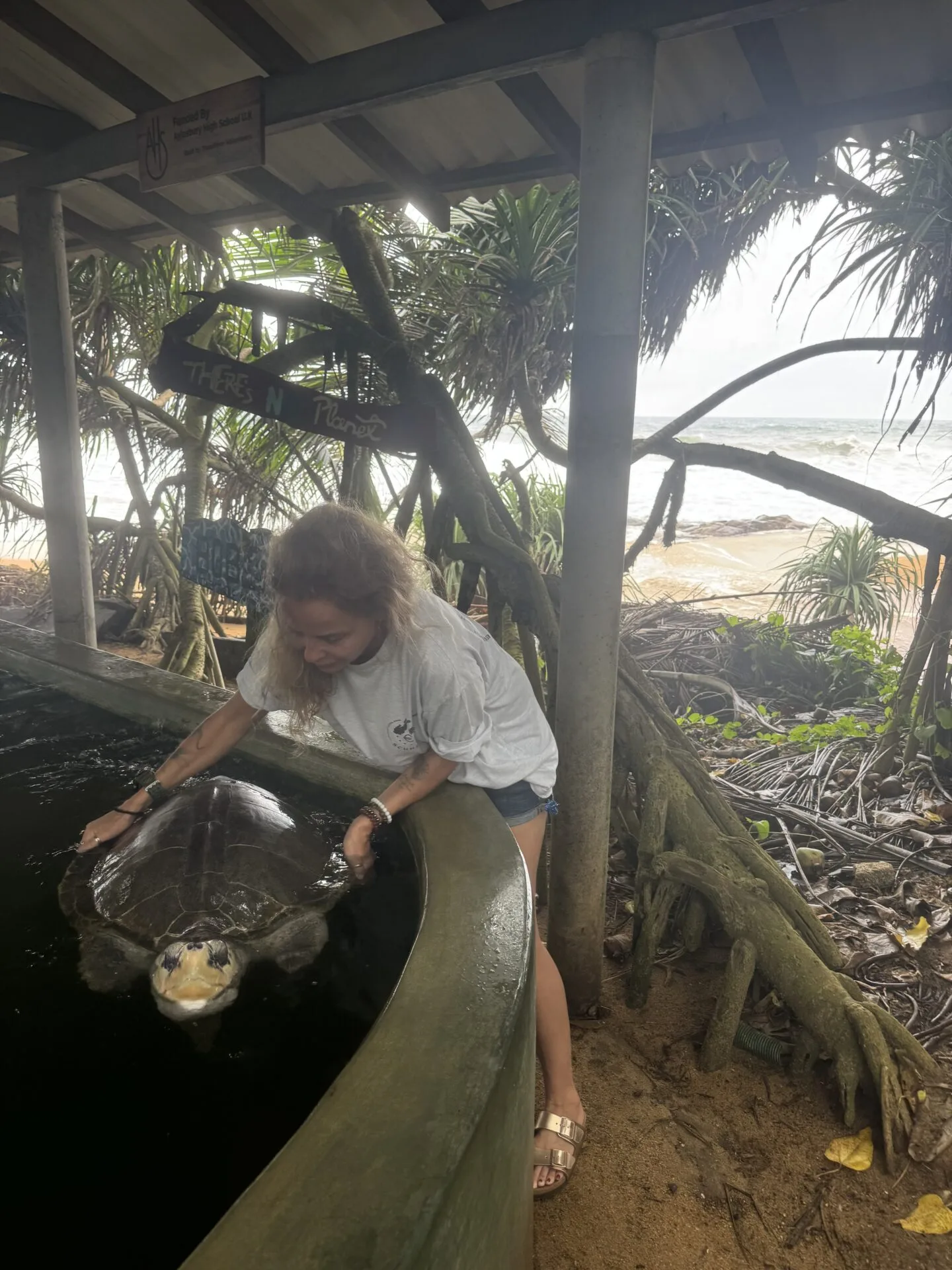
Despite everything we did, Bob cannot be released back into the wild. His injuries are permanent, and he will require lifelong care in a protected environment.

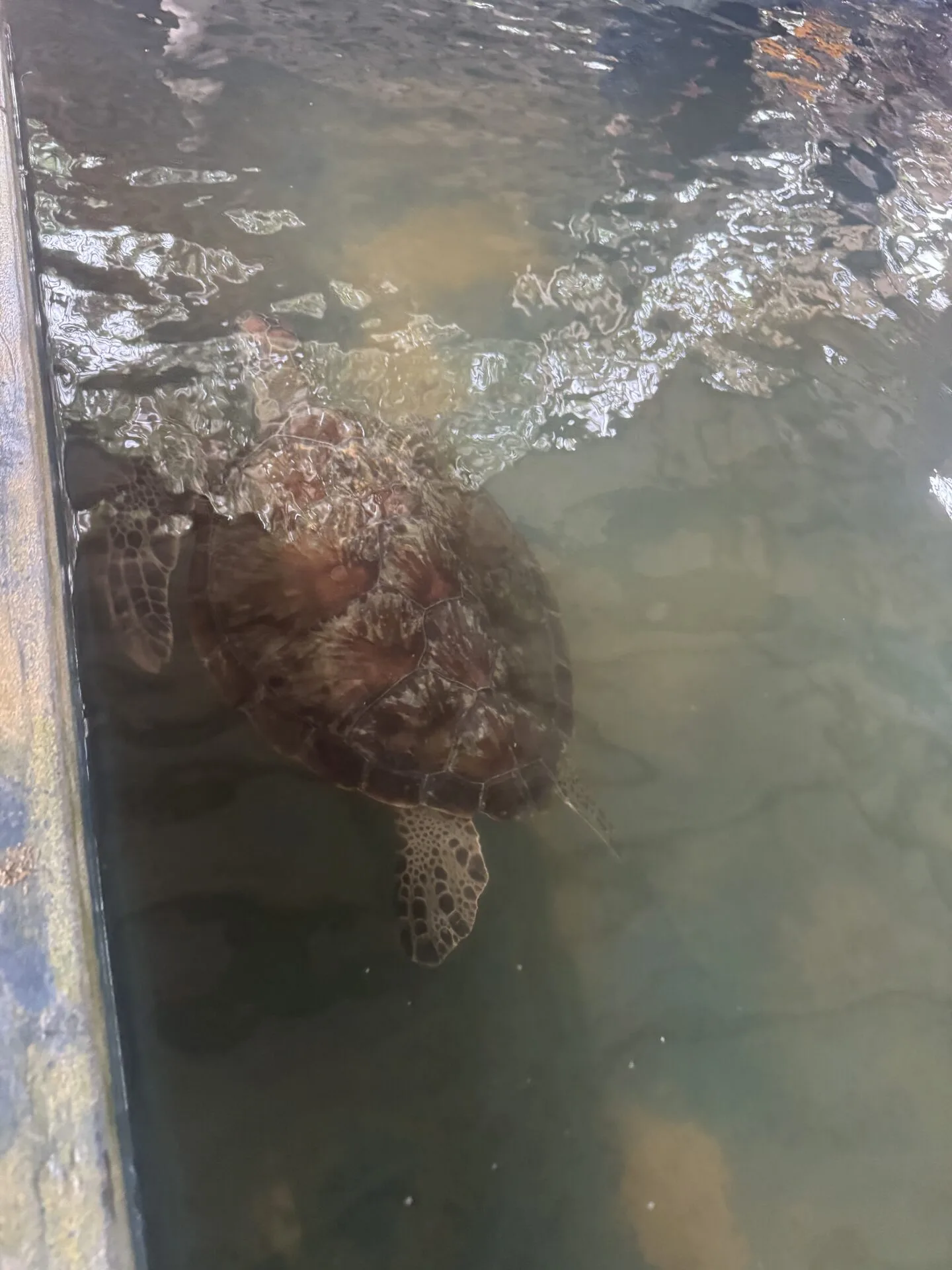
Today, he shares a tank with Stevie, our blind resident turtle, but the space is no longer enough for both of them to live comfortably and safely.

Help Build Safe Homes for Our Sea Turtles

If you would like to help us build safe, life-long homes for Bob, Lucky, and other rescued sea turtles, your support can make a direct difference. Every donation helps us create more space, provide ongoing medical care, and ensure these animals live with dignity and protection.

Please consider contributing to our fundraiser and sharing our mission with others — together, we can give these turtles the care and future they deserve.


You can watch the video below to get to know Elsie’s story — another one of our rescued sea turtles whose journey reflects both the fragility and resilience of ocean life.

She was washed offshore and later found to have suffered injuries from fishing nets as well as plastic ingestion.

After intensive rehabilitation at our sanctuary, Elsie was released back into the wild just last week on a quiet afternoon, accompanied by our volunteers.

Rebuilding Habitats

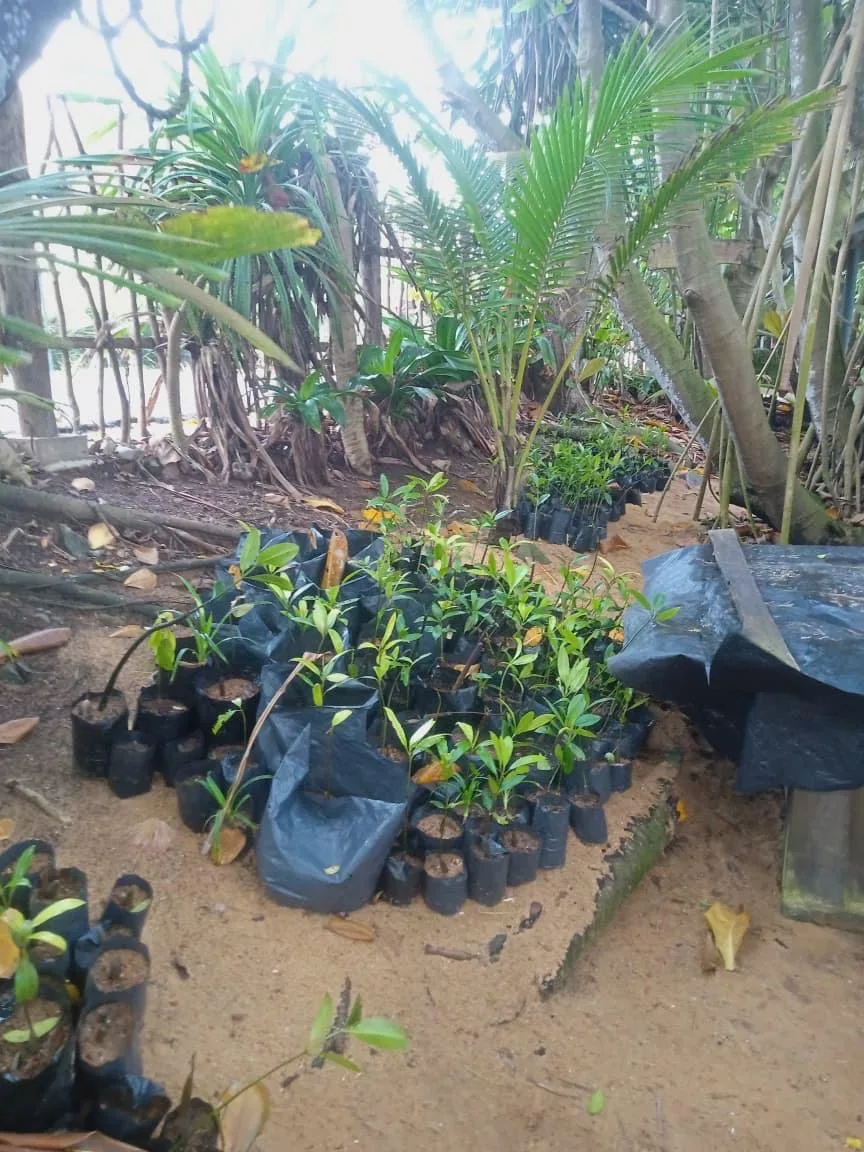
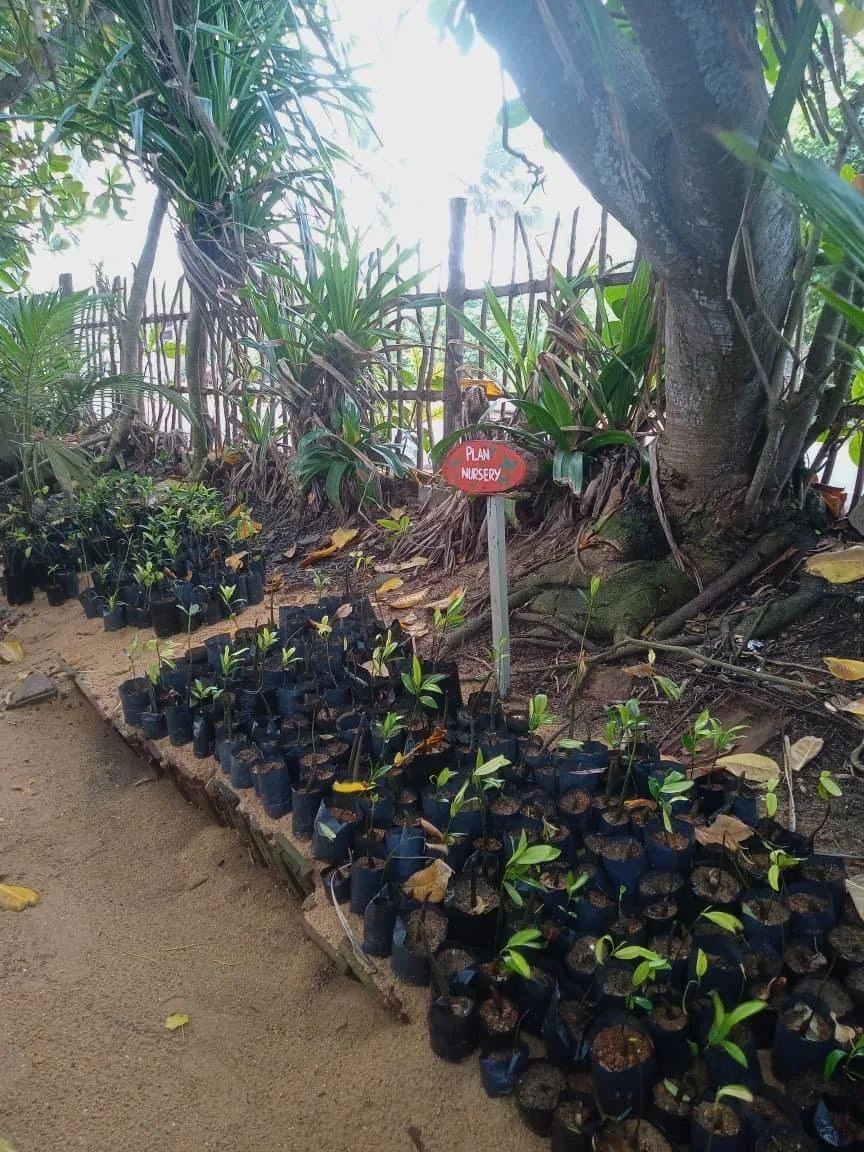
Alongside our rescue work, we are also committed to restoring the environments these animals depend on. In our sanctuary, we grow mangrove plants and participate in replanting efforts for marine conservation. Mangroves are essential for healthy coastal ecosystems — they protect shorelines, improve water quality, and provide vital shelter for countless marine species. By restoring these habitats, we help ensure that sea turtles and other ocean life have a safer and more balanced future in the wild.

Spread the news!

Help us increasing social commitment in saving endangered wild species. Express your support by sharing this article in your favorite social media channel.

Facebook
Twitter
LinkedIn
Pinterest
WhatsApp
Email

You may also like...

Share this story!

Mission Caita – still on the ground

May 2, 2026

Chimpanzees are incredibly close to us.They live in complex social groups, form lifelong bonds, and experience emotions in ways that are deeply familiar — trust, fear, grief, connection. This is exactly what makes wildlife trafficking so devastating. What we see

Share this story!

One Voice Against Wildlife Crime

May 1, 2026

We are proud to share our latest contribution to advancing international efforts to combat wildlife crime and broader environmental offences. As a member of the Global Initiative to End Wildlife Crime (EWC), we have joined 103 organizations in calling on

Share this story!

Unregulated Squid Fishing in the Northwest Indian Ocean

April 5, 2026

Unregulated industrial squid fishing in the northwest Indian Ocean has grown into a serious ecological and socio-economic crisis—and it is one we at Wild at Life e.V. have been documenting for years.

Share this story!

Rhino Monitoring Update

March 14, 2026

Protecting rhinos requires constant monitoring, strong partnerships, and long-term commitment. Through our Rhinoceros Conservation and Rescue Project, Wild at Life e.V. works together with dedicated conservation partners on the ground in South Africa to protect endangered white rhinoceroses and their

Share this story!

Let Them Feel Safe Again

February 15, 2026

In Turkey, stray animals face unimaginable hardships every day—from scavenging for food to suffering from illness and injury. Many are victims of abuse, neglect, and cruel practices such as poisoning and mutilation. Recent government legislation allowing mass euthanasia of stray

Share this story!

Existing in a World That Doesn’t Want Them

January 25, 2026

City pigeons live a life few people truly see. Constant noise, traffic, hunger, cold, and danger are part of their everyday reality. Injuries are common, safe nesting places are rare, and survival often depends on luck rather than care. Yet

Search for more