News from the wild

Mission Caita – still on the ground

Published on: May 2, 2026
Categories:
Tagged: #

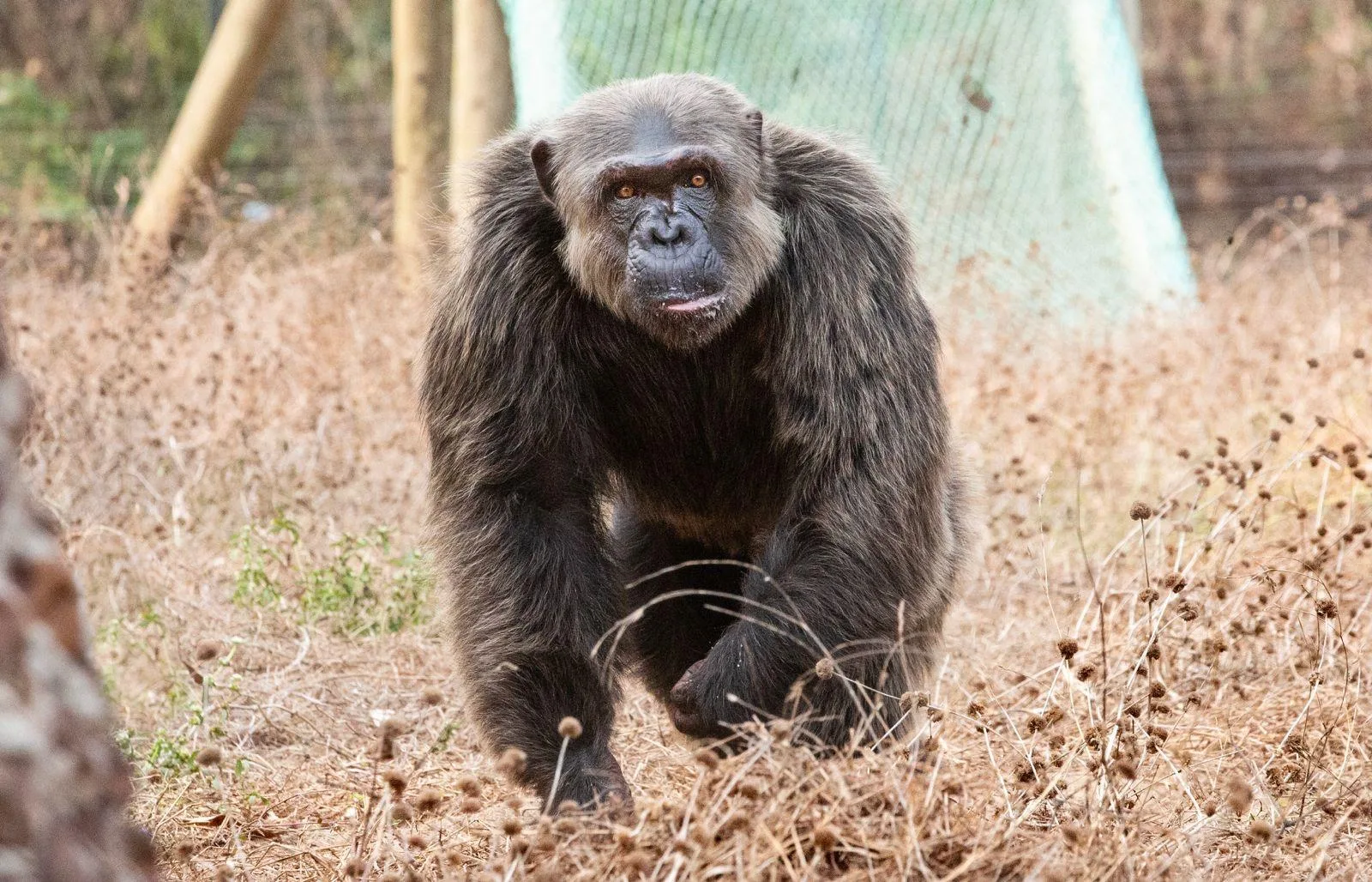
Chimpanzees are incredibly close to us.
They live in complex social groups, form lifelong bonds, and experience emotions in ways that are deeply familiar — trust, fear, grief, connection.

This is exactly what makes wildlife trafficking so devastating.

What we see through Mission Caita is not just the removal of animals from the wild. It is the destruction of entire social structures. Groups are broken apart. Individuals are taken out of everything they know. What remains are chimpanzees that have lost their place, their safety, and often their families.

Mission Caita exists because of this reality.
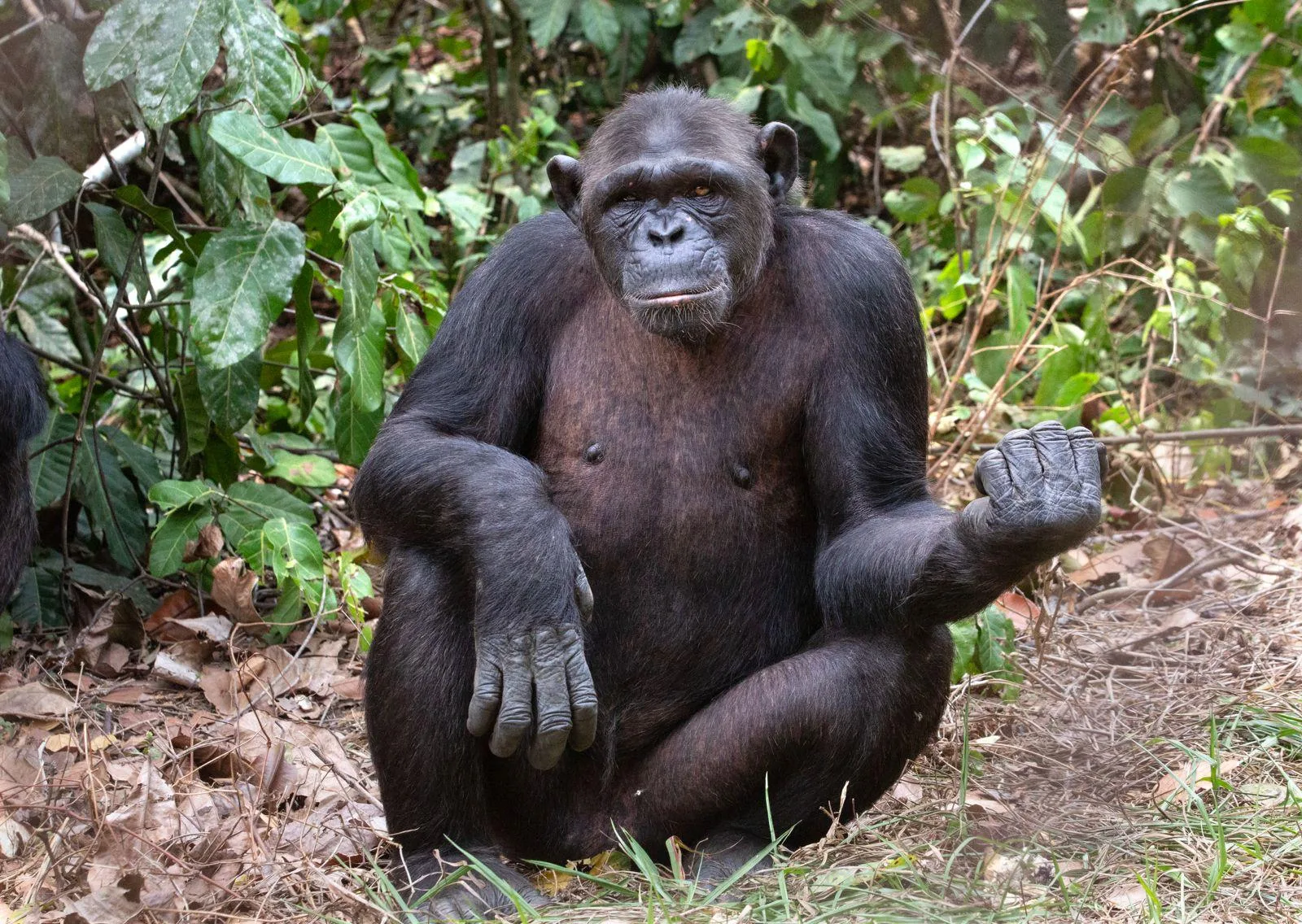
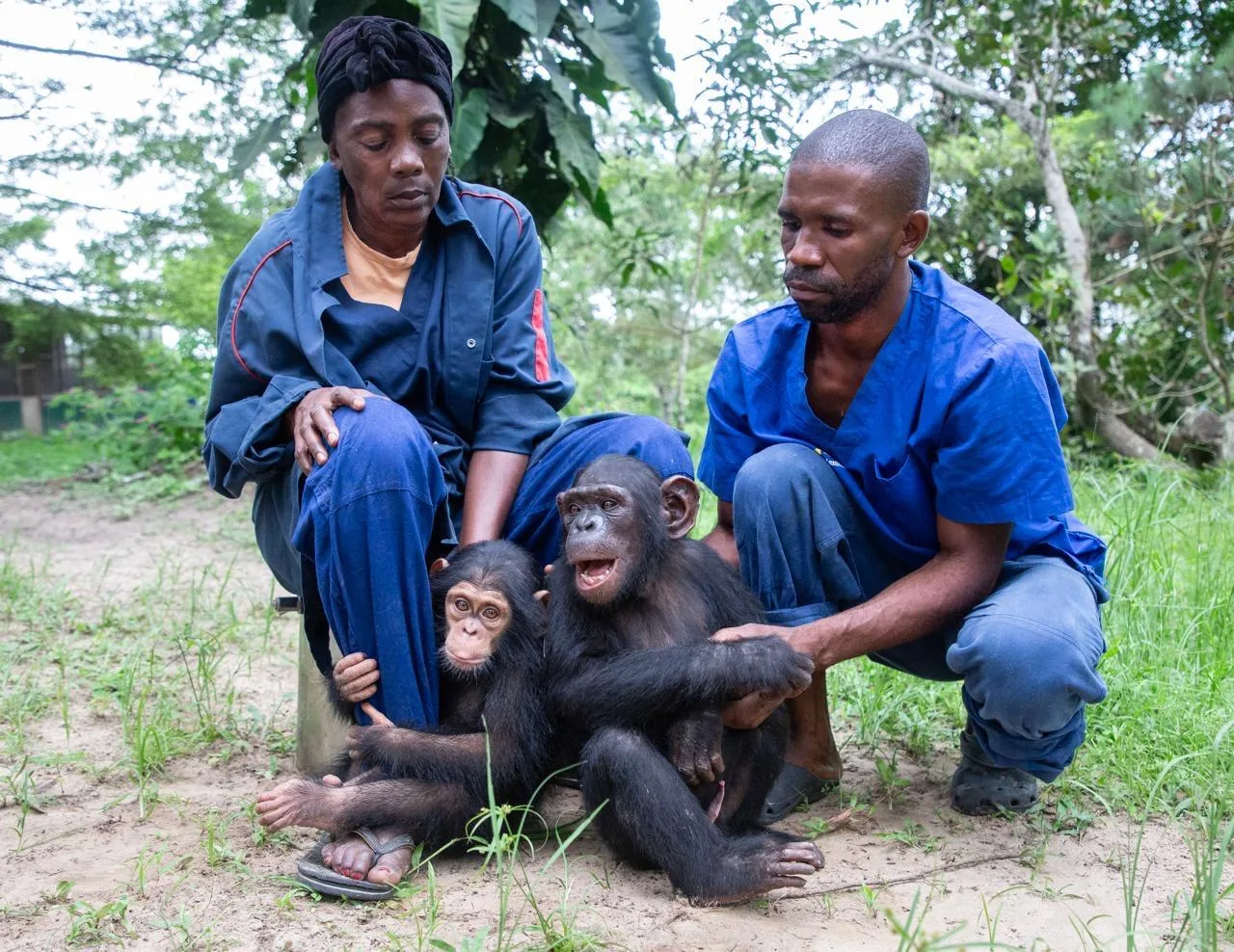
It is our long-term, on-the-ground commitment in Angola to actively respond to illegal wildlife trade. We work alongside authorities, support interventions, and take in chimpanzees and other primates who have been trafficked. But what defines Mission Caita is not just the rescue — it is the fact that we keep going.

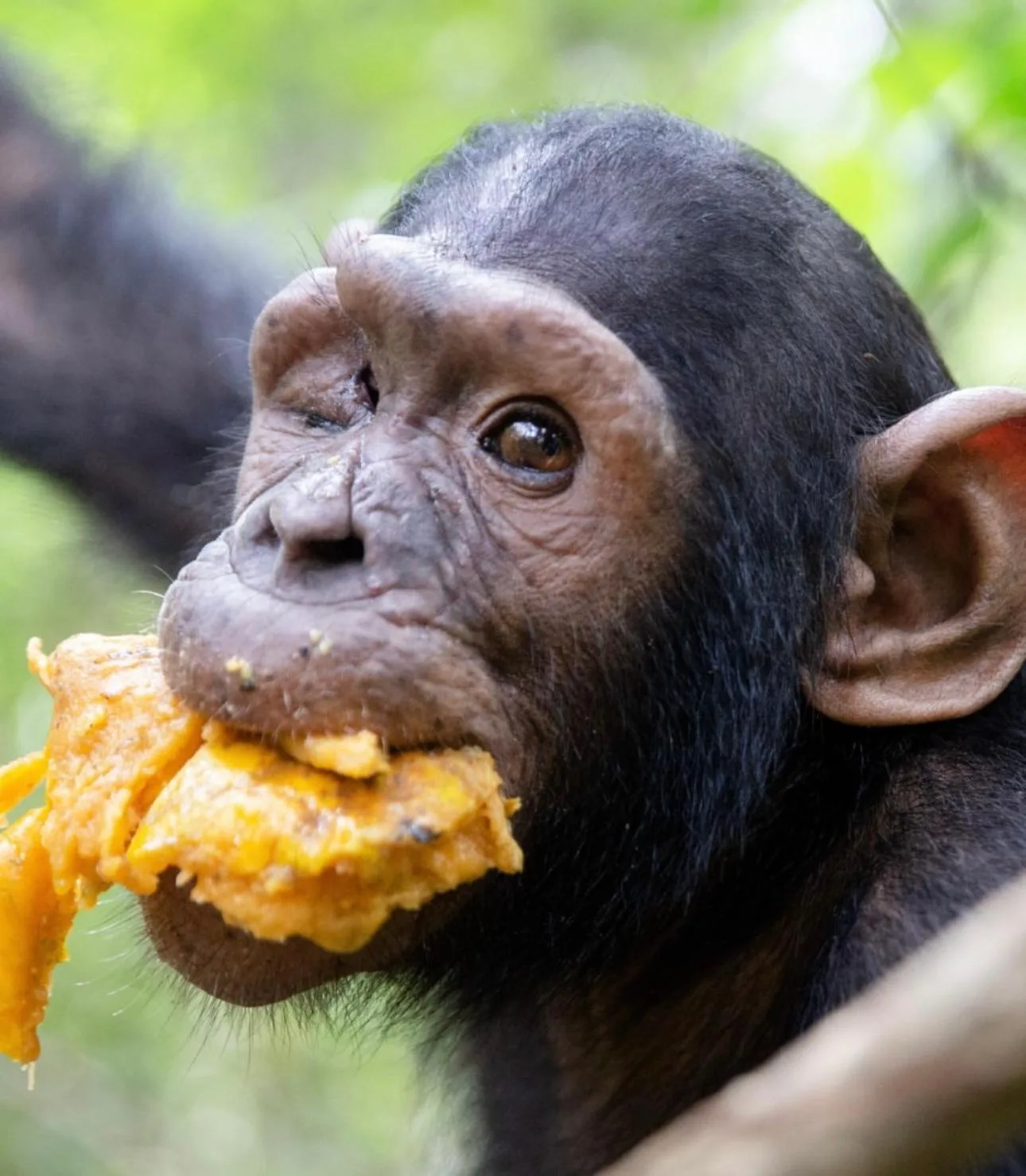
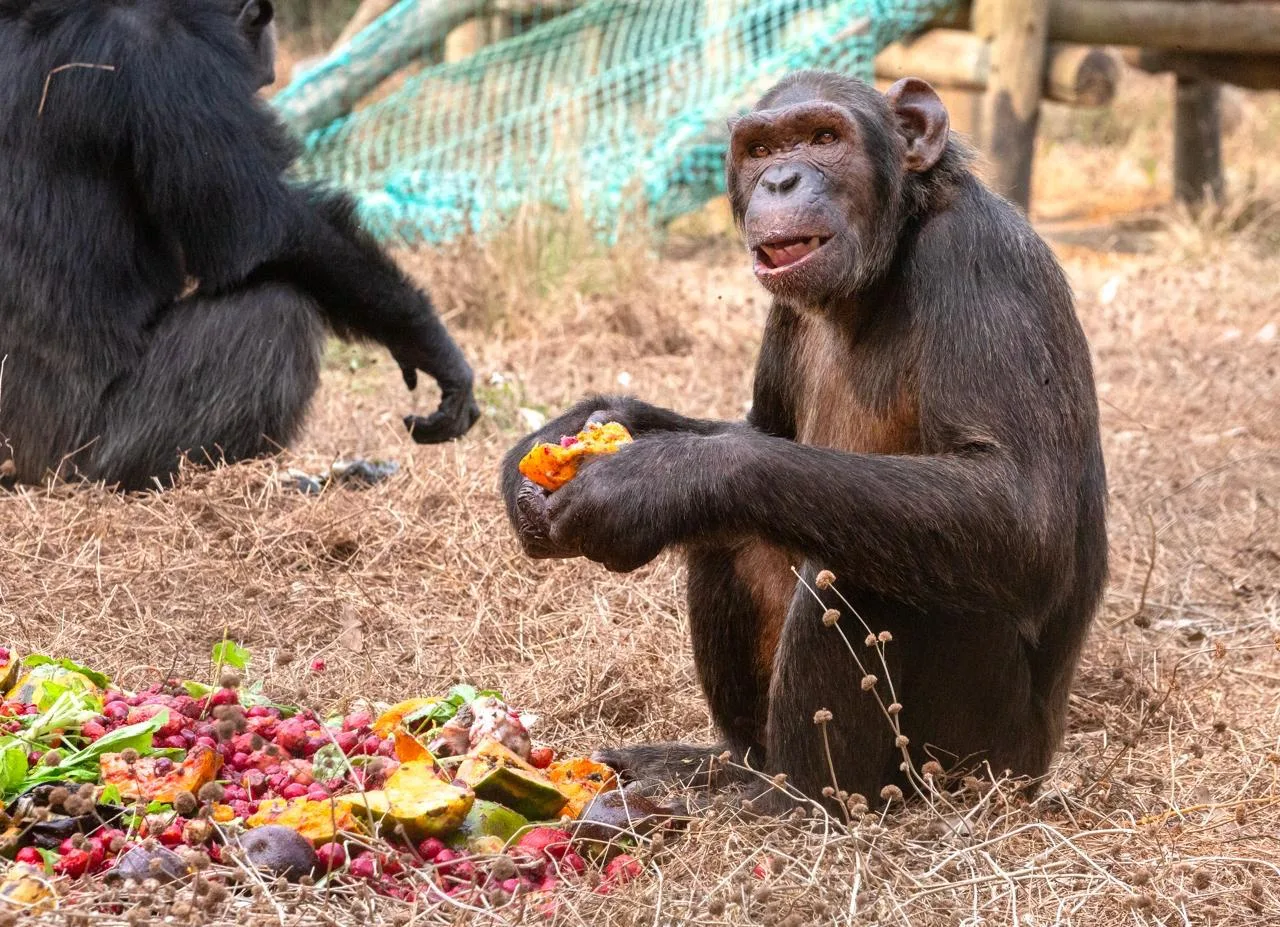
We provide long-term care, rehabilitation, and a stable environment where chimpanzees can recover and rebuild. That process takes time. It cannot be rushed. But it matters — because these animals are not just victims of a crime, they are individuals with complex needs and strong social instincts. And slowly, we see them come back to themselves. They form bonds again. They move more freely. They regain strength.

As part of our latest update, we want to share something important:
all of the chimpanzees in our care are safe and doing well.

They continue to recover, to adapt, and to live — and that is something we do not take for granted.

Mission Caita was built out of loss, and that will always be part of its story. But it is also built on persistence. On showing up, every day, in a place where this work is still urgently needed.

And that is why Mission Caita is not temporary.

We are on the ground.
We are present.
And we will continue this work without stopping.

Thank you for all your support!

Spread the news!

Help us increasing social commitment in saving endangered wild species. Express your support by sharing this article in your favorite social media channel.

Facebook
Twitter
LinkedIn
Pinterest
WhatsApp
Email

You may also like...

Share this story!

One Voice Against Wildlife Crime

May 1, 2026

We are proud to share our latest contribution to advancing international efforts to combat wildlife crime and broader environmental offences. As a member of the Global Initiative to End Wildlife Crime (EWC), we have joined 103 organizations in calling on

Share this story!

Unregulated Squid Fishing in the Northwest Indian Ocean

April 5, 2026

Unregulated industrial squid fishing in the northwest Indian Ocean has grown into a serious ecological and socio-economic crisis—and it is one we at Wild at Life e.V. have been documenting for years.

Share this story!

Rhino Monitoring Update

March 14, 2026

Protecting rhinos requires constant monitoring, strong partnerships, and long-term commitment. Through our Rhinoceros Conservation and Rescue Project, Wild at Life e.V. works together with dedicated conservation partners on the ground in South Africa to protect endangered white rhinoceroses and their

Share this story!

Let Them Feel Safe Again

February 15, 2026

In Turkey, stray animals face unimaginable hardships every day—from scavenging for food to suffering from illness and injury. Many are victims of abuse, neglect, and cruel practices such as poisoning and mutilation. Recent government legislation allowing mass euthanasia of stray

Share this story!

Existing in a World That Doesn’t Want Them

January 25, 2026

City pigeons live a life few people truly see. Constant noise, traffic, hunger, cold, and danger are part of their everyday reality. Injuries are common, safe nesting places are rare, and survival often depends on luck rather than care. Yet

Share this story!

The Hidden Killer in the Bush

January 24, 2026

Snares are one of the biggest threats facing wildlife across Africa.Silent, cheap, and almost invisible, these wire traps are responsible for the suffering and death of millions of animals every year. Made from wire or steel cable, snares are easy

Search for more