News from the wild

Update from Sri Lanka – Stray Animal Work on the Ground

Published on: June 3, 2026
Categories:
Tagged: #

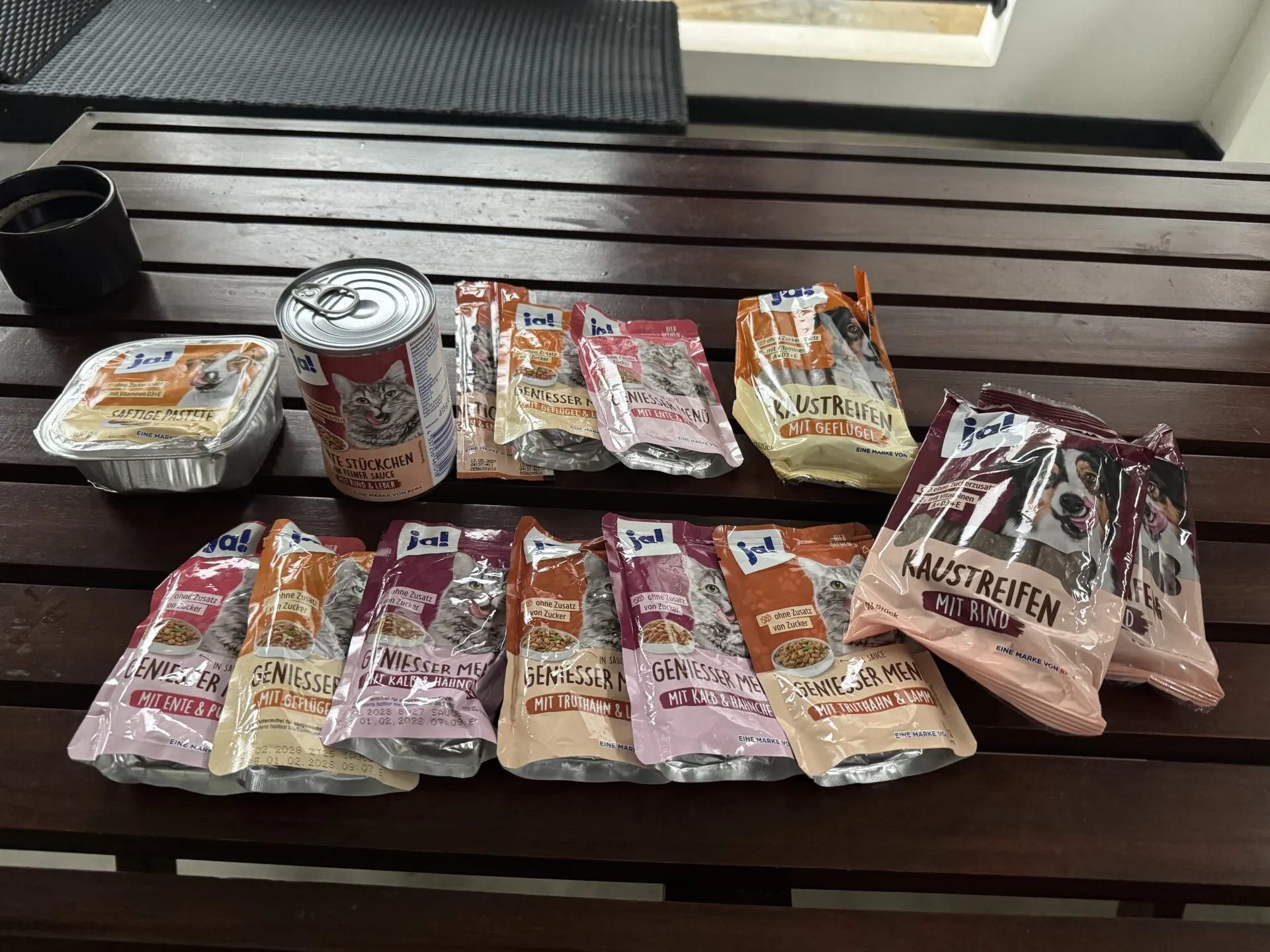
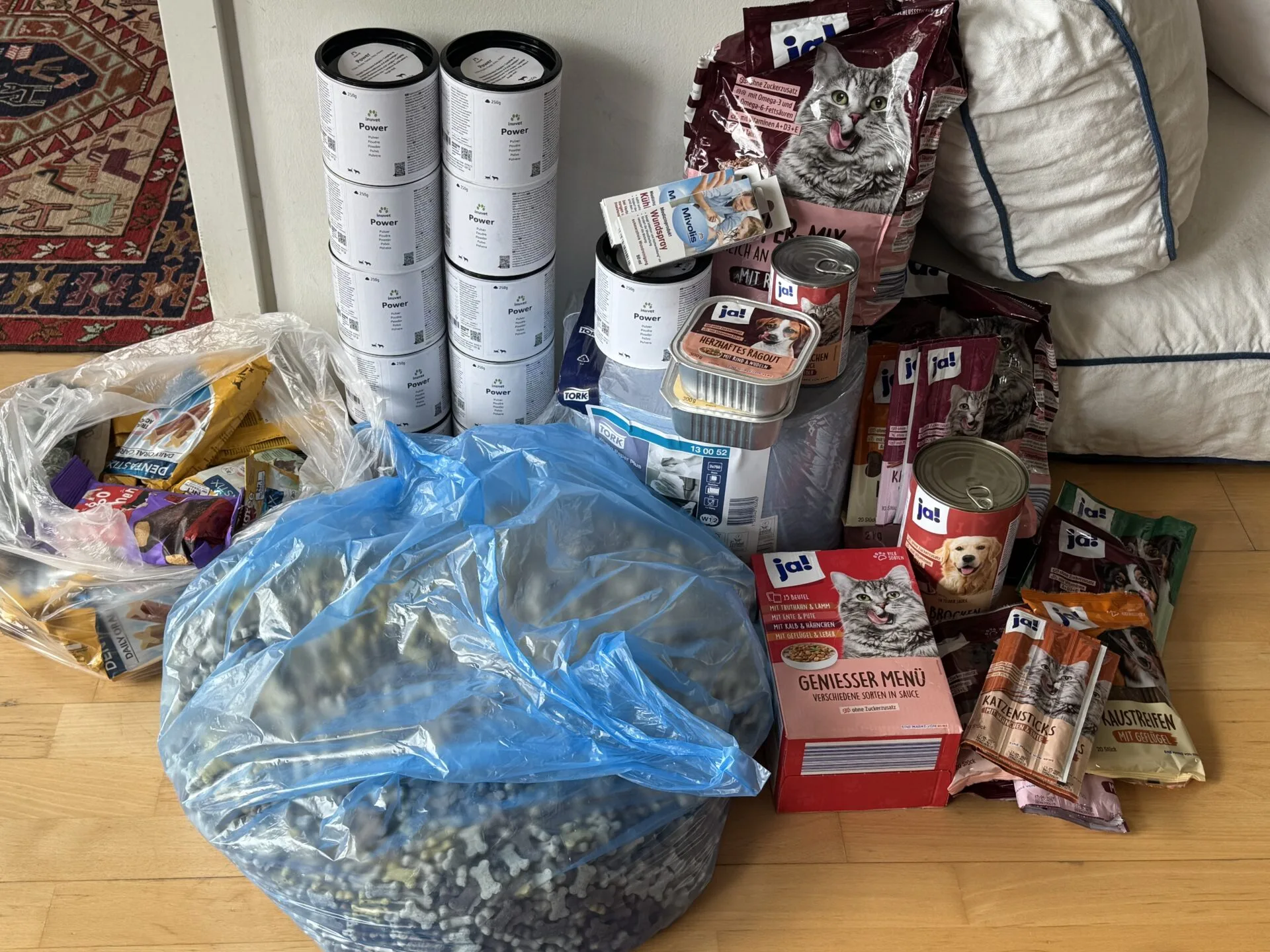
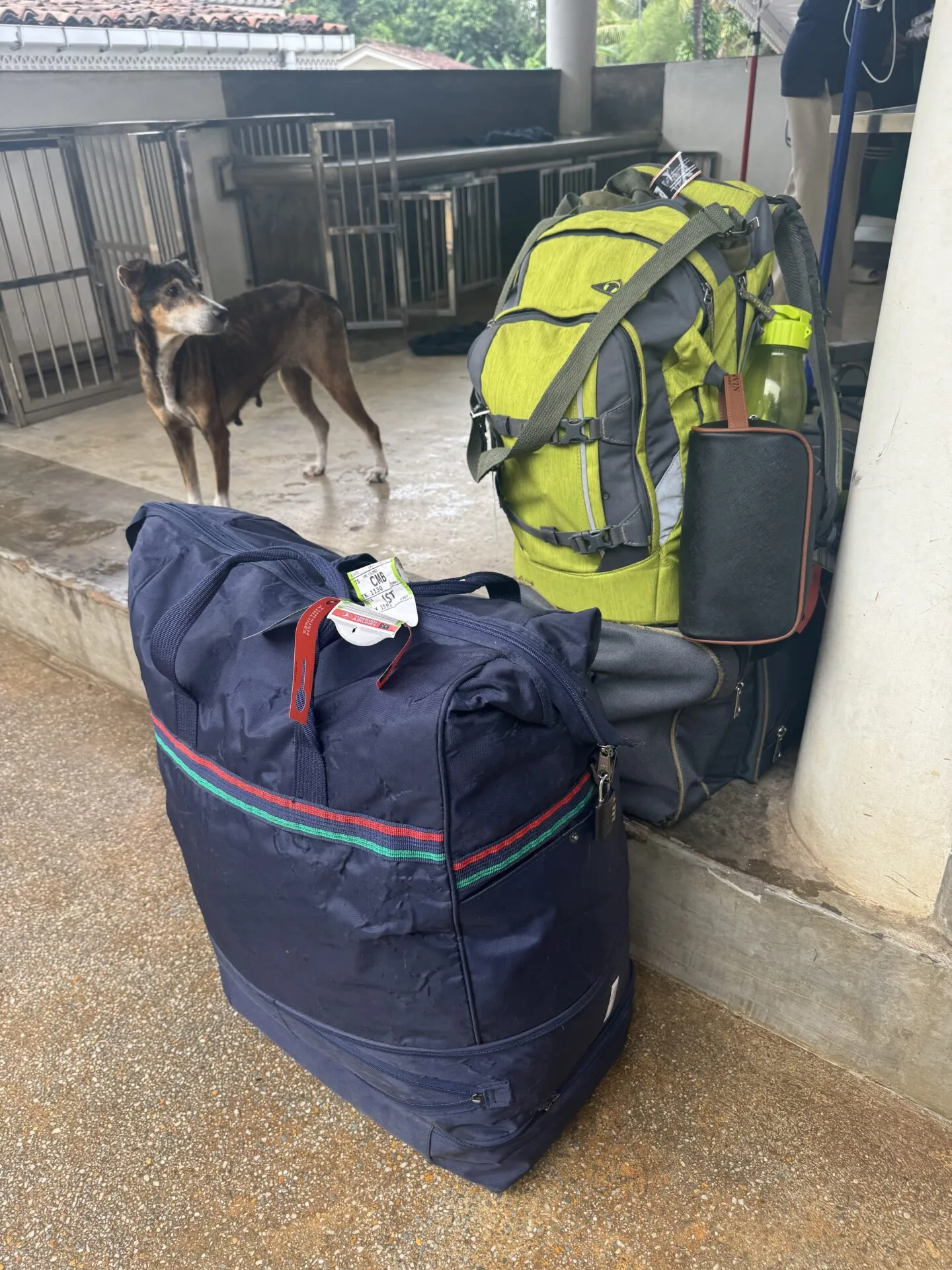
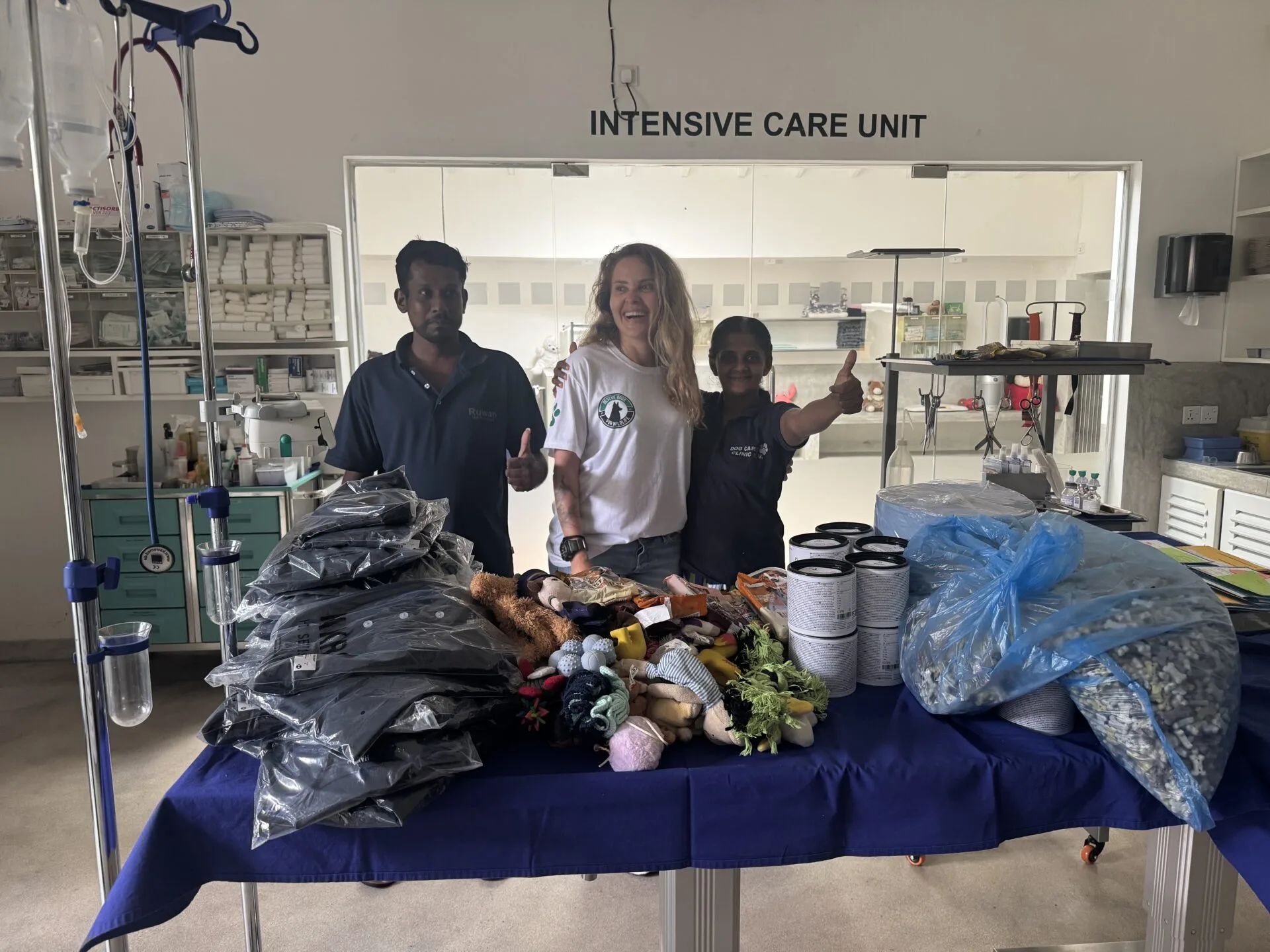
Every year we return to Sri Lanka with the same purpose: to help as many stray and abandoned animals as we can. This year, we brought over 70kg of supplies, including food, medicines, deworming treatments, dog treats, and basic veterinary supplies used during sterilisation and vaccination work. These were distributed between our rescue base and the work carried out with our partner organisation, DCC.

Our rescue animals

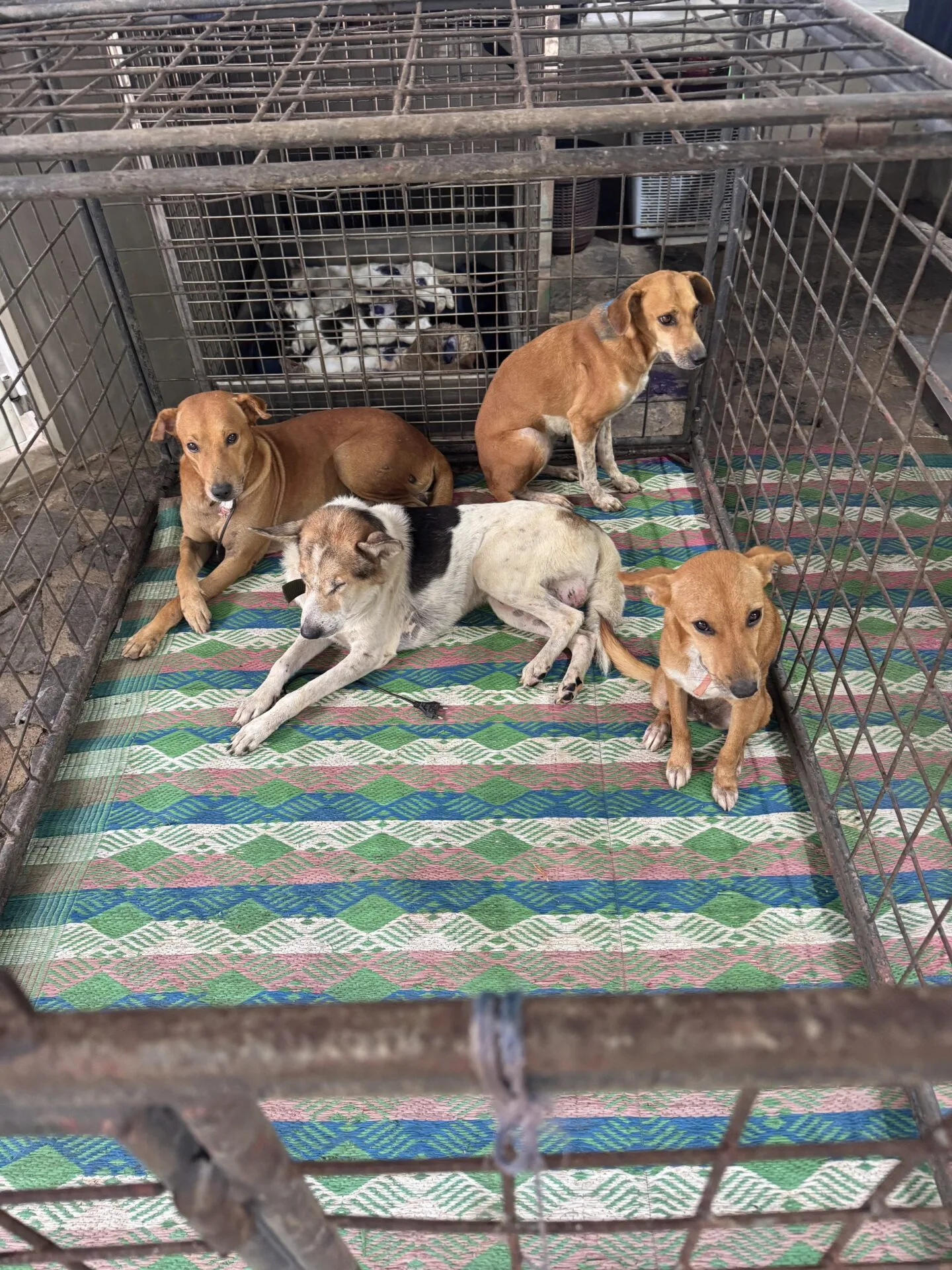
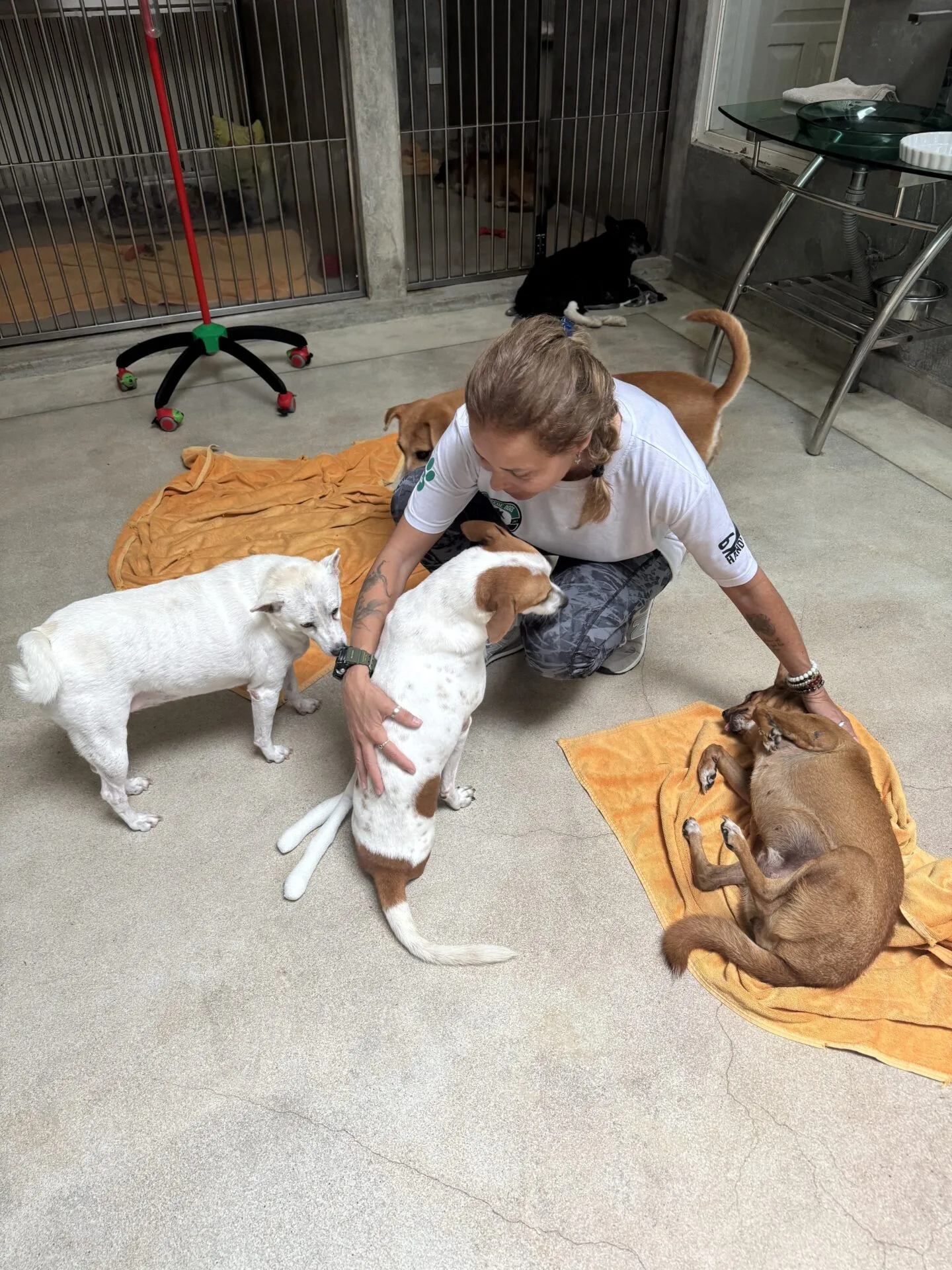
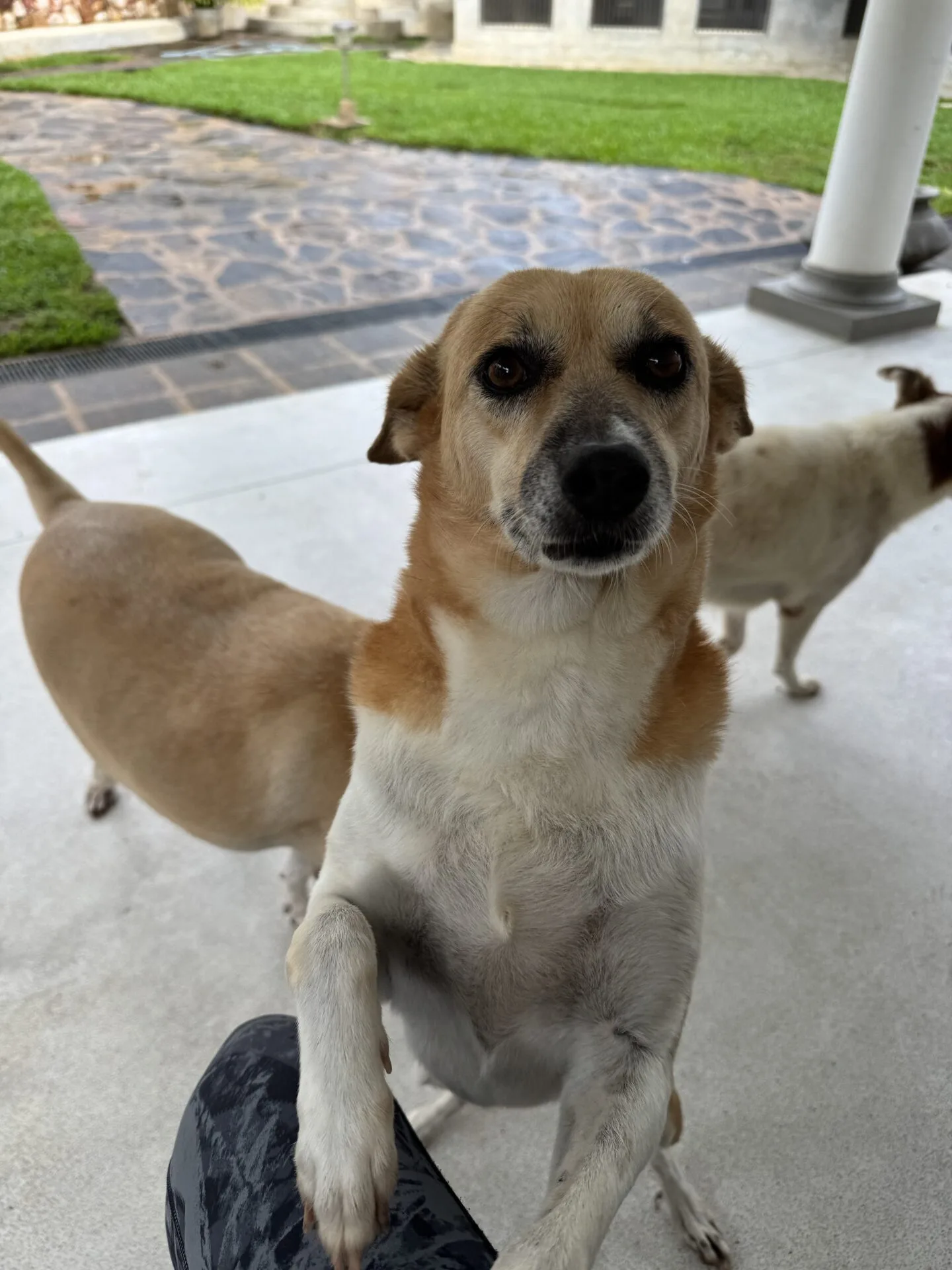
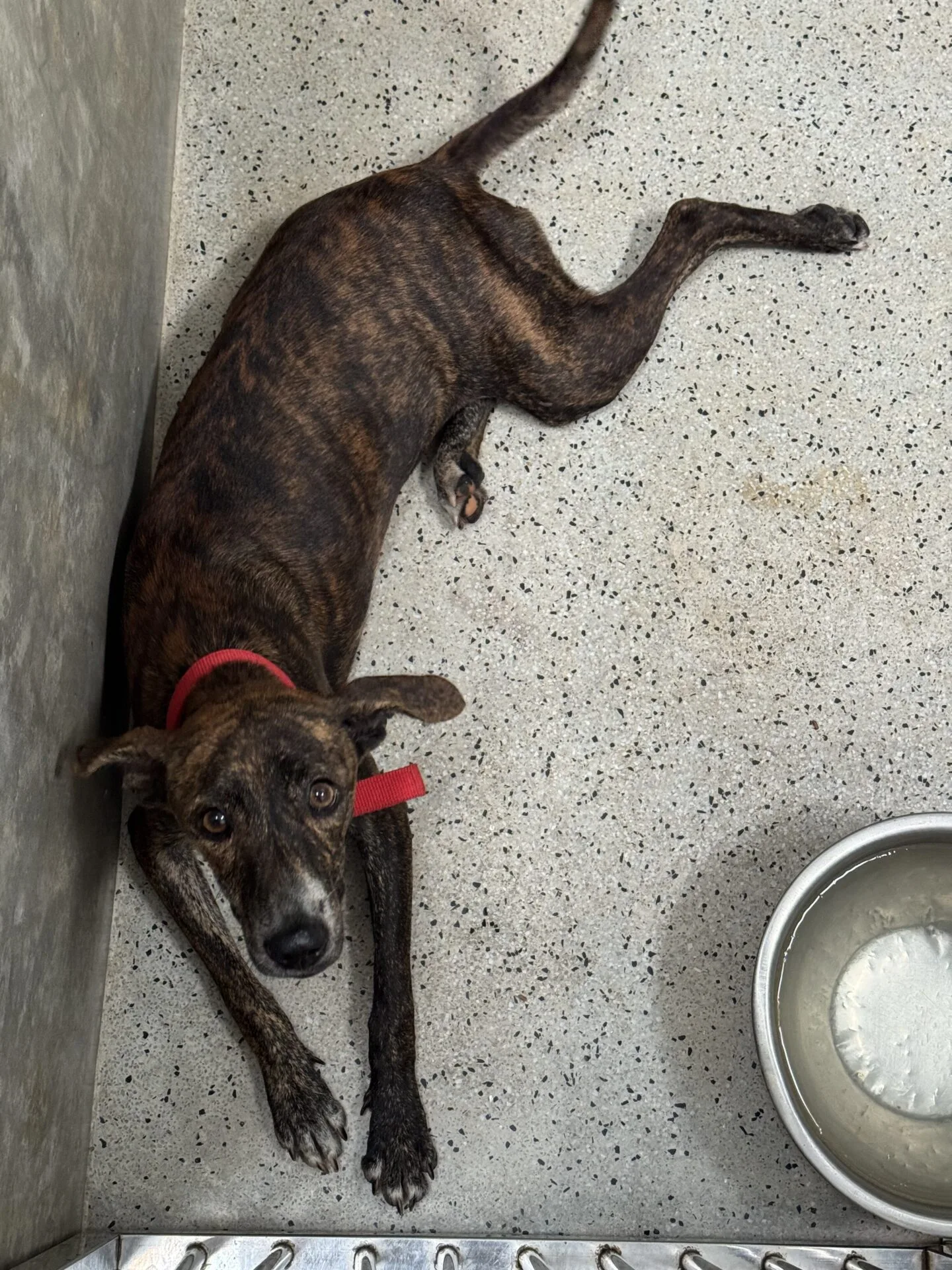
At our base, we currently care for a group of rescue dogs as well as a cat. Part of our routine work each year is ensuring their health care is kept up to date while we are on site.

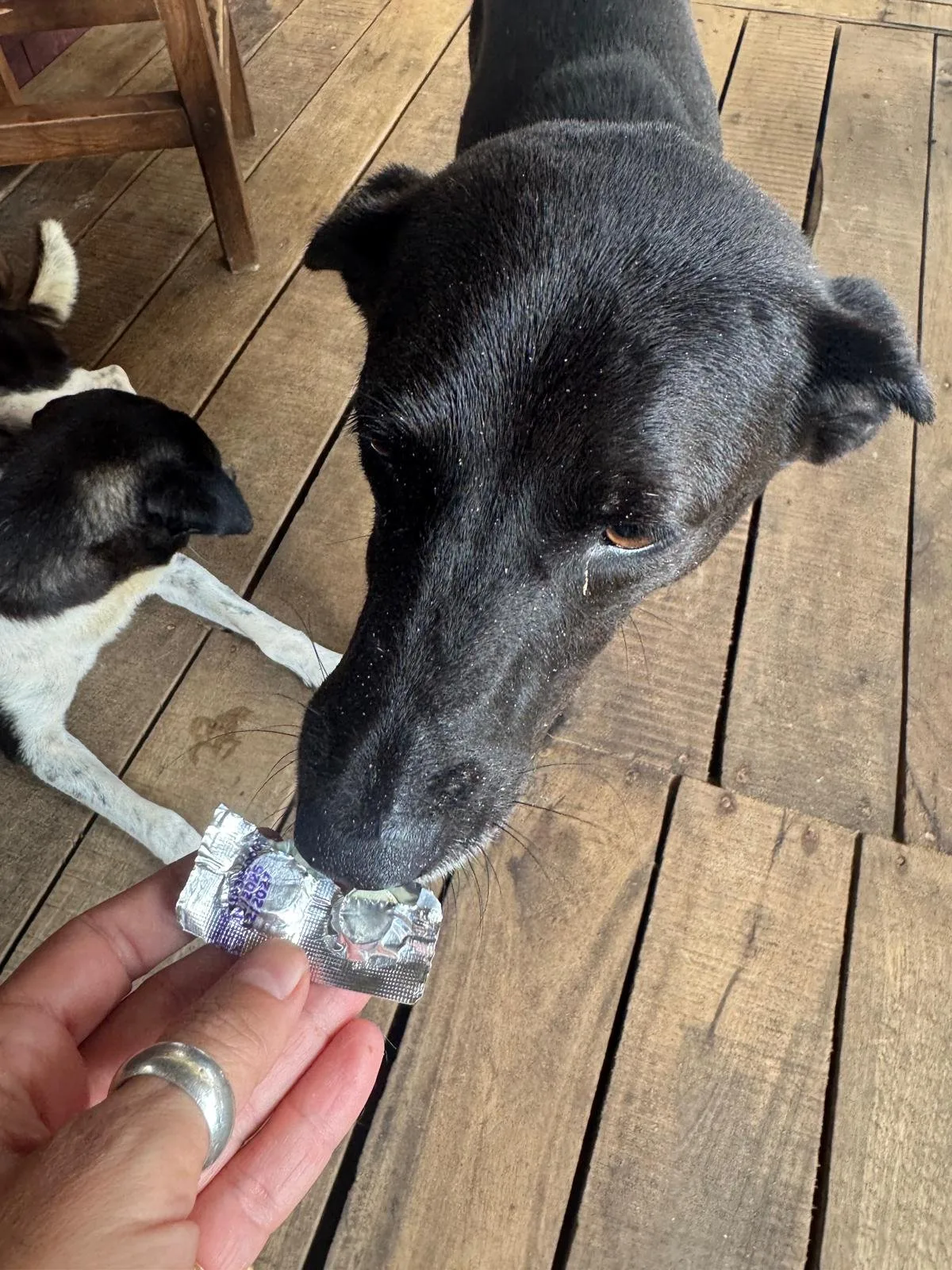
This visit, we brought food supplies specifically for the dogs and carried out their annual deworming treatment. This is something we do regularly to maintain their health, as parasitic infections are common in the area.

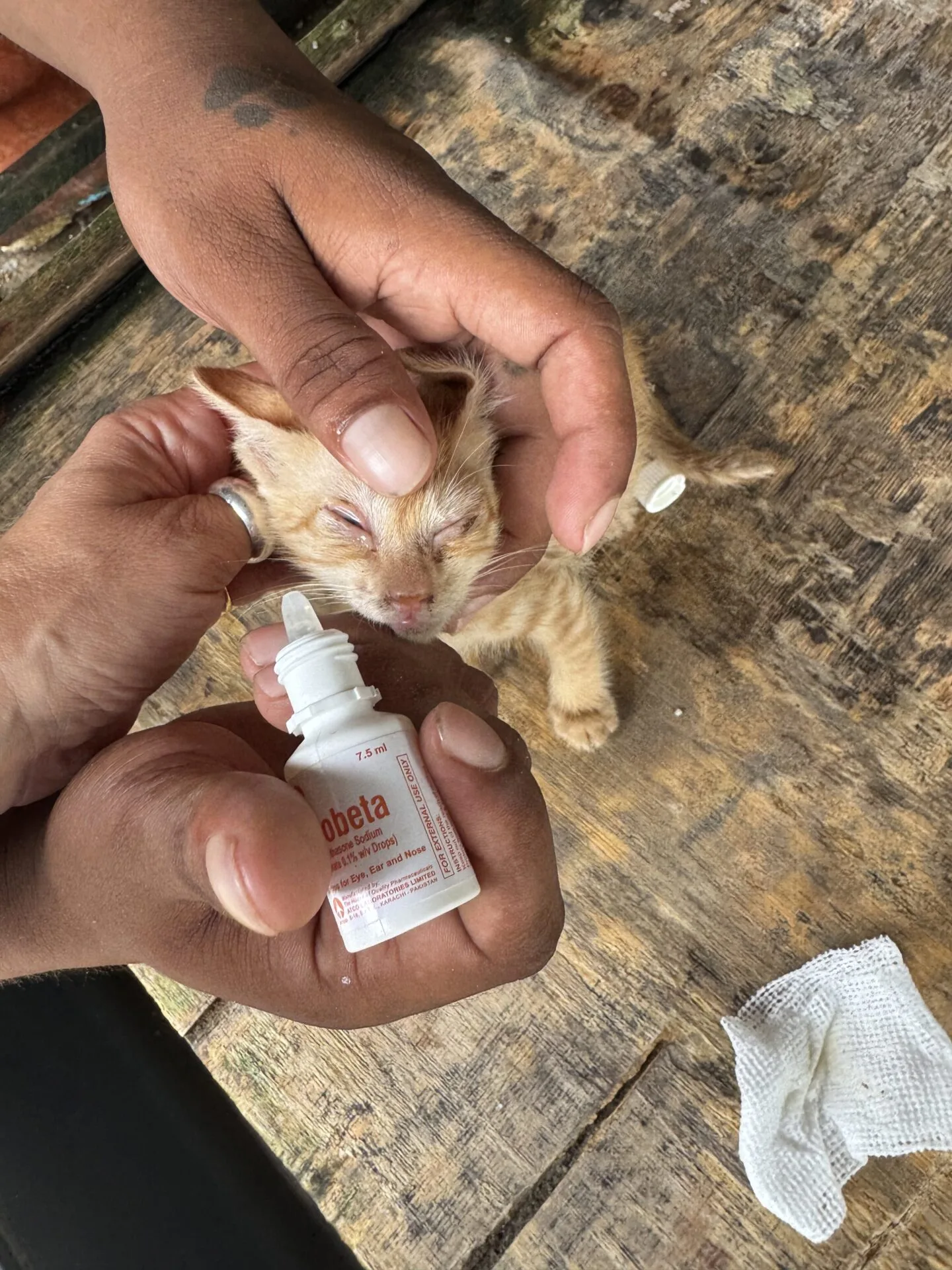
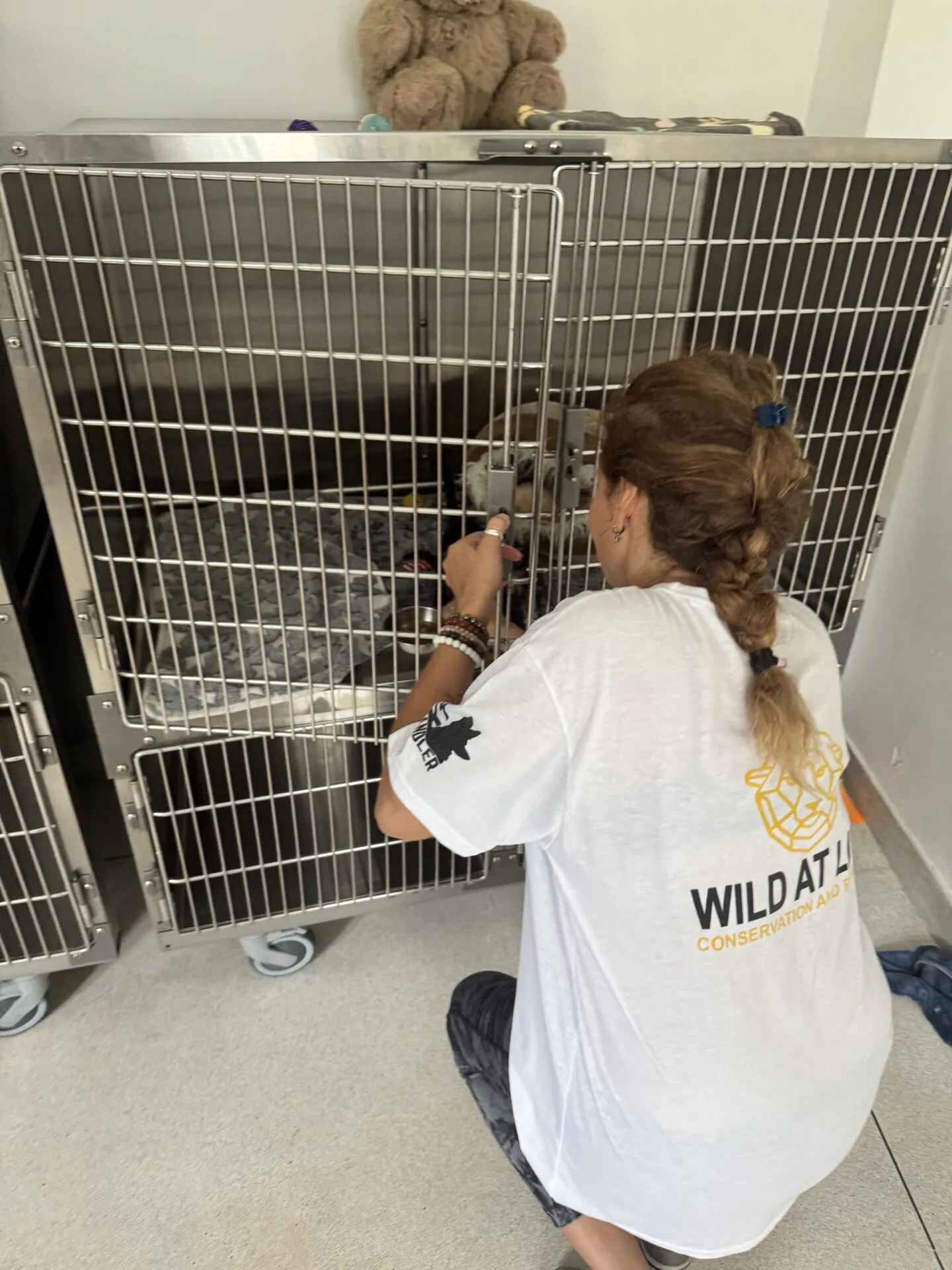
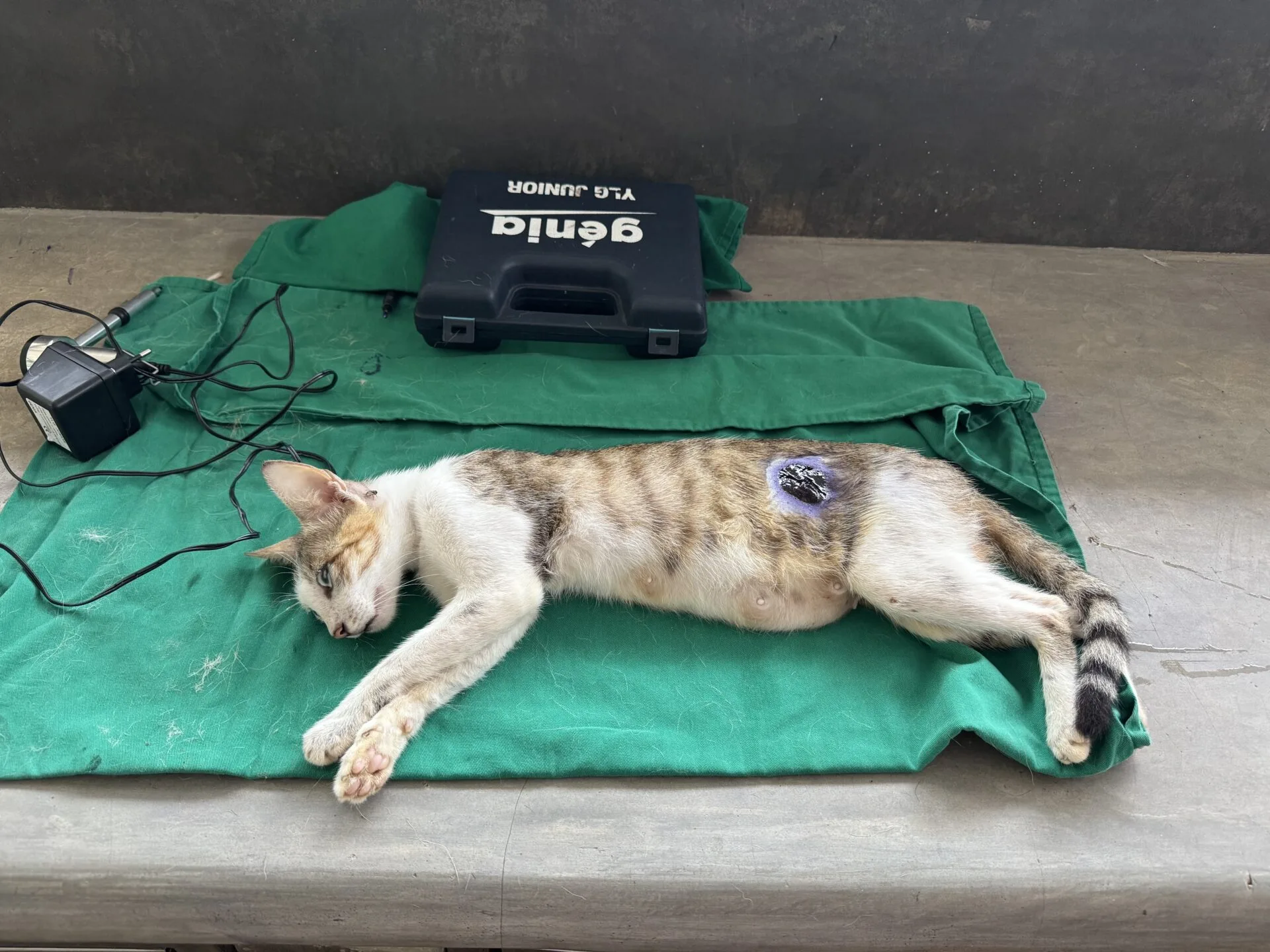
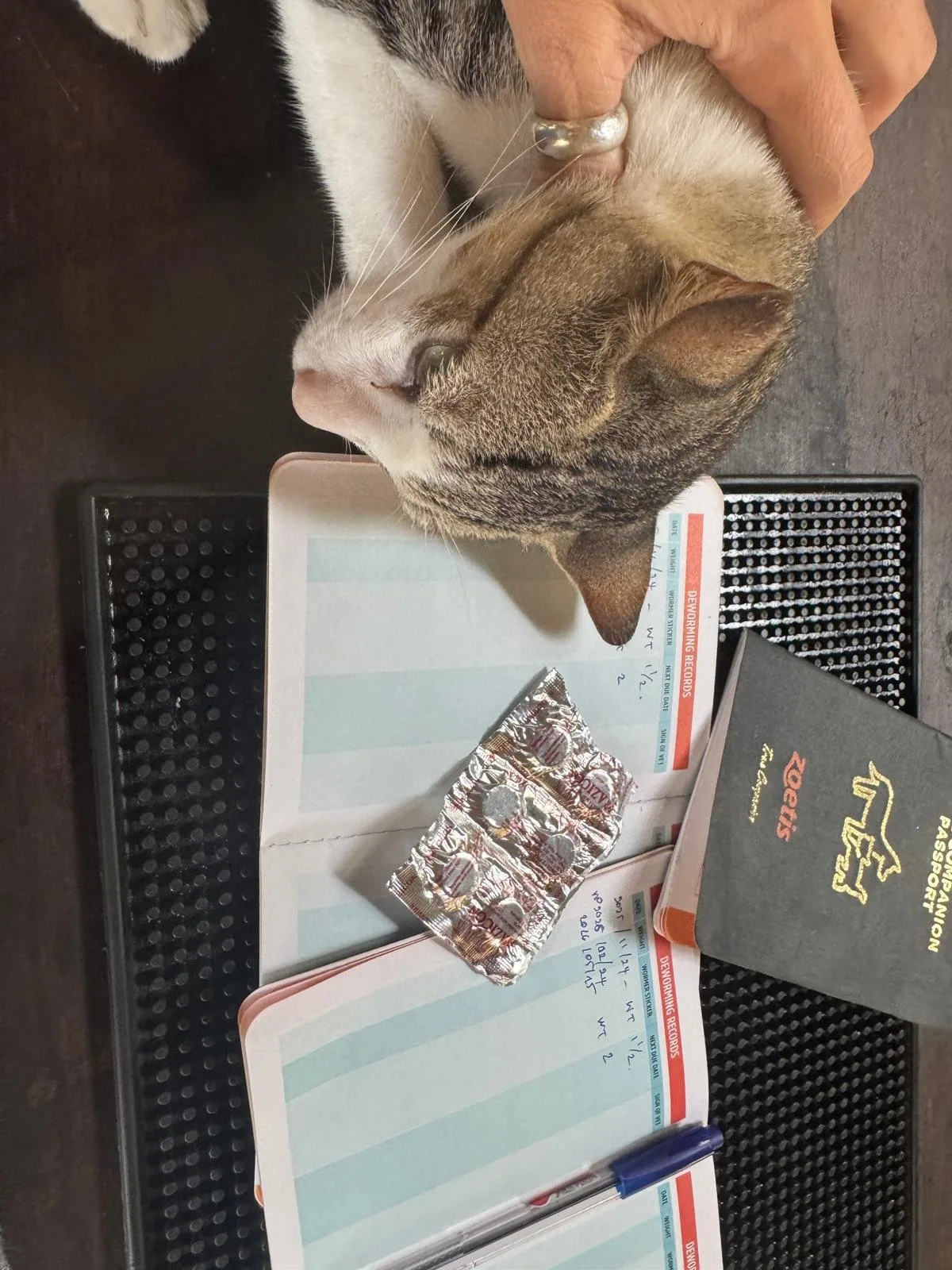
We also have a new cat in our care. At first, we assumed she was female and named her Samantha. After a closer check during routine care, it turned out that Samantha is actually male. He has now received deworming treatment and initial preventative care and is settling into the environment.

While these animals are no longer in immediate danger, they remain part of our ongoing responsibility and are cared for consistently during our time in Sri Lanka.

Work with DCC

A significant part of our work was carried out alongside our German partner organisation, DCC. Their team operates continuously in the region, and our visits support both their ongoing programmes and specific field days where additional capacity is needed.. We provided them with medicines and dog treats brought from Europe and worked directly with their team during daily field operations.

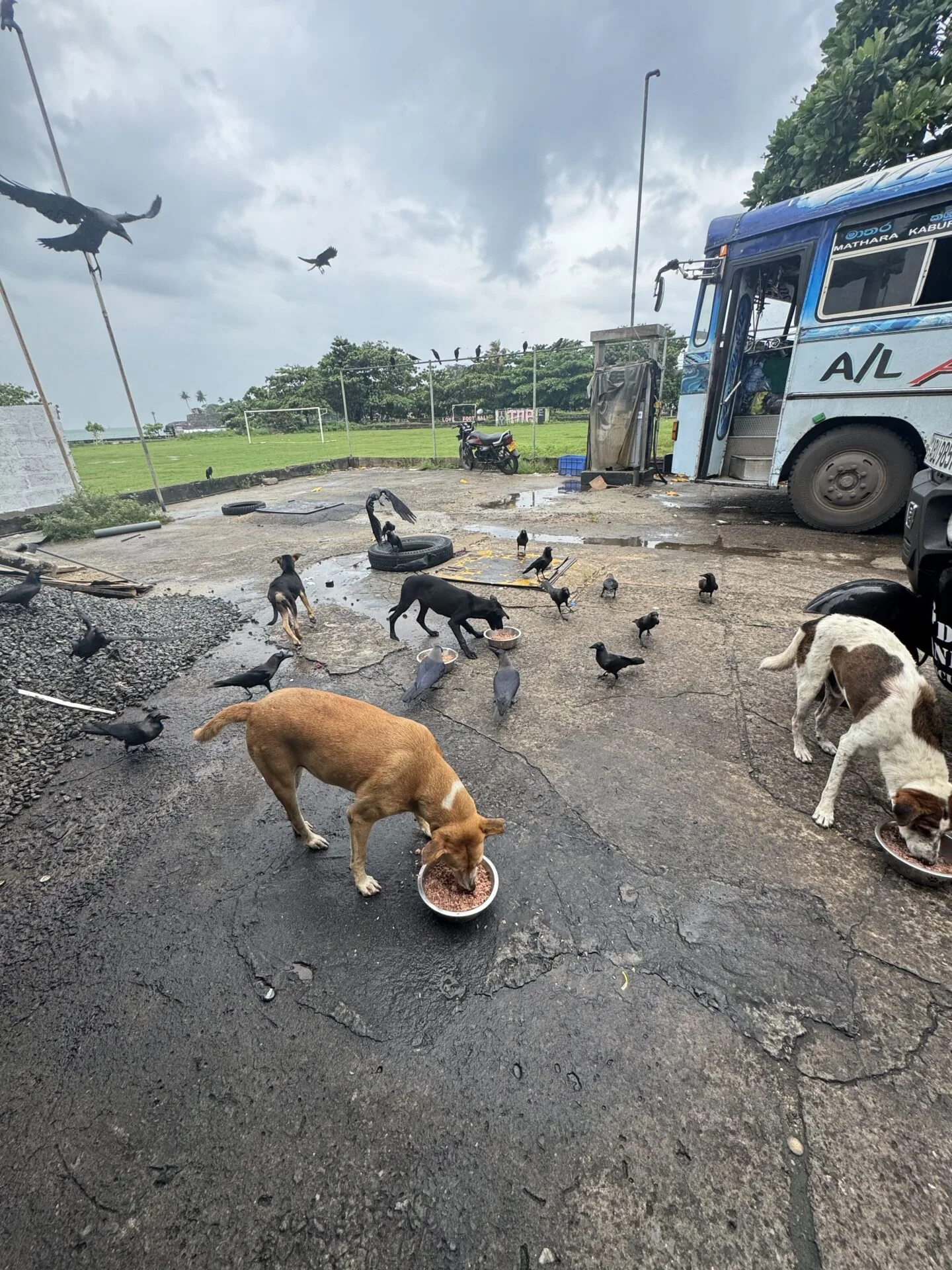
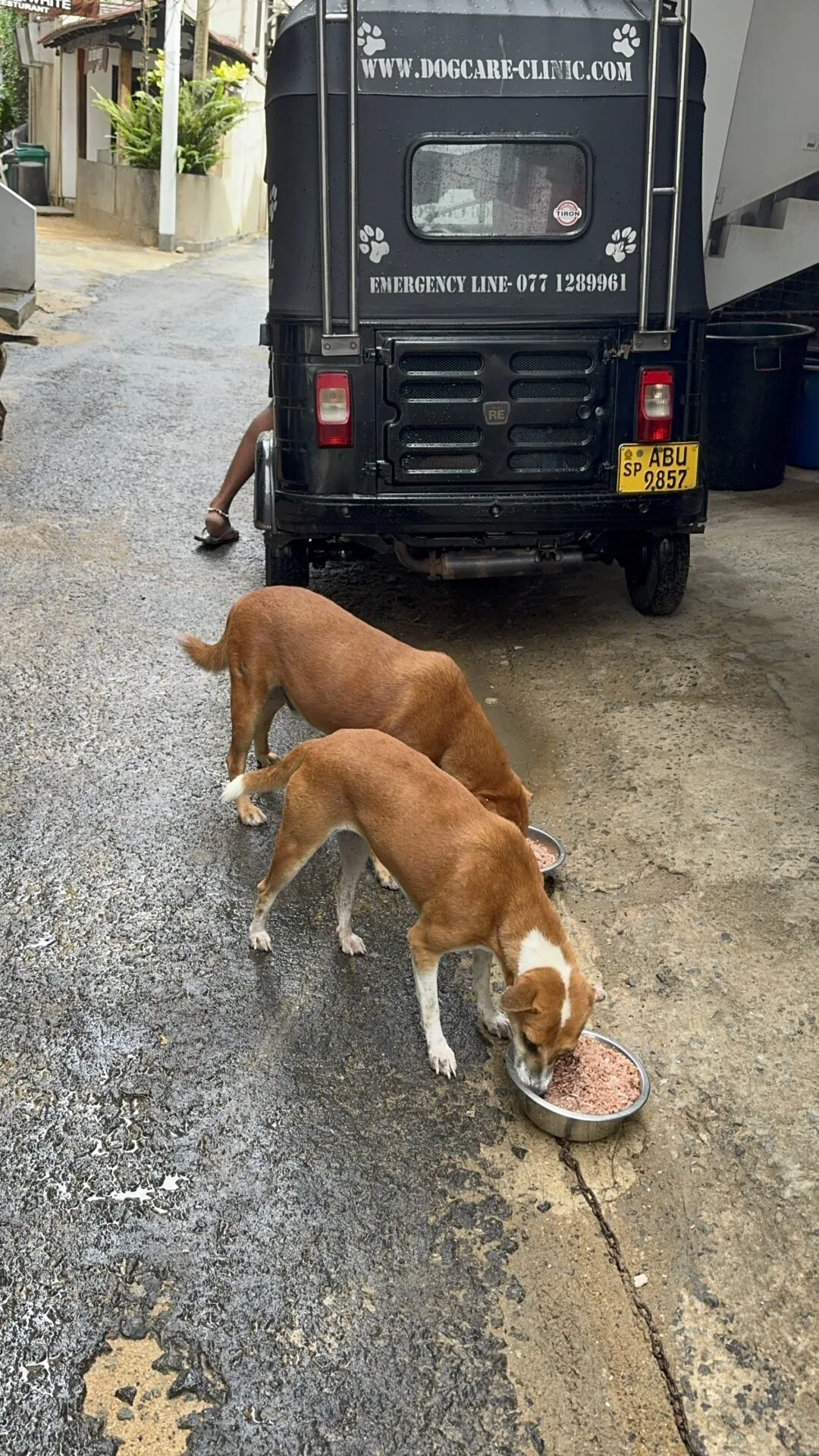
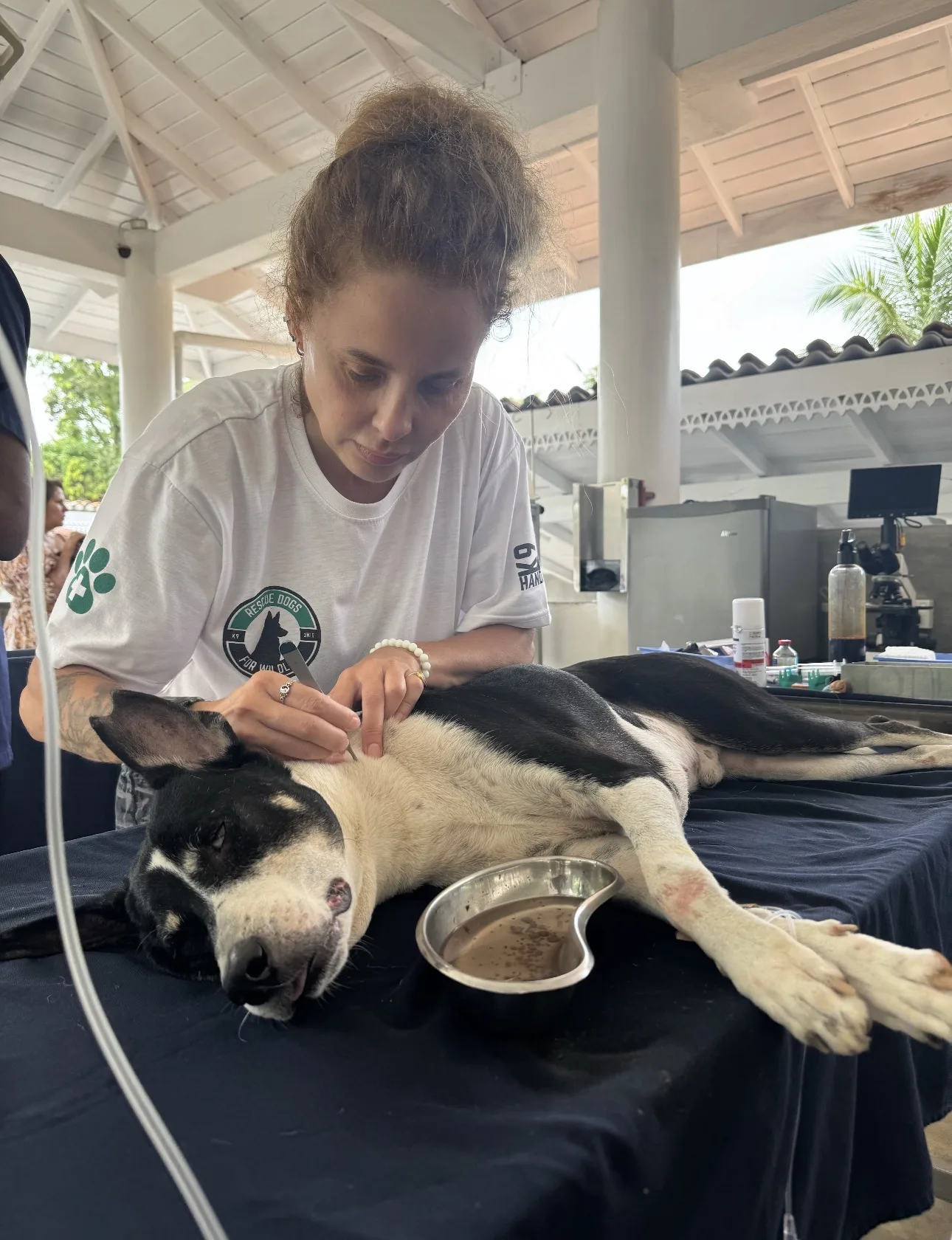
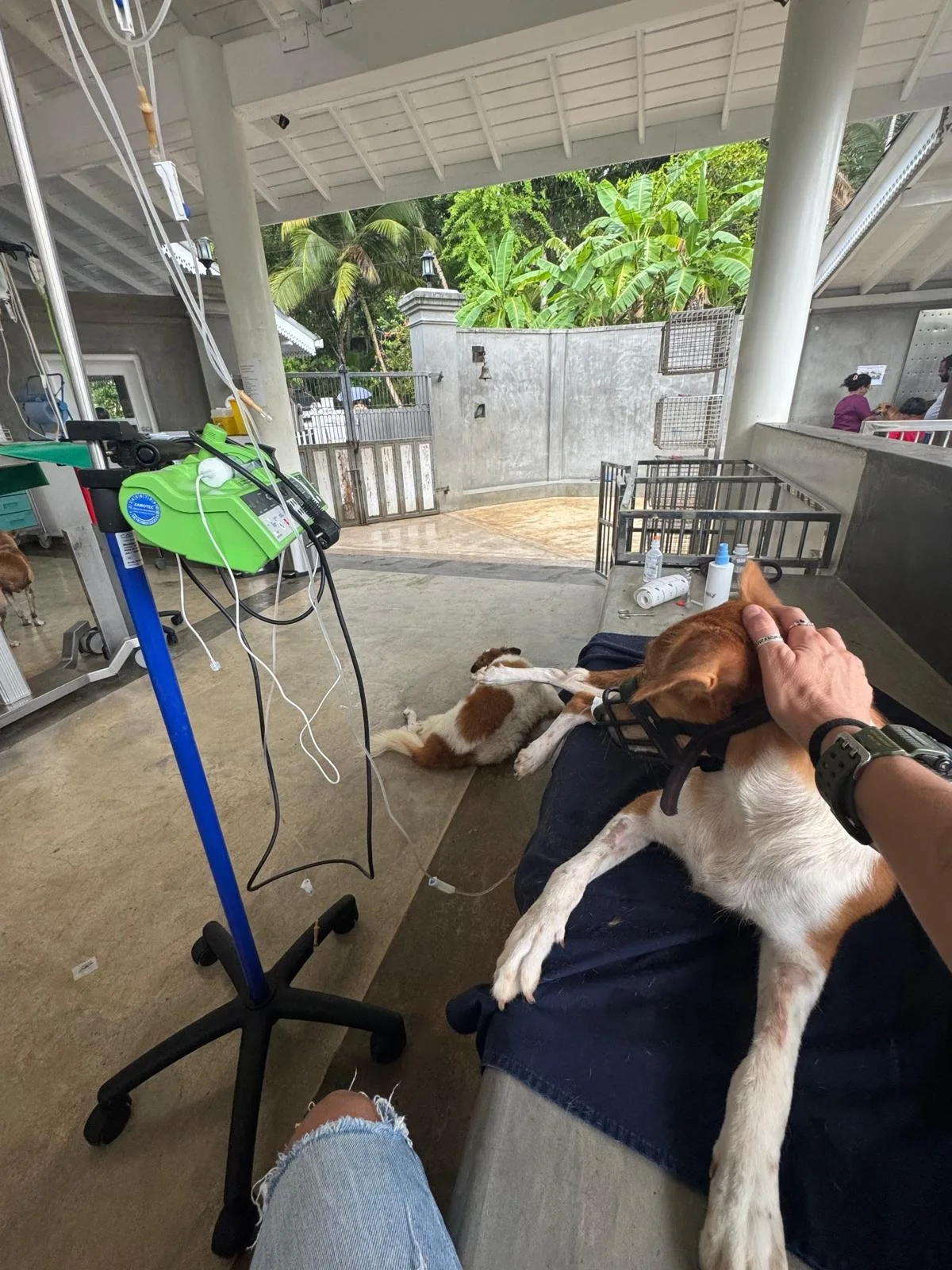
Our involvement included assisting with veterinary procedures, helping prepare and support sterilisation and vaccination campaigns, and joining their daily feeding rounds for stray dogs in surrounding areas.

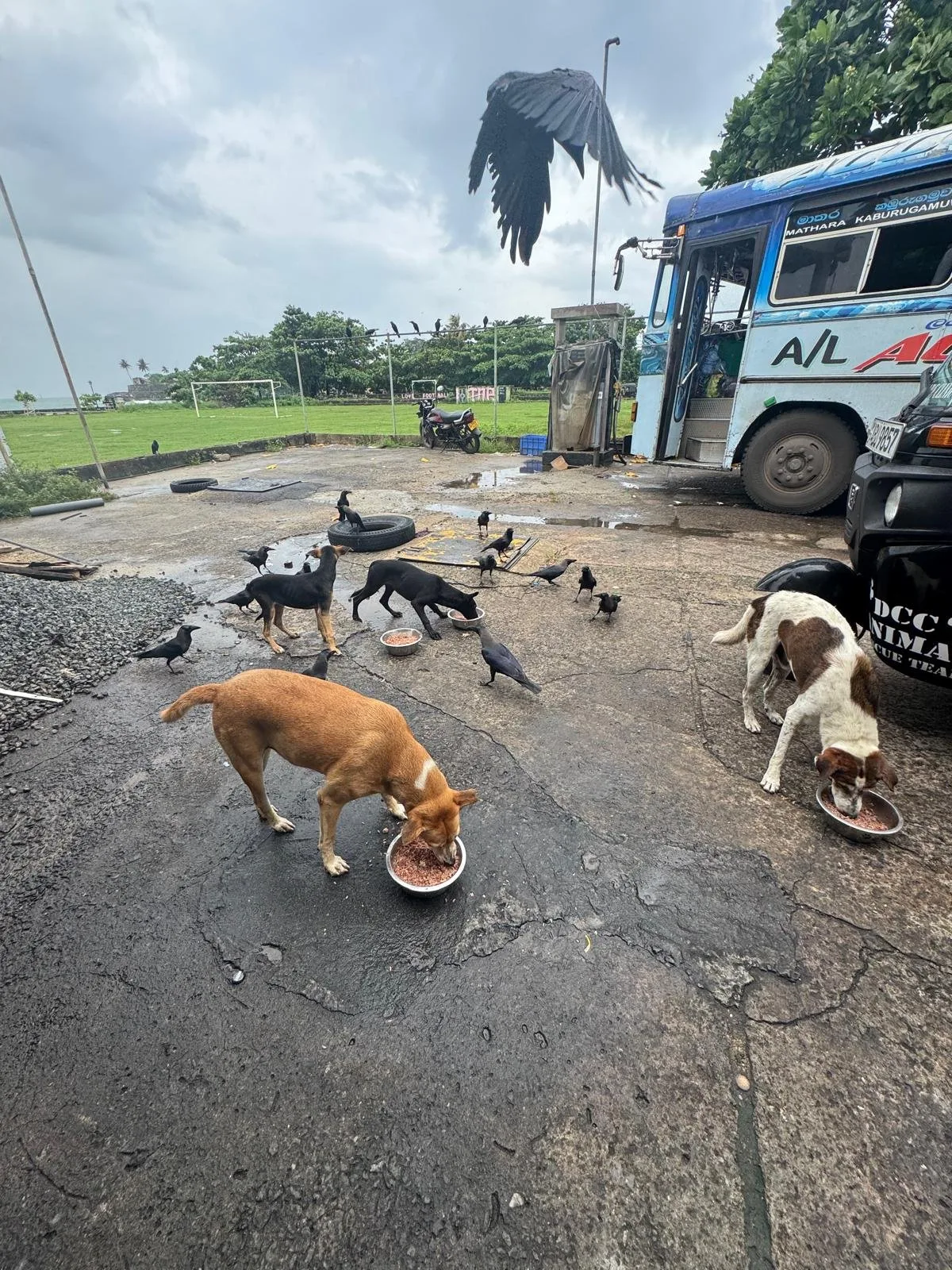
These feeding rounds are a key part of their work, reaching dogs in multiple locations who rely on regular food support. In parallel, veterinary teams carry out treatments and procedures in mobile or temporary setups.

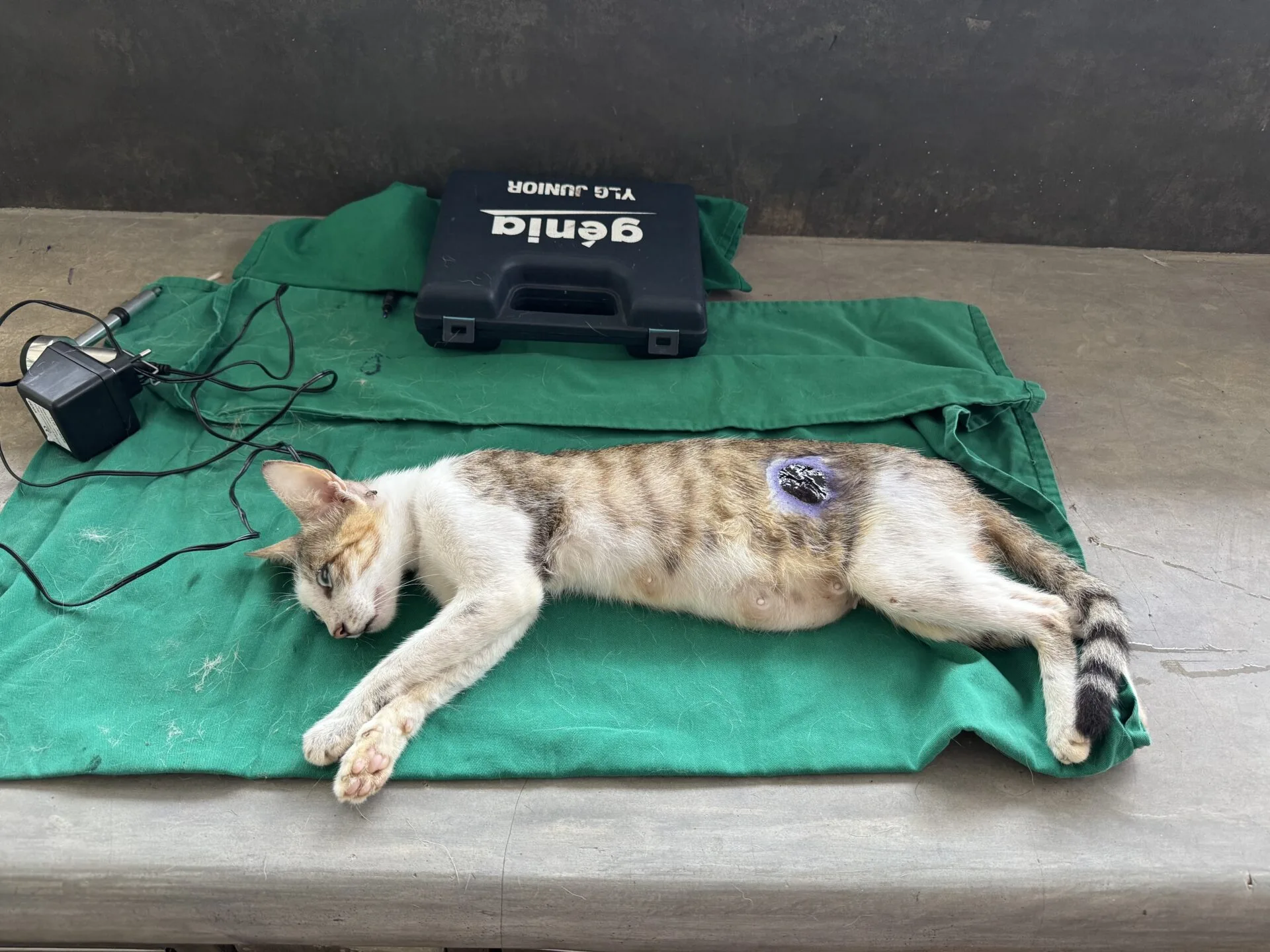
During the week we were on the ground, an average of around 30 dogs and cats per day were spayed, neutered, and vaccinated. In addition to sterilisation and vaccination, a range of other treatments and minor surgical procedures were carried out depending on the condition of the animals presented.

These operations are not one-off interventions. They form part of a continuous programme aimed at controlling population growth, reducing disease transmission, and improving the general condition of stray animal populations over time.

Sterilisation, vaccination, and prevention work

A large part of the work we are involved in is preventive rather than reactive.

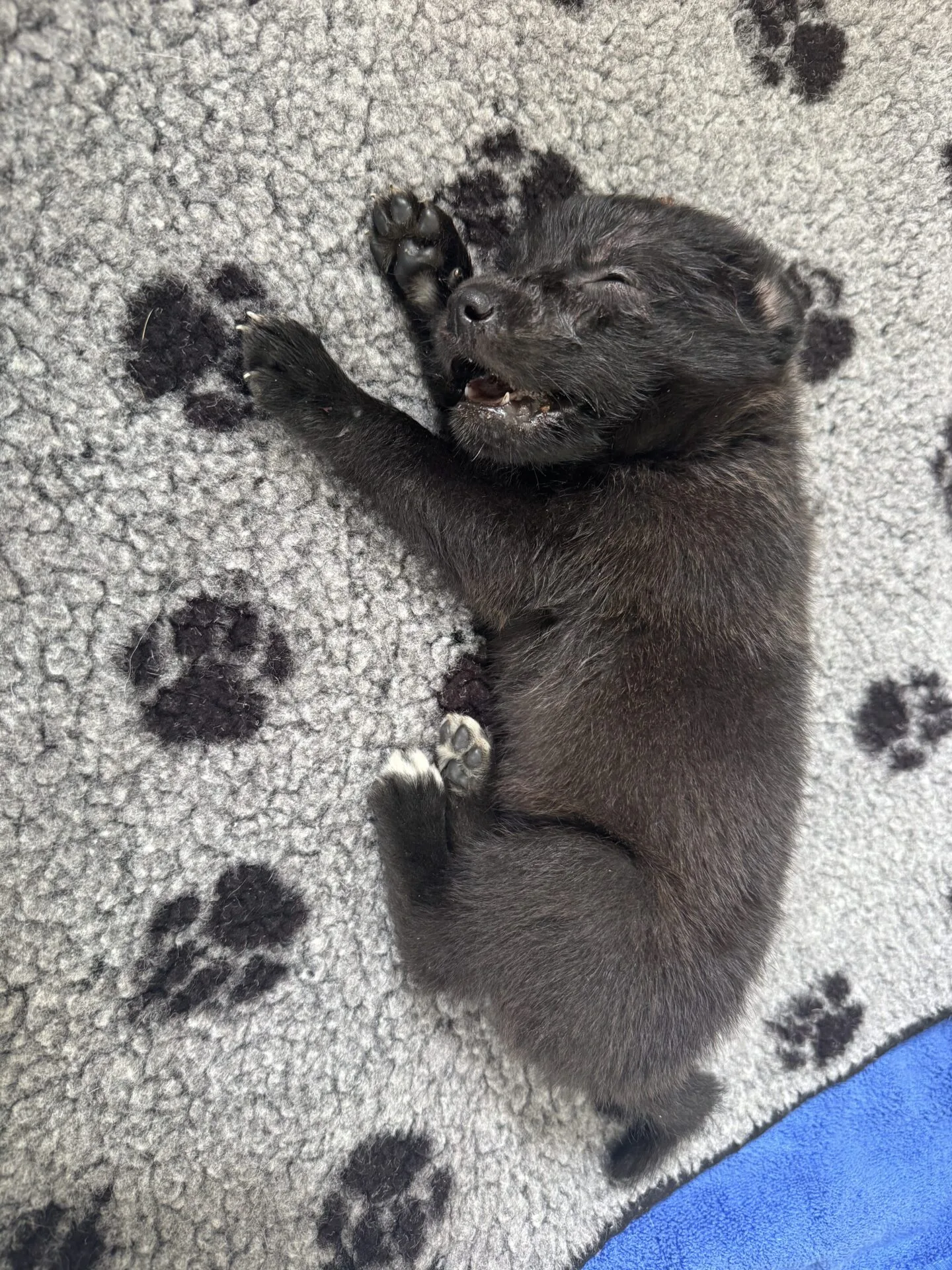
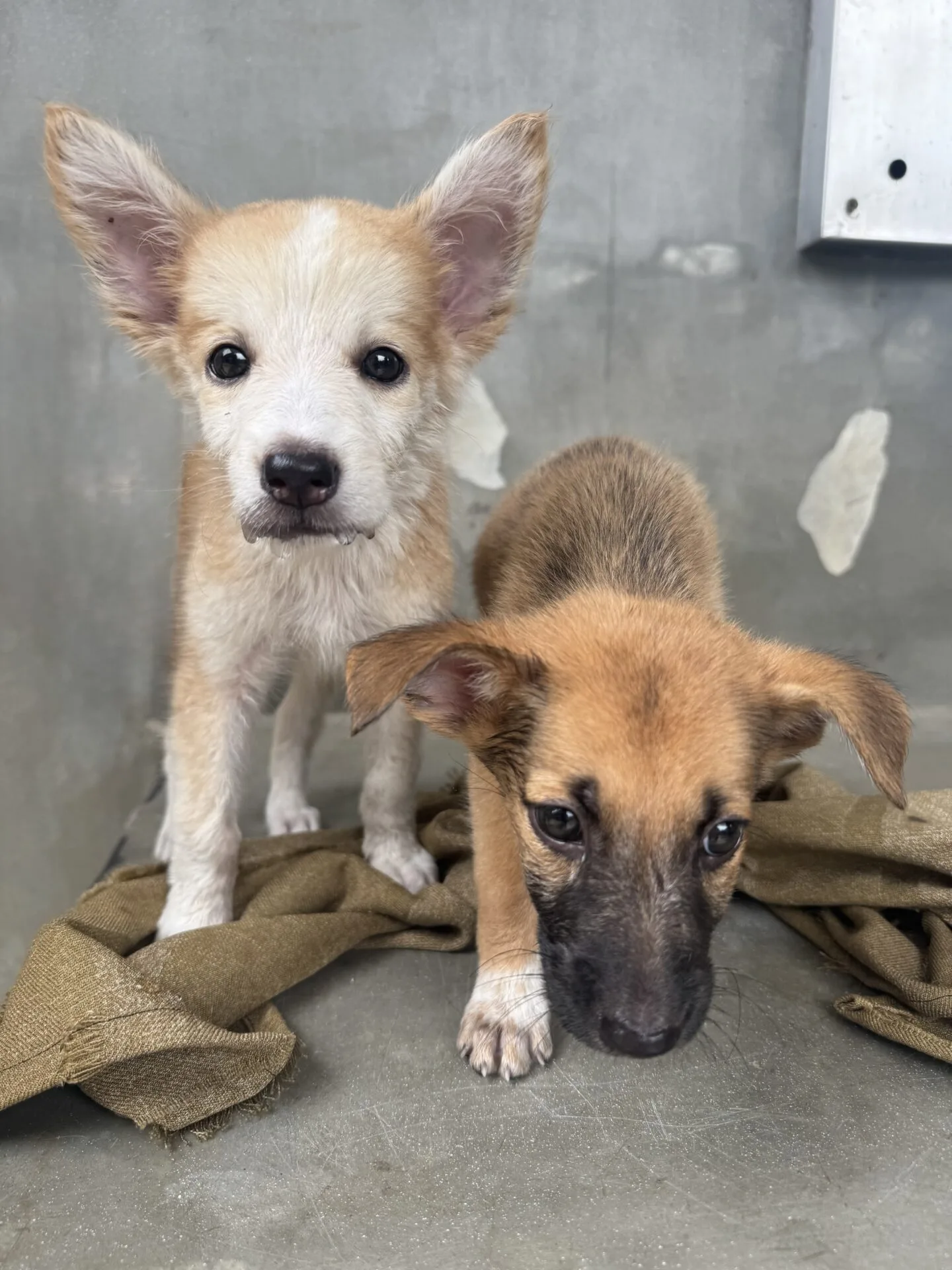
In areas with high stray populations, the cycle of uncontrolled breeding leads to ongoing suffering, with puppies and kittens often born into environments where food, shelter, and medical care are limited or absent.

Spay and neuter programmes are one of the most effective tools available to address this. Alongside vaccination—particularly against diseases such as rabies—these interventions reduce long-term suffering and also lower risks for local communities.

Our role in this work is practical: assisting veterinary teams, supporting logistics, helping with handling and preparation where needed, and contributing supplies and manpower during field days.

Work with local communities

In addition to working with stray populations, we also support animals belonging to families in poorer communities where access to veterinary care is limited or unaffordable.

In these cases, we help provide free sterilisation and vaccination services, prioritising dogs that would otherwise not receive any veterinary treatment.

The focus is not only on individual animals but also on reducing the number of unwanted litters and improving overall animal health in these communities over time.

Many of the dogs we encounter in these areas live semi-free roaming lives, often cared for but not formally owned in a veterinary sense. This makes accessible, free-of-charge veterinary support particularly important.

The area where we work has a high density of stray animals, particularly dogs, and limited access to consistent veterinary infrastructure.

Animals are commonly found around villages, roadside areas, markets, and food sources, often relying on informal feeding from residents or visiting organisations. While some animals are in reasonable condition, many present with untreated medical issues, parasites, or injuries.

The work in this environment is ongoing and repetitive in nature: feeding, treating, sterilising, vaccinating, and monitoring wherever possible. Progress is gradual and depends heavily on sustained presence and cooperation with local partners.

Our approach is based on consistency rather than short-term intervention.
Future plans: local clinic

At our base location—where we also care for our rescue animals and operate our sea turtle sanctuary—we have been offered a building by local partners.

The intention is to gradually develop this into a free veterinary clinic for dogs and cats in the surrounding area.

The region has a significant stray population and limited access to affordable veterinary services, particularly for sterilisation, vaccination, and basic treatment.

At this stage, the building is available, but further work is required to make it operational. This includes equipping the space, securing supplies, and organising a sustainable structure for ongoing veterinary work.

For now, it remains a developing project alongside the field work already being carried out.

Support Our Work

This work in Sri Lanka is only possible with ongoing support.

If you would like to help, donations go directly towards:

food for stray and rescue animals
medicines and veterinary supplies
sterilisation and vaccination programmes
field work with our local partner DCC
development of a future free clinic

Every contribution, small or large, is used directly on the ground.


Spread the news!

Help us increasing social commitment in saving endangered wild species. Express your support by sharing this article in your favorite social media channel.

Facebook
Twitter
LinkedIn
Pinterest
WhatsApp
Email

You may also like...

Share this story!

A Safe Future for Rescued Sea Turtles

May 26, 2026

Every year, countless baby sea turtles face overwhelming odds from the moment they are laid, with nests threatened by predators, flooding, pollution, poaching, and human disturbance along vulnerable coastlines. Wild at Life works tirelessly to protect these fragile beginnings by

Share this story!

Mission Caita – still on the ground

May 2, 2026

Chimpanzees are incredibly close to us.They live in complex social groups, form lifelong bonds, and experience emotions in ways that are deeply familiar — trust, fear, grief, connection. This is exactly what makes wildlife trafficking so devastating. What we see

Share this story!

One Voice Against Wildlife Crime

May 1, 2026

We are proud to share our latest contribution to advancing international efforts to combat wildlife crime and broader environmental offences. As a member of the Global Initiative to End Wildlife Crime (EWC), we have joined 103 organizations in calling on

Share this story!

Unregulated Squid Fishing in the Northwest Indian Ocean

April 5, 2026

Unregulated industrial squid fishing in the northwest Indian Ocean has grown into a serious ecological and socio-economic crisis—and it is one we at Wild at Life e.V. have been documenting for years.

Share this story!

Rhino Monitoring Update

March 14, 2026

Protecting rhinos requires constant monitoring, strong partnerships, and long-term commitment. Through our Rhinoceros Conservation and Rescue Project, Wild at Life e.V. works together with dedicated conservation partners on the ground in South Africa to protect endangered white rhinoceroses and their

Share this story!

Let Them Feel Safe Again

February 15, 2026

In Turkey, stray animals face unimaginable hardships every day—from scavenging for food to suffering from illness and injury. Many are victims of abuse, neglect, and cruel practices such as poisoning and mutilation. Recent government legislation allowing mass euthanasia of stray

Search for more