On a peaceful Sunday in Victoria Falls, our rangers are out patrolling the bush, mitigating the ever present poaching threat.
It’s been a pretty quiet period for our Unit over the last few weeks. But today reminded us that we can never let our guard down, and our animals will always be at risk. On a routine patrol yesterday, Rangers discovered a freshly set snare line.
However, these were no ordinary traps!
These “mini” snares set to catch small game such as rabbits and guinea fowl are incredibly hard to detect given their size.
Fortunately, the well trained eyes of the Rangers found these deadly traps set up, ready to inflict untold pain and suffering on its innocent victims.
Our ambush began with the team taking up concealed positions, laying in wait to apprehend those that look to harm our animals.
Their patience paid off, and a successful arrest was made with the recovery of 14 active snares.
Whilst the target animals are generally small, these thin wire snares have the potential of causing terrible damage to larger animals. Ensnaring a victim around a hoof could cause eventual amputation due to loss of blood flow. A slow and excruciating process.
A great win for the team, and yet another reminder to would be poachers that should they choose to harm our animals, we will catch you.
A massive thanks to the Zimbabwe Republic Police Minerals Flora and Fauna Unit as well as the National Parks Investigations Team for always being so willing to react.
Every snare destroyed, every poacher apprehended, and every life saved is only possible thanks to the support You. Our rangers risk their livesdaily to keep animals safe. Will you stand with them?
Help us increasing social commitment in saving endangered wild species. Express your support by sharing this article in your favorite social media channel.
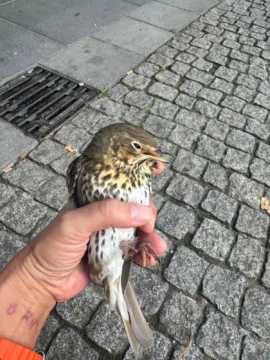
Pumpkin, a beautiful Song Thrush, struck a skyscraper in Frankfurt and lay helpless while the city carried on around him—people passing, looking away, unaware that a life was quietly slipping away.
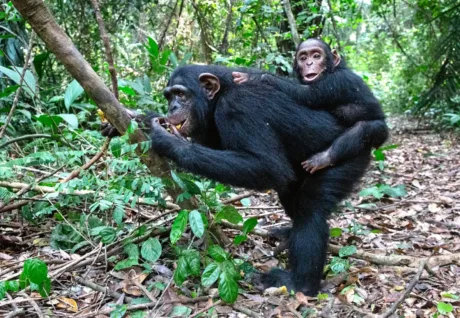
We are delighted to share some wonderful news from our Mission Caita sanctuary in Angola: our rescued chimpanzees are thriving, and each of them is receiving the love, protection, and individual care they deserve! For many of these incredible animals,
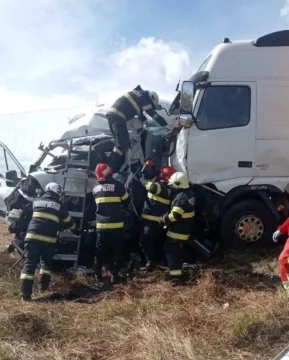
We are mourning the loss of precious lives. On 24th September at 11 am, a devastating accident took the lives of two beautiful, dedicated women from the UK and almost all the dogs they were transporting from Türkiye to France,
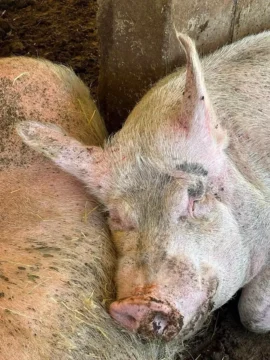
Some of you may remember the nine pigs we rescued from terrible conditions. They arrived needing safety, care, and time to heal. We are so grateful that they now have the chance to live the lives they deserve.
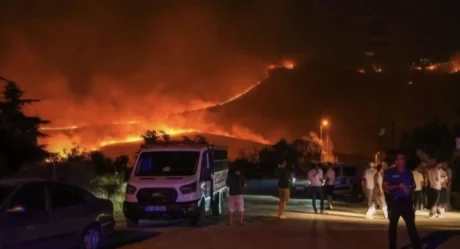
A Devastating Loss: Our Shelter and Everything We Built What happened to us in Ankara is something we are still struggling to put into words. A huge area of green land in Ankara was deliberately set on fire. We saw
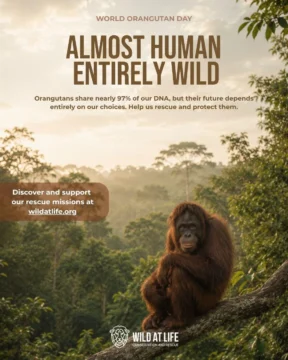
This World Orangutan Day, we stand with one of our closest and most vulnerable relatives. Orangutans are losing their forest homes to deforestation, habitat destruction, and the illegal wildlife trade, pushing these remarkable great apes closer to the brink. Wild