Wild At Life Project

Saving the Gentle Giants: A Journey of Elephant Conservation

In partnership with Wildlife Action Group

Activity status: Accomplished
Area of Activity: Thuma Forest Reserve, Malawi
Tagged: # #

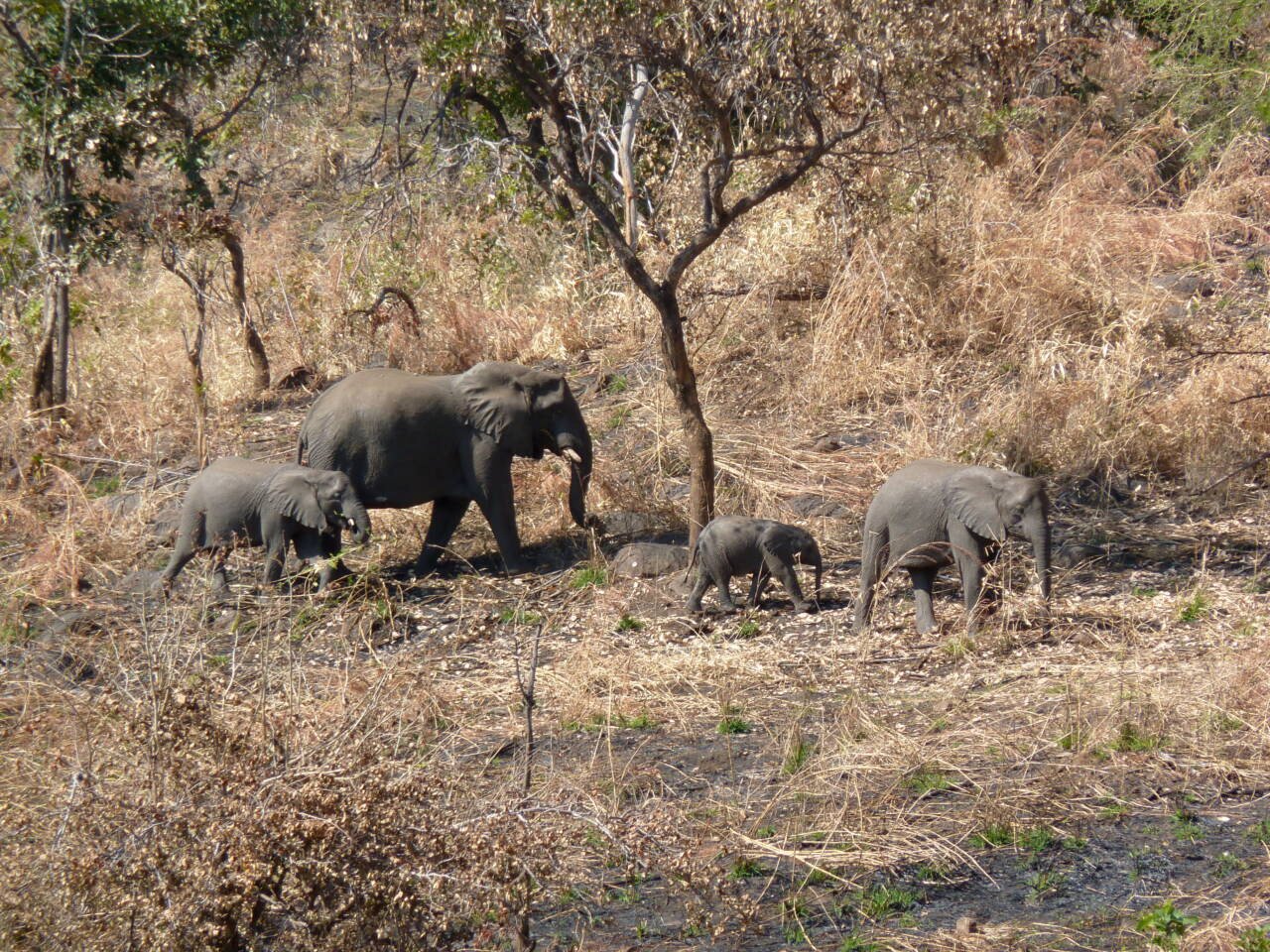
Elephants are one of the largest land animals and are known for their intelligence, social behavior, and long lifespans. However, they face significant threats from poaching for their ivory tusks, habitat loss, and human-elephant conflict.

Poaching is one of the biggest problems faced by elephant populations today, with thousands of elephants killed each year for their tusks. Efforts to combat poaching include increased law enforcement, education and awareness programs, and partnerships with local communities to reduce the demand for ivory and provide alternative livelihoods. We work to protect elephant habitats and promote coexistence between elephants and humans to reduce human-elephant conflict. Elephants are a keystone species, meaning they play a critical role in their ecosystem, and their survival is essential for maintaining healthy ecosystems. By protecting elephants, we can help preserve the biodiversity and balance of our planet’s ecosystems.

In 2009, Wild at Life e.V. partnered with Wildlife Action Group Malawi with an aim to keep the wild elephant population of Thuma Forest Reserve, Malawi, safe.
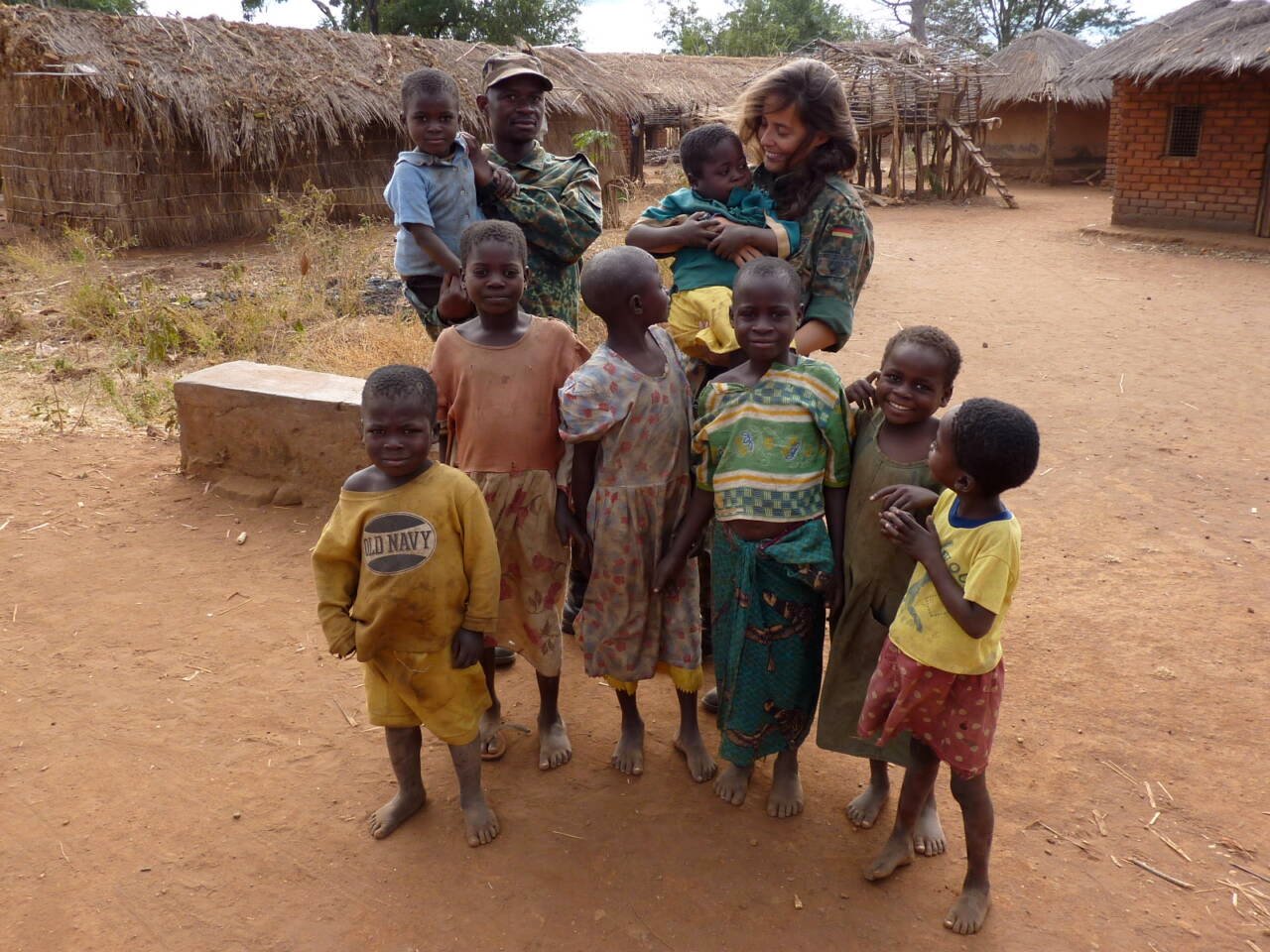
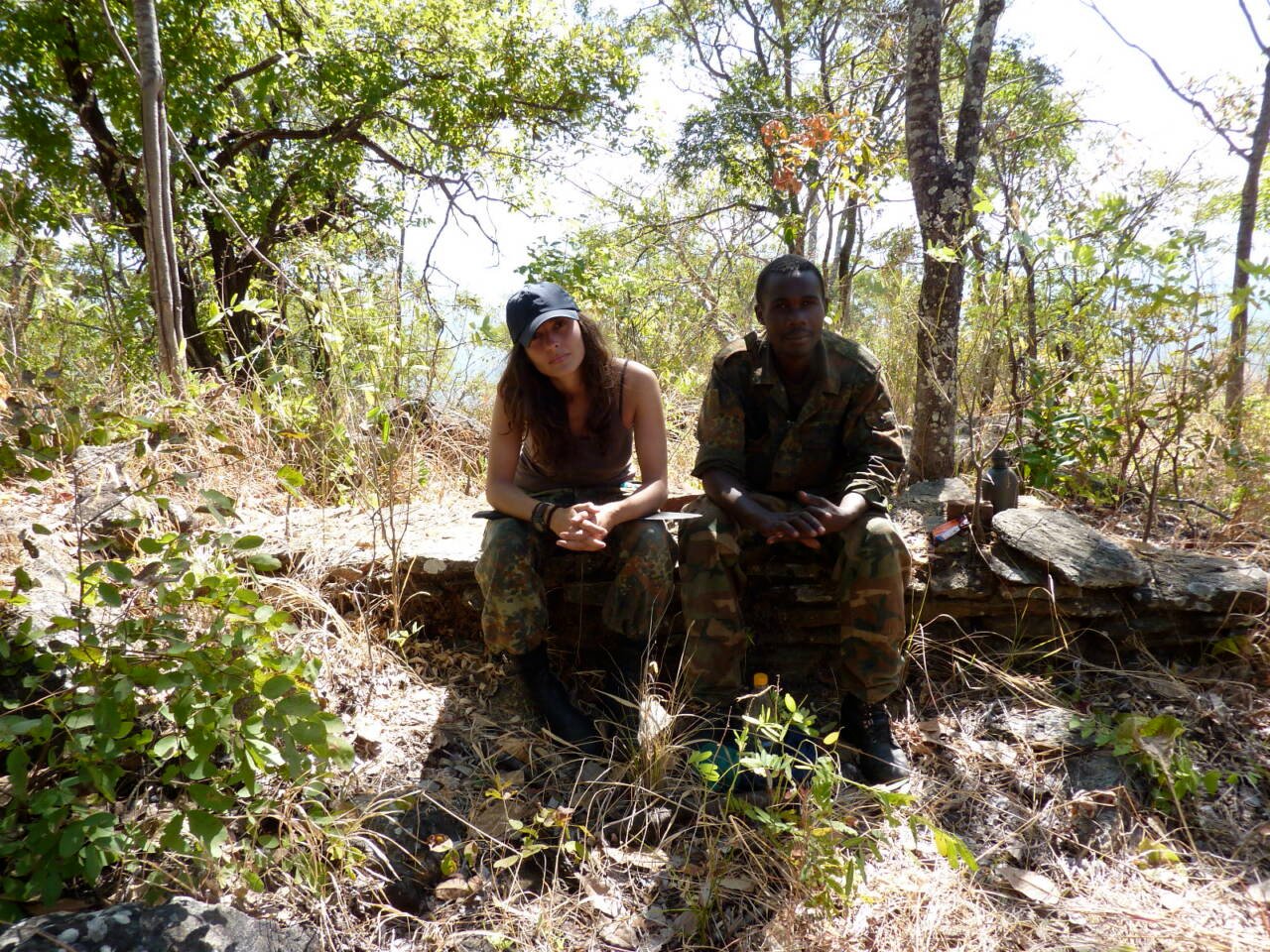
Being an area where intense poaching takes place, our scouts and ranger team are on the ground daily to track the animals, remove traps set by poachers, confiscate weapons from poachers, and rescue animals in need. We are also working closely with the villagers to mitigate human-elephant conflict. Elephants are wandering into villages to eat their crops, and sometimes in the midst of the conflict, elephants or villagers end up getting killed. We are working to end these conflicts and have already built a 2km electrical fence around the three villages, as well as distributing flares, to be used to create loud noises to scare the elephants away.

No results found.

This project is carried out in the following activity areas
Endangered species rescue, conservation & anti-poaching

Spread the news!

Help us increasing social commitment in saving endangered wild species. Express your support by sharing this article in your favorite social media channel.

Facebook
Twitter
LinkedIn
Pinterest
WhatsApp
Email

Most recent news

Share this story!

World Orangutan Day: Their Forest Is Their Future

August 19, 2026

This World Orangutan Day, we stand with one of our closest and most vulnerable relatives. Orangutans are losing their forest homes to deforestation, habitat destruction, and the illegal wildlife trade, pushing these remarkable great apes closer to the brink. Wild

Share this story!

Celebrating World Elephant Day

August 12, 2026

On World Elephant Day, we celebrate these magnificent and intelligent giants while shining a light on the urgent threats they face. Wild at Life is on the front lines, conducting vital elephant rescue missions and providing a safe haven through

Share this story!

World Lion Day

August 10, 2026

On World Lion Day, we celebrate the strength, beauty and spirit of one of the world’s most iconic animals. For more than a decade, Wild at Life has stood beside lions in some of the world’s most difficult places, working

Share this story!

Overlooked: A Silent Extinction

August 9, 2026

Overlooked: A Silent Extinction is a short wildlife conservation film that gives a voice to one of Africa’s most iconic yet increasingly overlooked animals: the giraffe.

Share this story!

The story behind Wild at Life

July 17, 2026

Wild at Life founder Aslihan Gedik spoke with H24 / Hinterlegungsstelle about our work protecting wildlife and biodiversity. In its June 2026 newsletter, H24 published an interview with Aslihan Gedik, founder of Wild at Life. The conversation introduces our mission

Share this story!

World Chimpanzee Day: Protecting Their Future

July 14, 2026

Every chimpanzee taken from the wild leaves behind a family torn apart. Many young chimpanzees become victims of the illegal wildlife trade after their mothers are killed to capture them. Others lose their homes as forests disappear, forcing them into

Search for more