News from the wild

Zeus’ Story: A Tragic Reminder of the Captive Lion Trade

Published on: October 19, 2025
Categories:

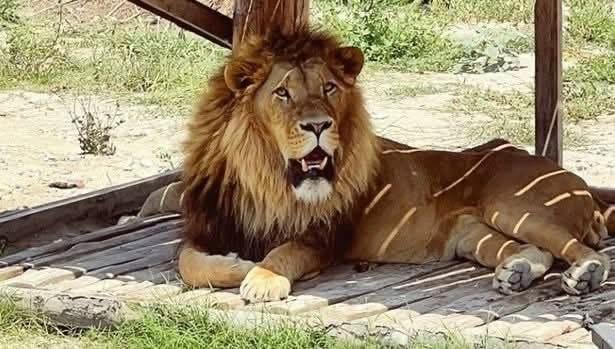
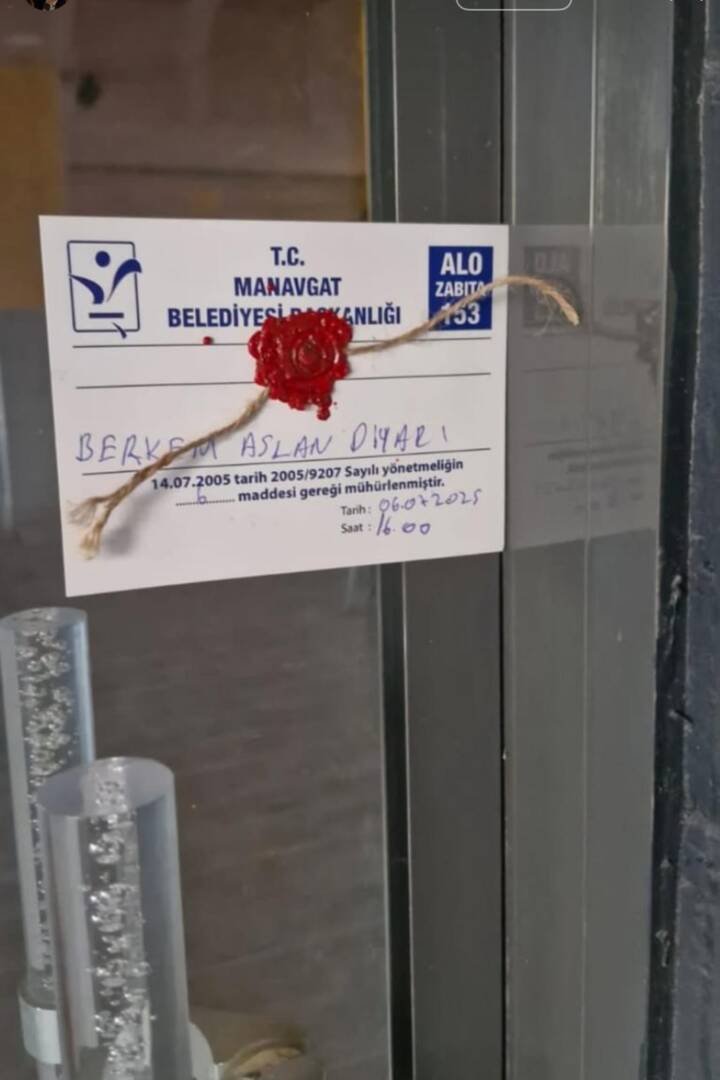
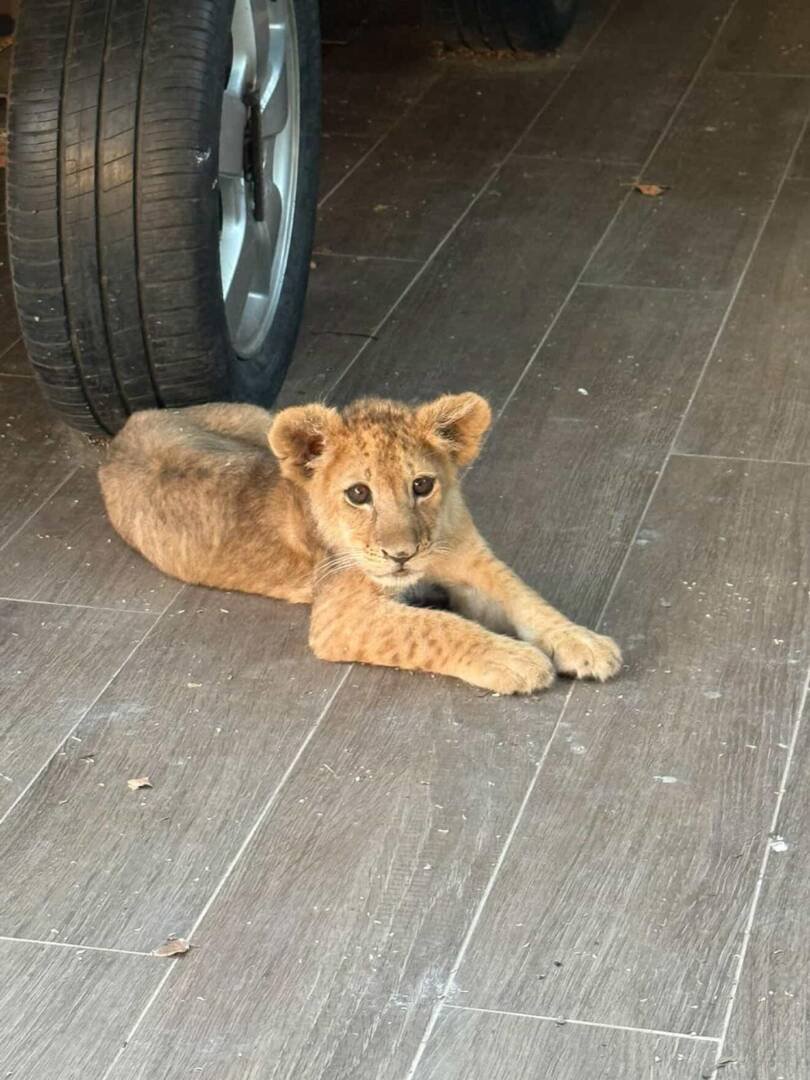
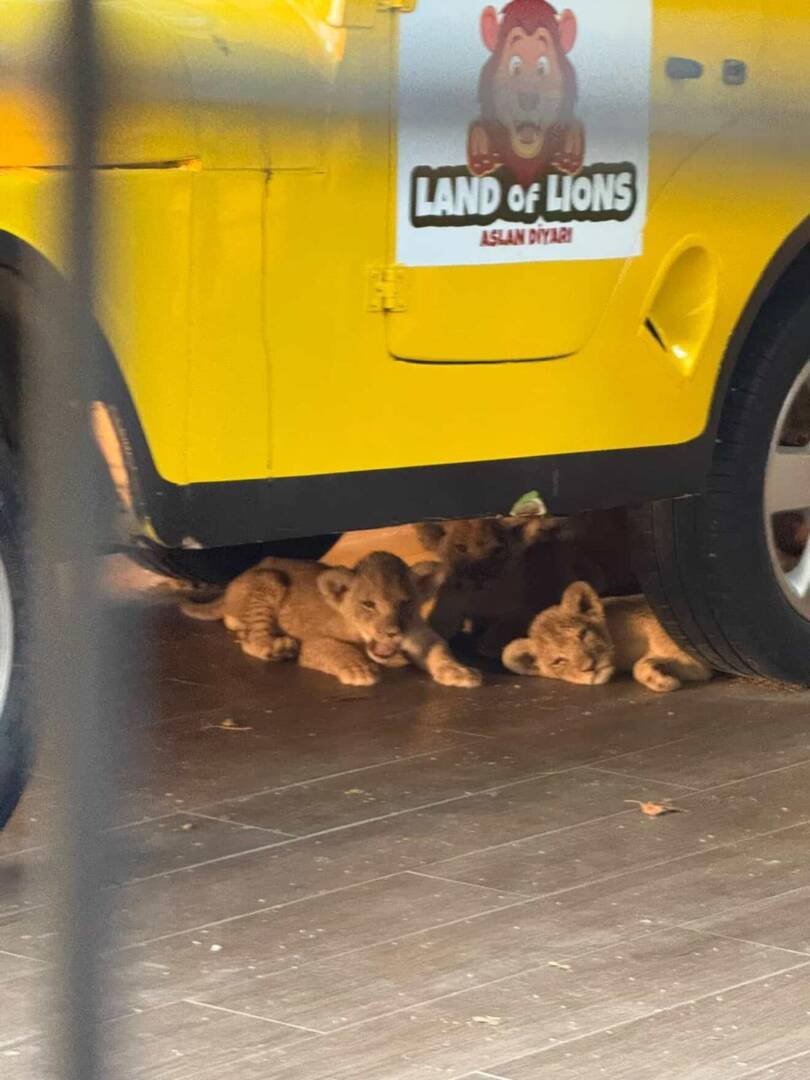
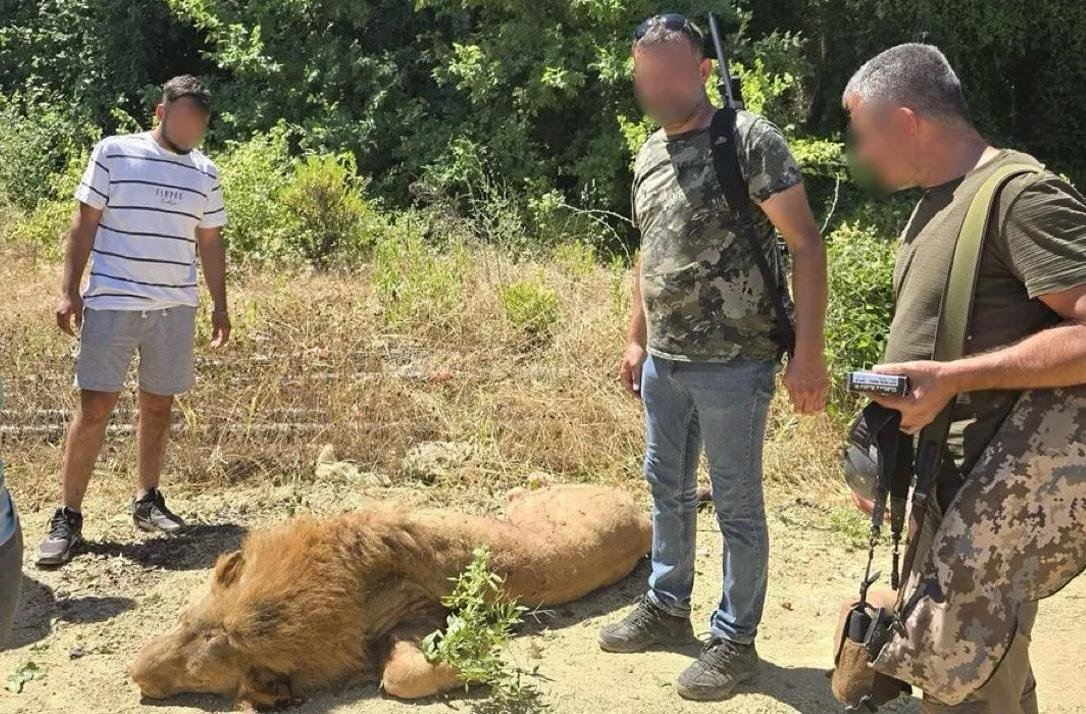
A male lion named Zeus escaped from the underground animal park Aslan Diyarı in Antalya’s Manavgat district, attacking and injuring a local farmer, Süleyman Kır, before being captured and killed.

Zeus had broken free from his cage at a private facility located near the D-400 highway in the Ilıca neighborhood early in the morning. Gendarmerie and police quickly secured the area, closing all access points. The lion was later found in a nearby forest and shot dead. The injured farmer was taken to hospital, where he remains under treatment.

This devastating incident highlights the darker side of the captive lion industry, where profit is placed above animal welfare. Across the world, lions are bred, exploited, and sold under the guise of entertainment.

  • Captive Lion Population Growth: In Thailand, the number of captive lions has risen by 239% between 2018 and 2024, reaching 848 individuals and 32 hybrids.

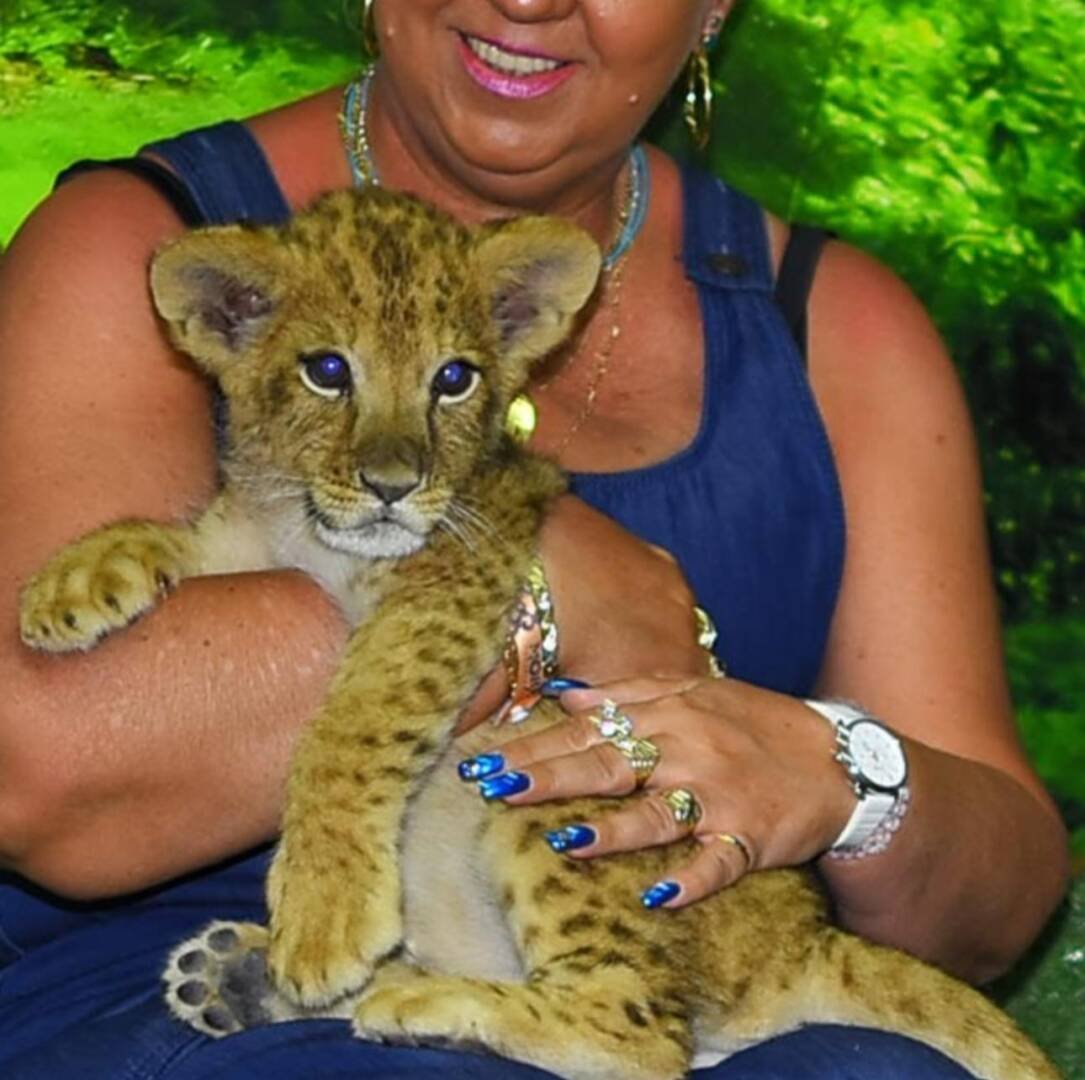
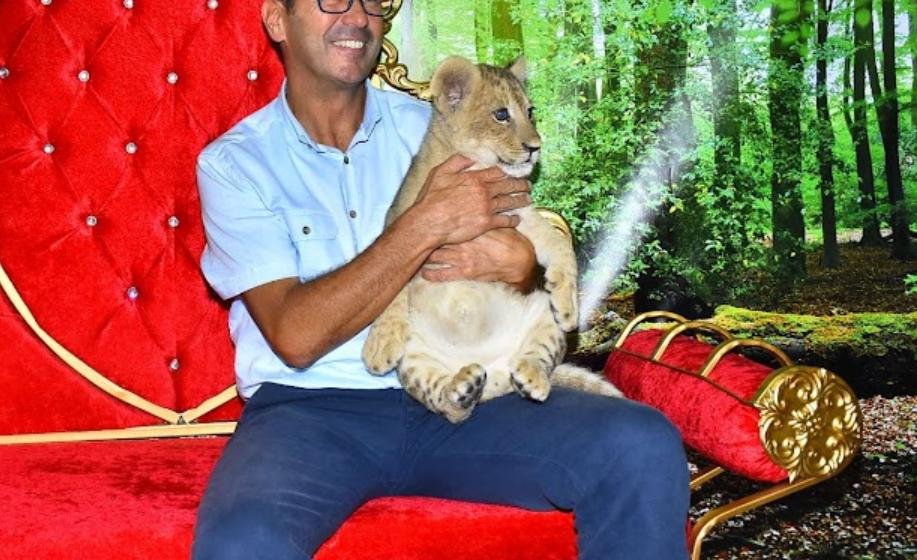
  • Exploitation: Many of these lions are used as photo props, sold to hunting farms, or bred for the cub-petting industry.

  • Animal Welfare Violations: Cubs are separated from their mothers too early, often malnourished, confined in tiny cages, and deprived of enrichment or proper care.

In South Africa, around 350 lion farms operate for trophy hunting, canned hunting, and the sale of lion body parts. The “cub-petting” business thrives on tourist money, with little awareness of the suffering it causes.


Our Fight for Justice

Wild at Life e. V. has been working tirelessly in South Africa and Turkey to expose and shut down these exploitative facilities.

In 2022, we traced the owner of the Antalya park back to Ankara, where we successfully closed his previous operation. Only months later, he reopened in Antalya. Our investigations revealed he owns at least three facilities in popular tourist regions. Inside, visitors pay to take photos, feed lions with a few grams of meat for €20, and are forbidden from taking their own pictures — a system designed for profit, not care.

What we found inside was heartbreaking:
filthy cages, starving lions, no grass, no shade, no enrichment, no water — only suffering. Many animals are left to die once they are too old for tourist interaction.

After Zeus’ desperate attempt to escape, we once again collaborated with authorities to push for the closure of the facility and legal action against those responsible. Sadly, the owner still operates two more parks, and we are fighting to prove his role in wildlife trafficking.
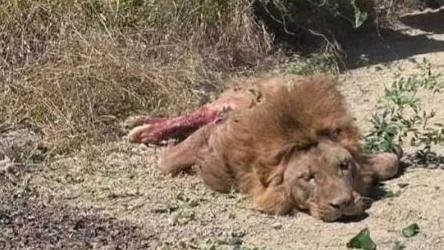
This devastating incident highlights the darker side of the captive lion industry, where profit is placed above animal welfare. Across the world, lions are bred, exploited, and sold under the guise of entertainment.

  • Captive Lion Population Growth: In Thailand, the number of captive lions has risen by 239% between 2018 and 2024, reaching 848 individuals and 32 hybrids.

  • Exploitation: Many of these lions are used as photo props, sold to hunting farms, or bred for the cub-petting industry.

  • Animal Welfare Violations: Cubs are separated from their mothers too early, often malnourished, confined in tiny cages, and deprived of enrichment or proper care.

In South Africa, around 350 lion farms operate for trophy hunting, canned hunting, and the sale of lion body parts. The “cub-petting” business thrives on tourist money, with little awareness of the suffering it causes.

Our Fight for Justice

Wild at Life e. V. has been working tirelessly in South Africa and Turkey to expose and shut down these exploitative facilities.

In 2022, we traced the owner of the Antalya park back to Ankara, where we successfully closed his previous operation. Only months later, he reopened in Antalya. Our investigations revealed he owns at least three facilities in popular tourist regions. Inside, visitors pay to take photos, feed lions with a few grams of meat for €20, and are forbidden from taking their own pictures — a system designed for profit, not care.

What we found inside was heartbreaking:
filthy cages, starving lions, no grass, no shade, no enrichment, no water — only suffering. Many animals are left to die once they are too old for tourist interaction.

After Zeus’ desperate attempt to escape, we once again collaborated with authorities to push for the closure of the facility and legal action against those responsible. Sadly, the owner still operates two more parks, and we are fighting to prove his role in wildlife trafficking.
The Way Forward

We are demanding:

  • ban on private lion ownership

  • Strict regulations on breeding and welfare standards

  • national database to monitor captive lion populations

Our ultimate goal is to relocate surviving lions from these parks to our African sanctuaries, where they can live out their lives in safety and dignity.


How You Can Help

Every visit, every photo, every “cub-petting” session fuels this cruel industry. If you pay for these experiences, you are funding suffering. Please help us raise awareness — share this story, educate your friends and family, and refuse to support animal exploitation.

We cannot continue this fight against powerful, mafia-like networks without your funding and support. Your contribution helps us investigate, rescue, and rehabilitate the victims of this brutal trade.

Together, we can stop this.
For Zeus — and for every lion still trapped behind bars.

Spread the news!

Help us increasing social commitment in saving endangered wild species. Express your support by sharing this article in your favorite social media channel.

Facebook
Twitter
LinkedIn
Pinterest
WhatsApp
Email

You may also like...

Share this story!

Rhino Monitoring Update

March 14, 2026

Protecting rhinos requires constant monitoring, strong partnerships, and long-term commitment. Through our Rhinoceros Conservation and Rescue Project, Wild at Life e.V. works together with dedicated conservation partners on the ground in South Africa to protect endangered white rhinoceroses and their

Share this story!

Let Them Feel Safe Again

February 15, 2026

In Turkey, stray animals face unimaginable hardships every day—from scavenging for food to suffering from illness and injury. Many are victims of abuse, neglect, and cruel practices such as poisoning and mutilation. Recent government legislation allowing mass euthanasia of stray

Share this story!

Existing in a World That Doesn’t Want Them

January 25, 2026

City pigeons live a life few people truly see. Constant noise, traffic, hunger, cold, and danger are part of their everyday reality. Injuries are common, safe nesting places are rare, and survival often depends on luck rather than care. Yet

Share this story!

The Hidden Killer in the Bush

January 24, 2026

Snares are one of the biggest threats facing wildlife across Africa.Silent, cheap, and almost invisible, these wire traps are responsible for the suffering and death of millions of animals every year. Made from wire or steel cable, snares are easy

Share this story!

Caring Beyond Crisis: Our Work in Sri Lanka

December 20, 2025

Every year, we travel to Sri Lanka to care for animals who would otherwise have no help. Our work focuses on stray dogs and cats living on the beaches and in nearby areas we are responsible for. We provide regular

Share this story!

Wildlife Rescue on the Main

December 13, 2025

We work with a local Frankfurt-based wildlife charity called Projekt Oase – Mensch und Tier im Einklang e.V., which focuses on protecting and rescuing wild waterfowl and other birds along the Main River. Projekt Oase is a small but passionate

Search for more