News from the wild

Our Turkish Stray & Rescue Mission

Published on: November 4, 2025
Categories:
Tagged: # # #

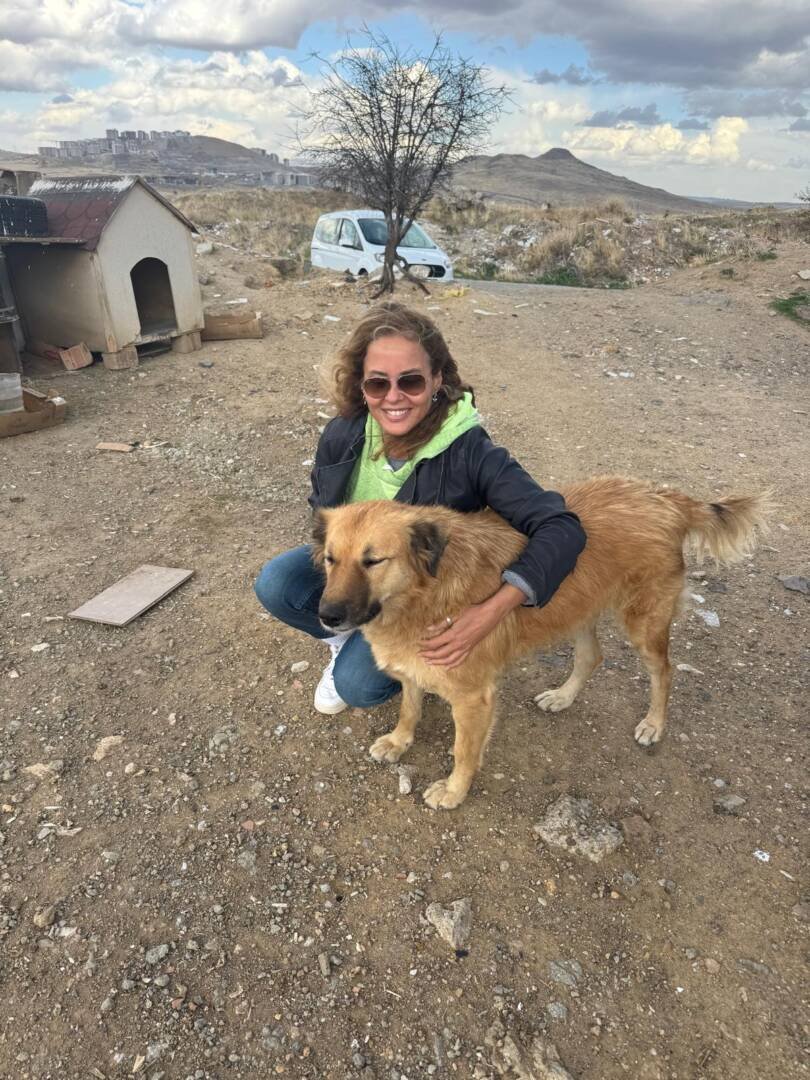
Every day, our team works tirelessly to care for the hundreds of stray animals living on the outskirts of Ankara. We currently feed between 250–300 dogs daily, ensuring that no one goes hungry — even in the most remote and dangerous areas.

Our mission goes beyond feeding: we rescue, rehabilitate, spay/neuter, and provide full veterinary care for dogs and cats in need. Thanks to donations, we also distribute blankets, coats, and cat houses, giving warmth and shelter to those who have none.

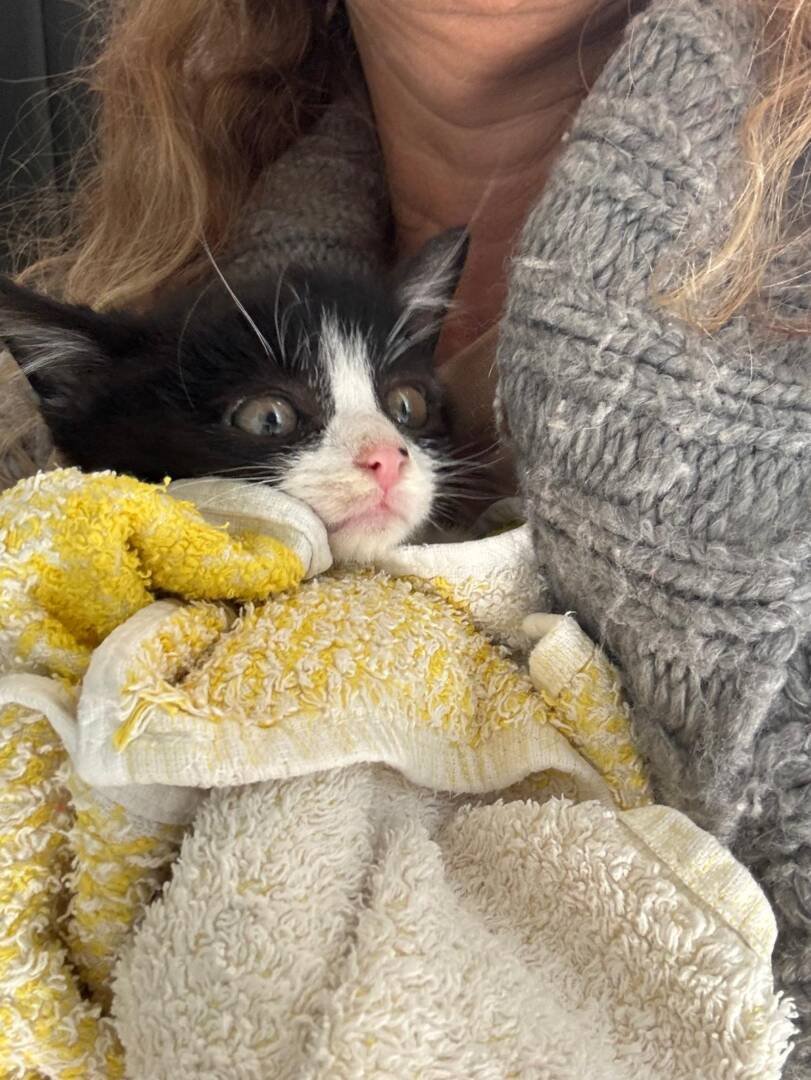
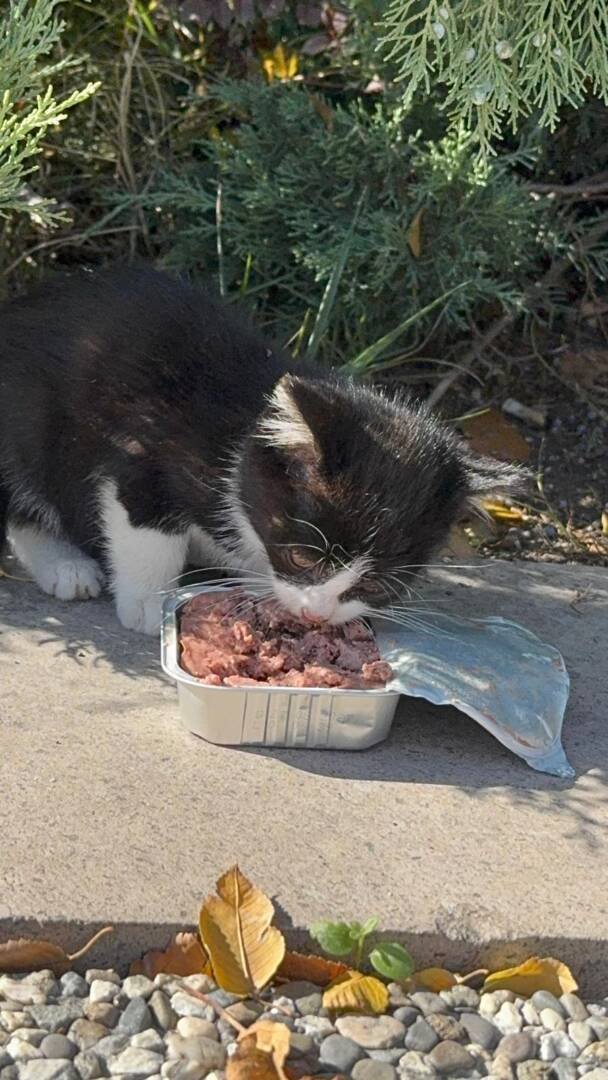
Recently, we rescued a starving, abandoned kitten, who is now safe, fed, and recovering.
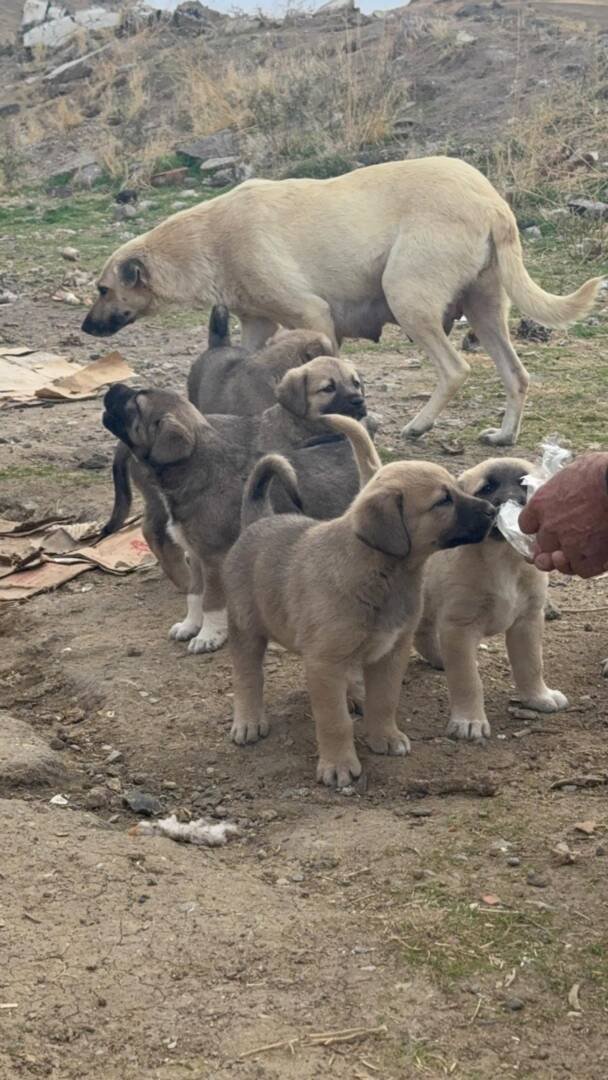
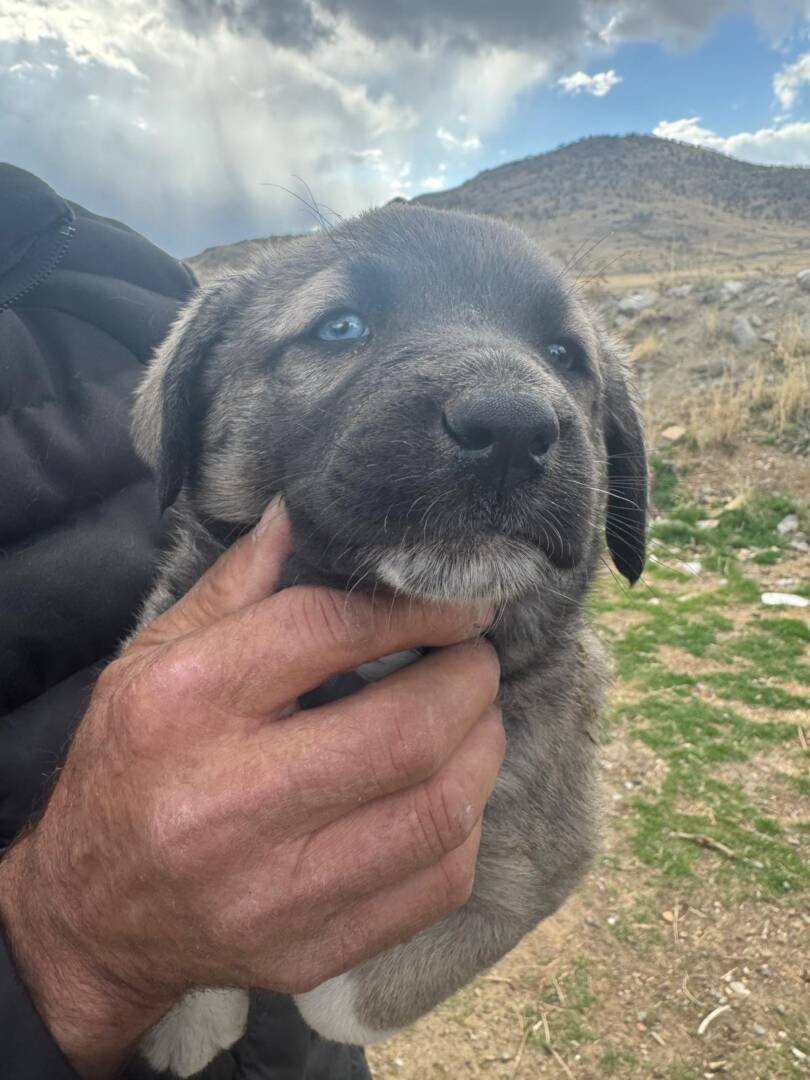
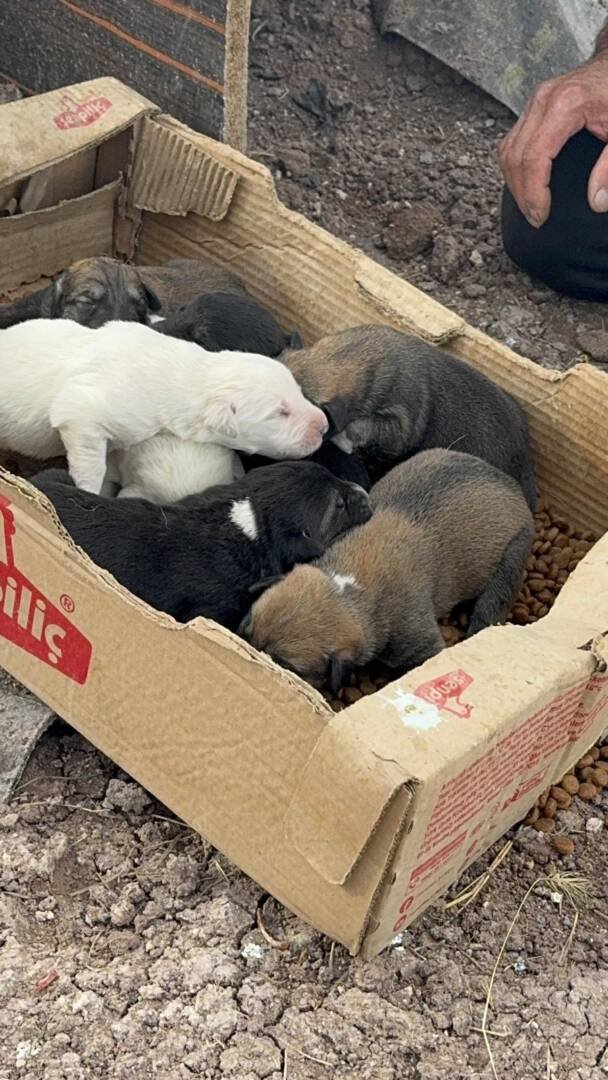
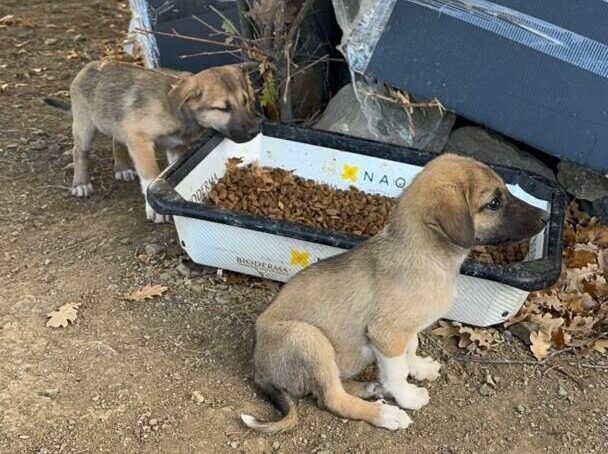
We also came across a stray mother dog with many puppies in one of our feeding areas — we’ve been feeding and looking after them regularly.

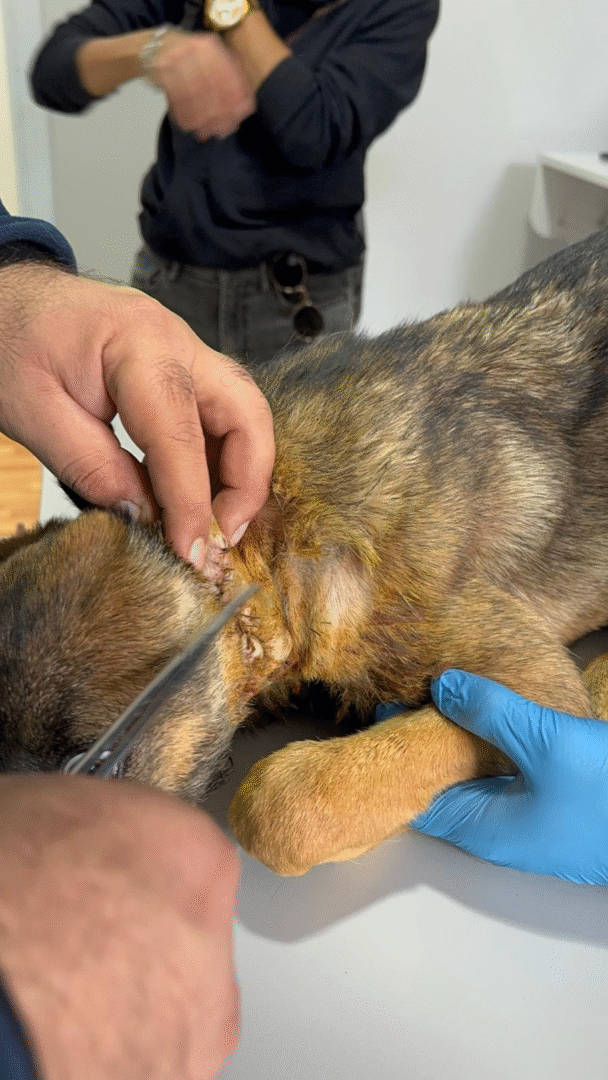
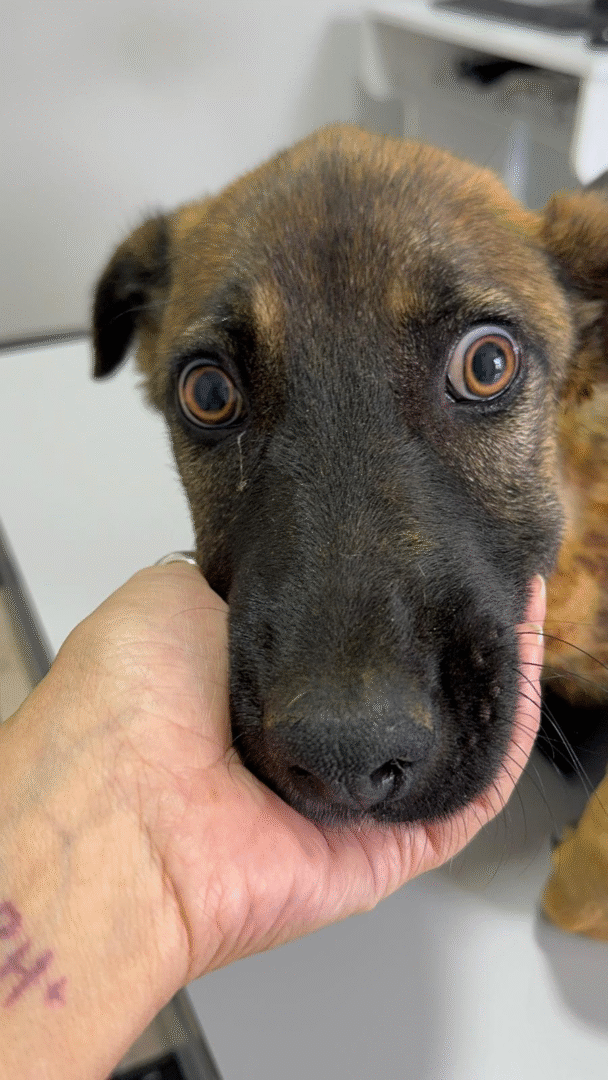
We’ve also been caring for a puppy with a severe open neck wound, currently hospitalized and receiving treatment — but we urgently need funds to continue his care.

Every small act of kindness matters. We also place donated collars on our rescues and community dogs — a simple gesture that symbolizes love, identity, and safety.

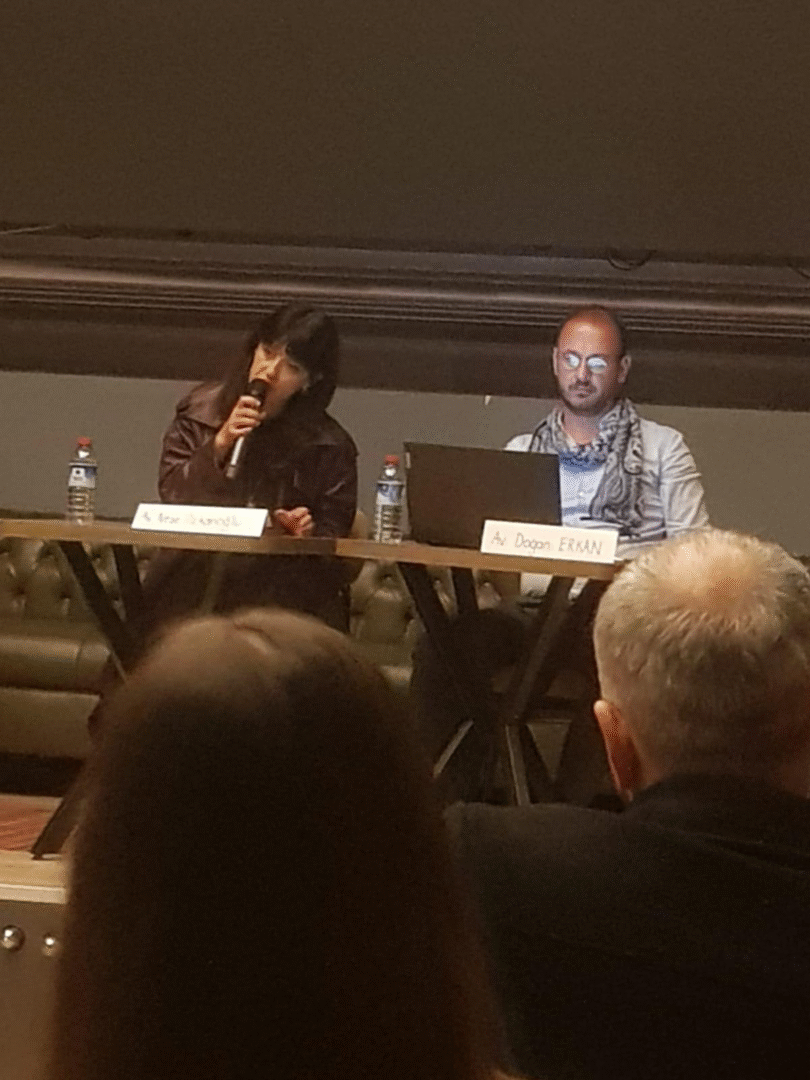
Beyond rescue work, we believe in advocacy and awareness. We recently organized a Charity Night at RIFF Ankara, dedicated to animal and environmental rights. The event brought together activists, lawyers, and environmentalists to discuss practical solutions for the ongoing challenges faced by animals in Turkey.

To continue this important work, we need your help. Caring for stray animals and running programs like “Give a Coat to a Stray” requires resources and support. Your donations will help us maintain and expand our shelters, provide food and medical care, and ensure that we can keep offering warmth and protection during the winter months. You can make a difference by donating directly to our fundraiser, and every contribution, big or small, helps us keep doing this vital work.

Spread the news!

Help us increasing social commitment in saving endangered wild species. Express your support by sharing this article in your favorite social media channel.

Facebook
Twitter
LinkedIn
Pinterest
WhatsApp
Email

You may also like...

Share this story!

Mission Caita – still on the ground

May 2, 2026

Chimpanzees are incredibly close to us.They live in complex social groups, form lifelong bonds, and experience emotions in ways that are deeply familiar — trust, fear, grief, connection. This is exactly what makes wildlife trafficking so devastating. What we see

Share this story!

One Voice Against Wildlife Crime

May 1, 2026

We are proud to share our latest contribution to advancing international efforts to combat wildlife crime and broader environmental offences. As a member of the Global Initiative to End Wildlife Crime (EWC), we have joined 103 organizations in calling on

Share this story!

Unregulated Squid Fishing in the Northwest Indian Ocean

April 5, 2026

Unregulated industrial squid fishing in the northwest Indian Ocean has grown into a serious ecological and socio-economic crisis—and it is one we at Wild at Life e.V. have been documenting for years.

Share this story!

Rhino Monitoring Update

March 14, 2026

Protecting rhinos requires constant monitoring, strong partnerships, and long-term commitment. Through our Rhinoceros Conservation and Rescue Project, Wild at Life e.V. works together with dedicated conservation partners on the ground in South Africa to protect endangered white rhinoceroses and their

Share this story!

Let Them Feel Safe Again

February 15, 2026

In Turkey, stray animals face unimaginable hardships every day—from scavenging for food to suffering from illness and injury. Many are victims of abuse, neglect, and cruel practices such as poisoning and mutilation. Recent government legislation allowing mass euthanasia of stray

Share this story!

Existing in a World That Doesn’t Want Them

January 25, 2026

City pigeons live a life few people truly see. Constant noise, traffic, hunger, cold, and danger are part of their everyday reality. Injuries are common, safe nesting places are rare, and survival often depends on luck rather than care. Yet

Search for more