News from the wild

No Longer Trash: Giving Rescued Pigs a Second Chance

Published on: September 8, 2025
Categories:
Tagged: # #

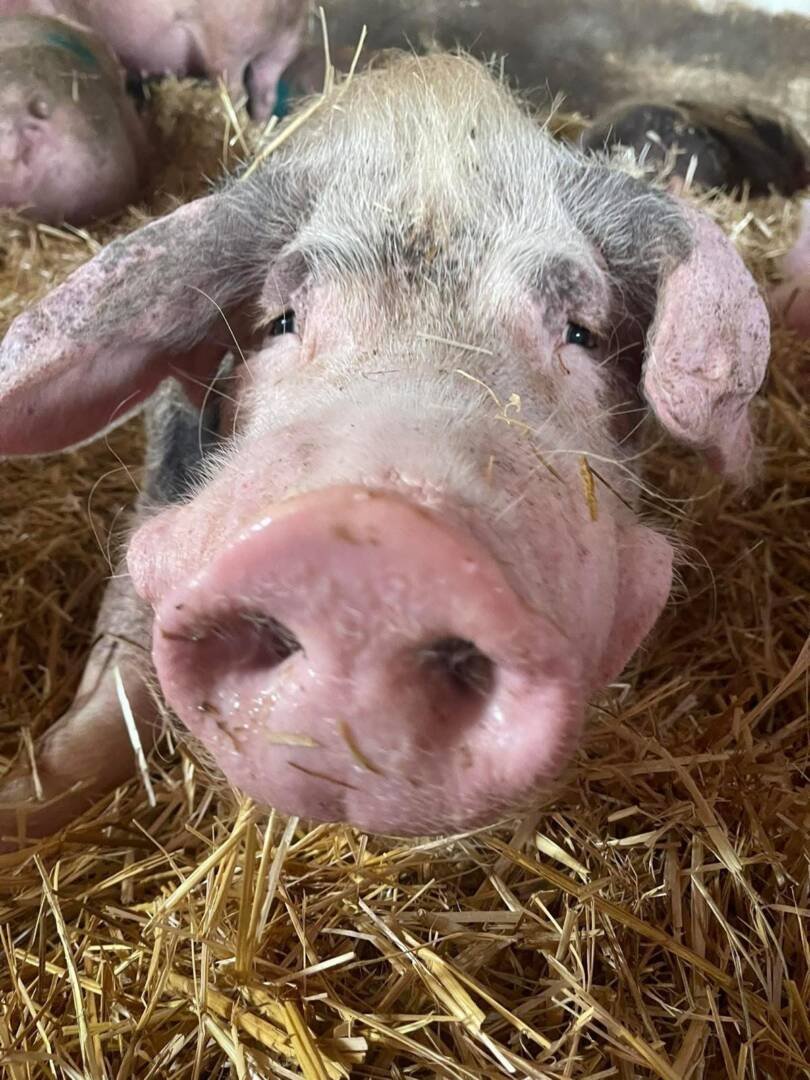
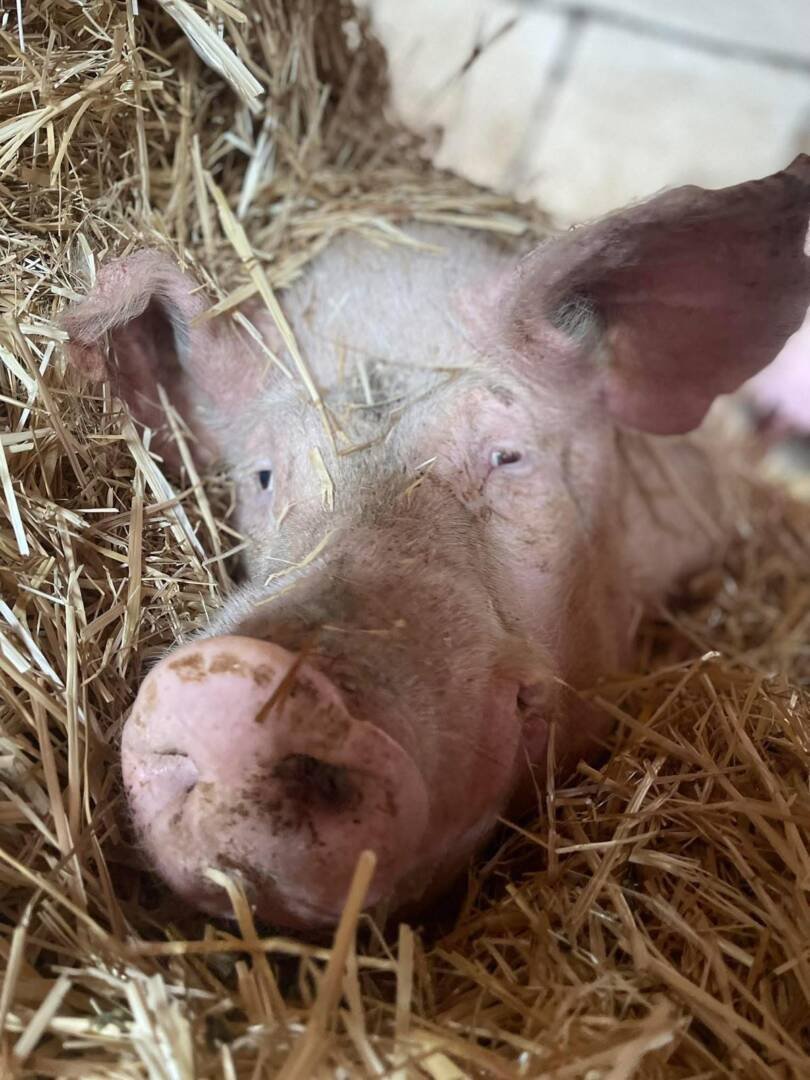
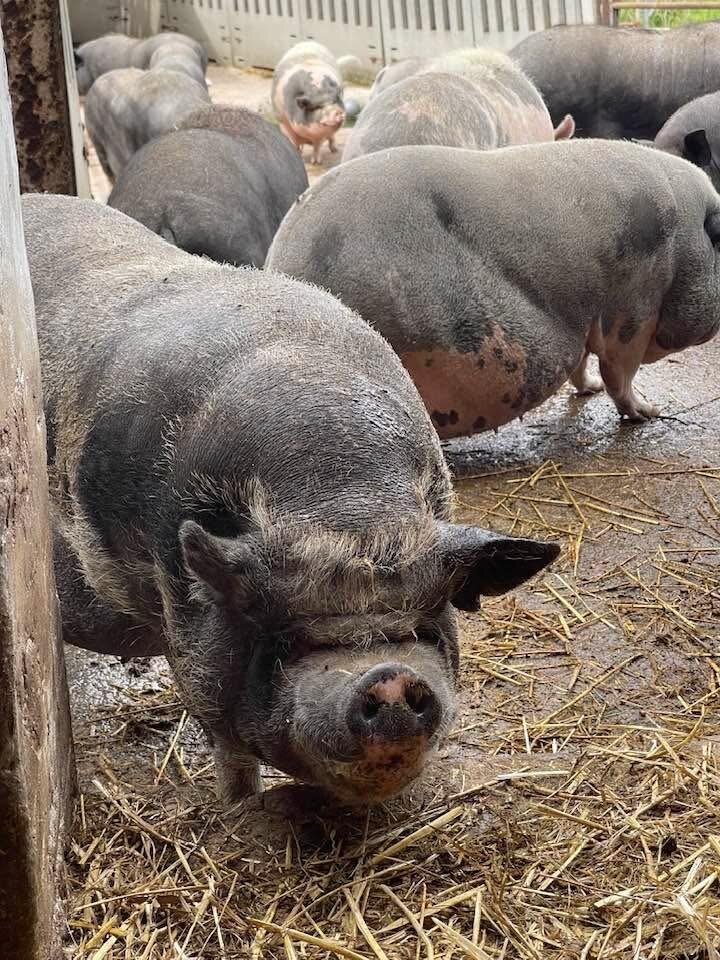
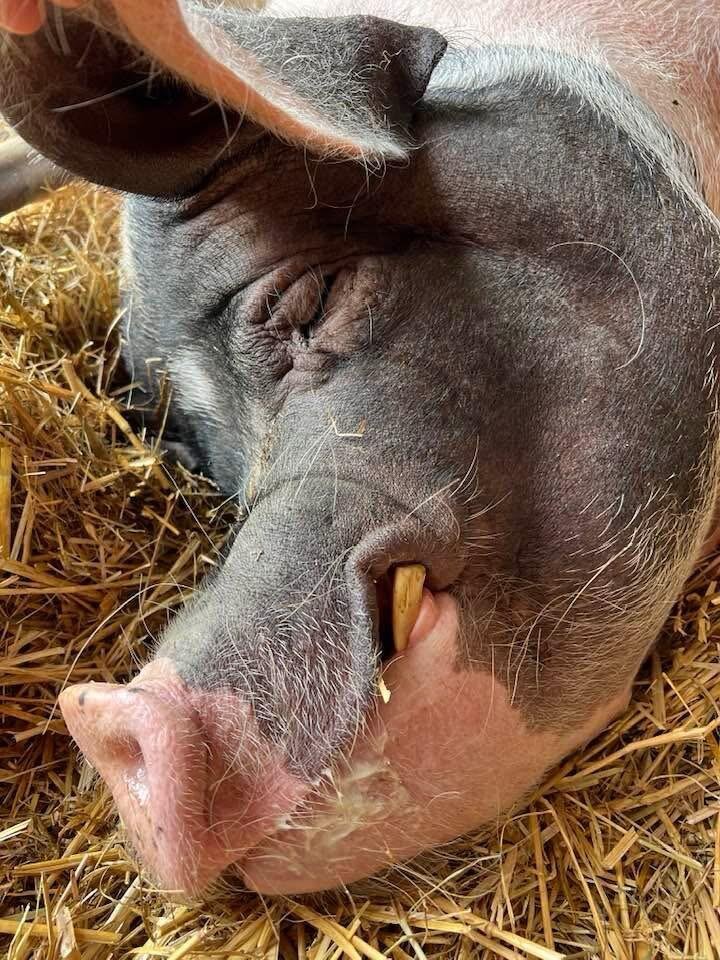
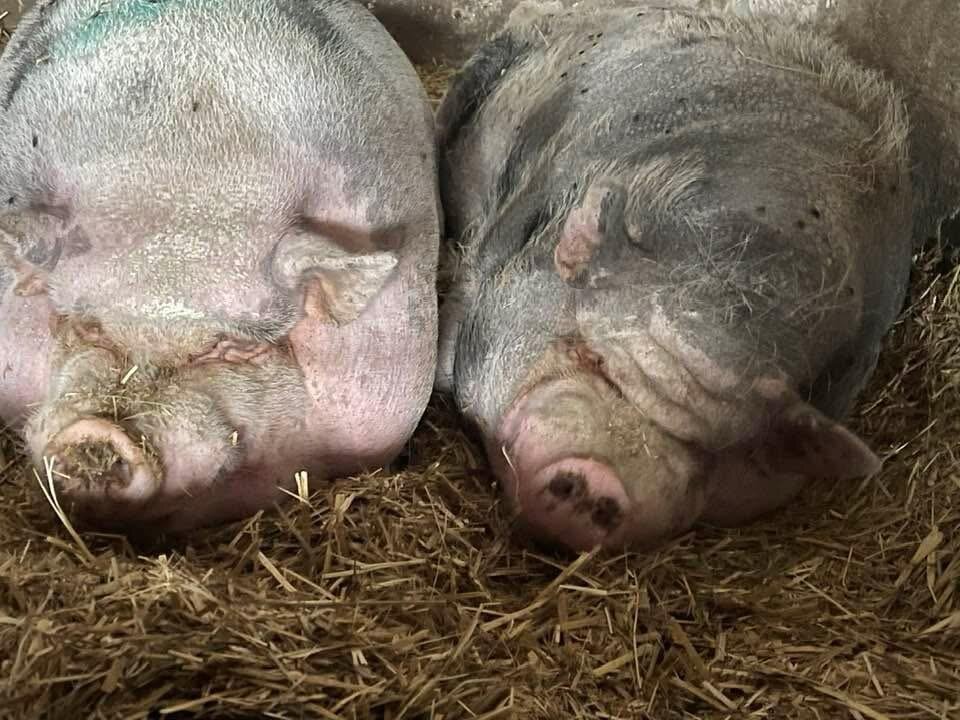
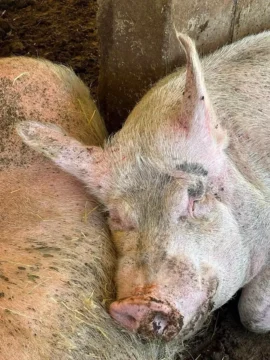
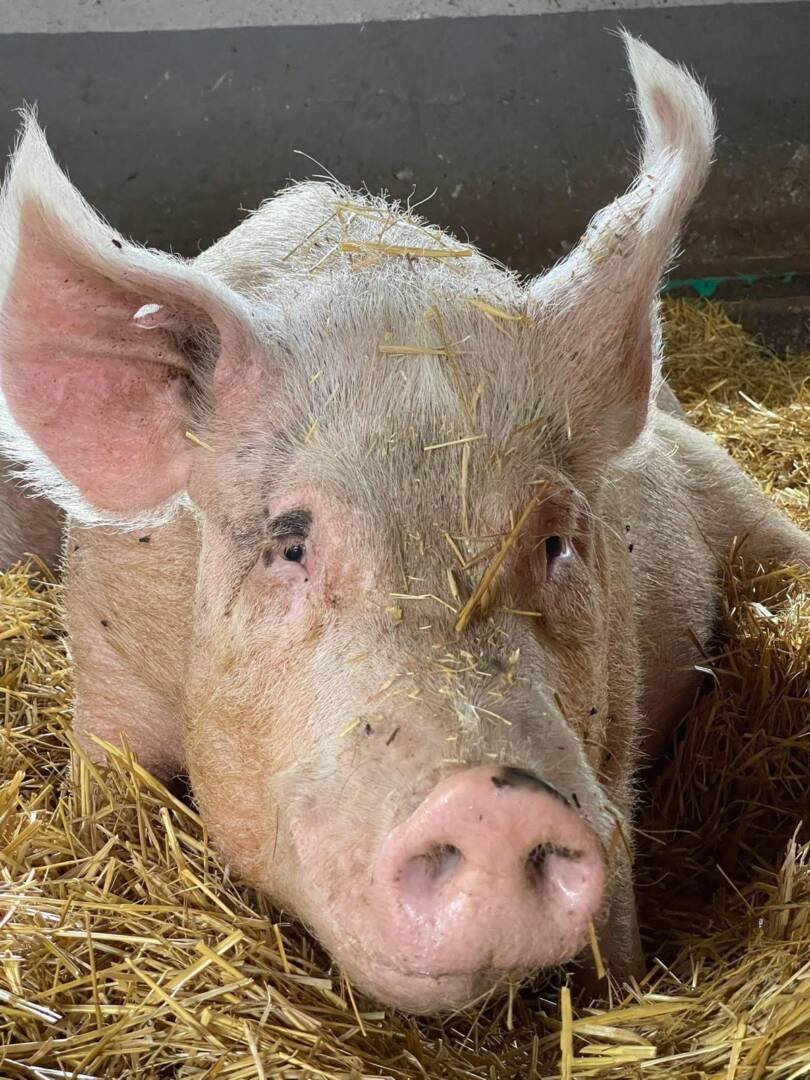
Wild at Life e.V. cares for dozens of rescued farm animals — especially pigs — who now live safely with our partner NGO, an organization that provides a home to hundreds of farm animals. Among them are many pigs we saved from truly horrible conditions. Huddled together in a filthy, cramped corner of a slaughterhouse, they were surrounded by piles of rotting waste. The pigs were in clear distress, bearing visible wounds and suffering from severe malnourishment and weakness. Treated like trash and abandoned to suffer in squalor, their situation was devastating. With rescue and care, they are finally safe and can begin to heal. Whenever we have the necessary funds, we extend our efforts to save even more animals from such dire situations, giving them the chance at a life free from suffering.
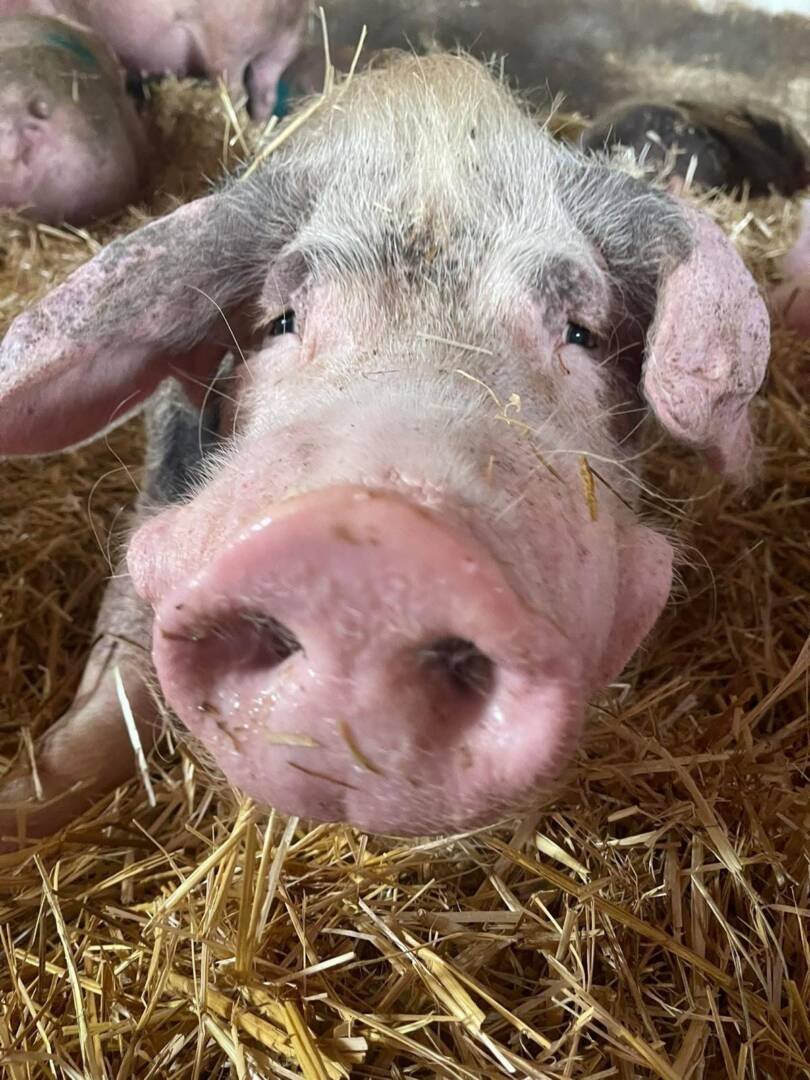
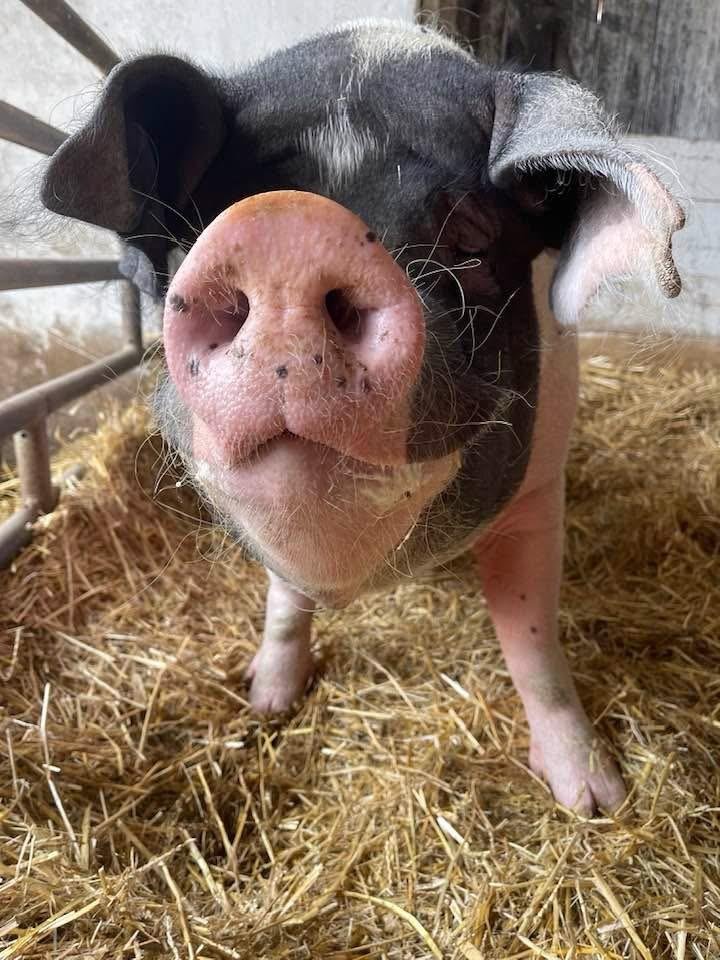
Pigs face various challenges, including factory farming conditions that prioritize efficiency over animal welfare. Many pigs are raised in crowded and unsanitary environments, lacking adequate space, social interaction, and proper care. This can lead to stress, disease, and injury. Additionally, practices like tail docking and teeth clipping are common, often without pain relief. Some farms also confine breeding sows to gestation crates, restricting their movement. These conditions have sparked debates about animal rights and welfare, with many advocating for more humane treatment and better living conditions for pigs.

Large-scale pig farming involves significant ethical issues like overcrowding, poor sanitation, and stress-related diseases, causing pigs to suffer without proper care or comfort. This industry also harms the environment by producing vast amounts of manure laden with nitrates and bacteria, which pollutes waterways and harms communities. Furthermore, pig production contributes to climate change through greenhouse gas emissions from the feed production, animal waste, and the animals themselves, with methane and nitrous oxide being potent gases that contribute to global warming.

Cruelty and Animal Welfare

Overcrowding and Lack of Enrichment:

Millions of pigs are raised in overcrowded, factory-like conditions that cause stress, fighting, and increased vulnerability to disease.

Poor Living Conditions:

Pigs often lack basic comfort, are exposed to feces and flies, and are kept in groups that lead to conflict and injuries.

Lack of Care:

There are instances of pigs being left to die from illness or injury without receiving proper attention.

Environmental Impact and Climate Change

Greenhouse Gas Emissions:

The production of pig feed, primarily corn and soybeans, along with animal waste, releases potent greenhouse gases like methane and nitrous oxide, which are more damaging to the climate than carbon dioxide.

Water Pollution:

The immense quantities of manure produced by pig farms often contain high levels of nitrates and bacteria. When stored in lagoons or spread on fields, these toxins can run off into rivers and streams, polluting water sources and contributing to eutrophication.

Air Quality:

Ammonia levels from pig manure can pose health risks to nearby communities, with some residents reporting asthma and other respiratory issues

For these reason Wild at Life has decided to tackle the issue and started negotiating welfare on the industry and comply with the SDG’s.

How You can Help

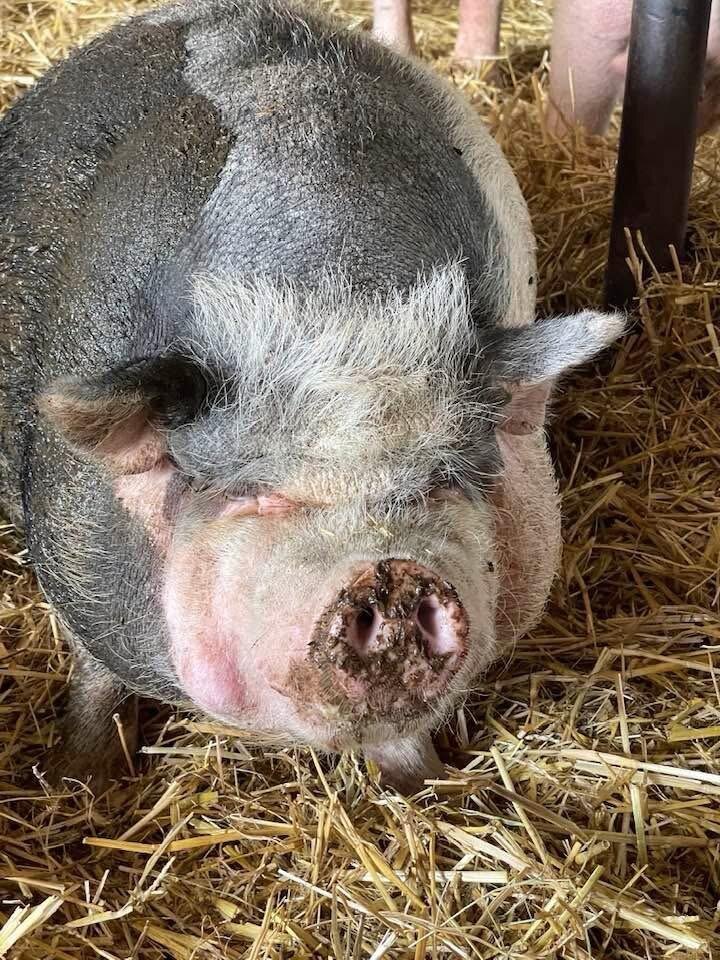
A wonderful way to support our work is through a symbolic adoption of one of our rescued pigs, “Lucky Tonizka.” Your adoption would help us provide food, medical care, and safety for him and the many others who rely on us. Every donation — big or small — also makes a huge difference in allowing us to continue rescuing animals from unbearable conditions and giving them the lives they deserve.

Spread the news!

Help us increasing social commitment in saving endangered wild species. Express your support by sharing this article in your favorite social media channel.

Facebook
Twitter
LinkedIn
Pinterest
WhatsApp
Email

You may also like...

Share this story!

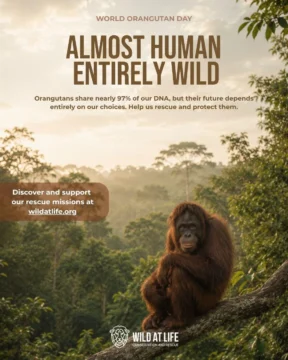
World Orangutan Day: Their Forest Is Their Future

August 19, 2026

This World Orangutan Day, we stand with one of our closest and most vulnerable relatives. Orangutans are losing their forest homes to deforestation, habitat destruction, and the illegal wildlife trade, pushing these remarkable great apes closer to the brink. Wild

Share this story!

Celebrating World Elephant Day

August 12, 2026

On World Elephant Day, we celebrate these magnificent and intelligent giants while shining a light on the urgent threats they face. Wild at Life is on the front lines, conducting vital elephant rescue missions and providing a safe haven through

Share this story!

World Lion Day

August 10, 2026

On World Lion Day, we celebrate the strength, beauty and spirit of one of the world’s most iconic animals. For more than a decade, Wild at Life has stood beside lions in some of the world’s most difficult places, working

Share this story!

Overlooked: A Silent Extinction

August 9, 2026

Overlooked: A Silent Extinction is a short wildlife conservation film that gives a voice to one of Africa’s most iconic yet increasingly overlooked animals: the giraffe.

Share this story!

The story behind Wild at Life

July 17, 2026

Wild at Life founder Aslihan Gedik spoke with H24 / Hinterlegungsstelle about our work protecting wildlife and biodiversity. In its June 2026 newsletter, H24 published an interview with Aslihan Gedik, founder of Wild at Life. The conversation introduces our mission

Share this story!

World Chimpanzee Day: Protecting Their Future

July 14, 2026

Every chimpanzee taken from the wild leaves behind a family torn apart. Many young chimpanzees become victims of the illegal wildlife trade after their mothers are killed to capture them. Others lose their homes as forests disappear, forcing them into

Search for more