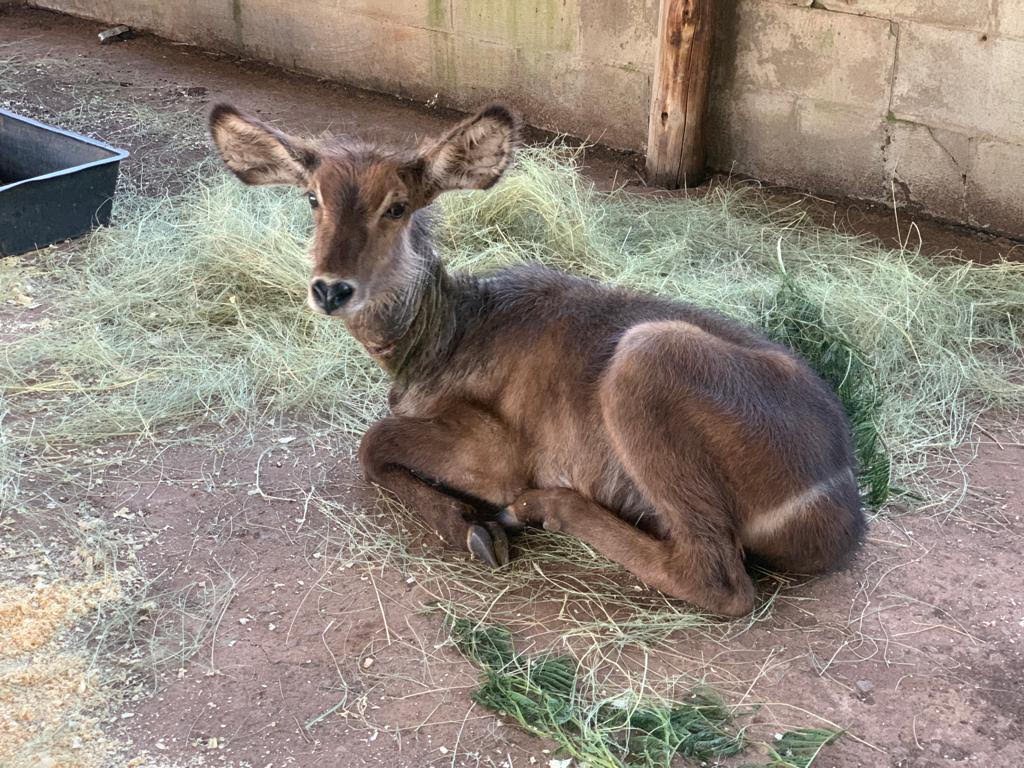
We recently rescued a baby waterbuck from a dangerous situation. This little girl was caught in a snare, which is a trap often set by poachers. Snares are very dangerous because they can hurt or kill any animal that gets caught in them.
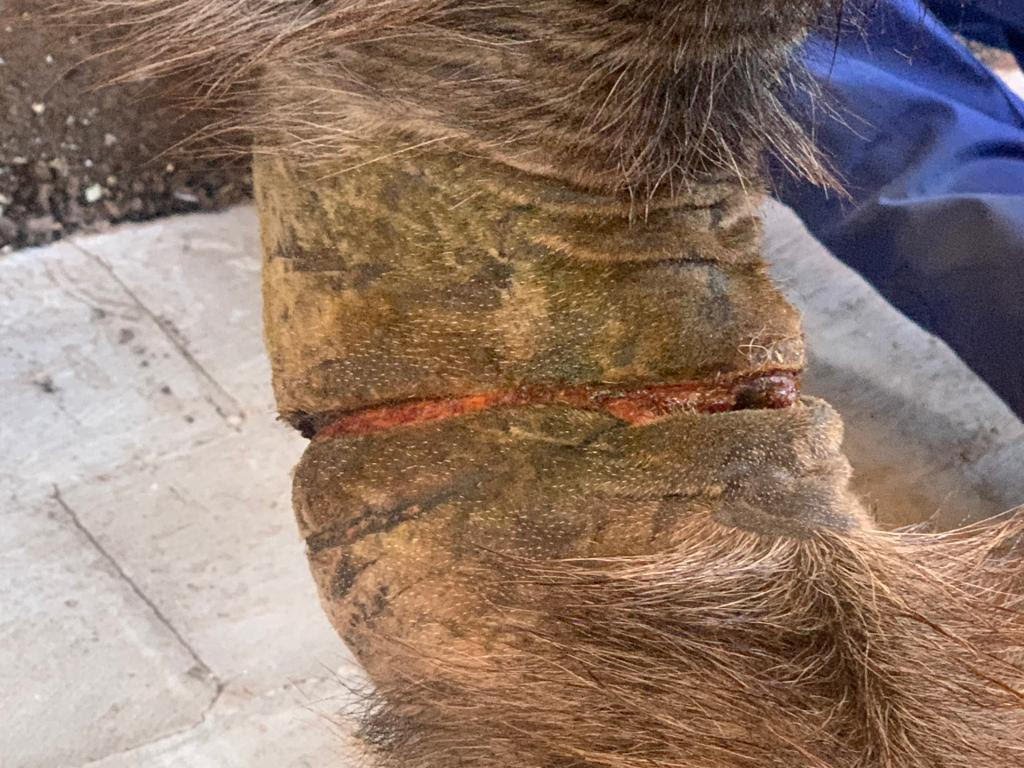


We recently rescued a baby waterbuck from a dangerous situation. This little girl was caught in a snare, which is a trap often set by poachers. Snares are very dangerous because they can hurt or kill any animal that gets caught in them.
When we found Luna, she was frightened and in pain. Snares are designed to catch animals by the neck or legs, causing severe injuries or a slow, painful death. These traps are indiscriminate, meaning any animal, including endangered species, can fall victim to them.
Our team immediately provided her with the medical attention she needed. We carefully removed the snare and treated her wounds to prevent infection. We then brought her to a safe environment where she could begin to heal, both physically and emotionally.

The scar on her neck serves as a permanent reminder of how narrowly she escaped death, but it also shows how strong she is and gives us hope for her future. Now that she is with us, she is getting the food, shelter, and love she needs to heal and grow stronger.
Luna’s story highlights the importance of our work and the positive impact we can have on the lives of animals. By supporting us, you help us save more animals from similar dangers and give them a second chance at life.
Help us increasing social commitment in saving endangered wild species. Express your support by sharing this article in your favorite social media channel.
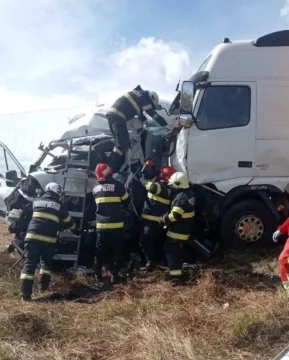
We are mourning the loss of precious lives. On 24th September at 11 am, a devastating accident took the lives of two beautiful, dedicated women from the UK and almost all the dogs they were transporting from Türkiye to France,
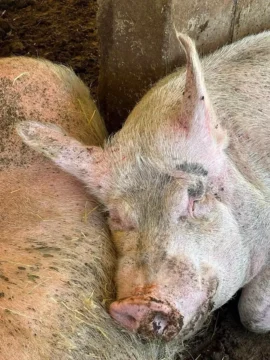
Some of you may remember the nine pigs we rescued from terrible conditions. They arrived needing safety, care, and time to heal. We are so grateful that they now have the chance to live the lives they deserve.
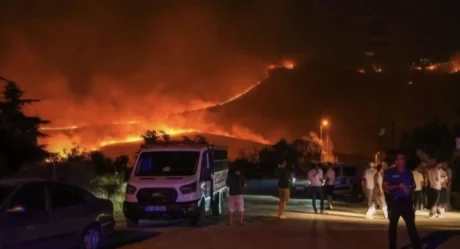
A Devastating Loss: Our Shelter and Everything We Built What happened to us in Ankara is something we are still struggling to put into words. A huge area of green land in Ankara was deliberately set on fire. We saw
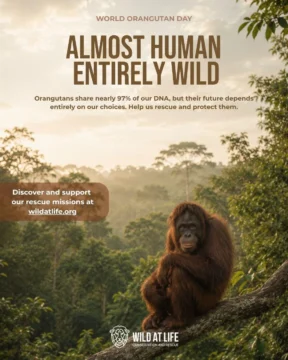
This World Orangutan Day, we stand with one of our closest and most vulnerable relatives. Orangutans are losing their forest homes to deforestation, habitat destruction, and the illegal wildlife trade, pushing these remarkable great apes closer to the brink. Wild
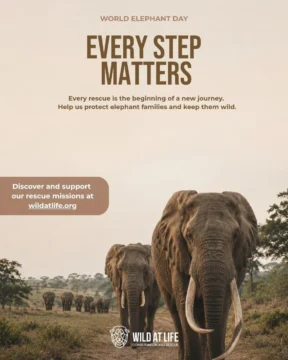
On World Elephant Day, we celebrate these magnificent and intelligent giants while shining a light on the urgent threats they face. Wild at Life is on the front lines, conducting vital elephant rescue missions and providing a safe haven through
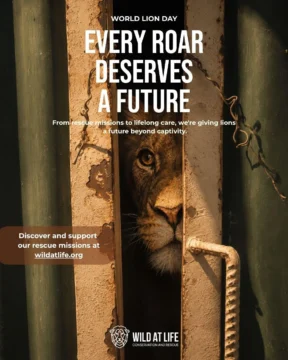
On World Lion Day, we celebrate the strength, beauty and spirit of one of the world’s most iconic animals. For more than a decade, Wild at Life has stood beside lions in some of the world’s most difficult places, working